

For athletes, fitness enthusiasts, and everyone else experiencing muscle soreness or fatigue, compression therapy is one of the best ways to get quick relief preferred healing technique. Fundamentally, the goal of compression therapy is to promote blood flow and support the lymphatic system by applying controlled pressure to specific body parts, typically the arms, legs, or joints. The improved circulation provided is a potent weapon for a quicker recovery since it helps remove metabolic waste and delivers oxygen-rich blood to worn-out or injured muscles.
Compression therapy is a useful option whether you’re preparing for a marathon, going to the gym frequently, or just managing edema following a strenuous day on your feet. It’s no longer just for top athletes; many gym enthusiast include it in their everyday recovery plan. Wearable systems that target discomfort, accelerate healing, and reduce inflammation make it convenient and straightforward to implement this technology in the home.
Improved circulation is one of the main benefits of using compression therapy equipment. Muscles get the nutrition they require to repair when blood flows more effectively. The body feels lighter and less exhausted as a result of the simultaneous reduction of edema and fluid accumulation. The outcome? Improved performance overall, fewer aches and pains, and quicker recovery in between workouts. Compression therapy provides noticeable relief for anyone suffering from modest injuries, post-workout discomfort, or chronic illnesses like varicose veins or lymphedema.
Ten of the best compression therapy devices on the market right now have been reviewed in this post. Each one is designed to promote long-term wellness, ease muscle tension, and accelerate your recovery. This collection covers everything from full-body systems to portable air massagers to sophisticated pneumatic leg wraps, so there’s something for every healing requirement and budget.
The guide is for you if you want to up your recovery game and resume your favourite activities, such as cycling, lifting weights, running, or just feeling better after a demanding workweek. Continue reading to learn about the best compression therapy for you and your loved ones.
What Is Compression Therapy?
A therapeutic method called compression therapy applies regulated pressure to enhance blood flow and lessen swelling in particular body areas. It entails using specialized equipment, such as compression sleeves, boots, or clothing, to apply mild to moderate pressure. This pressure supports the body’s natural healing processes, improves lymphatic drainage, and increases circulation. Compression treatment was once mostly utilized in medical settings to treat ailments like lymphedema and deep vein thrombosis, but it has now spread to athletes, fitness fanatics, and anybody else wishing to hasten muscle recovery and lessen discomfort.
The basic idea behind compression therapy is straightforward: it helps veins and lymph channels effectively return blood and lymph fluid back toward the heart by providing external pressure to limbs or muscles. This enhances circulation generally and keeps blood from accumulating in the limbs, which can cause inflammation and edema. Improved circulation also helps tired muscles receive oxygen and vital nutrients, which speeds up their healing and restoration.
Compression therapy equipment comes in a variety of forms. In order to reduce edema or alleviate the symptoms of chronic venous insufficiency, static compression garments, such as sleeves or socks, apply constant pressure. Dynamic compression devices simulate a natural muscle pump by sequentially inflating and deflating parts of the device using air pressure. Because they actively encourage fluid circulation and aid in the removal of toxins and metabolic waste from muscle tissues, these pneumatic systems are particularly well-liked for post-exercise rehabilitation.
Compression treatment is a common, non-invasive, drug-free method used by athletes and anyone seeking rehabilitation to lessen discomfort, reduce inflammation, and improve performance. For instance, to reduce lactic acid accumulation and hasten muscle regeneration, runners and cyclists may apply compression boots or leg sleeves following an exercise. Similarly, compression helps patients recuperating from surgery or trauma by reducing swelling and avoiding problems like blood clots.
By promoting the removal of extra lymph fluid, compression therapy also promotes lymphatic health. Those who have lymphedema or are prone to fluid retention will find this especially beneficial. In addition to the health advantages, many users say that regular use of compression devices makes them feel lighter, more at ease, and less exhausted.
In conclusion, compression treatment is a useful recuperation technique that promotes quicker muscle repair, improves circulation, and lowers edema. Compression devices provide a practical and effective means of enhancing general well-being and physical performance, whether they are utilized for sports recuperation, injury rehabilitation, or the treatment of chronic illnesses.
Key Benefits of Compression Therapy Devices
Devices for compression therapy have grown in popularity due to their capacity to enhance general physical wellness, lessen discomfort, and hasten recovery. These devices provide a number of advantages by providing controlled pressure to specific body parts, making them indispensable resources for athletes, fitness fanatics, and anybody else dealing with edema or aching muscles. The main advantages of employing compression therapy devices are examined in more detail below.
- Enhanced Circulation: Improved circulation is one of the main advantages of compression therapy equipment. Veins effectively return blood from the extremities to the heart thanks to the regulated pressure. More oxygen and nutrients are delivered to muscles for development and repair when circulation is improved. This is especially crucial following strenuous exercise or an accident, as blood flow may be impaired. Compression devices lessen muscular fatigue and speed up the healing process by encouraging good circulation.
- Decreased Inflammation and Swelling: Edema, another name for swelling, is frequently brought on by an accumulation of fluid in the tissues. By exerting external pressure that promotes lymphatic drainage, the body’s method of eliminating extra fluid and waste—compression treatment devices help reduce this. Muscle and joint pain and stiffness are lessened when edema is reduced. For those recuperating from surgery, trauma, or long-term illnesses like varicose veins and lymphedema, this advantage is extremely beneficial.
- Quicker Muscle Recuperation: Recovering muscles is essential for enhancing performance and avoiding injuries. In order to promote quicker muscle recovery, compression therapy devices increase blood flow and decrease inflammation. After exercises, many athletes use compression sleeves or boots to minimize lactic acid accumulation, relieve discomfort, and hasten recovery. Better performance overall and less downtime in between training sessions are the results of this.
- Pain Reduction and Relaxation of the Muscles: Pain and tension in the muscles can be significantly reduced with compression therapy. The light pressure eases tense muscles and lessens swelling-induced nerve discomfort. After using compression devices, users frequently report feeling lighter and less exhausted. Because of this, compression therapy is a great choice for people who have persistent pain or stiff muscles.
- Improved Health of the Lymphatic System: Compression devices also stimulate the lymphatic system in addition to increasing blood circulation. Toxins and waste materials are eliminated from the body by the lymphatic system. Swelling and discomfort may result from slow lymphatic flow. By promoting lymphatic drainage, compression therapy aids the body’s inherent cleansing mechanisms. Those who are prone to lymphatic issues or fluid retention would particularly benefit from this.
- Convenience and Usability: These days, compression therapy equipment is made to be easy to use. Numerous models are lightweight, portable, and simple to use at home or while traveling. These gadgets make it easy for consumers to include therapy sessions into their everyday schedules, in contrast to conventional approaches that call for manual massage or prolonged rest. People with hectic schedules can now get compression therapy because of its simplicity.
- Versatility for Different Needs: There are several types of compression therapy equipment, such as full-body systems, arm cuffs, boots, and leg sleeves. Because of its adaptability, users can focus on particular areas according to their healing requirements. There is a compression device that is appropriate for treating persistent swelling, post-workout discomfort, and injury rehabilitation.
- Non-Invasive and Drug-Free: An all-natural, non-invasive method of managing pain and accelerating healing is compression treatment. It is a safe substitute for or addition to other treatments because it doesn’t involve drugs or invasive procedures. This drug-free method lowers the possibility of adverse effects that are frequently linked to anti-inflammatory or painkiller medications.
How to Choose a Compression Therapy Device
The effectiveness of recovery and general comfort can be significantly impacted by the selection of the appropriate compression therapy equipment. With so many possibilities available, it’s critical to take into account a number of crucial aspects in order to identify the gadget that best suits your requirements. Choosing compression therapy equipment can be made easier with the help of this guide.
1. Target Area
The first thing to think about is the part of the body that requires compression therapy. Devices can be made to cover the entire body or just target particular areas, like the arms, legs, or back. For instance, in order to facilitate muscle regeneration, runners and cyclists frequently concentrate on leg compression equipment like boots or sleeves. Arm cuffs or sleeves may be helpful for people recuperating from arm surgery or accidents. For professional athletes or those in need of all-encompassing therapy, full-body systems are suitable because they are usually more sophisticated and can address many regions at once. Select a tool that corresponds with the bodily part that needs the most care.
2. Type of Compression: Dynamic Pneumatic vs. Static
There are two primary types of compression devices: static and dynamic pneumatic. Static compression clothing, such as sleeves or socks, is typically less expensive and applies constant pressure. They work nicely for daily use and minimal edema. However, dynamic pneumatic devices replicate the body’s natural muscular pump by sequentially inflating and deflating chambers using air pressure. They are perfect for rigorous recovery workouts or medical problems because of their dynamic activity, which improves circulation and speeds up fluid drainage. Selecting a device that aligns with recovery objectives can be made easier by being aware of the differences.
3. Intensity Levels and Programmability
Seek out gadgets with programmable settings and varying intensities. For both novices and seasoned users, adjustable pressure is essential since it enables you to customize the therapy to your comfort level and unique requirements. Preset programs for different recovery objectives, like relaxation, deep tissue massage, or inflammation reduction, are available on certain devices. Programmability enhances user satisfaction and optimizes the advantages of recovery.
4. Portability and Ease of Use
If you frequently travel or intend to use your compression therapy gadget on the fly, portability is important. Devices that are small, lightweight, and cordless are more convenient. Equally vital is ease of use; pick gadgets with straightforward controls, readable screens, and fast setup. The key to getting the best outcomes is constant use, which is encouraged by user-friendly equipment.
5. Price and Warranty
The cost of compression therapy equipment varies greatly, ranging from low-cost static sleeves to expensive pneumatic systems. Set a budget, but prioritize features and quality over price. Purchasing a dependable gadget guarantees improved performance and longevity. Verify the manufacturer’s warranty duration and customer service offerings. A quality warranty offers peace of mind and safeguards your investment.
Top 10 Compression Therapy Devices for Faster Recovery

For athletes, fitness enthusiasts, and anybody else experiencing muscle discomfort or swelling, compression treatment has become a crucial component of recovery. Compression therapy increases circulation, decreases inflammation, and expedites healing by applying regulated pressure to limbs or other body parts using devices. Choosing the best product can be overwhelming due to the abundance of options available. Here is a thorough analysis of the top ten compression therapy tools that can improve your performance and speed of recovery.
1. Normatec 3 Legs by Hyperice
The sophisticated pneumatic compression technology of the Normatec 3 Legs system is well known. It provides dynamic, sequential compression that replicates the body’s natural muscular pump through the use of unique pulse technology. For athletes who require lengthy lower-body recuperation, the device is ideal because it completely covers both legs. A user-friendly software allows users to personalize therapy duration and intensity levels. Normatec is a great option for serious recuperation because of its stellar reputation for efficacy and quality.
2. Air Relax Pro AR-4.0
Four separate chambers in the Air Relax Pro AR-4.0 provide a dynamic compression experience by sequentially inflating to maximize blood flow. It has movable pressure settings and covers the legs up to the thighs. The gadget may be used at home or on the go because it is small and light. It is perfect for people seeking an economical yet effective option because of its silent operation and simple controls.
3. Rapid Reboot Recovery System
Dynamic pneumatic compression is used by the Rapid Reboot system to improve recuperation following strenuous exercise. Its proprietary sequential compression method improves circulation and lowers inflammation to aid in muscle rehabilitation. To meet the individual demands of each user, the device offers a variety of program settings and intensity options. It is well-liked by both physical therapists and professional athletes due to its robust build and simplicity of usage.
4. Therabody RecoveryAir JetBoots
The RecoveryAir JetBoots from Therabody combine portability, a sleek design, and dynamic pneumatic compression. These boots effectively address muscle soreness and edema by providing several therapy modes and adjustable compression levels. Because the device is cordless and lightweight, users can recuperate in any location. Therabody, which is well-known for incorporating smart technology, provides an app to manage the boots and monitor the healing process.
5. Reathlete Air-C Pro
Professional athletes and regular users looking for a quicker muscle recovery will both benefit from the Reathlete Air-C Pro. It employs sequential compression with timing and pressure adjustments. Wearing the device during sessions is made comfortable by its ergonomic fit and sturdy construction. It is a good option for people looking for a dependable compression device without being overly bulky because of its mobility and simplicity of setup.
6. Fit King Leg Air Massager
Fit King’s Leg Air Massager, which combines vibration massage and static compression to relieve aching muscles, is an affordable choice. It is perfect for people who have lower leg edema or discomfort because it covers the calves and foot. It is nevertheless a useful tool for mild to moderate recovery needs even though it does not have the dynamic pneumatic technology of more expensive models.
7. Compex Ayre Wireless Compression Boots
The wireless nature of Compex Ayre boots makes them unique and provides more mobility during recuperation sessions. By applying successive air pressure to the legs, these pneumatic compression boots increase blood flow and lessen the accumulation of lactic acid. Compex offers superior functionality and simplicity in a portable package with programs that may be customized and app connectivity.
8. RecoveryPump RPX 2020
Athletes and therapists choose the RecoveryPump RPX 2020, a high-end pneumatic compression device. The multi-chambered boots that fully enclose the legs provide strong compression. It is appropriate for serious recuperation and rehabilitation since users may carefully adjust timing and intensity. Even though it costs more, regular customers find that its durability and performance make the purchase worthwhile.
9. LifePro RecoveryPulse Arm & Leg System
The RecoveryPulse system from LifePro is a flexible choice that may be used to treat the arms and legs. It reduces swelling and speeds up recovery by using consecutive pneumatic compression with customizable pressure levels. Its portability and small size make it perfect for people who wish to treat several body sections. Both novice and expert users will find the device easy to use thanks to its many programs.
10. Vive Health Leg Compression Massager
To aid in circulation and recuperation, Vive Health offers a leg compression device that is both economical and efficient. It uses sequential air compression. Easy-to-use controls and adjustable pressure settings are features of the gadget. It works particularly effectively for people who are dealing with moderate edema or discomfort after working out. Because of its small size, it is easy to use at home and offers a straightforward method of taking advantage of compression therapy’s advantages.
Who Should (and Shouldn’t) Use Compression Therapy?
Although compression therapy has many advantages, not everyone is a good candidate. For safe and efficient use, it is crucial to know who can benefit from compression devices and who should stay away from them.
Ideal Users of Compression Therapy
Athletes and fitness fanatics benefit most from compression therapy. After rigorous training or tournaments, these users frequently suffer from weariness, painful muscles, and inflammation. Better performance and quicker returns to training are made possible by compression devices, which increase circulation, decrease edema, and hasten muscle recovery.
Compression therapy is also very beneficial for post-operative patients. Swelling and impaired circulation are frequent post-operative issues. Compression devices can aid in healing, avoid blood clots, and lessen fluid accumulation. Compression is advised by many physical therapists as a component of an all-encompassing rehabilitation strategy.
Compression therapy may also be beneficial for people who lead sedentary lives, such as desk workers. Leg edema and impaired blood flow might result from prolonged sitting. Compression devices assist prevent diseases including deep vein thrombosis (DVT), increase circulation, and lessen discomfort.
Who Should Avoid Compression Therapy?
Compression therapy has several benefits, but not everyone may benefit from it. Unless specifically authorised by a healthcare professional, those with certain cardiovascular conditions, such as severe peripheral artery disease, congestive heart failure, or uncontrolled hypertension, should refrain from using compression devices. In certain situations, applying pressure could strain the heart or worsen circulation.
Compression therapy should not be used by people who have a history of deep vein thrombosis or who are currently experiencing blood clots without medical care. When used improperly, clots may become dislodged, which could result in dangerous side effects like pulmonary embolism. Additionally, until a doctor gives the all-clear, patients with open wounds, ulcers, or skin infections in the treatment region should not compress.
Conclusion
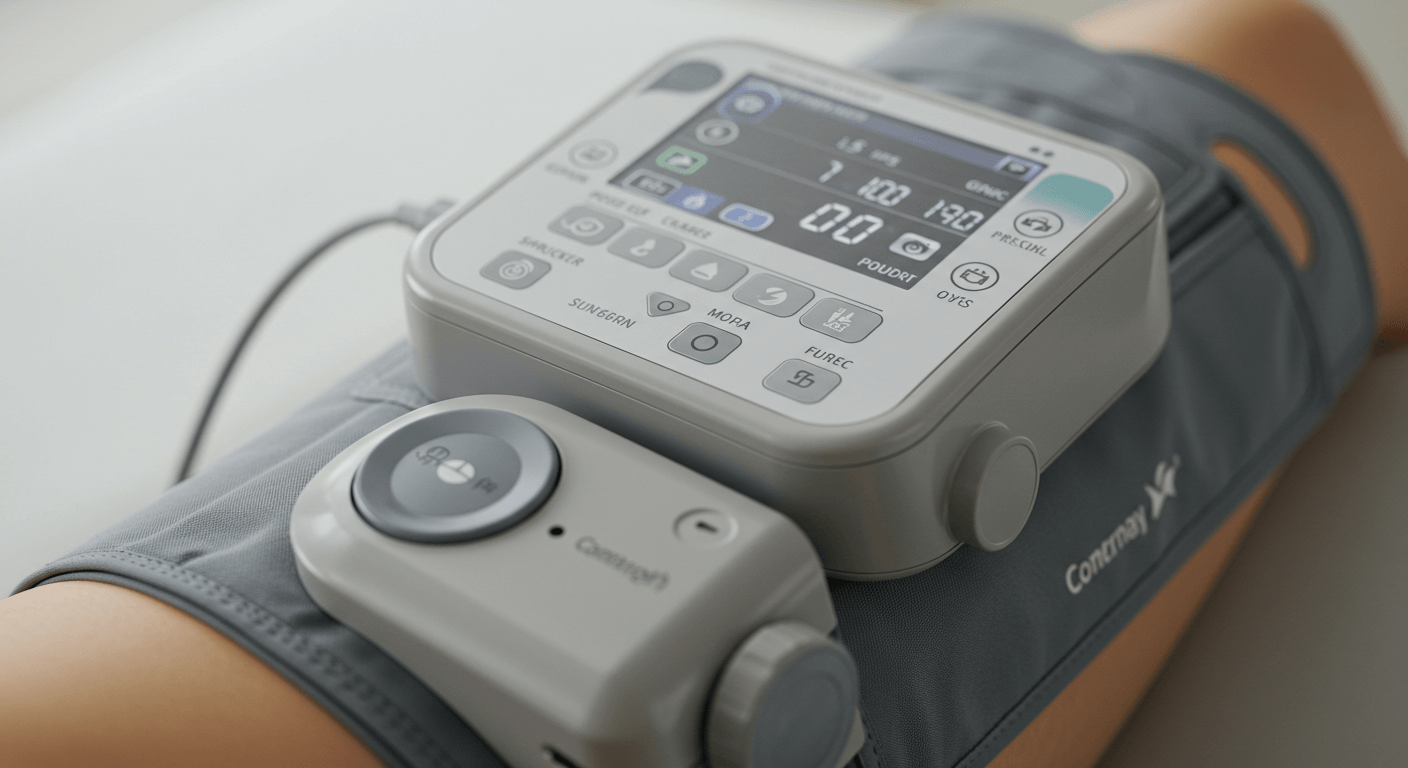
For many users, compression therapy devices provide an effective means of promoting circulation, reducing swelling, and improving recovery. These gadgets can be of great assistance to athletes who are enduring rigorous training, post-operative patients who wish to recuperate more quickly, or sedentary people who want to avoid discomfort. Compression therapy is a desirable addition to many health regimens because of its advantages, which include quicker muscle recovery, reduced inflammation, and pain alleviation.
Compression therapy isn’t appropriate for everyone, though. Without a doctor’s approval, anyone with specific cardiovascular diseases or blood clot concerns should not use these devices. Before beginning compression therapy, speaking with a healthcare provider helps choose the best equipment for individual needs and guarantees safety.
Target areas, compression type, intensity levels, portability, and cost are all important considerations when choosing a compression device. Choosing a gadget that aligns with recovery objectives and lifestyle optimizes advantages and promotes regular use.
All things considered, compression therapy equipment is a non-invasive, drug-free option that promotes quicker healing and enhanced physical health. For individuals who qualify, adding compression therapy to a recuperation regimen can help minimise recovery time, ease pain, and maintain optimal bodily function.