

Many people find it difficult to drink enough water throughout the day in today’s hectic environment, despite the fact that staying adequately hydrated is crucial for preserving energy, focus, and general health. Presenting smart water bottles, which are sophisticated devices made to monitor your water consumption, serve as hydration reminders, and occasionally even connect to fitness applications. According to these devices, staying hydrated will be simpler, more effective, and even somewhat enjoyable.
Numerous functionalities are included with smart water bottles. While some measure your daily water intake and sync with smartphone apps for real-time monitoring, others use LED reminders or notifications to let you know when it’s time to drink. More sophisticated models even have features like temperature control, fitness tracker connection, and activity-level-based tailored hydration objectives.
As smart water bottles gain popularity, people frequently wonder if they’re worth the money. They may be motivating and convenient, but they may also have disadvantages, including increased expenses, upkeep needs, and dependence on technology.
Everything you need to know about smart water bottles is included in this guide. This article will assist you in making an informed choice by outlining their advantages and disadvantages, who stands to gain, and possible alternatives. The first step to a healthier, more hydrated lifestyle is realizing the benefits of smart water bottles, regardless of whether you’re a busy professional, fitness fanatic, or someone trying to improve your hydration habits.
What Are Smart Water Bottles?
Smart water bottles are cutting-edge hydration devices made to monitor your water consumption and promote regular drinking patterns. They are different from conventional bottles in that they have sensors, Bluetooth, and LED indications to track how much water you drink during the day. Additionally, a lot of smart bottles connect to wearable fitness equipment or smartphone apps, enabling users to establish goals, monitor hydration patterns, and get drink reminders.
Smart water bottles come in a variety of varieties. Fitness-focused bottles are popular among athletes since they frequently determine daily water needs based on factors like exercise level, weight, or environment. Convenience and aesthetics may be the main focus of lifestyle-oriented bottles, which may have features like temperature control to maintain drinks’ temperature for hours. Voice reminders, health app connectivity, and customized water recommendations are also features of some more sophisticated versions.
Smart water bottles’ primary benefit is their capacity to make staying hydrated a quantifiable habit. These gadgets help users, particularly those who have trouble drinking enough water each day, stay accountable and encouraged by giving them real-time feedback. They cost more than regular bottles, though, and occasionally need to have their batteries changed or charged.
In conclusion, smart water bottles make constant hydration easier by fusing usefulness and technology. They provide advice, reminders, and information about individual hydration patterns, going beyond basic containers. The first step in determining whether they are worth the price for your lifestyle is to understand what they are and how they operate.
Pros of Smart Water Bottles
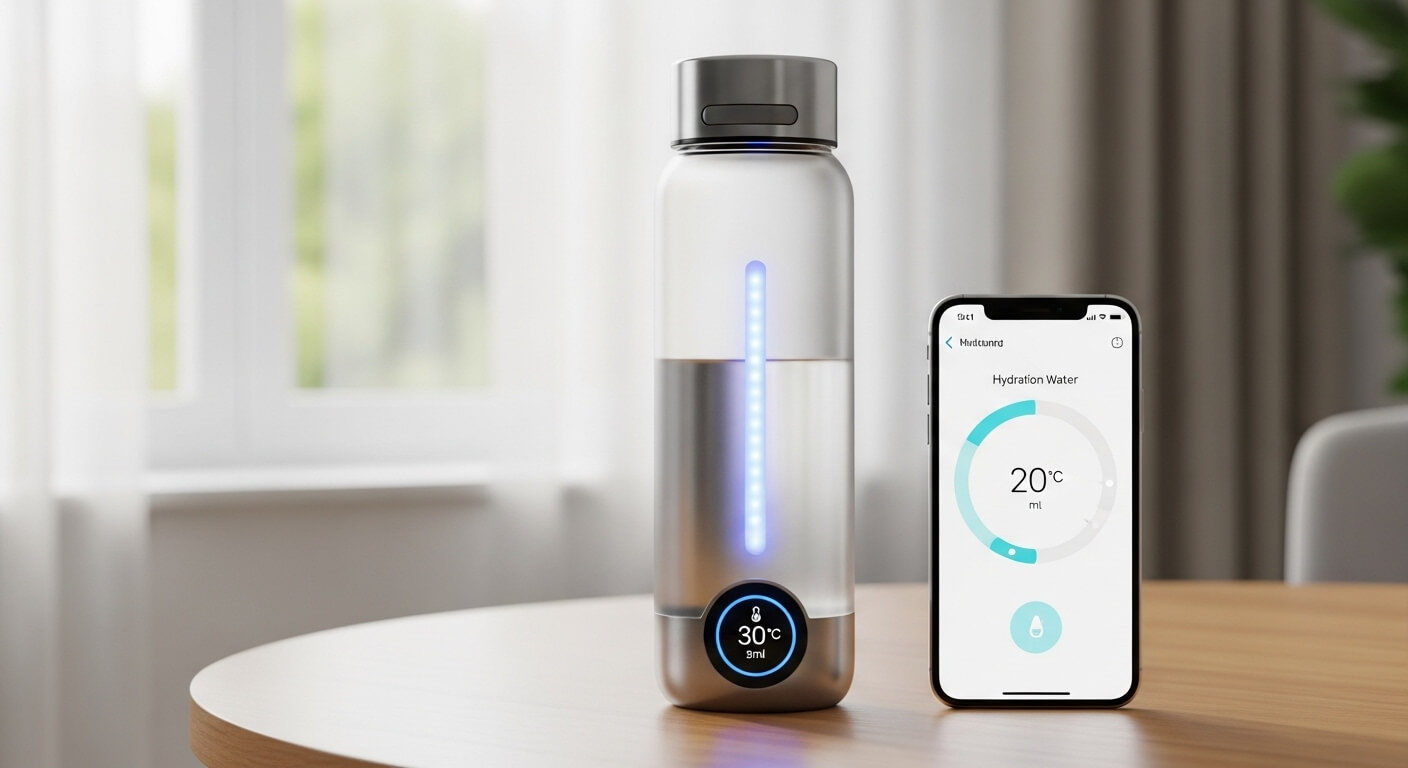
Beyond only being able to store water, smart water bottles have several other benefits. The ability to track hydration is the most noteworthy advantage. These bottles help you keep consistently hydrated throughout the day by tracking your daily intake and reminding you to drink water at regular intervals. This can be a game-changer for people who frequently forget to drink, promoting general health and vitality.
Numerous smart bottles connect to wearable technology or fitness applications, enabling you to observe the relationship between hydration and physical activity, sleep patterns, and general well-being. Actionable insights are provided by this integration, such as the ability to modify water intake in response to environmental factors or physical activity. This feature guarantees the best possible performance and recuperation for sportsmen and fitness lovers.
Temperature maintenance is another important advantage. Some smart water bottles provide convenience for consumers who want their drinks at the perfect temperature at all times by maintaining their temperature for extended periods of time. Furthermore, a lot of bottles offer personalized hydration objectives that adjust to your weight, degree of activity, and climate to make sure you effectively achieve your daily water needs.
Lastly, by making drinking water more interesting and motivating, smart water bottles promote healthier hydration practices. Hydration can become an enjoyable, interactive aspect of your routine with the help of LED indications, app notifications, or gamified tracking.
In conclusion, smart water bottles encourage consistency, convenience, and good health. They make it simpler for everyone to attain adequate hydration and enhance general well-being by monitoring consumption, integrating with technology, maintaining ideal beverage temperatures, and sending out reminders.
Possible Negatives of Smart Water Bottles
Even while smart water bottles have many advantages, there are a few possible disadvantages to take into account before making a purchase. Cost is frequently the primary worry. With prices ranging from $40 to over $100 depending on features, these bottles are substantially more costly than conventional water bottles. The extra cost might not be worth it for people who already have a standard bottle and follow water consumption guidelines.
Battery life and charging needs are other factors to take into account. The sensors, LED indications, and Bluetooth connectivity of many smart bottles are powered by rechargeable or removable batteries. The smart features may become ineffective if batteries are not charged or replaced, thereby turning the bottle into a regular container.
Problems with connectivity can also provide difficulties. For accurate hydration tracking, certain smart bottles need dependable Bluetooth or app integration. You can feel frustrated and less productive if the app doesn’t work or if your phone is incompatible.
Durability and cleanliness can also be issues. Bottles with complex sensors or electronic parts are frequently not dishwasher safe and may be more difficult to clean completely. The electronic components may be compromised by spills or water damage, increasing the likelihood of malfunctions.
Finally, for some people, the novelty element can wear off. Reminders and tracking tools become ineffective without regular use, and long-term improvements in hydration habits may not be possible.
In conclusion, even if smart water bottles have special technological advantages, it is important to carefully consider the possible costs, upkeep, and usability issues. By being aware of these disadvantages, you can decide if a smart water bottle is really worth the investment for your way of life.
Do Smart Water Bottles Work?
By measuring consumption, sending out reminders, and connecting with fitness applications, smart water bottles are made to assist users in staying properly hydrated. However, the issue still stands: do they actually work? According to user experiences and research, these devices can greatly enhance hydration habits for a large number of people.
Behavioral reinforcement is one of the main elements that makes them effective. Consistent water consumption is encouraged by notifications, LED indicators, or app-based reminders, particularly for people who struggle to reach daily hydration targets or forget to drink. This regular practice might eventually turn into a habit, improving general health and vitality.
By offering insights into the relationships between hydration and activity, sleep, and overall wellness, integration with fitness and health apps improves efficacy. Users can create a customized hydration strategy by modifying consumption according to body weight, climate, or exercise intensity.
However, user dedication can affect effectiveness. There might not be noticeable changes for those who disregard alerts or don’t use the tracking tools. Furthermore, although smart water bottles encourage healthy behaviors, they cannot take the place of awareness, lifestyle changes, or a balanced diet.
To sum up, smart water bottles can be quite useful for people looking for organized, data-driven hydration advice. They act as instruments to strengthen wholesome routines, which facilitates the maintenance of regular water consumption. Although user engagement and consistency are key factors in success, many people find that these devices offer a practical, inspiring, and quantifiable method of achieving optimal hydration.
Who Should Consider a Smart Water Bottle?
Although there is no one-size-fits-all solution, smart water bottles can be very helpful for specific demographics. Since these bottles aid in tracking hydration levels—which are essential for performance, recovery, and sustaining energy throughout strenuous workouts—fitness lovers and athletes are ideal candidates. Users may ensure appropriate hydration by tracking water intake in relation to activity levels and calories burnt through connection into fitness applications.
People with demanding schedules and busy professionals might also gain from this. Smart bottles offer periodic reminders to promote continuous hydration throughout the day for people who work long hours or often forget to drink water. These prompts can eventually aid in the development of a permanent habit.
Smart water bottles may be especially helpful for people with certain health difficulties, such as kidney problems, digestive troubles, or the danger of dehydration. Accurate intake tracking guarantees kids securely satisfy their daily water needs.
The additional capabilities, such temperature control, notifications, and integration with wearable or smart home devices, may be appreciated by tech-savvy people who like gadgets and apps. However, there might not be much of an added benefit for people who already follow regular hydration routines or who favor low-maintenance options.
In conclusion, people who require organized hydration support, tech enthusiasts, busy professionals, and athletes benefit the most from smart water bottles. For these populations, smart bottles are a valuable investment for convenience, health, and general well-being because of the reminders, tracking, and customizable capabilities they offer.
Smart Water Bottle Alternatives
Despite the convenience and technologically advanced features that smart water bottles provide, there are a number of efficient substitutes that can help you stay properly hydrated without incurring additional expenses or upkeep.
Using standard reusable water bottles in conjunction with manual tracking is one easy solution. You can keep accountable by, for instance, writing measuring lines on a bottle or using your phone to set hourly reminders. This approach is affordable, long-lasting, and requires little upkeep, so anyone can use it.
Using hydration apps on wearable technology or cellphones is an additional option. Users can record their water intake, set reminders, and follow trends over time with a variety of smartwatches and fitness trackers. Many of the advantages of smart bottles are offered by these apps, but they don’t require a specific gadget.
Another good strategy is to create routines that emphasize staying hydrated. Consistent habits can be formed, for example, by drinking a glass of water after every meal, keeping a refillable bottle with you throughout the day, or scheduling water breaks with routine actions (such getting up from your desk). These practices can gradually increase water intake without the need for technology.
Last but not least, habit-building strategies like goal-setting or gamification—which involves rewarding yourself for achieving daily intake, can support motivation to stay hydrated.
In conclusion, while smart water bottles offer the convenience of technology, manual tracking, applications, routines, and habit-building techniques are also viable options for maintaining regular hydration. Your lifestyle, financial situation, and personal preferences will all play a role in selecting the best approach to keep you properly hydrated without adding needless complexity.
Conclusion
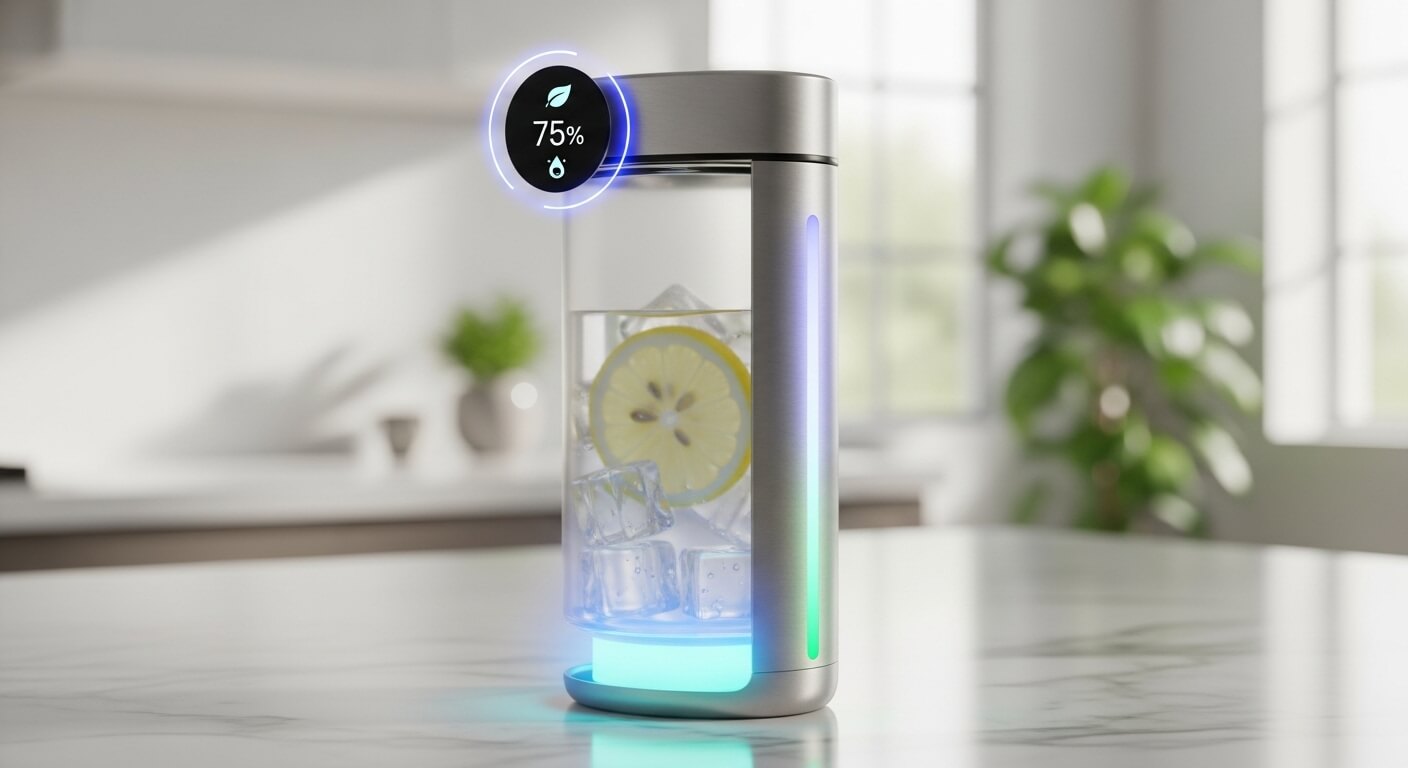
Smart water bottles have become a popular tool for people who want to use convenience and technology to improve their hydration habits. These bottles provide a creative approach to monitor daily water intake with features like temperature control, hydration tracking, reminders, and app integration. Smart bottles can offer tech-savvy people, athletes, and busy professionals organized assistance and encouraging feedback to help them consistently meet their hydration objectives.
Smart water bottles do have certain disadvantages, though. They need to be charged or have their batteries maintained, are frequently more costly than conventional bottles, and can occasionally have problems with connectivity or apps. These devices might not provide much extra benefit for people who are conscientious about drinking water or who want low-maintenance options.
User engagement is a major factor in effectiveness. While those who disregard messages may experience no influence, those who follow reminders, monitor their consumption, and make use of the bottle’s data are more likely to experience noticeable advantages. Practical options that can successfully maintain hydration without the expense or technological upkeep include habit-building exercises, hydration apps, and standard reusable bottles with manual tracking.
In conclusion, for certain people who gain from organized hydration support, reminders, and technology integration, smart water bottles may be worthwhile. In the end, the choice should be determined on your budget, hydration requirements, and personal lifestyle to make sure it fits with your daily routine and health objectives. Consistent water consumption is essential for optimum health, vitality, and general well-being, regardless of whether you select for a sophisticated bottle or a more straightforward approach.