

Recovery technology has become increasingly sophisticated, with professional athletes and serious fitness enthusiasts investing in equipment that promises faster recovery, reduced soreness, and improved performance. Among these recovery tools, boots and leg sleeves designed to enhance circulation and accelerate healing have gained significant popularity. But when researching these devices, you might encounter two different types: air compression boots and vibration therapy boots.
While air compression boots have become a staple in training facilities, physical therapy clinics, and homes of dedicated athletes, vibration therapy boots represent a less common alternative approach. Understanding the fundamental differences between these technologies, their effectiveness, and which one deserves your investment requires looking at the science, real-world performance, and practical considerations.
In this comprehensive guide, we’ll examine both technologies, compare their benefits and limitations, and help you make an informed decision about which recovery system aligns with your needs and goals.
What Are Air Compression Boots?
Air compression boots, also known as pneumatic compression devices or sequential compression boots, use controlled air pressure to massage your legs through a rhythmic inflation and deflation cycle. This technology has medical origins, having been used in hospitals for decades to prevent deep vein thrombosis (DVT) in bedridden patients by maintaining healthy circulation.
The mechanism is elegantly effective. The boots consist of multiple air chambers that inflate in a specific sequence, typically starting at your feet and moving upward toward your thighs. This sequential compression mimics the natural muscle contractions that occur during walking, pushing blood and lymphatic fluid up through your legs toward your core. After the compression cycle completes, the chambers deflate, allowing fresh blood to flow back into the compressed tissues. This cycle repeats throughout your session, usually lasting 20-60 minutes.
A typical air compression system includes the boots themselves (which look like oversized leg sleeves or boots with multiple segments), a control unit with a pump that inflates the chambers, and controls for adjusting pressure intensity and session settings. Higher-end systems offer customizable pressure levels, different compression patterns, and individual zone control.
The technology gained mainstream attention when companies like Normatec (now owned by Hyperice) brought medical-grade compression therapy to the athletic market. Today, brands including Therabody RecoveryAir, Air Relax, Rapid Reboot, and numerous other manufacturers offer compression systems ranging from budget-friendly to professional-grade options.
Athletes use compression boots after intense training sessions, long runs, competitions, or whenever their legs feel fatigued and heavy. The treatment has become so popular that many training facilities, CrossFit gyms, and running stores now offer compression boot sessions as a recovery service.
What Are Vibration Therapy Boots?
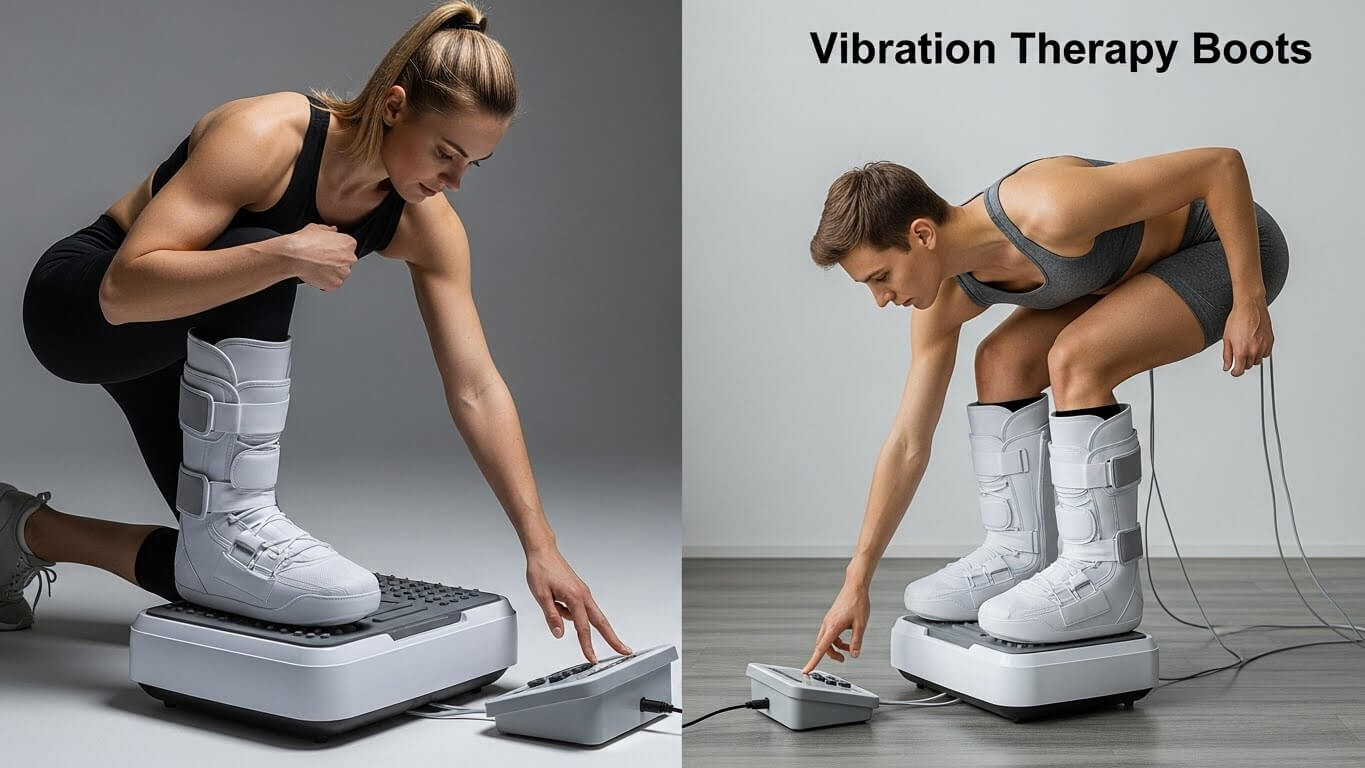
Vibration therapy boots are a less common recovery tool that applies mechanical vibration to your legs rather than pneumatic compression. These devices use motors to create rapid oscillations or vibrations that transmit through your muscle tissue, theoretically providing recovery and therapeutic benefits.
The concept builds on whole-body vibration therapy, which has been studied for various applications including bone density improvement, muscle activation, and circulation enhancement. Vibration therapy platforms, where users stand on a vibrating plate, have been used in fitness and rehabilitation settings for years. Vibration therapy boots attempt to apply similar principles specifically to the legs in a more targeted and convenient format.
These boots typically feature vibration motors embedded in the boot structure, operating at various frequencies (usually measured in Hertz) and amplitudes (the amount of movement). Users wear the boots and select their preferred vibration intensity and pattern. The vibrations are meant to stimulate muscles, improve circulation through mechanical stimulation, and potentially enhance recovery.
However, it’s important to note that vibration therapy boots are significantly less common in the recovery market than compression boots. While compression systems dominate athletic training facilities and have extensive research backing, vibration-specific recovery boots have limited market presence and less robust scientific validation for recovery purposes.
The Core Technology Difference
The fundamental difference between air compression boots and vibration therapy boots lies in their therapeutic mechanisms, and this distinction matters significantly for effectiveness.
Air compression boots work through pneumatic pressure that physically moves fluids through your circulatory and lymphatic systems. The sequential compression creates a peristaltic action—similar to how your intestines move food through your digestive tract—that pushes blood and lymph fluid in a specific direction. This mechanical fluid movement is measurable, predictable, and supported by extensive medical research. The compression literally squeezes metabolic waste products, inflammatory markers, and excess fluid out of your muscle tissue and moves them toward elimination pathways.
Vibration therapy boots work through mechanical oscillation that causes rapid muscle contractions and tissue stimulation. The theory is that these vibrations improve circulation by stimulating blood vessels, activate muscle fibers, and potentially influence neurological responses. However, the mechanism is less direct than physical compression, and the actual fluid movement generated by vibration is more limited and less controlled.
From a physiological standpoint, compression therapy has clear, well-documented effects on venous return (blood flow back to the heart) and lymphatic drainage. Medical literature extensively supports compression for reducing edema, preventing blood clots, and managing various circulatory conditions. The pressure gradient created by sequential compression is a proven method of moving fluid against gravity.
Vibration therapy’s effects are more nuanced and less definitively established for recovery purposes. While whole-body vibration has shown some benefits in specific contexts, the translation of these benefits to localized leg vibration for athletic recovery has less compelling evidence.
Recovery Benefits: Air Compression Boots
Air compression boots offer several well-documented recovery benefits that explain their widespread adoption among athletes and medical professionals.
Improved Circulation and Blood Flow: The sequential compression actively pushes deoxygenated blood back toward your heart and lungs, improving overall circulation. This enhanced blood flow helps deliver fresh oxygen and nutrients to fatigued muscle tissue while removing metabolic waste products like lactic acid. Many users report their legs feeling lighter and more refreshed after sessions.
Lymphatic Drainage: Your lymphatic system doesn’t have a pump like your cardiovascular system does—it relies on muscle contractions and movement to circulate lymph fluid. Compression boots mechanically stimulate lymphatic drainage, helping reduce swelling and remove cellular waste products and inflammatory markers from muscle tissue. This is particularly beneficial after intense exercise that causes inflammation.
Reduced Muscle Soreness and DOMS: Multiple studies have shown that compression therapy can reduce delayed onset muscle soreness (DOMS). While the exact mechanisms aren’t completely understood, the combination of improved circulation, waste removal, and reduced inflammation likely all contribute to decreased soreness in the 24-72 hours following intense exercise.
Decreased Swelling and Inflammation: After long endurance events like marathons, or intense training sessions, legs often swell as inflammatory fluid accumulates in muscle tissue. Compression boots actively reduce this swelling by moving excess fluid out of the affected areas, which can accelerate the recovery process.
Enhanced Recovery Speed: By addressing multiple recovery factors simultaneously—circulation, waste removal, inflammation, and swelling—compression boots can genuinely speed overall recovery. Many athletes report being able to train harder more frequently when incorporating regular compression sessions into their routine.
The scientific support for compression therapy is substantial. Research published in the Journal of Athletic Training, Sports Medicine, and various other peer-reviewed publications has demonstrated benefits for recovery, though the magnitude of effect varies across studies. Professional athletes across virtually every sport incorporate compression therapy into their recovery protocols, from NBA players to Olympic runners to professional cyclists.
Users consistently describe the sensation as deeply relaxing and therapeutic. The rhythmic pressure feels like a massage, and many people find compression sessions so relaxing they fall asleep during treatment.
Recovery Benefits: Vibration Therapy Boots
Vibration therapy boots claim several potential benefits, though the evidence supporting these claims specifically for recovery boots is more limited than for compression systems.
Muscle Activation and Stimulation: Vibration can cause involuntary muscle contractions, potentially activating muscle fibers and improving muscle tone. Some research on whole-body vibration platforms has shown improvements in muscle strength and power when combined with training, though whether localized leg vibration provides similar benefits is less clear.
Circulation Enhancement: Vibration may improve circulation through mechanical stimulation of blood vessels and muscle tissue. The rapid oscillations could theoretically cause micro-contractions that move blood through muscle, though this effect is likely less pronounced than the direct fluid movement created by compression.
Potential Flexibility Benefits: Some whole-body vibration studies have suggested improved flexibility and range of motion, possibly due to reduced muscle tension or neurological effects. Whether vibration boots specifically deliver these benefits requires more targeted research.
Neurological Stimulation: Vibration affects sensory nerves and may influence pain perception through mechanisms similar to massage or other manual therapies. This could potentially provide subjective relief even if objective recovery markers aren’t significantly improved.
The challenge with vibration therapy boots is the limited research specifically validating their effectiveness for athletic recovery. While whole-body vibration therapy has been studied with mixed results for various applications, the extrapolation to recovery-specific boot devices isn’t straightforward. Most vibration research focuses on training applications (using vibration while exercising) rather than passive recovery.
The market for vibration-specific recovery boots is also considerably smaller than for compression boots, which suggests lower demand and potentially reflects less compelling performance or benefits compared to compression alternatives.
Performance Comparison
When directly comparing air compression boots to vibration therapy boots for recovery purposes, air compression systems demonstrate clear advantages in most categories.
Recovery Effectiveness: Air compression boots have substantially more evidence supporting their recovery benefits. Studies consistently show reductions in muscle soreness, improved recovery markers, and enhanced subsequent performance. Vibration therapy boots lack the same level of validation for recovery applications specifically.
Time Required: Both types typically require 20-30 minute sessions, though compression sessions can extend to 60 minutes. The time investment is similar, but the return on that investment differs significantly based on effectiveness.
Immediate Benefits: Users of compression boots typically notice immediate effects—reduced leg heaviness, decreased swelling, improved comfort. Vibration boots may provide pleasant sensations but less obvious immediate impact on recovery markers.
Long-term Benefits: Regular compression boot use appears to support better recovery patterns over time, potentially allowing more consistent high-quality training. Long-term benefits of vibration boots are less documented.
User Comfort and Experience: Compression boots generally receive higher satisfaction ratings. The sensation is more obviously therapeutic, resembling a massage. Vibration can feel pleasant but may also feel unusual or less purposeful to some users.
Versatility: Compression boots effectively address multiple recovery needs—reducing soreness, managing swelling, improving circulation. Vibration boots have a narrower, less proven application.
For specific conditions like post-marathon recovery, daily training recovery from intense sessions, injury rehabilitation requiring circulation improvement, or chronic swelling issues, air compression boots consistently outperform vibration alternatives based on both research and user experiences.
User Experience and Comfort
The subjective experience of using each technology differs notably and affects long-term adherence to recovery protocols.
Air compression boots provide a sensation most users describe as deeply satisfying and massage-like. The sequential inflation feels like strong hands kneading your legs from feet to thighs. The pressure is adjustable, allowing you to find your comfort level. Many users find compression sessions so relaxing they routinely fall asleep or use the time to read, watch TV, or meditate. The clear feeling of pressure and release creates a sense that something therapeutic is happening.
Vibration therapy boots create a buzzing or tingling sensation throughout your legs. Some users find this pleasant and energizing, while others describe it as strange or even mildly uncomfortable. The sensation is less intuitively therapeutic than compression—it doesn’t feel as obviously like a massage or treatment.
Both types allow you to remain relatively still and multitask during sessions. You can use your phone, work on a laptop, or watch television while receiving treatment. However, compression boots arguably create a more spa-like, relaxation-oriented experience that feels like dedicated recovery time.
The learning curve is minimal for both. Compression boots simply require putting them on, zipping them up, and selecting your pressure level. Vibration boots are similarly straightforward. Session duration is comparable, typically 20-30 minutes for optimal benefit.
Price and Value Analysis
Recovery boot pricing varies significantly based on technology, brand, and features, but compression systems generally represent the market standard with clearer value propositions.
Air Compression Boots range from around $200 for basic budget models to $1,000+ for professional systems like the Normatec 3 or Therabody RecoveryAir JetBoots. Quality mid-range options from brands like Air Relax or Rapid Reboot fall in the $400-600 range and provide excellent performance for most users.
Entry-level compression systems around $200-300 typically offer fewer pressure zones, simpler controls, and less durable construction but still deliver the fundamental compression therapy benefits. Mid-range systems ($400-600) add more chamber zones, better control units, more customization options, and more durable materials. Professional systems ($700-1,000+) offer maximum customization, premium materials, advanced features like Bluetooth connectivity and app control, and typically longer warranties.
Vibration Therapy Boots are less standardized in the market, with fewer dedicated options available. Prices vary, but specialized vibration recovery boots may range from $150-500 depending on vibration power, build quality, and features.
From a value perspective, air compression boots represent a better investment for most users seeking recovery benefits. The technology is proven, the benefits are documented, and the devices typically last 3-5+ years with proper care. Calculate cost per use over several years, and the investment becomes quite reasonable for athletes training multiple times per week.
Warranty considerations favor established compression boot manufacturers, with many offering 1-2 year warranties on the control unit and boots. This protection matters given the significant investment.
Portability and Convenience
Both boot types are designed for home use, but portability characteristics differ.
Air compression boots typically include a control unit/pump weighing 3-8 pounds plus the boots themselves weighing 2-4 pounds. Total system weight ranges from 5-12 pounds. The control unit size varies but is generally comparable to a shoebox or small backpack. This makes them reasonably portable—many athletes travel with their compression systems for competitions or training camps. However, they’re not as grab-and-go convenient as a foam roller.
Vibration boots may be slightly more compact if they have integrated motors rather than a separate control unit, but the difference in portability is minimal.
Both require electrical power, though some newer compression systems offer battery-powered options for true portability. Noise levels for compression systems are generally low—a quiet humming from the pump. Vibration boots’ noise depends on motor quality but can range from subtle to moderately noticeable.
Storage requirements are similar. Both types can be stored in a closet or under a bed when not in use. Neither requires significant dedicated space.
Maintenance and Durability
Maintenance demands are reasonable for both technologies, though long-term durability favors quality compression systems.
Air Compression Boots require minimal maintenance. Periodically wiping down the interior with mild disinfectant keeps them hygienic. The boots themselves are the most likely component to wear out, particularly at zippers or connection points, but quality boots often last 3-5+ years. The control unit/pump typically has no user-serviceable parts but should last even longer with proper care. Replacement boots can be purchased separately if needed, extending system life.
Vibration Boots similarly require basic cleaning but have motors that could potentially fail over time. Motor longevity depends on build quality and usage frequency.
Expected lifespan for quality compression systems is 5-7+ years for the control unit and 3-5 years for boots with regular use. This represents hundreds of recovery sessions, making the cost per use quite reasonable.
Common issues with compression boots include zipper failures, connection points wearing out, or occasionally pump malfunctions. Most established brands offer customer service and replacement parts. Repair costs are typically reasonable—replacement boots might cost $100-200, while control unit repairs vary by issue.
Who Should Choose Air Compression Boots?
Air compression boots are the clear choice for several user categories:
Serious Athletes and Endurance Trainers: If you’re training for marathons, triathlons, cycling events, or competing in any sport requiring significant leg work, compression boots provide proven recovery benefits that support consistent high-quality training.
People with Circulation or Lymphatic Issues: Those experiencing leg swelling, poor circulation, or lymphedema can benefit from the medical-grade compression therapy these systems provide. Some people even get prescriptions for compression devices for medical conditions.
Post-Surgery Recovery Patients: After certain surgeries, particularly orthopedic procedures, compression therapy supports recovery by reducing swelling and maintaining healthy circulation.
Anyone Seeking Evidence-Based Recovery: If you want recovery tools backed by substantial research rather than emerging or speculative technologies, compression boots have the evidence base to justify the investment.
Those with Budget for Quality Recovery Equipment: At $400-600 for quality systems, compression boots represent a significant but worthwhile investment for people committed to recovery and performance.
The return on investment becomes clear when you consider reduced soreness, faster recovery between training sessions, better training consistency, and potentially reduced injury risk from adequate recovery.
Who Should Choose Vibration Therapy Boots?
Vibration therapy boots might appeal to more limited use cases:
Those Seeking Alternative Approaches: If you’re interested in exploring different recovery modalities and want to try vibration therapy, these boots offer a way to experiment with the technology specifically for legs.
Users Wanting Muscle Activation: If your goal is more about muscle stimulation than fluid movement and waste removal, vibration may provide different sensations and potential benefits.
People with Specific Contraindications to Compression: Some individuals cannot use compression therapy due to certain circulatory conditions. Vibration might offer an alternative, though medical consultation is essential.
However, for most users seeking recovery benefits, air compression boots represent the superior choice based on evidence, user satisfaction, and market validation.
Top Recommendations
Air Compression Boots
Best Professional System: Normatec 3 (around $899): The industry standard with excellent build quality, customizable zones, precision pressure control, and Bluetooth app connectivity. Trusted by professional athletes across sports. The investment pays off in durability and performance.
Best Mid-Range Option: Air Relax Recovery System (around $450): Exceptional value with good chamber coverage, adjustable pressure levels, and solid build quality. Nearly matches professional systems in performance at a considerably lower price point.
Best Budget Choice: Rapid Reboot Recovery Boots (around $295): Entry into quality compression therapy without breaking the bank. Fewer bells and whistles than premium models, but delivers the fundamental compression benefits effectively.
Vibration Therapy Boots
The market for dedicated vibration therapy recovery boots is limited, with few standalone products available. Most vibration-based recovery tools come in different formats (handheld devices, platform systems) rather than boots specifically. This limited market presence itself suggests lower demand and potentially reflects the less compelling evidence for this approach versus compression therapy.
If interested in vibration therapy, consider whole-body vibration platforms or combining vibration with other proven recovery methods rather than relying solely on vibration boots.
Can You Use Both? Combining Therapies
Some recovery enthusiasts wonder whether combining compression and vibration therapies provides additional benefits beyond either alone.
Currently, there’s no strong evidence that combining both modalities delivers significantly better recovery than compression therapy alone. Given compression boots’ proven effectiveness and the limited evidence for vibration-specific recovery boots, investing in both seems unnecessary for most users.
Your recovery budget is likely better spent on one quality compression system rather than dividing resources between two technologies where one has questionable added value. Alternatively, consider compression boots plus other proven recovery modalities like proper sleep, nutrition, foam rolling, or professional massage therapy.
If you have unlimited budget and enjoy experimenting with recovery technologies, combining approaches won’t harm you, but expect the compression boots to do most of the meaningful recovery work.
Alternatives to Consider
Before investing in any boot system, consider whether other recovery approaches might better suit your needs or budget:
Compression Socks or Sleeves ($20-80): For athletes primarily needing circulation support during activity or travel rather than intensive recovery sessions, compression garments provide benefits at a fraction of the cost.
Manual Massage Therapy ($60-120 per session): Professional massage from a skilled therapist can address specific issues, provide comprehensive recovery benefits, and offer human insight into your recovery needs. Regular massage might cost more over time but provides additional assessment value.
Foam Rolling and Self-Myofascial Release ($15-100): Foam rollers, massage balls, and similar tools allow targeted self-massage. While requiring more effort than passive boot therapy, they’re extremely cost-effective and can complement other recovery methods.
Percussion Therapy Devices ($100-600): Massage guns and percussion devices provide targeted muscle treatment and are highly portable. They complement compression boots nicely by addressing different aspects of recovery.
Professional Recovery Services: Some facilities offer compression boot sessions for $20-40, allowing you to access the technology without purchasing your own system—ideal for occasional users.
Safety Considerations
Both compression and vibration therapies are generally safe for healthy individuals, but important precautions apply:
Contraindications for Compression Therapy: Do not use compression boots if you have acute DVT, severe peripheral arterial disease, congestive heart failure, active infections in the legs, or acute soft tissue injuries. Pregnant women should consult their doctor before use. People with circulatory disorders should seek medical approval.
Contraindications for Vibration Therapy: Avoid vibration if you have acute injuries, recent surgeries, fractures, implanted medical devices (pacemakers), or certain neurological conditions. Pregnancy is typically a contraindication for vibration therapy.
Proper Usage Guidelines: Start with lower pressure/intensity settings and gradually increase as comfortable. Follow manufacturer recommendations for session duration—more isn’t necessarily better. Don’t use compression boots immediately before athletic activity, as the relaxation effect might temporarily reduce performance.
Potential Side Effects: Compression therapy rarely causes issues when used properly, though some people experience temporary skin redness or, if pressure is too high, mild discomfort. Discontinue use if you experience unusual pain, numbness, or other concerning symptoms.
Duration and Frequency: Most compression boot sessions last 20-30 minutes, used 3-7 times per week depending on training intensity. Daily use is safe for most people during heavy training periods.
Conclusion
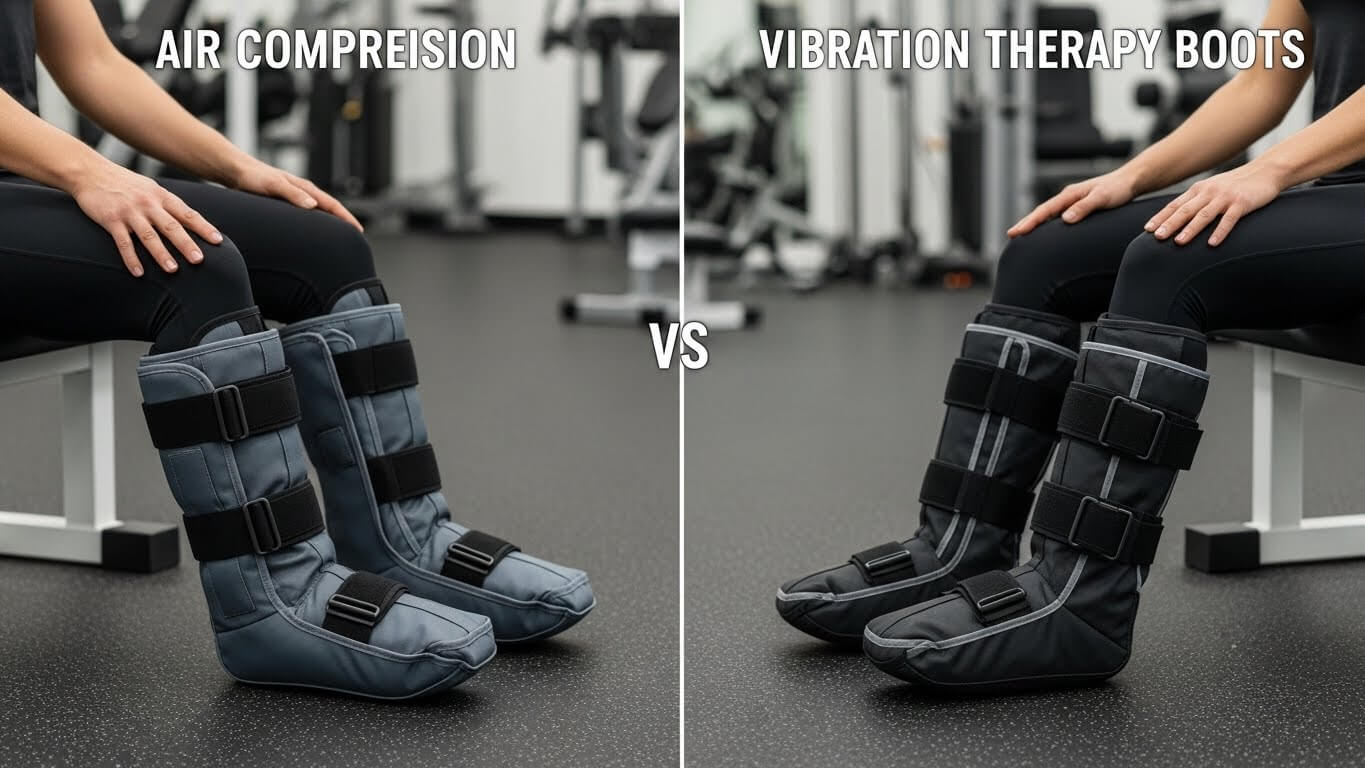
When comparing air compression boots versus vibration therapy boots, the evidence, market presence, and user satisfaction all point decisively toward air compression systems as the superior choice for athletic recovery and circulation enhancement.
Air compression boots deliver proven benefits through well-understood mechanisms—they actively move blood and lymph fluid, reduce swelling, enhance circulation, and help manage muscle soreness through documented physiological effects. The technology has extensive research validation, widespread professional athlete adoption, and consistently positive user experiences.
Vibration therapy boots, while representing an interesting alternative approach, lack the compelling evidence, market presence, and user validation to recommend them over compression systems for most recovery applications. The limited availability of dedicated vibration recovery boots itself suggests the market has validated compression as the more effective technology.
For athletes serious about recovery, people dealing with circulation issues, or anyone wanting evidence-based recovery tools, air compression boots represent a worthwhile investment. Quality mid-range systems around $400-600 deliver excellent performance and durability that will support your training for years.
Choose your compression system based on your budget, training intensity, and feature preferences, but don’t overthink the compression versus vibration decision—compression is the clear winner for leg recovery applications. Your legs—and your future training—will benefit from this proven recovery technology.