

Millions of individuals worldwide suffer from snoring, which is still one of the most bothersome sleep disorders in homes today. Whether it’s a minor annoyance or a nightly struggle with loud, persistent noise, snoring can disrupt restful sleep for both the snorer and those around them. This disturbance may eventually cause weariness, agitation, difficulty concentrating, and even relationship stress. However, snoring is more than simply a nuisance. It may occasionally indicate underlying problems that need to be addressed, such as sleep apnea.
Thankfully, the market for anti-snoring products has developed much beyond simple nasal strips and large gadgets. Recent advancements in sleep technology have led to the development of a variety of anti-snoring devices that address the issue in more intelligent and comfortable ways. The modern approach to snore prevention is more accurate, less intrusive, and increasingly successful. Examples include wearable technology that softly nudges you when snoring begins and smart pillows that change your sleeping posture.
In addition to being comfortable, these devices are made to be long-lasting. To customize sleep enhancement, many use sensors, app integration, and AI-powered tracking. It’s now simpler than ever to locate a solution that meets individual needs, regardless of whether snoring is brought on by back sleeping, tongue posture, or nasal congestion.
This guide examines the top anti-snoring devices on the market today from a practical standpoint. It covers many different kinds of devices, such as mouthpieces, wearable technology, smart sleep aids, and more. Key characteristics, the device’s operation, and the kinds of snorers it works best for are all included in each recommendation. There is probably a device out there made to assist, regardless of whether you have occasional snoring or a more severe case that interferes with your quality of sleep every night.
This roundup provides a beginning point for relief if you’re sick of restless nights, noisy breathing, or being roused by an irate spouse. Discover the newest anti-snoring technology that combines comfort, innovation, and practical results to help you and your partner sleep better and more soundly.
What Causes Snoring?
When air passes through constricted or partially closed channels in the mouth, throat, or nose while you sleep, the surrounding tissues vibrate, which is known as snoring. The recognizable rattling or rumbling sound that is frequently heard at night is caused by these vibrations. Although snoring is widespread and innocuous in mild situations, it can also lower oxygen levels, interfere with sleep cycles, and occasionally be a sign of more serious diseases like obstructive sleep apnea.
The first step in selecting a successful treatment for snoring is determining its underlying cause. Not every snorer is the same, and the problem can be caused by a variety of physical or lifestyle factors. The most effective anti-snoring device targets the underlying cause of snoring.
Nasal congestion or obstruction is one of the most frequent reasons. Allergies, sinus infections, a deviated septum, or just the structure of the nasal passages can cause this. Breathing shifts to the mouth when nasal airways are constrained, which makes snoring more likely. Devices that physically open the nasal passageways to increase airflow, such as sticky nasal strips or nasal dilators, are frequently beneficial for treating nasal snorers.
Mouth snoring, in which a person breathes mostly through their mouth while they sleep, is another prevalent kind. The soft tissues at the back of the throat may collapse and vibrate as a result. In order to promote nasal breathing, chin straps and certain wearable technology act by closing the mouth or shifting the jaw.
Many people snore because their throat muscles relax. The airway may get partially blocked when the tongue and throat muscles relax excessively as you sleep, especially if you’re lying on your back. This is especially true for persons who drink alcohol right before bed or who are overweight. Devices such as tongue retention devices (TRDs) or mandibular advancement devices (MADs) are frequently advised in these situations. To avoid obstructing the airway, these mouthpieces hold the tongue in place or realign the jaw.
Another important issue is how you sleep. Because gravity forces the tongue and soft palate to fall backwards, constricting the airway, people who sleep on their backs are more likely to snore. Positional snorers can greatly reduce their snoring by using smart pillows and wearable positional trainers, which are specifically made to assist users in maintaining side-sleeping positions.
Finally, snoring can be caused by structural characteristics including obesity, a low soft palate, or big tonsils, as well as by aging. More specialized or multipurpose solutions, like smart wearables that monitor sleep patterns and gently stimulate when snoring starts, might be necessary to address these problems.
There is no one-size-fits-all cure for snoring because it has several causes. As a result, a variety of anti-snoring devices are available on the market, each designed to address a distinct underlying problem. Determining the underlying reason for your snoring is vital to selecting the best kind of device.
The Benefits of Anti-Snoring Devices
By treating the underlying physical reasons of snoring, anti-snoring devices aim to lessen or completely eradicate it. These devices focus on particular body parts, such the jaw, tongue, nasal passages, or throat muscles, that can impede the airway. These devices can greatly lessen the vibration of soft tissues that causes snoring by increasing airflow or shifting the body.
Aligning the jaw is one of the most popular methods. Mouthpieces known as Mandibular Advancement Devices (MADs) gradually move the lower jaw forward while you sleep. By keeping the tongue and soft tissues from collapsing into the neck, this forward placement aids in maintaining an unobstructed airway. These gadgets are particularly helpful for those whose snoring is brought on by incorrect jaw alignment or throat muscle relaxation.
Nasal airflow is the focus of another well-liked technique. Adhesive nasal strips and nasal dilators facilitate better breathing via the nose by widening the nasal passageways. Improved nasal breathing leads to less mouth breathing, which lessens snoring. People with allergies that obstruct normal airflow, deviated septums, or nasal congestion usually benefit the most from these remedies.
Tongue stabilisation is used in some anti-snoring devices. In order to keep the tongue from falling back into the throat as you sleep, tongue retaining devices, or TRDs, hold the tongue forward. This lessens the possibility of vibration and maintains the airway clear. TRDs work especially well for persons who snore because of obstructions in their tongues, especially those who sleep on their backs.
Another high-tech remedy that is becoming more and more well-liked is muscle stimulation. Real-time snoring sound detection is possible with smart wearables or patches, which can react by gently vibrating users to assist them to shift postures or modify their breathing without waking them. These devices offer an interactive and adaptable snoring treatment by utilizing sensors, apps, and real-time data.
Additionally, there are positioning gadgets that gently encourage users to change positions when they start snoring, such sleep trainers and smart pillows. These devices support side-sleeping, which naturally opens the airway and lessens snoring episodes, as many people find that resting on their backs exacerbates their snoring.
The main advantage of contemporary anti-snoring devices is that they provide tech-based, non-invasive remedies. In contrast to invasive procedures or heavy machinery, these devices are made to be comfortable and simple to use on a daily basis. Many are portable, lightweight, and require little to no setup when used straight out of the box. Others combine with smartphone apps that monitor sleep quality, snoring habits, and device efficacy over time, facilitating the identification of optimal practices.
Additionally, non-invasive methods offer increased accessibility, reduced dangers, and the freedom to experiment until the ideal answer is found. These cutting-edge devices offer a straightforward and efficient route to calmer, better sleep for anyone seeking a workable solution to snoring without the need for prescription drugs or significant lifestyle adjustments.
2025’s Top Anti-Snoring Devices
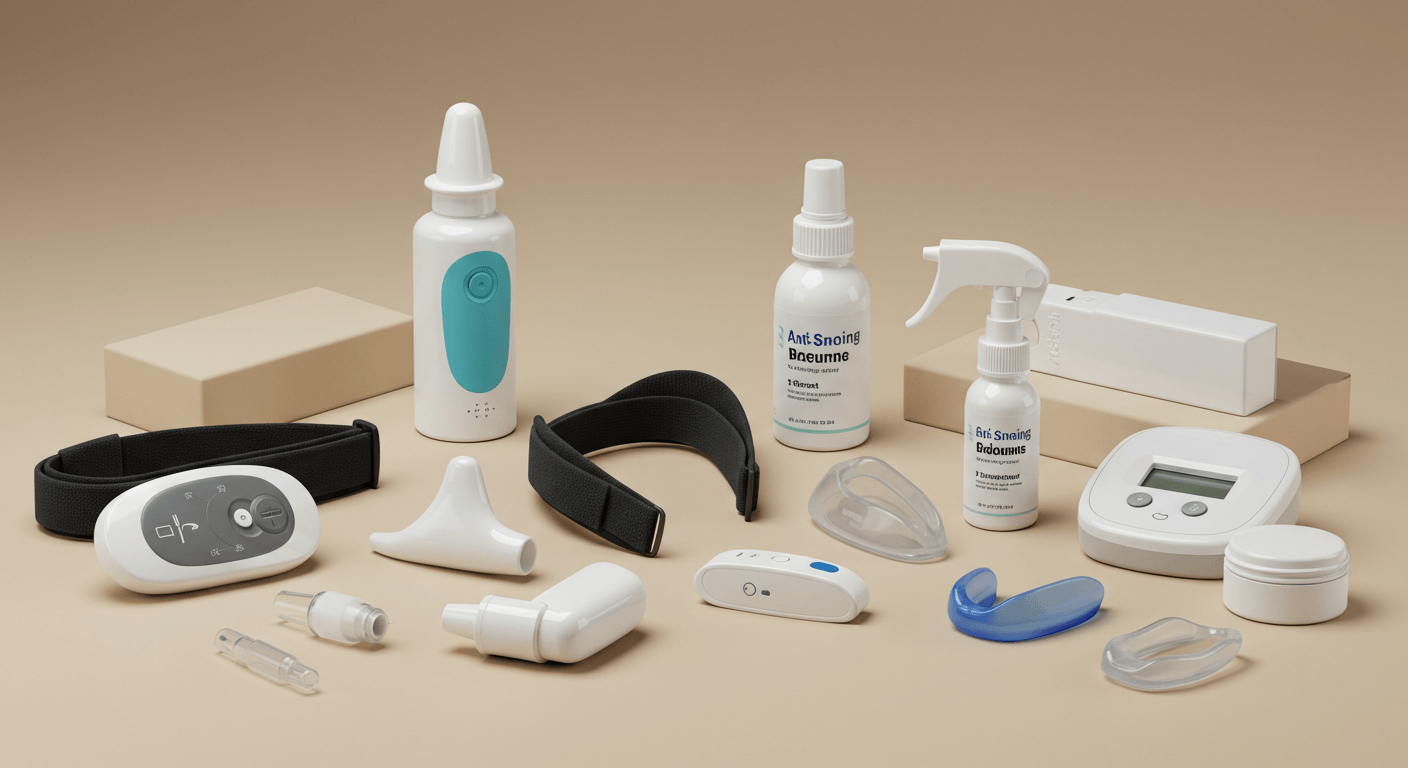
Millions of individuals throughout the world suffer from snoring, and 2025 has seen the introduction of some of the most cutting-edge and approachable devices to address the problem. This useful guide to the greatest anti-snoring gadgets on the market today explains how each one works and who it’s ideal for.
Smart Snore-Tracking Wearables
As discrete, technologically advanced solutions, snore-detecting headbands and wristbands have grown in favour. These wearables are equipped with sensors that pick up vibrations or snoring noises while you’re asleep. The gadget urges the wearer to shift positions, usually from side to back, by sending a little vibration or pulse when snoring is detected. This modification lessens snoring and opens up the airway without disturbing sleep. Numerous of these gadgets are compatible with smartphone apps that provide information about sleep quality and snoring habits. They may not work as well for people with structural or serious airway problems, even though they are non-invasive and perfect for positional snorers.
Anti-Snoring Mouthpieces (MADs and TRDs)
Mouthpieces continue to be one of the best options, particularly for those who snore because of improper jaw alignment or obstruction of the tongue. The lower jaw is gently pushed forward by Mandibular Advancement Devices (MADs) to keep the airway from collapsing. In contrast, Tongue Retaining Devices (TRDs) use mild suction to maintain the tongue forward so it doesn’t slide back into the throat. TRDs are best suited for tongue-related problems, whilst MADs are better suited for users with throat-based snoring. Soft, adjustable MADs are available from recommended companies like ZQuiet, and Good Morning Snore Solution is well-known for its straightforward, efficient TRD design. These mouthpieces are generally comfortable and have been clinically proven, though they may take a few nights to get used to.
Nasal Strips and Dilators
Simple, drug-free remedies like nasal dilators and adhesive strips are ideal for persons whose snoring is brought on by congested or restricted nasal passageways. While nasal strips stick to the exterior of the nose to raise the nostrils a little, internal nasal dilators are carefully placed into the nostrils to widen them. By increasing airflow via the nose, these devices lessen the need to breathe through the mouth, which is a common cause of snoring. They are particularly beneficial for people who have a deviated septum, allergies, or colds. They are a sensible place to start for anyone who is struggling with nasal snoring because they are simple to use, reasonably priced, and comfortable for the majority of users.
Smart Pillows and Positioning Devices
For those who snore more when they sleep on their backs, smart pillows and positioning aids are perfect. In order to encourage side sleeping, these devices gently move the user’s head or upper torso in response to snoring, which is detected by built-in sensors. While some smart pillows offer vibration or auditory cues, others have air chambers that may be inflated or deflated to adjust the user’s position. Customer evaluations highlight how effective and unexpectedly pleasant these devices are. They are a wise long-term investment for positional snorers, despite being more costly than simple aids due to their automated response system.
Anti-Snoring Chin Straps
Chin straps function by keeping the mouth shut when you sleep, which promotes nasal airflow and helps stop mouth breathing. They softly assist the chin to remain in place during the night by wrapping around the head and beneath the jaw. They are therefore particularly helpful for mouth snorers without significant nasal obstructions. Even though they are inexpensive and simple to use, some people could find them uncomfortable or confining, especially if they shift positions a lot while they sleep.
High-Tech CPAP Alternatives
High-tech CPAP options show promise for people with mild obstructive sleep apnea or more persistent snoring. Expiratory Positive Airway Pressure (EPAP) devices help maintain an open airway by gently resisting exhalation. Even more compact than standard CPAP machines, micro-CPAP devices use tiny fans or valves to control airflow. Users who require more than simple anti-snoring medications but wish to forego complete CPAP therapy are usually advised to choose these options. They provide a quieter and more comfortable option, but they might not be appropriate for situations with more severe sleep apnea.
Things to Take Into Account Before Purchasing an Anti-Snoring Device
Selecting the best anti-snoring gadget can be overwhelming due to the abundance of options available. It’s critical to take into account important elements that affect a device’s comfort and effectiveness in order to make an informed choice. Knowing your unique needs is crucial because not every device functions the same for every user. Here are some things to consider before buying.
1. Snorer Type
The first and most important stage is figuring out what kind of snorer you are. Poor sleep position, mouth breathing, tongue blockage, and nasal congestion can all cause snoring. For example, a wearable alert gadget or smart positioning pillow can be useful if you snore primarily when you sleep on your back. Adhesive strips or nasal dilators may help if the obstruction is in the nose. While chin straps may help those who snore through their mouth, a mandibular advancement device (MAD) or tongue retention device (TRD) may be necessary for people who have problems positioning their jaw or tongue. Selecting the best kind of device will be made easier if you know what causes your snoring.
2. Usability and Comfort
Comfort should come first because a product that works well but is uncomfortable won’t be used regularly. The materials, fits, and designs of anti-snoring devices vary greatly. For instance, to avoid irritation, mouthpieces should be composed of soft, medical-grade silicone. Chin straps must to be breathable and adjustable. Nasal dilators need to be snug without making the interior of the nostrils uncomfortable. Look for characteristics like lightweight design, adjustable settings, and easy-to-use controls if you’re thinking about purchasing smart pillows or wearable technology. Equally crucial is ease of use; complicated gadgets that need constant calibration or setup might eventually irritate users, especially those who are new to them.
3. Maintenance and Durability
Device maintenance needs can differ greatly from one another. To avoid bacterial accumulation, mouthpieces should normally be cleaned every day. Some may also need to be boiled or treated with particular solutions. Internal nasal dilators require frequent cleaning, whereas nasal strips are single-use. Wearables and smart devices may require periodic firmware updates through applications or charging. Always find out if new components are available and how long a device should last. A long-lasting device constructed of high-quality materials will endure longer and produce reliable results with less maintenance.
4. Budget Range
Cost is a significant factor, but thankfully, there are affordable anti-snoring devices available in all price levels. Since nasal strips and chin straps are among the least expensive options, they’re ideal for consumers on a tight budget or wishing to experiment with simple fixes. Mouthpieces and nasal dilators are mid-range choices that are reasonably priced and have a longer useful life. Although they cost more, higher-end options like smart pillows, wearables that measure snore, and CPAP substitutes provide more sophisticated functionality and longer-lasting dependability. When weighing costs, always take into account the possible benefits of improved sleep; purchasing a more efficient gadget may result in fewer interruptions and improved health.
Conclusion
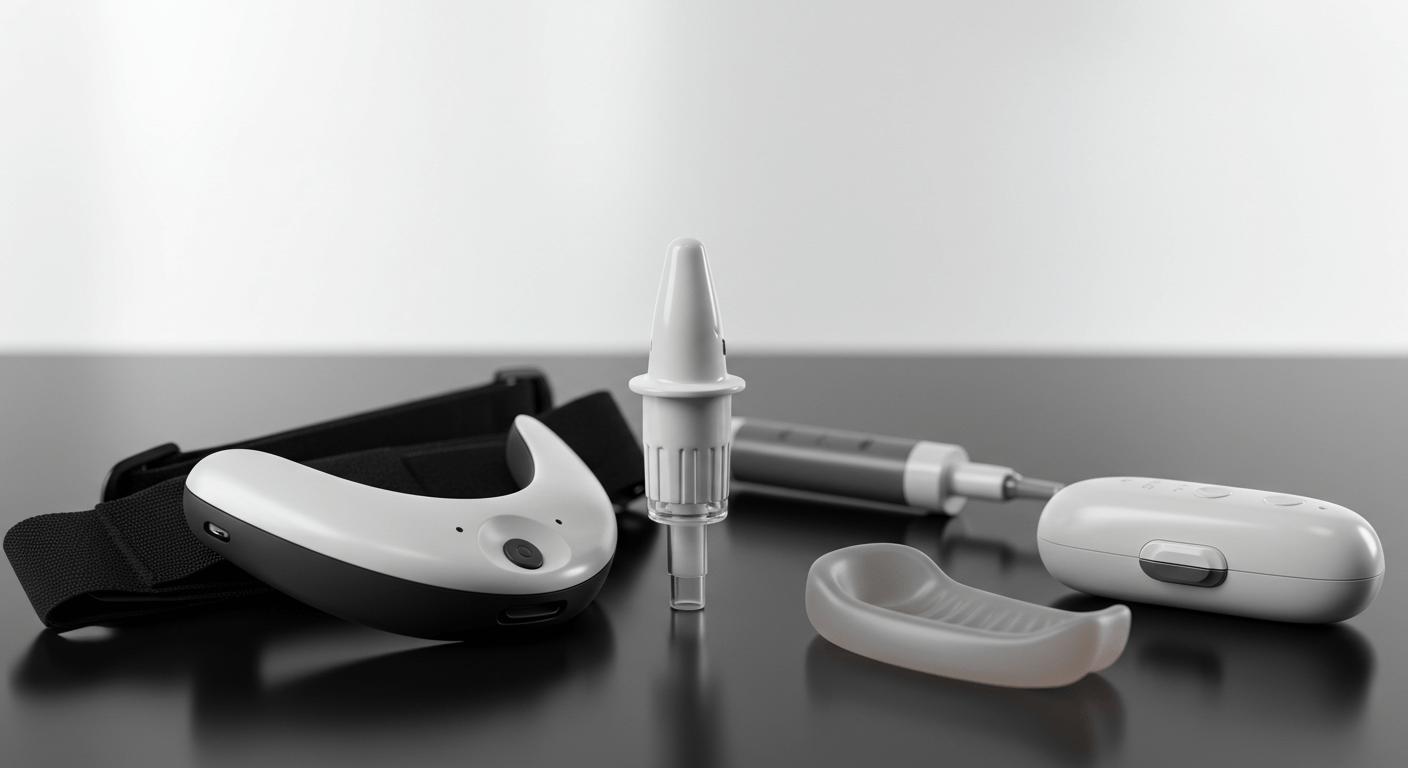
A common issue, snoring impairs not just the quality of one’s own sleep but also that of those around one. Even while it’s frequently written off as a minor annoyance, chronic snoring can be a sign of more serious problems or cause daily exhaustion, agitation, and damaged relationships. Fortunately, there are more options than ever before in the expanding market for anti-snoring devices in 2025, many of which are creative, practical, and customized to fit specific demands.
We’ve looked at how different kinds call for various remedies throughout this article. Chin straps, anti-snoring pillows, and smart wearables all aid in addressing problems with mouth breathing and sleeping posture. Airway blockages brought on by jaw or tongue positioning are addressed by devices such as mandibular advancement devices (MADs) and tongue retention devices (TRDs). In the meantime, dilators and nasal strips provide easy, efficient relief for snorers who have blocked nasal passages.
Every type of device has advantages of its own, and the secret to success is knowing your unique snoring pattern. A smart pillow or wearable that softly encourages side-sleeping could be helpful for someone who only snores while they’re resting on their back. On the other hand, chin straps might work better for mouth snorers, while mouthpieces or other more structural solutions might be necessary for people with jaw or tongue problems.
Functionality is important, but so are comfort and usage. If a device is too uncomfortable to wear all night, it won’t work, regardless of how good it is. It’s crucial to pick a device that fits properly, feels natural, and fits in with your evening routine because of this. Another consideration should be maintenance; certain gadgets need to be cleaned or have parts replaced on a regular basis, while others are made to require little care.
Budgetary considerations are also important. Thankfully, there is something to suit every budget, ranging from inexpensive chin straps and nasal strips to sophisticated micro-CPAPS and wearables with apps. Purchasing the appropriate gadget can result in better sleep and general wellness in addition to saving time and money wasted on trial and error.
The greatest anti-snoring device ultimately depends on lifestyle, personal demands, and the underlying reason for snoring. Although there isn’t a single product that works for everyone, anyone may find one that greatly enhances the quality of their sleep if they have the correct knowledge. Today’s technology makes it easier than ever to properly address snoring, whether it’s a smart device that modifies your sleeping posture or a comfy mouthpiece that clears your airway.
The appropriate remedy is the first step toward better sleep. The road to peaceful, undisturbed sleep becomes clearer if you take the time to determine what type of snorer you are and associate it with an appropriate device. The products listed in this guide are the top anti-snoring devices for 2025, providing you with useful tools to improve your breathing and quality of sleep every night.