

Getting a good night’s sleep is essential for overall health, mood, and daily performance. Many people focus on sleep routines, bedroom environment, or mattress quality when trying to improve rest. The kind of bedding materials used, however, is one element that is sometimes disregarded but has a big influence on the quality of sleep. The comfort and restfulness of your sleep are greatly influenced by the blankets, pillowcases, sheets, and even mattress covers.
Bedding materials impact sleep in several significant ways, such as controlling body temperature, controlling moisture, promoting skin comfort, and preventing allergies. Night sweats, warmth, or discomfort that interferes with sleep cycles might result from bedding that retains heat or breathes poorly. Conversely, clothing that wicks away perspiration and lets air circulate helps keep the body cool and dry as you sleep. This fosters an atmosphere that supports restful, deeper sleep.
The bedding’s feel and texture also affect how easily you fall asleep and how cozy you are all night long. While soft, smooth, and breathable materials can improve comfort and relaxation, rough or abrasive fabrics may irritate skin or make it more difficult to unwind. Selecting hypoallergenic bedding can help those with allergies or sensitive skin sleep better by lowering their exposure to allergens like dust mites and cat dander.
Although many people choose cotton sheets by default, there are many more options available, each with their own advantages and disadvantages, including linen, silk, wool, and synthetic textiles. Making better decisions is aided by knowing how these materials affect the environment and the body. For example, wool provides superior insulation in the winter, while linen’s inherent moisture-wicking and breathability qualities are perfect for warm weather. Synthetic fibres, on the other hand, might be more resilient, but they might retain moisture and heat, which can interfere with sleep.
Although scientific studies and sleep specialists concur that bedding materials help create a sleep-friendly environment, this factor is sometimes overlooked in favour of pillow support or mattress firmness. Your daily sense of rest and renewal can be significantly improved by taking the time to choose bedding that meets your needs and tastes.
This article examines the effects of various bedding materials on sleep quality and provides helpful guidance for selecting bedding that promotes restful, comfortable sleep. The secret to finally getting the restful nights you deserve may lie in realizing the link between what you sleep on and how well you sleep.
How Sleep Quality Affects Overall Health
An essential part of general health and well-being is getting enough sleep. It is essential for mental clarity, emotional equilibrium, and physical recovery. Although many individuals are aware of how important it is to obtain adequate sleep, the quality of that sleep is equally important. Almost all bodily systems can be adversely affected by poor sleep, which can result in a variety of health issues.
The body finds it difficult to carry out vital processes, including tissue repair, muscle growth, and immune system strengthening, when sleep quality is poor. These processes depend on deep sleep periods, especially REM (rapid eye movement) and slow-wave sleep. The body is less able to mend and recover when sleep is disrupted or disturbed because less time is spent in these restorative phases.
Chronic health issues are more likely to occur in people who get poor-quality sleep. These include excessive blood pressure, diabetes, obesity, and heart disease. Hormonal imbalances arise when the body does not get enough comfortable sleep. For instance, the stress hormone cortisol may continue to rise, which could result in inflammation and a compromised immune system. Additionally, getting too little sleep can throw off the hormone balance that controls hunger, which can lead to a rise in unhealthy food desires and weight gain.
When sleep quality deteriorates, mental health also suffers. Anxiety, depression, and other mood problems are closely linked to inadequate sleep. Memory, focus, and decision-making are among the cognitive processes that are compromised, which affect everyday functioning and productivity. Chronic sleep deprivation may eventually raise the risk of neurodegenerative illnesses like Alzheimer’s.
In addition to posing long-term health hazards, inadequate sleep has an impact on day-to-day functioning by resulting in exhaustion, irritation, and decreased motivation. Social relationships, productivity at work, and general quality of life may all suffer as a result. Due to decreased attention and delayed reaction times, sleep disturbances also raise the risk of mishaps and injury.
Therefore, one of the most important steps to better health is improving the quality of sleep. This includes establishing a sleeping environment that encourages comfort and relaxation. The materials used in bedding can have a big impact on the quality of sleep, even though room settings and mattress selection are important. Minimize sleep disturbances and improve general restfulness with bedding that promotes temperature regulation, lowers allergens, and feels cozy against the skin.
Knowing the link between health and sleep quality emphasizes how crucial it is to choose your sleeping environment carefully. Purchasing high-quality bedding is a sensible and efficient method to promote better sleep and, eventually, improved health.
The Role of Bedding in Sleep Comfort
In order to create a cozy and peaceful sleeping environment, bedding is essential. Together, the mattress coverings, blankets, pillowcases, and sheets affect how effectively the body can rest and regulate its temperature during the night. Selecting the appropriate bedding materials is crucial for increasing overall sleep quality and comfort.
Temperature regulation is one of bedding’s main purposes. During sleep, the body naturally cools down, and bedding that is breathable and allows air to circulate helps keep this cooling process going. Uncomfortable materials that retain moisture or trap heat might result in restless evenings and frequent awakenings. Breathable materials, on the other hand, encourage airflow and drain away perspiration, keeping the body cool and dry for longer, restful sleep.
The speed at which the body and mind relax is also influenced by texture. The transition to sleep can be facilitated and relaxation encouraged by bedding that feels smooth and soft on the skin. Fabrics that are rough, stiff, or abrasive might irritate the skin or cause discomfort, which makes it more difficult to fall asleep or stay asleep all night. Softness isn’t the only aspect of comfort; some individuals want their textures soft and cozy, while others like theirs crisp and chilly. The ideal bedding promotes skin health and fits individual tastes.
Allergies and sensitivities can also be impacted by sleeping materials. Dust mites, pet dander, and other allergens that might cause congestion, discomfort, or nightly sneezing are less likely to accumulate in hypoallergenic textiles. A healthy sleeping environment can be achieved by selecting materials that are resistant to allergies and keeping bedding clean.
In the end, bedding plays a critical role in the environment of sleep. It enhances room conditions and mattress support to provide a location where the body can unwind completely. Purchasing high-quality bedding materials that meet your demands can have a big impact on how comfortable you sleep and contribute to restful, quiet evenings.
Common Bedding Materials and Their Properties
The type of bedding you choose can have a big impact on how well you sleep. Every kind of fabric has special qualities that influence durability, comfort, temperature control, and allergy risk. Making educated decisions for a better night’s sleep is made easier when one is aware of these typical bedding materials.
Cotton’s natural texture, softness, and breathability make it one of the most widely used bedding textiles. It facilitates air circulation, which wicks away sweat and helps control body temperature. Additionally, hypoallergenic cotton is appropriate for people with sensitive skin and allergies. Superior cotton, like Egyptian or Pima, is renowned for its silky texture and longevity.
Because of its remarkable ability to wick away moisture and provide cooling, linen is highly valued. Particularly in warmer areas, linen bedding made from flax fibres keeps sleepers dry and cool. Even while linen might seem harsher at first, it gets softer with each wash, making it a lightweight, breathable solution for restful sleep.
Silk provides exceptional temperature regulation and opulent smoothness. Sleepers stay warm in the winter and cool in the summer thanks to their innate ability to regulate body temperature. Silk is a fantastic option for allergy sufferers because it is hypoallergenic and dust mite resistant. Silk bedding, however, is typically more costly and needs sensitive care.
Although synthetic materials like polyester and microfiber are strong and reasonably priced, they have the ability to retain heat and moisture, which could be uncomfortable. These fabrics frequently don’t breathe well, which might cause them to overheat as you sleep.
Natural fibres, such as wool, offer warmth and breathability. Wool bedding is perfect for the winter months since it effectively regulates temperature and wicks away moisture. Dust mites and allergies are also naturally repelled by it. A cozy, healthful sleeping environment catered to each person’s requirements and preferences is ensured by choosing bedding materials based on these qualities.
How Bedding Materials Affect Sleep Quality
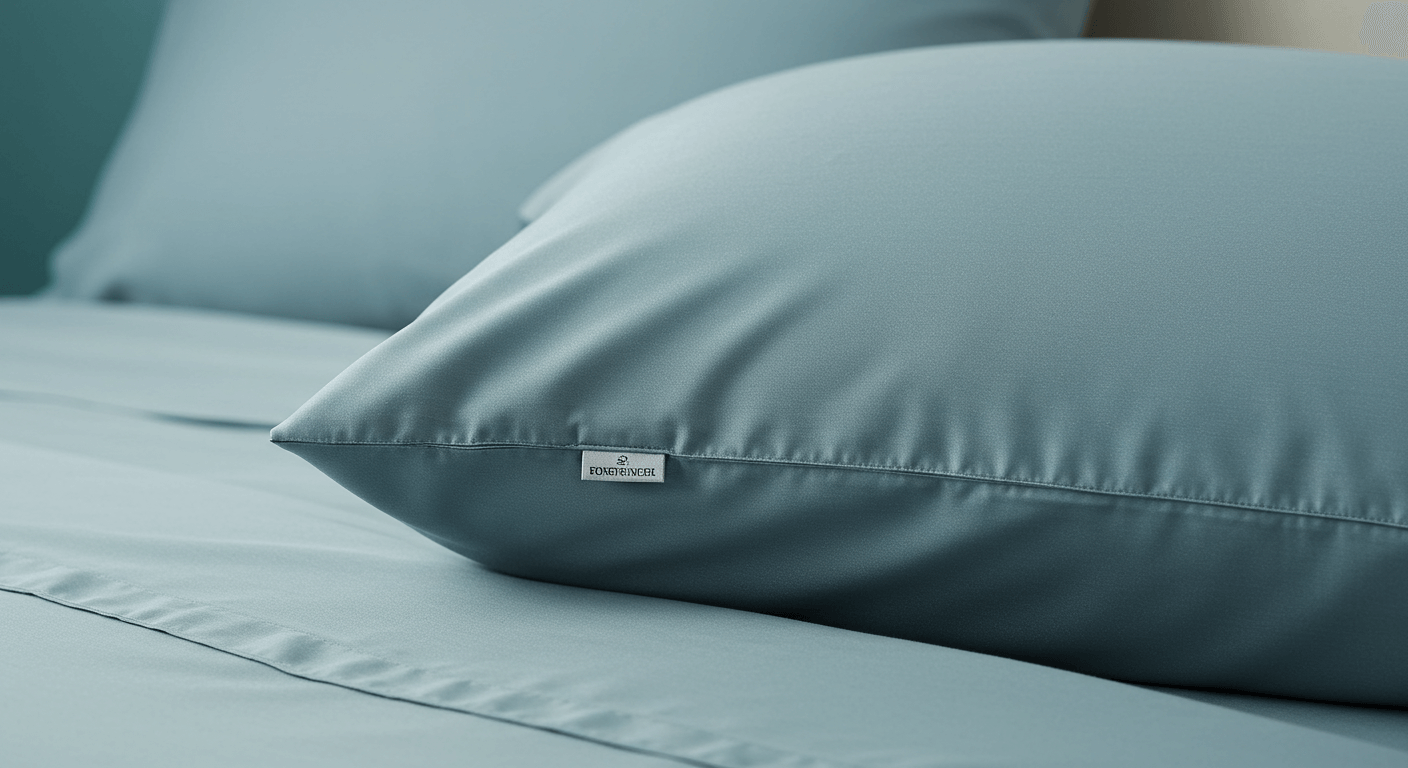
The materials used for bedding have a significant impact on the general quality of sleep. The fabric you choose affects a number of important aspects of your sleep quality, including comfort, moisture management, temperature regulation, and even skin health. Choosing the finest options for deeper, more restorative sleep is made easier when one is aware of how various bedding materials affect these factors.
Temperature regulation is one of the most significant ways that bedding influences the quality of sleep. In order to promote rest, the body’s core temperature naturally decreases as you sleep. By avoiding overheating and night sweats, bedding that breathes properly and wicks moisture away from the skin aids in this process. Breathability and moisture-wicking properties of materials like cotton, linen, and silk are well-known for assisting in the maintenance of the optimal sleeping temperature. On the other hand, synthetic materials like polyester have a tendency to retain moisture and heat, which can cause discomfort, sleepless nights, and frequent awakenings.
Another important factor is skin comfort. Relaxation and a quicker transition to sleep are encouraged by bedding that feels smooth and soft on the skin. Tossing and turning might result from irritation or itching caused by rough or stiff textiles. The soft touch of silk and premium cotton sheets can calm sensitive skin and increase the sense of comfort. Hypoallergenic bedding materials minimize sleep disturbances from sneezing, congestion, or skin sensitivities by reducing exposure to irritants like dust mites and allergens for those with allergies or sensitive skin.
Long-term sleep quality is also impacted by bedding upkeep and durability. Consistent comfort is ensured by materials that withstand washing well, which retain their softness and functionality over time. Rapidly deteriorating fabrics might become scratchy or lose their ability to wick away moisture, which can interfere with sleep.
The thickness and weight of the bedding can affect how comfortable it is to sleep. Lightweight blankets provide better temperature management and air circulation, while heavy, dense blankets can lead to overheating.
Choosing the Right Bedding Material for Better Sleep
Making the correct mattress material choice is essential to getting good, restful sleep. Given the wide variety of fabric alternatives available, it is crucial to comprehend how each one impacts comfort, temperature regulation, and the overall quality of the sleep experience. By attending to your specific demands, the correct bedding not only promotes greater comfort but also healthier sleep.
- Take Climate and Season into Account: Sleep quality is significantly impacted by temperature. Breathable materials like cotton, linen, and bamboo provide superior ventilation and moisture-wicking properties for hot sleepers or warmer locations. By preventing overheating and night sweats, these materials contribute to a more comfortable sleeping environment. Materials like high-thread-count cotton, wool, or flannel retain heat throughout the cooler months while letting the skin breathe. For year-round comfort, make sure your bedding is climate-appropriate.
- Take Allergies and Skin Sensitivity into Account: Bedding should be hypoallergenic and devoid of irritating chemicals for those with allergies or sensitive skin. Natural alternatives like silk, bamboo, and organic cotton are renowned for being soothing on the skin and impervious to mold, mildew, and dust mites. Steer clear of synthetic blends that could trap allergens or contain irritants. Selecting materials with the OEKO-TEX® certification mark guarantees that the fabric is devoid of dangerous elements.
- Consider Texture and Feel: The bedding’s texture has an impact on your ability to fall asleep and stay comfy all night. While some people like the smooth, cold feel of percale-woven cotton, others like the smooth, velvety texture of jersey-knit, sateen, or silk textiles. Selecting a material that feels comfortable on your skin can have a significant impact on the quality of your sleep because touch is personal.
- Analyze Durability and Maintenance: Different bedding materials call for various maintenance practices. Blends of cotton and polyester are typically machine washable and low maintenance. With every wash, linen gets softer, yet it can wrinkle quickly. Silk needs extra careful handling; it frequently needs to be dry cleaned or hand-washed. Better long-term value and constant sleep comfort are offered by long-lasting textiles that hold their softness and structure over time.
- Choose the Right Thread Count and Weave: The thread count has an impact on the bedding’s breathability and suppleness. Although many people think that more threads equal higher quality, this isn’t necessarily the case. Generally speaking, a thread count of 200–400 is optimal for comfort and airflow. Additionally, the weave is important; sateen produces a smoother, silkier finish, while percale delivers a crisp, lightweight feel.
- Match Materials to Sleep Preferences: As every sleeper is unique, materials should be matched to their preferences. While cold sleepers can like fleece or brushed cotton, hot sleepers benefit from cooling materials like linen and Tencel. Temperature-neutral, moisture-wicking materials that adjust well to various postures and motions are ideal for combination sleepers.
- Final Tips for Better Sleep: To keep bedding fresh and avoid allergen accumulation, wash it frequently. To adjust to temperature changes, rotate sheets according to the season and think about layering with breathable blankets. Purchasing premium bedding that meets your demands encourages longer, more restful sleep and promotes long-term sleep health.
Choosing the ideal mattress material is a step toward better sleep, a happier mood, and increased well-being; it’s not just about comfort.
Conclusion
Your mattress and bedtime routine aren’t the only factors that affect the quality of your sleep; the bedding you use each night is the first step. The materials that surround your body have a significant impact on your quality of sleep, from skin sensitivity and comfort to temperature regulation and moisture control. Selecting materials like cotton, linen, or silk that are breathable, hypoallergenic, and kind to your skin might help you sleep better and sleep longer by minimizing disturbances.
The connection between bedding choices and sleep health is still being highlighted by scientific studies. Purchasing materials that suit your individual requirements, such as cooling qualities for hot sleepers or cozy warmth for colder climates, can greatly enhance both your general well-being and the quality of your sleep. Making minor adjustments, such as moving to textiles that are resistant to allergies or moisture-wicking sheets, can have a significant impact.
A healthier sleeping environment is the first step toward improved sleep. Examine your existing bedding, think about how comfortable you are, and select materials that promote uninterrupted, peaceful sleep. With a few well-considered improvements, your bed may become a more restful and soothing area, enabling you to wake up feeling rejuvenated and prepared to face the day.