

Knowing the meaning of your heart rate (HR) and blood oxygen (SpO2) measurements can provide important information about cardiovascular health, respiratory function, and general well-being. More people than ever before have access to real-time health data due to the popularity of wearable fitness trackers, smartwatches, and home-use pulse oximeters. However, understanding how to interpret the data is what really matters; simply having the numbers is only the first step.
The quality of oxygen delivery throughout the body is indicated by blood oxygen levels. An underlying problem, such as poor lung function, sleep difficulties, or circulatory concerns, may be indicated when oxygen saturation falls too low. However, a normal or stable result might provide comfort, particularly when recovering from an illness or travelling at high altitudes. Data on heart rate is equally important. It shows how hard your heart is working both while you’re at rest and when you’re exercising, and it can help you identify trends in stress, fitness, and cardiovascular health.
SpO2 and HR data are continuously shown on many contemporary health monitors, along with charts and patterns that could initially appear overwhelming. Thankfully, there is no need to be perplexed by these figures. Better judgments can be made by knowing how to read and interpret heart rate and blood oxygen data, whether that means modifying exercise regimens, enhancing sleep quality, or determining whether to see a doctor.
Everything you need to understand those numbers is broken down in this guide. Each part aims to help make sense of personal health measurements, from recognizing red signs to comprehending what healthy SpO2 and heart rate ranges look like. The objective is not merely to absorb the data, but to apply it in a way that encourages more intelligent wellness practices and mental tranquility.
These observations hold true whether utilizing a Fitbit, Apple Watch, Garmin, or a specialized medical-grade oximeter. By analyzing your health data, you may find trends, avoid possible problems, and have better informed discussions with your healthcare providers. It’s one of the easiest ways to use the resources you currently have to take charge of your health.
This post contains all you need to know if you’re ready to stop speculating and start learning what your heart rate and blood oxygen levels actually indicate about your health. Let’s begin.
What Is Blood Oxygen (SpO2)?
The percentage of hemoglobin in the bloodstream that is currently carrying oxygen is measured by blood oxygen saturation, or SpO2. Simply said, SpO2 indicates how well the circulatory system transports oxygen to functioning tissues and how well the lungs load that oxygen. The majority of healthy persons sleep in the 95–100% normal SpO2 range. Lower readings could indicate sleep apnea, asthma, chronic obstructive pulmonary illness, pneumonia, shallow breathing, or even straightforward issues like high altitude and misplaced sensors.
SpO2 is sometimes likened to a fuel gauge. Hemoglobin is the cargo space, oxygen is the vital freight, and red blood cells are the trucks. When the gauge drops, fewer trucks are carrying full loads, which means that cells are receiving less oxygenated “fuel.” If the shortage persists, organs are forced to work harder, which may cause headaches, an accelerated heartbeat, and long-term harm if ignored.
Checking blood oxygen saturation is simple with the use of fingertip pulse oximeters and modern wearables. Red and infrared light are emitted through skin by a tiny LED. The amount of light that passes through is measured by a photodetector on the other side. A built-in algorithm transforms the differing ways that oxygenated and deoxygenated blood absorb light into a digital SpO2 percentage. The test typically takes less than ten seconds to complete and is noninvasive and painless.
Two best practices are necessary for accurate SpO2 readings. First, make sure the sensor is comfortable but secure; loose bands interfere with ambient light. Second, if your hands feel cold, let them warm up. This is because low peripheral circulation might cause levels to drop incorrectly. Track trends rather than discrete numbers after the data appears reliable. Keep an eye out for abrupt declines during exercise or sleep, or for long-term drops below 90%. These patterns are early warning signs to seek medical attention.
Knowing blood oxygen saturation gives you practical knowledge about exercise tolerance, respiratory health, general well-being, and sports performance.
What Is Heart Rate (HR)?
The number of heartbeats per minute (BPM) is known as the heart rate (HR). It is among the most fundamental yet significant markers of cardiovascular health. Activity, stress, hydration, and even temperature can all affect heart rate throughout the day. Knowing your heart rate makes it easier to monitor your level of fitness, spot odd trends, and aid in the early identification of possible respiratory or cardiac problems.
The resting heart rate and the activity heart rate are the two most important heart rate measurements to understand. The number of beats per minute during total rest is known as the resting heart rate, and it is typically recorded first thing in the morning. A normal resting heart rate for the majority of healthy persons is between 60 and 100 beats per minute. The resting heart rates of very fit people or trained athletes might be as low as 40 to 60 beats per minute. A persistently elevated resting heart rate could be an indication of stress, dehydration, insufficient physical activity, or underlying medical issues.
Physical activity causes an increase in the active heart rate. Age and level of fitness determine the desired heart rate during exercise, which is normally between 50% and 85% of your maximal heart rate. Subtract your age from 220 to determine your maximal HR. For instance, when working out, a 40-year-old’s goal zone is roughly 90–153 BPM. Maintaining this range helps avoid overexertion and enhances cardiovascular endurance.
Real-time HR measurement is made simple by wearables, smartwatches, finger sensors, and chest straps. The majority of devices provide information on heart rate variability (HRV), heart rate zones, and changes over time. Instead of concentrating on isolated readings, it is beneficial to track long-term trends.
Consult a healthcare professional if your heart rate is abnormally low or high, particularly if it is accompanied by chest pain, dizziness, or shortness of breath. You may take charge of your general well-being, fitness objectives, and heart health by learning to read and understand HR data.
How to Read Your SpO2 and HR Data on a Device
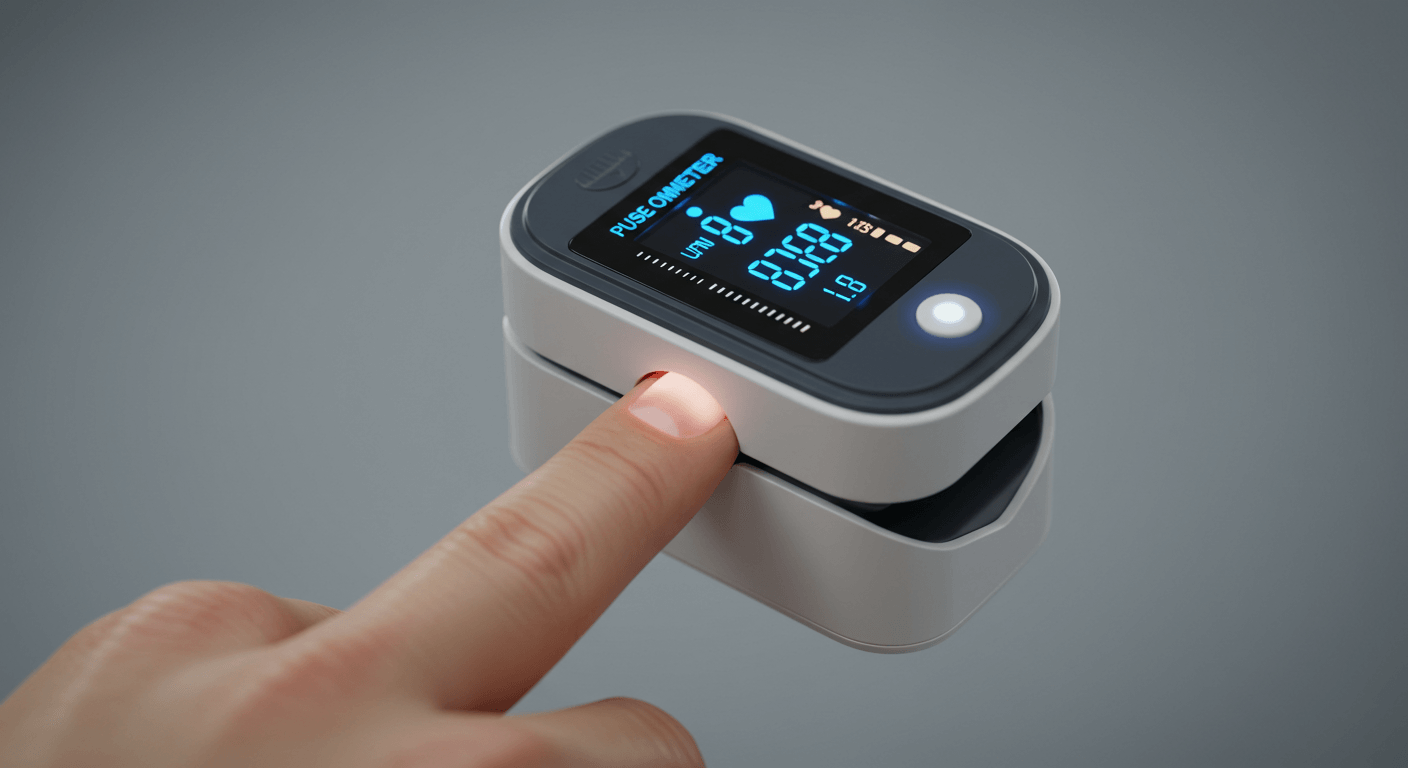
It can be initially perplexing to read SpO2 (blood oxygen) and HR (heart rate) statistics on a gadget, but with a little help, the figures start to make sense. Knowing the meaning of each measurement and how to decipher trends over time is crucial, regardless of whether you’re using a wristwatch, fitness tracker, or pulse oximeter.
The majority of contemporary gadgets show HR in beats per minute (BPM) and SpO2 as a percentage. Your blood’s capacity to carry oxygen is indicated by your SpO2 levels. The normal range for a healthy SpO2 result is 95% to 100%. Although heart rate values vary according to exercise level, humans’ resting heart rates normally range between 60 and 100 BPM. The resting heart rate of athletes or really fit people might be as low as 40–60 BPM.
Go to your wearable’s metrics or health area to view this information. Numerous gadgets offer daily averages, real-time readings, and even trend graphs that illustrate variations over time. “SpO2,” “Oxygen Saturation,” “Heart Rate,” or “Pulse” are specific parts to look for. Devices like as the Apple Watch, Fitbit, Garmin, and Oura Ring typically have overnight readings and notifications for abnormal levels.
Accuracy depends on proper usage. For SpO2:
- Don’t make the sensor too tight.
- When taking a measurement, remain motionless.
- Warm your chilly fingers to increase blood flow.
For heart rate:
- Make sure the skin is in excellent contact.
- Wear the gadget just above your wristbone.
- Steer clear of making frequent changes while monitoring
Don’t let sporadic variations worry you. Rather, concentrate on patterns and consistency. Medical treatment may be necessary if SpO2 measurements fall below 90% on a regular basis, particularly if they are accompanied by symptoms like exhaustion or dyspnea. A heart rate that regularly rises or falls while at rest could possibly indicate a problem that needs to be discussed with a medical professional.
Certain gadgets divide data into zones, such as resting, fat-burning, cardio, and peak, to display how hard your heart is working. Others provide sleep SpO2 averages or heart rate variability (HRV), which provide even additional information about how well your body is functioning.
You can support your exercise objectives, manage stress, or identify health issues early on by routinely monitoring your SpO2 and HR statistics. Utilize the figures as a personal dashboard to gain a better understanding of how your body reacts to rest, exercise, and everyday routines.
What Your Blood Oxygen Levels Might Indicate
The degree to which oxygen is flowing through the body is indicated by blood oxygen levels, or SpO2 on most devices. The normal range for healthy blood oxygen saturation is 95% to 100%. Readings in this range indicate that the heart and lungs are effectively supplying oxygen to the tissues. However, if SpO2 continuously drops below 90%, it may indicate a problem that requires medical care.
Temporary alterations like chilly fingers, shallow breathing, or a loose device sensor can cause low SpO2 readings. On the other hand, chronically low oxygen levels may indicate more serious problems such as sleep apnea, asthma, pneumonia, heart disease, or chronic obstructive pulmonary disease (COPD). These conditions result in decreased oxygen supply to the bloodstream, which can cause exhaustion, dyspnea, chest pain, and mental haze.
Sleep-disordered breathing may also be indicated by a decrease in SpO2 during sleep, particularly if it is accompanied by snoring or frequent awakenings. Nowadays, a lot of wearable technology measures SpO2 at night to help identify these subtle trends. Blood oxygen monitoring helps make sure oxygen levels remain within a healthy range for patients recuperating from illnesses like COVID-19 or respiratory infections.
Without additional oxygen, it is usually impossible to achieve high blood oxygen levels (over 100%) in natural environments. Generally speaking, saturation is at its best when a device displays 100%. However, balance is crucial since too much oxygen in clinical settings can occasionally be detrimental, particularly for people with specific lung diseases.
Monitoring SpO2 on a regular basis aids in establishing baseline awareness and identifying changes early. Even if one odd reading isn’t always a reason for alarm, persistent patterns, particularly when combined with symptoms, should make you speak with a healthcare professional. Making better decisions for respiratory health, recuperation, and long-term wellness is made possible by being able to interpret your blood oxygen data.
What Your Heart Rate Data Might Indicate
Your heart rate information provides important information about your overall fitness, stress levels, and cardiovascular health. Heart rate (HR) is recorded by gadgets like fitness trackers, smartwatches, and chest straps throughout the day. These devices frequently show trends like resting heart rate, maximal HR, and heart rate variability (HRV). By analyzing these trends, one can identify potential health problems, stress, or overexertion before they worsen.
One important health indicator is resting heart rate (RHR). An average adult’s RHR ranges from 60 to 100 beats per minute (BPM). Strong heart efficiency is indicated by a lower RHR, often between 40 and 60 BPM, in athletes or really fit people. A higher RHR may indicate hormone imbalances, stress, illness, dehydration, or even inadequate fitness. It could be necessary to see a healthcare provider if your RHR is continuously raised without a discernible reason.
When you exercise, your heart rate indicates how hard your heart is working. Generally speaking, your goal heart rate zone is between 50% and 85% of your maximal heart rate, which is about equal to 220 minus your age. Maintaining this range enhances endurance without putting undue strain on the heart. An abnormally high resting heart rate or frequent increases over your goal zone could indicate arrhythmia, poor recovery, or cardiovascular strain.
The interval between heartbeats is measured by heart rate variability, or HRV. A low HRV may indicate exhaustion, tension, or overtraining, whereas a greater HRV often indicates a healthy recovery and nervous system balance.
Watch for odd trends, such as tachycardia (heart rate increasing too high) or bradycardia (heart rate falling too low) while at rest. When coupled with symptoms like exhaustion, lightheadedness, or dyspnea, these indicators call for medical attention.
Knowing your heart rate data facilitates better recovery, more intelligent training, and the early detection of possible health issues.
Common Myths and Misconceptions
A number of widespread misconceptions and misunderstandings regarding heart rate (HR) and blood oxygen (SpO2) measurements can cause needless anxiety or obscure important health information. The idea that a single low SpO2 result indicates a problem is a common fallacy. In actuality, chilly fingers, improper sensor positioning, or fleeting breathing shifts can all cause transitory dips. One-time figures are less important than consistent trends.
Another misconception is that a heart rate that deviates from the “normal” range is invariably harmful. While anxiety or caffeine can momentarily increase heart rate without signalling a major problem, athletes often have modest resting heart rates. Knowing your own baseline and identifying notable variations over time are crucial.
Additionally, some users think wearable technology can identify health issues. These resources are useful, but they cannot take the place of clinical testing. They provide helpful information, but only a trained medical professional can understand it in light of your general health.
Lastly, a lot of people believe that higher SpO2 is always preferable. However, under normal circumstances, readings exceeding 100% are not biologically achievable, and certain patients may be harmed by artificially raised levels caused by excessive oxygen usage. Knowing your device’s limitations promotes more intelligent, well-informed health decisions and helps avoid overreactions.
When to Talk to a Doctor
Although wearable technology and health trackers offer useful information on heart rate (HR) and blood oxygen (SpO2), there are situations in which expert medical guidance is required. Low SpO2 values on a regular basis, particularly below 90%, could be a sign of circulation or lung issues. See a doctor right away if you have low SpO2 coupled with symptoms including exhaustion, chest pain, bluish lips or fingertips, or shortness of breath.
Persistent heart rate readings exceeding 100 beats per minute (tachycardia) or below 60 beats per minute (bradycardia), particularly when accompanied by palpitations, dizziness, or fainting, may indicate cardiovascular problems. Unusual rhythms or fluctuating heart rate without obvious physical exertion could also be indicators of arrhythmia or other underlying disorders.
Sleep apnea may be indicated by sleep-related abnormalities in SpO2 and HR, such as recurring reductions in oxygen levels at night or inexplicable spikes in heart rate. Early detection and treatment can be facilitated by sharing this data with a healthcare professional.
See a physician if your equipment continuously displays strange trends or if you feel ill even though the readings are “normal.” Despite being a valuable tool, digital data is simply one aspect of health. Accurate diagnosis and peace of mind are guaranteed by a professional evaluation.
Conclusion
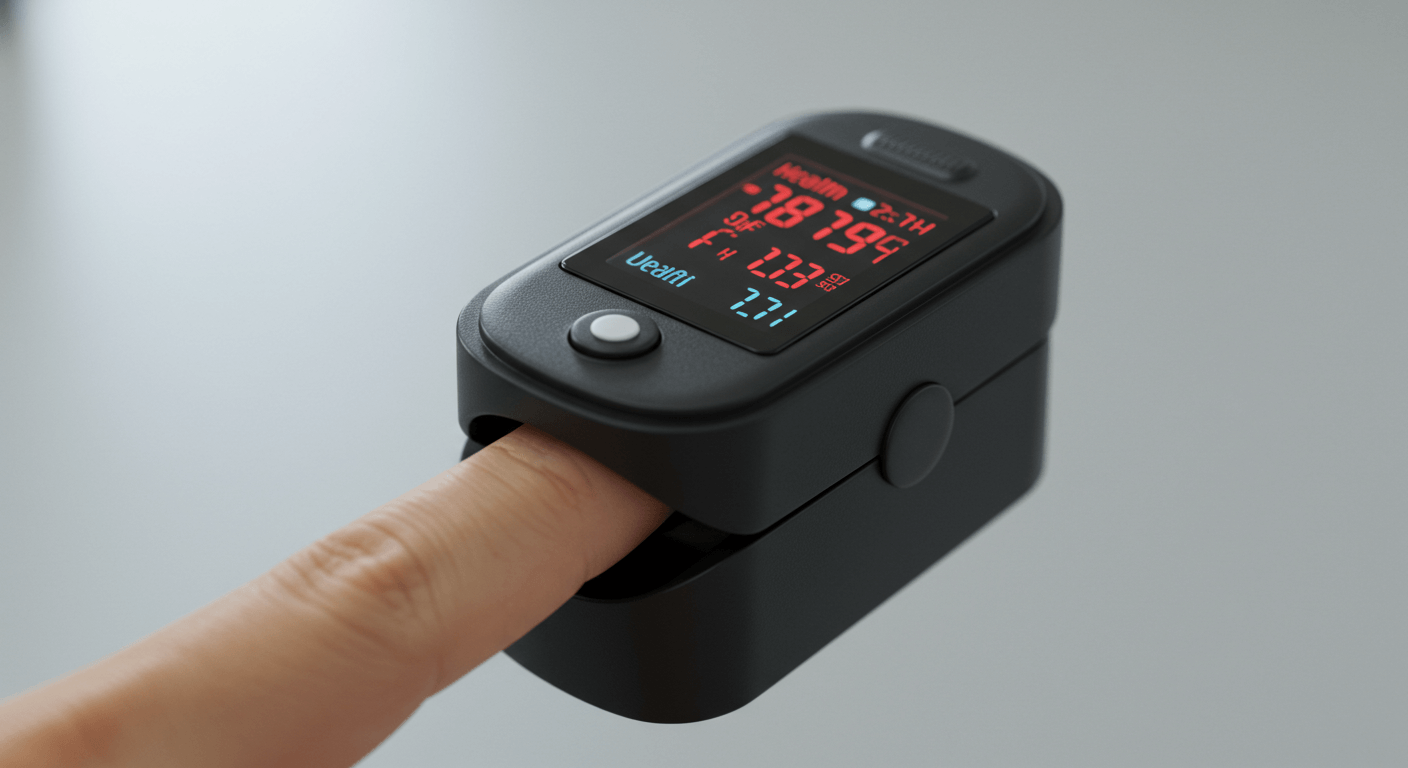
Knowing how to read and analyze your heart rate (HR) and blood oxygen (SpO2) data can turn wearable technology from a basic tracker into an effective health tool. You can better understand your stress levels, physical development, and respiratory and cardiovascular health by understanding what your figures indicate.
Healthy oxygen saturation is generally indicated by consistent SpO2 values between 95% and 100%, and your heart rate trends can reveal how well your body handles daily stressors, activity, and rest. Regularly keeping an eye on this data aids in the early detection of possible problems, particularly when odd patterns or symptoms appear.
Understanding the limitations of wearable technology and concentrating on long-term patterns rather than single measurements is crucial. While occasional variations are common, persistent anomalies should not be disregarded.
When used appropriately, SpO2 and HR data provide a more comprehensive view of the body’s functioning, supporting better choices for overall well-being, recuperation, and fitness. For reliable readings, always adhere to standard practices, and if your data raises any concerns, see a healthcare professional. Instead of diagnosing, use your device as a guide. You’ll feel more empowered to continue taking charge of your health, the better you understand your individual metrics.