

Devices for tracking health have grown in importance as part of daily wellness practices. These devices, which range from glucose monitors, blood pressure cuffs, and smart scales to smartwatches that track heart rate and sleep cycles, offer real-time insights that can support you in maintaining a proactive approach to your health. As more individuals rely on technology for support, it’s critical to understand how to utilize these tools securely and efficiently.
The information these devices provide can be useful to people who are interested in improving their everyday habits, managing chronic diseases, or exercising. Wearing and turning on a health monitoring device is not enough to get the most out of it, though. While careful handling lowers risks and minimizes harm, proper use guarantees accurate results.
The first step is to comprehend how these devices operate. Many rely on sensors that assess movement, pulse, blood oxygen, and other variables. Others allow you to log and examine data over time by connecting to mobile apps. When applied appropriately, these insights can encourage healthy lifestyle choices, help spot trends, and even warn you of possible health issues. However, it’s crucial to keep in mind that these resources are meant to supplement, not to replace, expert medical advice.
In everyday use, safety is also very important. To avoid irritation, devices that have close contact with the skin should be cleaned on a regular basis. Always use the recommended equipment when charging battery-powered monitors to prevent malfunctions or overheating. Balance is essential since relying too much on technology without expert advice can occasionally cause needless stress or result in misinterpretation.
Practical advice for using health monitoring devices safely and effectively will be covered in this guide. You will discover how to properly configure them, obtain precise readings, and apply the information to your daily activities. When used properly, these gadgets can be useful resources that support long-term wellness by educating you, encouraging you to adopt healthier habits, and fostering closer collaboration with medical professionals.
Understanding Health Monitoring Devices
Devices for health monitoring are made to keep tabs on vital bodily processes and offer immediate wellness feedback. These technologies have become increasingly popular because they make it easy to keep an eye on critical health markers without regular visits to a doctor’s office. You can select the best device and make efficient use of it if you know how they operate and the different kinds that are available.
Today, a wide variety of health monitoring technologies are available. Among the most popular are smartwatches and wearable fitness trackers. They track sleep patterns, heart rate, steps, and occasionally even blood oxygen levels. Devices like digital blood pressure monitors, non-invasive glucose monitors, or pulse oximeters offer focused information to people managing particular conditions. Users can track their weight, body fat, and muscle mass with smart scales and body composition analyzers, providing a comprehensive view of their general health.
The majority of these gadgets use sophisticated sensors to gather information. Accelerometers capture movement, bioelectrical impedance analyzes body composition, and optical sensors detect blood flow. After that, the data is shown on the device’s screen or synced with a mobile app, allowing for the study of long-term statistics and patterns. Users can more easily modify their habits or communicate information with healthcare experts thanks to this ongoing monitoring, which helps them identify patterns that might otherwise go overlooked.
The benefits of adopting health monitoring gadgets go beyond convenience. Consistent tracking can help individuals create realistic goals, retain accountability, and stay inspired to make healthier choices. For those managing chronic diseases, these tools provide useful information that assists in greater self-care. They can also function as early warning systems, notifying users when something strange arises in the data.
While these technologies offer substantial advantages, it is vital to use them as supportive tools rather than alternatives for professional medical treatment. Readings can occasionally differ because of location, user mistakes, or technical constraints, and no device can diagnose conditions completely. Safe and efficient use of health monitoring equipment is ensured by knowledge of its boundaries, functions, and purpose.
You may use these gadgets to enhance everyday health practices and make better decisions about which ones match your lifestyle by studying how they operate and what they can actually offer.
Tips for Using Health Monitoring Devices Safely
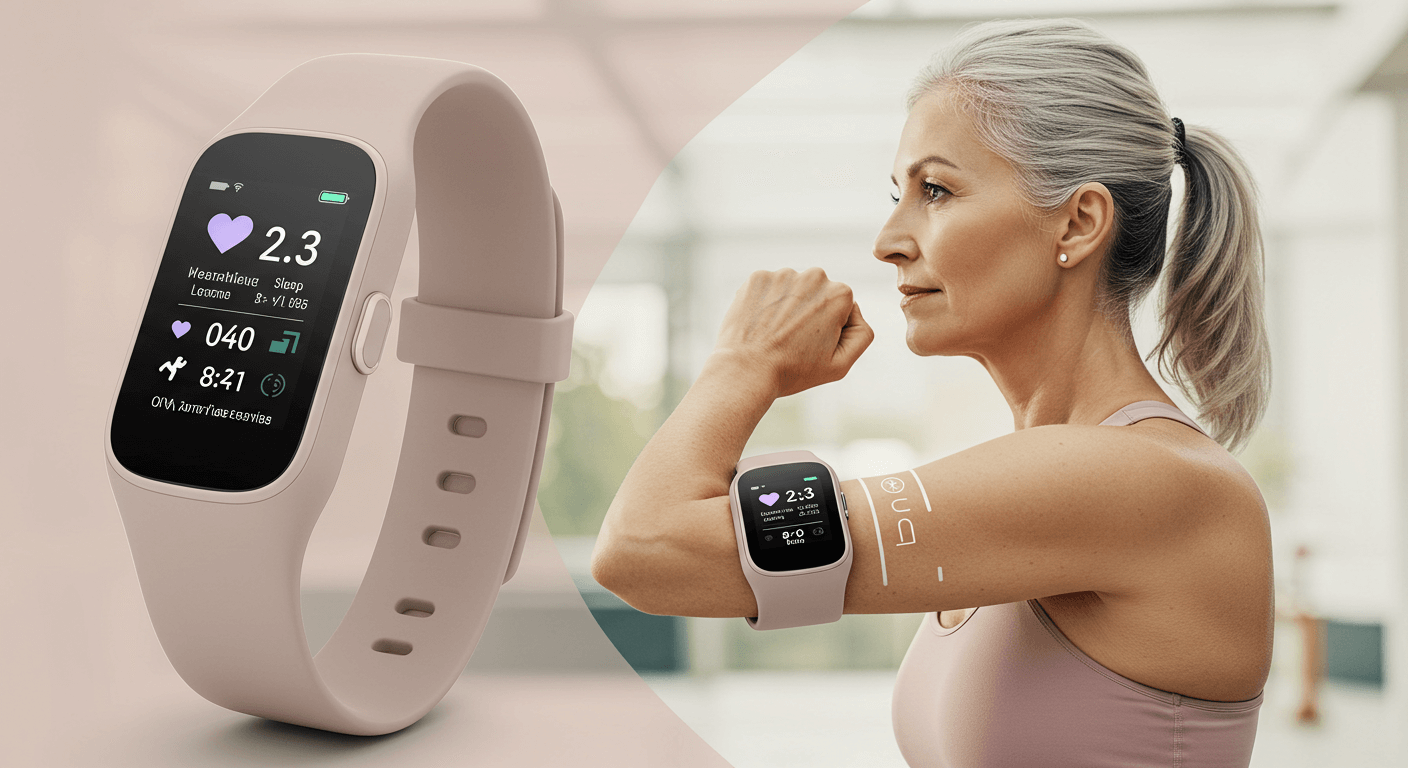
Although health monitoring systems offer important insights into wellness, their proper use is crucial to ensuring long-term dependability and accurate results. By adhering to basic safety precautions, you can optimize the advantages of daily tracking while safeguarding the gadget and your health.
- Correct Configuration and Adjustment: The manufacturer provides detailed instructions for each health monitoring equipment. Accuracy is initially ensured by proper setup and calibration. For instance, a fitness tracker should fit snugly but not too tightly, and a blood pressure monitor should be properly placed on the arm. Ignoring this procedure could result in inaccurate readings, which could give false confidence or cause needless anxiety.
- Cleaning and Maintaining Devices: Regular cleaning is crucial because the majority of gadgets come into direct contact with the skin. To keep oils, sweat, and grime from affecting accuracy, wipe sensors with a gentle, dry, or slightly moist cloth. Steer clear of harsh chemicals since they can harm delicate parts. Wear and tear can also be avoided by keeping the gadget in a cool, dry location.
- Safety of Batteries and Charging: Numerous health monitoring gadgets may be recharged. Always use the charger that the manufacturer recommends to avoid short-circuiting or overheating. Steer clear of charging near water or in very hot conditions. Avoid overcharging since it shortens battery life and could be dangerous.
- Avoiding Over-Reliance on Technology: Although devices are great for monitoring health, they shouldn’t be used in place of expert medical guidance. If odd results emerge frequently, seek medical advice as readings may vary due to technical limits or user mistakes. Over-reliance in the absence of medical advice could cause needless worry or misunderstanding.
- Safe Data Procedures: Apps and data are synced across several devices. Make sure you only use trusted apps and check your privacy settings. Updating the software guarantees the device has the newest security measures and lowers the chance of data leakage.
Health monitoring devices continue to be dependable resources that encourage healthier living choices when these safety precautions are taken. When used, maintained, and balanced properly, the data you collect is reliable, safe, and helpful for your long-term health.
Privacy and Data Security Considerations
Data security and privacy are major concerns since health monitoring devices gather sensitive personal information. The information these devices retain provides comprehensive insights into everyday life and general wellness, including heart rate patterns, sleep cycles, and glucose levels. Protecting this information ensures both safety and peace of mind while using current health technology.
- Understand Data Collection Policies: Read the privacy statement provided by the manufacturer before using any gadget. Numerous devices connect to apps that store information in the cloud. Some businesses might give information to outside parties for product development, advertising, or research. You may choose which device to trust by being aware of the ways in which data is gathered, saved, and shared.
- Make Use of Verified Apps and Trusted Brands: Not every health monitoring gadget provides the same degree of security. Selecting goods from reliable manufacturers raises the possibility of more robust security features. Avoid third-party apps that ask for extra rights and only download companion apps from the official stores. Platforms that have been verified are less likely to expose private information to online attacks.
- Secure Devices With Strong Passwords: Many apps and gadgets need accounts in order to sync data. Use strong, one-of-a-kind passwords to secure access, and if at all possible, turn on two-factor authentication. Hackers can more easily obtain sensitive health information when passwords are weak or frequently used.
- Maintain Software upgrades: To address flaws and enhance security, manufacturers regularly publish upgrades. Protection against emerging threats is ensured by routinely updating mobile apps and device firmware. Hackers can frequently take advantage of flaws in outdated software.
- Restrict Data Sharing: Share health information only with trusted sources or medical professionals. Refrain from giving needless apps complete access to your data or publishing results on unprotected sites. Modify the app and device settings to reduce the quantity of automatically shared personal data.
By paying attention to privacy and data security, health monitoring devices can be utilized properly without exposing personal details to threats. You may take advantage of technology’s advantages while protecting sensitive health information by using it wisely, using secure apps, and exercising caution when sharing information.
Common Misconceptions About Health Monitoring Devices
Many people use health monitoring gadgets to track their well-being, develop better habits, and assist with medical care. Even with their widespread use, a lot of individuals continue to have false beliefs about these gadgets’ capabilities and how they operate. Resolving these misconceptions guarantees the educated, safe, and efficient use of medical technology.
1. Misconception: Devices Can Replace Medical Professionals
The idea that health monitoring technologies can completely replace medical appointments is among the most widespread misconceptions. Even though these technologies offer insightful information, they are not able to independently identify medical issues. Only a medical expert can determine whether abnormal cardiac rhythms detected by a smartwatch are cause for serious concern. Devices should be viewed as supplementary resources rather than as a replacement for professional medical advice.
2. Misconception: Readings Are Always 100% Accurate
No health monitoring gadget produces perfect outcomes. Calibration, mobility, and positioning can all affect accuracy. For instance, improperly positioned cuffs can result in inconsistent readings from blood pressure monitors. Similarly, if worn too loosely, wearable trackers may miscalculate heart rate or steps. Instead of expecting flawless readings every time, users should concentrate on general trends.
3. Misconception: More Features Equal Better Health Outcomes
Numerous features, including oxygen tracking and sleep monitoring, are frequently included in modern systems. Better health results, however, are not always correlated with greater features. A person could just require a few essential features, such as glucose or blood pressure monitoring. Having too many features might cause confusion and make it harder to use consistently.
4. Misconception: Devices Instantly Improve Health
Purchasing a health monitoring gadget does not guarantee improved health. Consistent use, meticulous tracking, and altering one’s lifestyle in response to the facts yield true benefits. Only the user’s effort to increase their daily movement can produce long-lasting advantages, even when a fitness tracker can measure steps. Information is provided by devices, but outcomes must be seen by action.
5. Misconception: All Devices Are the Same
Not all health monitoring equipment provides the same degree of precision, dependability, or quality. Premium gadgets differ from less expensive alternatives in terms of sensor technology, app integration, and longevity. False expectations or disillusionment might result from assuming all gadgets function equally effectively. Better performance and safer use are ensured by reading customer reviews and researching reliable products.
6. Misconception: Data Is Always Private
Another widespread misconception is that any health information gathered by devices is totally confidential. Numerous apps may share data with third parties, and many keep data in the cloud. Sensitive data may be revealed if privacy settings are not set correctly. To protect personal health details, users should take the time to read data rules and turn on security features.
You can utilize health monitoring equipment more skillfully and set reasonable expectations if you are aware of these frequent fallacies. Understanding their advantages and disadvantages guarantees that the information gathered will serve as a useful manual for leading a healthier lifestyle rather than as a cause of misunderstanding or misguided confidence.
Conclusion
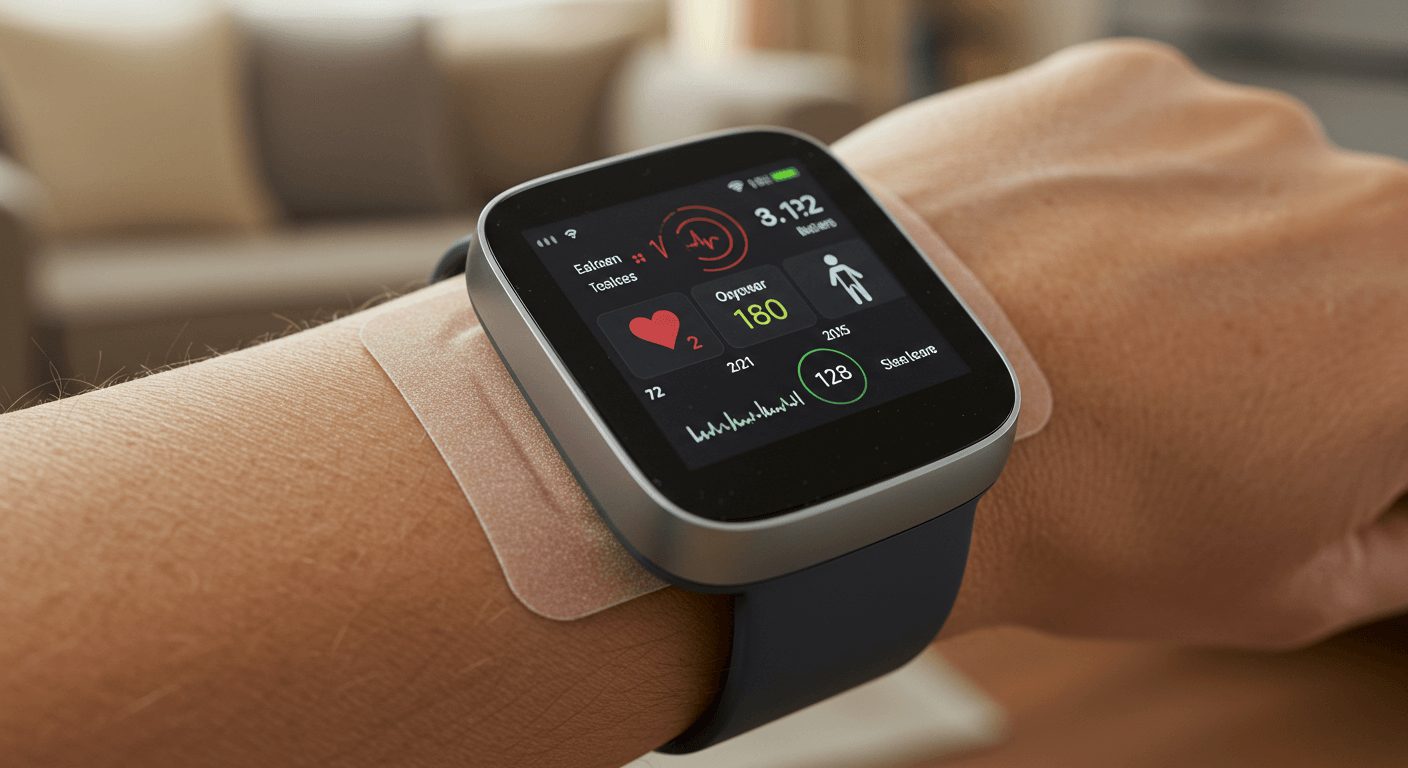
The way people approach everyday wellness has changed as a result of health monitoring technologies. These devices, which range from blood pressure cuffs and glucose monitors to fitness trackers and smartwatches, offer easy access to data that was previously only accessible in a medical environment. When properly applied, they support long-term health objectives, promote healthy habits, and assist in identifying patterns.
However, wearing the gadget alone is not enough for safe and efficient use. Accurate results are influenced by careful hygiene, regular measurement, and proper setup. The insights obtained are guaranteed to be trustworthy and useful when device data is paired with expert medical advice. Data security and privacy must continue to be top priorities. Just as crucial as gathering the data is safeguarding private health information with secure apps, strong passwords, and cautious sharing procedures.
You may optimize the advantages while lowering the dangers by being aware of how these devices operate, avoiding frequent misunderstandings, and adhering to best practices. In order to achieve better long-term results, health monitoring gadgets should be seen as beneficial partners in a wellness journey, tools that encourage lifestyle changes, empower educated decision-making, and promote cooperation with medical specialists.