

Pets are members of the family, not just friends. They are susceptible to stress, worry, and restlessness, which can affect their general well-being, much like people. Triggers, like as thunderstorms or extended periods of time spent alone at home, can cause a pet to become agitated and exhibit behaviors like pacing, whining, scratching, or even destructive gnawing. Calm pet beds have become more and more well-liked in recent years as an easy-to-use yet powerful method of promoting relaxation and lowering stress.
However, what distinguishes these beds from standard mats or cushions? The science of security and comfort holds the key to the solution. Specific features that promote relaxation are incorporated into the design of calming pet beds, such as orthopedic padding that relieves joint pressure, raised edges that evoke a sense of security, and plush materials that replicate the warmth of fur.
Animals feel more protected when certain design features appeal to their innate impulses, such as nesting and denning activities. Calming beds function by offering mild pressure and a safe haven that lowers anxiety levels in pets, much like weighted blankets are known to alleviate stress in people.
Beyond comfort, the science underlying these beds focuses on meeting both emotional and physical demands. According to research on sensory settings, animals react favorably to areas that are supportive, have soft textures, and are consistently warm. These elements can promote deeper sleep, reduce cortisol levels, and elevate mood. Calming beds can be a significant component of a comprehensive approach to pet wellness, even though they are not a panacea.
This article will examine the studies on soothing pet beds, emphasize its special qualities, and discuss how they help pets feel less stressed. Knowing how these beds operate will help you select the best one and make your home a more tranquil place, whether you’re a cat or dog owner.
The Science of Security and Comfort
Pets are drawn to environments that feel secure, confined, and nurturing. This instinct, which is sometimes called nesting in cats or denning behavior in dogs, comes from the wild ancestors of domestic animals, who needed safe, protected places to rest and hide. Designing peaceful places that work requires an understanding of this tendency.
How Calming Beds Work
Calming pet beds relieve tension and encourage relaxation by utilizing a number of scientific principles:
- Raised or enclosed edge: A sense of security and a reduction in tension are provided by surrounding rims that resemble a den’s walls. Pets relax more quickly because they feel shielded from outside stimulation.
- Soft, Plush Materials: Fur-like textiles or plush cushioning on beds promote tactile comfort. This texture calms anxiety and makes a comfortable, welcoming place to sleep.
- Pressure Therapy: The mild pressure of cuddling against the edges of a bed can help control stress hormones and soothe the nervous system, much like the effects of weighted blankets on people.
- Supportive Foam :Orthopedic or memory foam decreases pressure on joints, enabling restful sleep, especially for older or arthritic pets.
Research indicates that providing animals with environments that are both physically comfortable and psychologically secure can lower cortisol levels, lower heart rates, and enhance their general well-being. A well-designed, relaxing bed combines these characteristics to give a quiet haven where pets can recover from daily pressures.
By offering a predictable, comfortable resting environment, relaxing pet beds allow pets to self-soothe, which is vital for lowering chronic anxiety and boosting mental health. These beds become a haven for many pets, serving as more than just a cushion.
Key Features of Calming Pet Beds
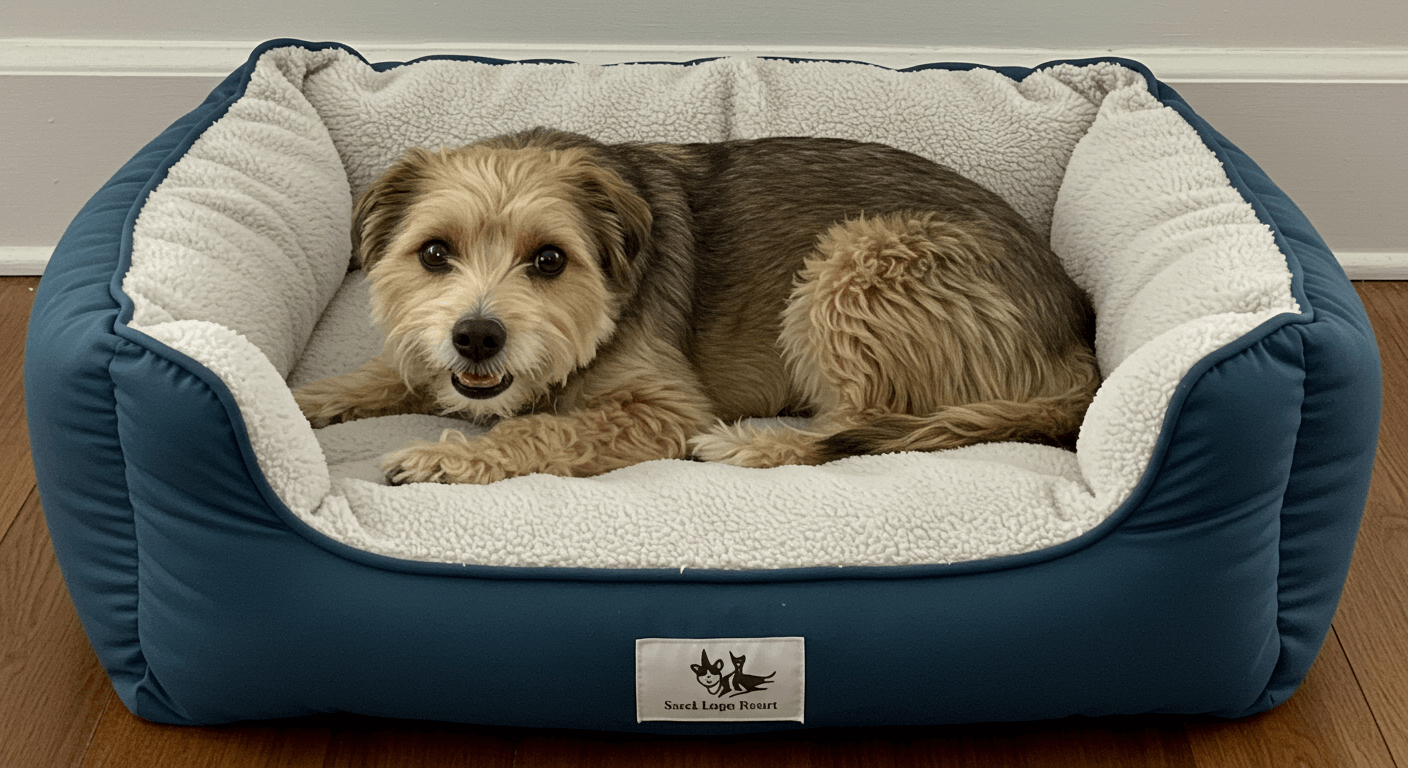
The degree of stress relief offered by pet beds varies. Certain characteristics of calming pet beds are intended to make pets feel safe, at ease, and content. Pet owners can select the ideal bed for their furry friends by being aware of these characteristics.
1. Elevated rims or supports
Raised-edge beds resemble a natural den and offer a sense of security. Pets can curl up against the sides or place their heads on the bolsters to feel protected from external stimuli.
2. Cozy, Soft Materials
Anxiety-reducing tactile comfort is provided by fur-like textiles or incredibly soft linings. Pets are encouraged to relax in and sleep deeper and more soundly because to the velvety texture.
3. Memory foam or orthopedic foam
Supportive foam cushions relieve pressure on joints, which is particularly beneficial for older pets or those with arthritis. A bed that decreases physical discomfort helps pets to relax entirely.
4. Heat Retention
Many relaxing beds retain body heat, providing warmth and comfort. This increased warmth can be extremely reassuring for tense or anxious pets, akin to the relaxing effect of a cuddly blanket.
5. Enclosed or Cave-Like Designs
Some pets enjoy entirely enclosed areas, such hooded or cave-style beds. These designs offer extra security for shy or nervous pets, giving them a private retreat within the home.
6. Durable, Easy-to-Clean Materials
A relaxing bed should be both comfy and useful. Removable covers, machine-washable fabrics, and durable construction make it easier to maintain hygiene while keeping the bed inviting for pets.
By combining these features, calming pet beds address both physical and emotional needs, creating a sanctuary where pets can self-soothe, reduce stress, and enjoy restful sleep.
Tips on Selecting a Relaxing Pet Bed
Your pet will be as comfortable and stress-free as possible if you choose the correct relaxing pet bed. When selecting a bed, keep the following important elements in mind:
1. Dimensions and Form
- Make sure your pet can comfortably stretch out on the bed, but it should also be warm enough for them to curl up.
- Take into account your pet’s preferred sleeping arrangement; cats might want enclosed or cave-style beds, while dogs that like to curl up would prefer round or oval beds.
2. Material Quality
- Anxiety is reduced by the tactile comfort of soft, velvety textiles.
- Sturdy materials resist frequent use, gnawing, and scratches.
- Cleaning is made easier with machine-washable, detachable covers.
3. Assistance and Cushioning
- For elderly or arthritic pets, memory foam or orthopedic foam pillows ease joint pressure.
- Pets might feel more secure and have support for their heads and necks in beds with higher bolsters.
4. Temperature and Warmth
- In colder climates, heat-retaining textiles can provide an additional degree of comfort.
- For pets who like enclosed areas, cave-style or hooded beds offer a comfortable haven.
5. Maintenance Ease
- Select beds made of easily cleaned materials or with detachable coverings.
- To provide your pet with a clean environment, look for beds that are resistant to stains and odor accumulation.
6. Setting and Context
- Pets can unwind without interruptions if the bed is placed in a peaceful, low-traffic area.
- Make sure the placement suits your pet’s innate inclinations, such as corners for safety or sunny areas for warmth.
By taking these things into account, pet owners may choose a soothing bed that promotes mental health in addition to comfort, making their animals feel secure, at ease, and stress-free.
Conclusion
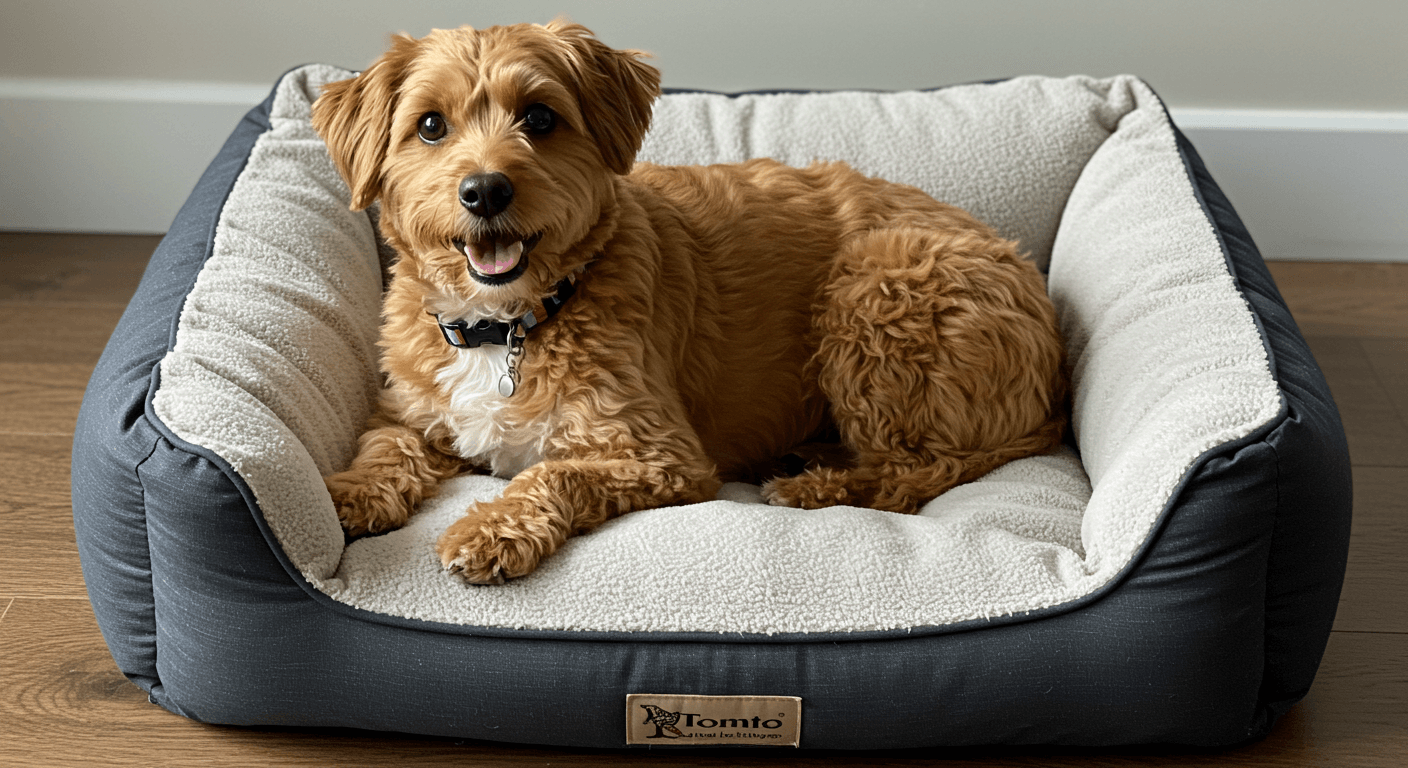
More than just a comfortable place to sleep, calming pet beds are scientifically proven ways to help pets feel less stressed and anxious. These beds give pets a sense of security, relaxation, and emotional equilibrium by simulating normal denning activity, delivering tactile comfort, and applying little pressure.
A comprehensive approach to pet wellness is created by integrating beds with regular routines, mental stimulation, exercise, and other relaxing techniques, even though beds by themselves cannot address all sources of stress. The usefulness of soothing beds in reducing stress, promoting better sleep, and raising pets’ general quality of life is supported by both research and anecdotal data.
To choose a soothing pet bed that suits your pet’s individual demands, take into account aspects like size, shape, material, cushioning, warmth, and simplicity of upkeep. Giving your pet a secure, cozy haven allows them to self-soothe, recuperate from everyday stressors, and lead a happier, healthier life at home.
With the use of supportive behavioral and environmental techniques and a high-quality soothing bed, pet owners may take proactive measures to control their pets’ anxiety and improve their emotional health. In the end, a careful approach to stress management improves the relationship between pets and their owners and fosters a calm, harmonious family life.