

From managing work, finances, and leisure to maintaining relationships with loved ones, smartphones have become an indispensable aspect of modern life. However, there is a continuous discussion about whether prolonged exposure to mobile phone radiation is harmful to one’s health. Products that promise to reduce potential harm have proliferated as a result of worries about radiofrequency (RF) radiation and electromagnetic fields (EMF). Anti-radiation phone cases are one of these that have drawn a lot of interest.
These cases are promoted as remedies that lessen or stop the radiation that cellphones generate, giving consumers who are concerned about the consequences of prolonged exposure piece of mind. Businesses frequently draw attention to characteristics like radiation deflection, EMF shielding, or unique materials made to reduce the body’s absorption of radiation. The assurance of additional protection against hidden hazards is comforting to many customers.
The question still stands, though: do these anti-radiation scenarios truly produce quantifiable advantages? Manufacturers claim to be beneficial, but scientific studies have produced conflicting findings, making many people question if it is really worth their money to invest in such a case. Some contend that psychological comfort—rather than demonstrated physical protection—is the true advantage.
The definition of anti-radiation phone cases, their intended use, their claimed functionality, and whether or not they offer more value than a standard case are all covered in this article. You may better determine if these circumstances are worth your attention—or whether other doable actions can offer just as much or even more peace of mind—by balancing the advantages, disadvantages, and available options.
Why Do People Worry About Phone Radiation?
Because smartphones transmit radiofrequency (RF) energy, a form of electromagnetic field (EMF), there is concern about phone radiation. Your phone uses radio frequency (RF) signals to connect to neighboring cell towers each time you make a call, send a message, or browse the internet. Although these emissions fall under the category of non-ionizing radiation, which means they don’t have the energy to directly harm DNA like UV or X-rays do, their continuous presence has sparked concerns about potential long-term health repercussions.
According to the International Agency for Research on Cancer (IARC) and the World Health Organization (WHO), radiofrequency radiation is “possibly carcinogenic to humans.” This classification emphasizes the need for more research but does not prove that cell phone radiation causes cancer. Heavy, prolonged phone use may be linked to higher risks of brain tumors, headaches, sleep disorders, and lower sperm quality, according to some studies. Even if the results are inconclusive, they contribute to ongoing discussions and consumer anxiety.
The amount of time individuals spend on their phones these days is another cause for concern. Smartphones, which are frequently carried close to the body, are now used continuously for communication, work, and leisure, unlike ten years before. Because children’s developing bodies may absorb radiation differently, parents are much more concerned.
Public distrust persists even though the majority of regulatory agencies, such as the Federal Communications Commission (FCC) and the U.S. Food and Drug Administration (FDA), assert that the available data does not demonstrate significant health hazards at typical exposure levels. Many people would rather take preventative actions, such investing in anti-radiation phone cases, restricting conversation duration, or using hands-free gadgets. The uncertainty around phone radiation is more concerning than the known risks. Because of this uncertainty, protection solutions that are promoted as an additional degree of security have become more popular.
How Do Phone Cases That Block Radiation Work?
The primary goal of anti-radiation phone cases is to lessen the quantity of electromagnetic radiation that enters your body while you use a smartphone. These cases use unique shielding materials that interact with the radiofrequency (RF) signals emitted by phones, such as conductive textiles, metallic foils, or carbon fiber layers, in contrast to regular cases that merely provide protection against scratches or drops.
The fundamental idea is shielding. These cases are designed to absorb, block, or reroute electromagnetic waves by forming a barrier between your body and the phone. When making a call, for example, a flap on some wallet-style cases covers the side of the screen. The insulated flap faces your head when it is held against your ear, which should lessen the radiation that is absorbed. Some include integrated panels that are supposed to function constantly, even when the phone is in your pocket.
Additionally, some manufacturers claim that their designs don’t affect your phone’s network connectivity. The purpose of the cases is to divert radiation away from the body while preserving communication with mobile towers, as opposed to completely blocking signals, which would render a phone useless.
However, there might be a wide range in these designs’ efficacy. The shielding material must be positioned correctly; otherwise, the case’s protective potential may be diminished. Results from independent experiments have been conflicting; some solutions give quantifiable exposure reductions, while others show minimal change when compared to a typical scenario.To put it briefly, anti-radiation phone cases lower radiation exposure by forming a physical barrier. Although the idea is tempting, the case’s real amount of protection may vary greatly depending on its brand, design, and usage frequency.
Do Anti-Radiation Phone Covers Work?
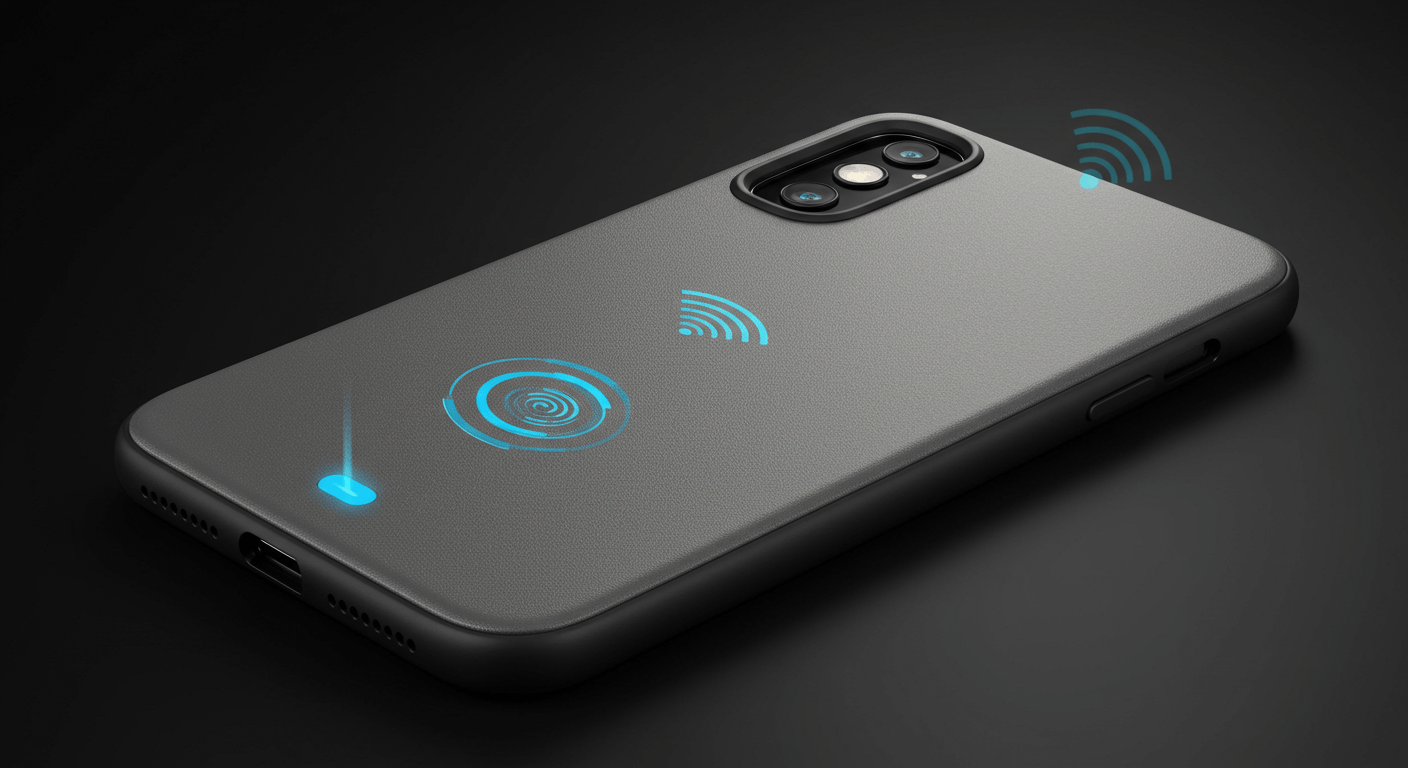
Certain shielding materials have shown a detectable decrease in radiofrequency (RF) emissions aimed at the body in controlled settings. For instance, when the phone is held near the head, cases with strategically positioned shielding panels or metallic fibers can block or deflect some radiation. Users might feel more at ease as a result.
There are restrictions, though. For many of these products to function well, proper usage is essential. Protection may be limited if the case is poorly built or the shielding flap is not positioned correctly during a call. Furthermore, some experts contend that lowering radiation in one direction may result in the phone using more power to keep a solid connection, thereby negating the advantages.
The absence of standardized testing presents another difficulty. Anti-radiation phone cases are not as tightly regulated as medical products, thus producers are free to advertise claims without reliable scientific evidence. Researchers and health groups have been skeptical as a result, pointing out that there is now insufficient information to definitively demonstrate that these situations offer meaningful protection.
The main concern with anti-radiation phone cases is their effectiveness. Although protecting against electromagnetic radiation seems like a good idea, the results aren’t always obvious. Although independent research and consumer testing have yielded conflicting results, some manufacturers assert that their cases can lower exposure levels by as much as 90%.
In the end, although certain instances might lessen exposure in particular circumstances, overall efficacy varies widely and is largely influenced by usage and design. Rather than assured physical protection, psychological reassurance might be the biggest advantage for many users.
Pros of Using Anti-Radiation Phone Cases
Anti-radiation phone cases certainly have a number of potential advantages that make them appealing to many users, despite continuous discussions on their efficacy. Peace of mind is the first benefit. These situations give those who are worried about prolonged exposure to electromagnetic radiation a sense of control. Knowing that there might be some reduction in exposure might reduce anxiety and promote healthier phone practices, even if scientific evidence is inconclusive.
The fact that these cases frequently have two uses is an additional advantage. They continue to serve as typical protective cases in addition to their radiation-shielding claims. This implies that consumers can have both possible health protection and phone safety in a single device, eliminating the need to choose between the two. For added convenience, some companies also pair EMF shielding with other practical features, such as card compartments that block RFID signals.
Additionally, some designs might offer directional shielding, which is useful for those who carry their phones near their bodies, like in a pocket or against their ears. These situations may reduce localized exposure by diverting emissions away from the body. Variety and style are also advantages. Numerous anti-radiation phone cases are available in sleek, contemporary styles that are equally as appealing as regular cases. This implies that customers don’t have to give up style for utility.
Finally, these incidents may raise awareness. Just buying one emphasizes how crucial it is to consider radiation exposure and phone use. To further lower possible risks, this may encourage users to adopt other safe practices like utilizing a loudspeaker or setting time limits for calls. eople who are concerned about their health find anti-radiation phone covers appealing since they provide useful device protection, psychological comfort, and possible health benefits.
Cons of Using Anti-Radiation Phone Cases
Although anti-radiation phone cases are attractive, there are a number of disadvantages to be aware of before making a purchase.
The absence of definitive scientific evidence is the biggest drawback. Many experts contend that the evidence is conflicting, despite the fact that some tests indicate a decrease in radiation exposure. According to regulatory agencies such as the FDA and FCC, cell phones presently function within acceptable exposure limits. The perceived benefit of anti-radiation cases may be more psychological than physical, and it is unclear whether they offer significant protection.
The possibility of decreased phone performance is an additional drawback. The signal strength of a device may occasionally be affected by shielding materials intended to filter or reroute radiation. In order to retain a connection, the phone may adjust by boosting its output power, which paradoxically may increase rather than decrease overall radiation levels. As a result, users can also notice slower reception or a quicker drain of their battery.
Another factor to consider is cost. Generally speaking, anti-radiation phone cases are more costly than standard cases and frequently don’t provide any demonstrable benefits. Customers on a tight budget might not think this extra cost is warranted.
A false sense of security is another problem. utilizing a case alone could cause users to overlook other easy, tried-and-true methods of minimizing exposure, such utilizing a speakerphone or keeping the phone away from the body. Healthy habits could be undermined by an overconfidence in the case’s protective capabilities.
Lastly, because the market for these goods is uncontrolled, not all brands can be trusted. Some people might make inflated claims or market cases that offer negligible or no protection.
In summary, although anti-radiation phone cases seem promising, they are by no means a foolproof solution due to their limitations.
Conclusion
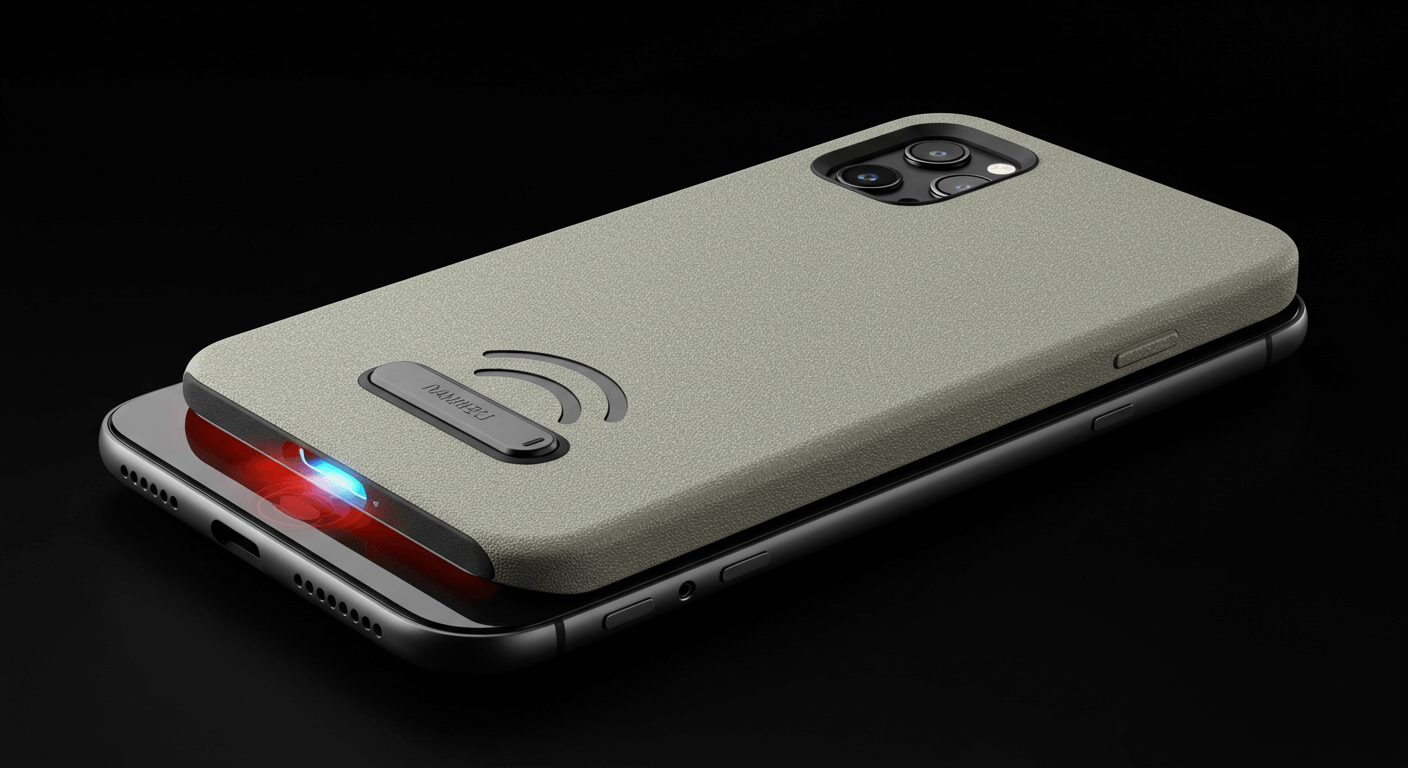
At the nexus of consumer choice, health, and technology are anti-radiation phone cases. They give reassurance to people worried about the possible long-term consequences of continuous smartphone use by promising to lower exposure to electromagnetic radiation. This assurance is sufficient for some people to purchase one. Furthermore, a lot of designs incorporate EMF shielding with regular protection, so your phone is protected from drops and scratches and may even reduce radiation levels.
The evidence supporting these examples is still conflicting, though. Regulatory agencies assert that cell phones currently function within safe bounds, despite conflicting findings from independent studies. Because of this, it is challenging to determine with precision whether these cases offer substantial advantages beyond psychological comfort. It is also necessary to take into account potential disadvantages, including diminished signal strength, increased expense, and the danger of depending on unregulated items.
Ultimately, rather than providing assurance of safety, the true benefit of anti-radiation phone cases might be in raising awareness of safer phone practices. They might be worthwhile to investigate for users looking for additional peace of mind. The best method to reduce exposure, however, is to combine them with sensible strategies, such as using a speakerphone or keeping the phone away from your body.