

Smart humidifiers are among the newest additions to the growing number of smart home appliances. These gadgets do more than just regulate moisture. They couple with smartphone apps, establish a Wi-Fi connection, and automatically adapt to the humidity level of the space. Despite their convenience, a lot of people are starting to wonder if smart humidifiers are safe.
This subject is important because humidifiers have an impact on indoor air quality, which is a significant respiratory health factor, particularly in dry seasons or low-humidity areas. Compared to conventional models, a smart humidifier can assist in regulating moisture levels more precisely, but the cutting-edge technology raises new issues. If the gadget is not handled properly, problems like bacteria accumulation, mold growth, and even data privacy can become serious threats.
Whether the smart features themselves lead to vulnerabilities is a recurring worry. For instance, software problems or hackers could affect a humidifier that is connected to your home Wi-Fi network. Others question whether sensors and automation could cause a room to become overly humid, which could have negative structural and physiological effects.
Thankfully, with the correct product selection and upkeep, many of these hazards can be prevented. The first step is to select a smart humidifier with approved safety features from a reputable company. The majority of health problems can be avoided by keeping the equipment clean and routinely checking the humidity levels. Regarding digital safety, privacy concerns can be reduced by using strong passwords and updating apps frequently.
The safety of smart humidifiers is thoroughly analyzed in this guide, which covers everything from typical worries to useful safety advice. Making the most of your humidifier without sacrificing safety requires knowing the possible risks and how to mitigate them, whether you’re considering switching to a smart model or already have one.
By the end, you’ll know exactly how to operate a smart humidifier safely and whether it’s the best option for your house. Continue reading to find out what features to look for, how to stay clear of typical risks, and why, with proper use, smart humidifiers may be both safe and useful.
What Is a Smart Humidifier?
A smart humidifier is a sophisticated variant of a conventional humidifier that uses clever features to automatically control the humidity levels inside a space. In contrast to conventional models that only release moisture when activated, smart humidifiers come with wireless connectivity, sensors, and app integration. With the help of smart home systems like Google Assistant or Amazon Alexa, these capabilities enable voice command functionality, remote access, and even exact humidity management.
The basic function of a smart humidifier is the same as that of any humidifier: it combats dryness by adding moisture to the air. Its real-time room condition monitoring and setting adjustments are what give it its “smart” quality. Hygrometers that monitor indoor temperature and humidity are integrated into a lot of smart humidifiers. The gadget can switch itself on or off in response to such readings in order to maintain optimal comfort levels, which are normally between 30% and 50% relative humidity.
Users can operate the device from a smartphone even while they’re not at home, thanks to Wi-Fi or Bluetooth connectivity. You may set desired humidity levels, plan run times, get maintenance alerts, and get reminders when to replace your filter using a specialized app. Additionally, some devices provide insights and usage statistics to help improve indoor air quality over time.
There are several varieties of smart humidifiers, such as warm mist, evaporative, and ultrasonic kinds. Many have sleek, contemporary designs that complement living spaces, bedrooms, nurseries, and home offices. Certain units have integrated aroma diffusers or air purifiers, providing several uses for a single gadget.
Convenience is one of the main benefits of a smart humidifier. The gadget does those things automatically, so you don’t have to guess when to refill or change the settings. By avoiding misuse or excessive humidity, which can lead to mold growth and harm walls or furniture, this not only improves user experience but also increases safety.
Smart humidifiers are increasingly the go-to option for people who want to enhance air quality without having to make frequent manual adjustments, as smart home technology gains popularity. These gadgets are perfect for parents of small children, busy homes, and anyone dealing with respiratory conditions because of their increased intelligence.
When upgrading from a basic model, knowing what a smart humidifier is aids in making an informed choice. A smart humidifier may be a useful and safe addition to any house with the correct features and upkeep.
Are Smart Humidifiers Safe to Use?
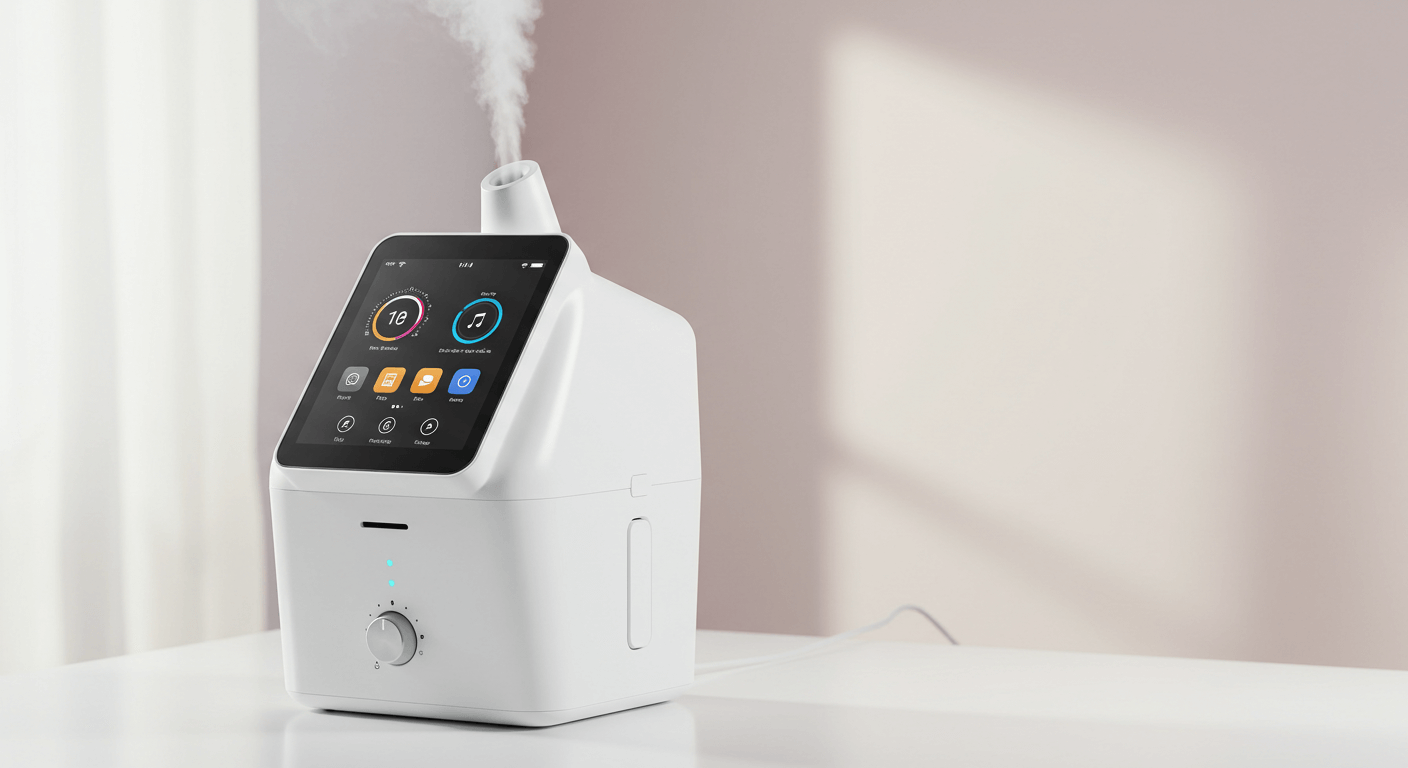
As long as they are properly maintained and operated as instructed, smart humidifiers are generally safe to use. These gadgets combine smart features like humidity sensors, app-based control, and automatic shut-off with conventional moisture control. Despite their efficiency and convenience, there are safety issues with them, particularly with regard to data privacy, electrical safety, over-humidification, and hygiene. The secret to using a smart humidifier properly is being aware of these risks.
Water hygiene is one of the most crucial safety factors. Smart humidifiers distribute moisture into the air using a water tank, just like conventional humidifiers do. Mineral deposits, mold, and bacteria can accumulate inside the tank if it is not cleaned on a regular basis. Following its discharge into the atmosphere, this contamination may result in allergies, asthma attacks, or other respiratory problems. Use distilled or filtered water at all times and adhere to a rigorous cleaning schedule to avoid this.
Over-humidification is another possible issue. Excessive moisture output from a humidifier can foster the growth of mildew, dust mites, and structural damage to furniture or walls. Thankfully, the majority of smart humidifiers have sensors built right into them that track humidity levels in real time and automatically modify output to maintain a safe range, usually between 30% and 50% relative humidity.
Another thing to consider is electrical safety. Electricity powers smart humidifiers, which frequently contain sophisticated internal parts, including circuit boards, sensors, and Wi-Fi modules. Choose models certified by Underwriters Laboratories (UL) or Electrical Testing Laboratories (ETL) to guarantee safety. These certifications show that the product has undergone testing and satisfies safety requirements for home electronics. Cords should never be near moisture, and the humidifier should always be used on a level, water-resistant surface.
Concerns about cybersecurity and data privacy are becoming more prevalent in the digital era. Wi-Fi and Bluetooth-enabled smart humidifiers frequently gather location and usage data. The software or gadget may be susceptible to hacking if it is not adequately secured. Even though there is little risk, it is still advisable to pick a trustworthy brand, update software, and create strong, one-of-a-kind passwords for linked apps.
Smart humidifiers might be a dependable and safe solution to enhance indoor air quality in spite of these reservations. With appropriate use, frequent maintenance, and security awareness, the majority of the risks connected to these devices can be avoided. With features like hands-free operation, automated humidity control, and customizable settings, smart humidifiers are a great addition, particularly to families with kids, pets, or people with respiratory disorders.
In conclusion, when used properly, smart humidifiers are safe to use. As long as consumers take basic safety precautions and adhere to manufacturer instructions, the technology improves convenience without compromising health or safety. A smart humidifier can be a wise and safe option for people who want to combine comfort with smart home features.
How to Use a Smart Humidifier Safely
The purpose of smart humidifiers is to improve the convenience and efficiency of indoor air care. However, it’s crucial to use a smart humidifier properly to get the most out of it without endangering your health or safety. The safe and efficient operation of a smart humidifier is greatly influenced by how it is handled, from correct setup to regular maintenance. To guarantee safe use every day, abide by these crucial guidelines.
1. Choose a Safe Location
The humidifier should always be set up on a level, high, and waterproof surface. Keep it away from windows, electronics, walls, and soft surfaces like carpets. A stable, flat surface prevents moisture damage to nearby surroundings and lowers the chance of toppling over. To prevent mishaps, keep it out of the reach of small children and dogs.
2. Use Distilled or Filtered Water
Minerals and contaminants found in tap water can accumulate within the tank or leak out into the atmosphere. Bacterial growth within the device and white dust on surfaces may result from this. In addition to lowering the need for frequent cleaning, using distilled or filtered water helps avoid mineral deposits, mold, and offensive odors.
3. Clean the Humidifier Regularly
Frequent cleaning is one of the most crucial safety procedures. To clean the water tank and its internal parts, adhere to the manufacturer’s instructions. The tank should ideally be rinsed and dried every day and deep cleaned once a week using a mild vinegar solution or the cleaner suggested by the manufacturer. If maintenance is neglected, mold or dangerous microorganisms may be released into the atmosphere.
4. Monitor Humidity Levels
Mold, dust mites, and structural damage can result from an excessive amount of moisture in the air. Hygrometers that measure interior humidity are integrated into the majority of smart humidifiers. For the best level of comfort and safety, set your target range between 30% and 50%. To keep an eye on things and make any adjustments, use the app or display. To help maintain appropriate levels, several devices provide scheduling or automated shut-off features.
5. Keep the Software Updated
The manufacturer may occasionally change the firmware and apps used by smart humidifiers. Maintaining software updates guarantees that your device receives the most recent security fixes, performance enhancements, and safety features. To be notified of any necessary changes or alerts, turn on notifications in the app.
6. Secure Wi-Fi and App Access
Take precautions to safeguard your data and privacy because smart humidifiers are connected to your home network. Make sure your Wi-Fi and the related smartphone app have strong, one-of-a-kind passwords. To increase security, turn on any two-factor authentication that is available and stay away from utilizing public Wi-Fi to control your device remotely.
7. Follow Manufacturer Instructions
Prior to usage, always read the user manual. Observe the instructions for cleaning, storage, water use, setup, and assembly. Important safety information unique to your model is frequently included in the handbook, along with reminders for filter or part replacements.
Benefits That Make Smart Humidifiers Worth It
An increasingly important component of contemporary home wellbeing is smart humidifiers. These gadgets integrate smart technology with conventional humidification to provide a safer, more practical, and more effective method of preserving indoor air quality. They do more than just add moisture to the air. For many homes, the advantages of smart humidifiers, whether they are used for allergy management, sleep enhancement, or furniture protection make the purchase worthwhile.
1. Automatic Humidity Control
The capacity of a smart humidifier to automatically alter humidity levels is one of its greatest benefits. Real-time air monitoring is done by built-in sensors, which adjust moisture output accordingly. This removes uncertainty and guarantees that the atmosphere maintains the optimal range of 30% to 50% relative humidity. In addition to preventing dry skin and sore sinuses, proper humidity lowers the danger of mold growth, static electricity, and damage to wood flooring or furniture.
2. Remote Access and App Control
Smart humidifiers may be fully controlled from a smartphone thanks to their Bluetooth or Wi-Fi connections. Users may create schedules, adjust humidity goals, turn the device on or off, and check the air quality from any location with the use of a companion app. This is particularly useful for people who travel, have hectic schedules, or are parents who wish to keep a child’s room quiet.
3. Energy and Water Efficiency
Smart humidifiers prevent needless runtime by automatically modifying output based on the air quality in real time. They are more environmentally friendly than conventional ones since they conserve water and electricity. Low-water alarms and auto shut-off are two further features that contribute to waste reduction and long-term efficiency.
4. Smart Home Integration
Voice assistants like Apple HomeKit, Google Assistant, and Amazon Alexa can be used with a lot of smart humidifiers. This implies that settings can be changed using voice commands or incorporated into other smart device procedures. A humidifier, for instance, can be set to turn on when the thermostat reaches a specific setting or to turn off when you leave the house.
5. Health Benefits for the Whole Family
Better respiratory health is supported by maintaining ideal humidity levels, particularly in homes with central heating or during dry seasons. Coughing, dry throat, nosebleeds, and allergy symptoms can all be lessened with the use of smart humidifiers. In addition to protecting vocal cords, proper humidity can enhance the quality of sleep. These advantages are particularly beneficial for families with young children, senior citizens, or allergy sufferers.
6. Maintenance Reminders and Alerts
Smart humidifiers offer real-time notifications and reminders, in contrast to conventional humidifiers that need frequent human inspections. Receive alerts when it’s time to change a filter, clean the unit, or refill the tank. By preventing mechanical failure or bacterial accumulation, these automatic reminders simplify device maintenance.
7. Modern Design and Quiet Operation
Smart humidifiers frequently have sleek, contemporary designs that go well with any type of interior decor. Since many models are whisper-quiet, they can be used in offices, nurseries, and bedrooms. Additional features that improve the user experience include adjustable modes, LED displays, and night lights.
Who Should Be Cautious?
Although smart humidifiers offer a practical means of preserving the quality of the air indoors, not everyone can use them carelessly. It’s possible that some populations are more susceptible to variations in humidity, airborne contaminants, or the smart technology itself. Understanding who needs to exercise caution can assist avoid health issues, improper use of devices, or unexpected outcomes at home.
- Babies and Young Children: Although humidifiers are frequently used in nurseries to relieve dry skin and congestion, they need to be used with great caution around infants. Mold development and dust mite proliferation are two consequences of over-humidification that can cause respiratory problems in young children. A smart humidifier may spread mold spores or bacteria into the air if it is operated improperly or is put too close to a crib. To lower health hazards, keep the humidity between 30% and 50% at all times, keep the device a safe distance away, and clean it frequently.
- Asthma and allergy sufferers: Although they need to be used with caution, smart humidifiers can help reduce the symptoms of asthma and allergies. A development of germs and mold in the water tank might result from improper maintenance. These pollutants have the potential to exacerbate respiratory disorders once they are discharged into the atmosphere. To maintain optimal humidity levels, people with asthma or allergies should use distilled water, clean the device often, and rely on intelligent features. It’s also critical to keep an eye on how the body responds to using a humidifier and modify the settings as necessary.
- Elderly People: Increasing humidity may help older folks, particularly in the winter, but it may also make them more susceptible to indoor air pollution. Breathing issues or an elevated risk of respiratory infections can result from misusing a smart humidifier, such as operating it in an area with inadequate ventilation or neglecting maintenance notifications. To safeguard senior users from possible danger, caregivers should make sure the gadget is cleaned, positioned, and maintained appropriately.
- People with Compromised Immune Systems: Anyone receiving an organ transplant, having autoimmune illnesses, or going through cancer treatment should use caution when using any device that releases moisture. Mold or bacteria found in a badly maintained humidifier may not harm healthy users, but they could seriously infect immunocompromised people. Before installing a smart humidifier in their surroundings, these consumers ought to speak with a healthcare professional.
- Users Who Are Tech-Wary or Less Tech-Savvy: Software upgrades, Wi-Fi connections, and applications are necessary for smart humidifiers to function. People may find it difficult to operate the device properly if they are uneasy with technology or are not familiar with app-based controls. Outdated firmware or incorrect settings might jeopardize operation and security. To prevent annoyance or incorrect use, pick a model that is easy to use and thoroughly read the handbook, or ask for assistance setting up the equipment.
- Pet owners: While too much moisture in the air can lead to mold or germs that can harm a pet’s health, humidity can help relieve dry skin in pets. Additionally, pets can chew on power lines or knock over electronics, which increases the danger of harm. To create a secure, pet-friendly atmosphere, keep the unit out of reach and keep an eye on the humidity levels.
Conclusion
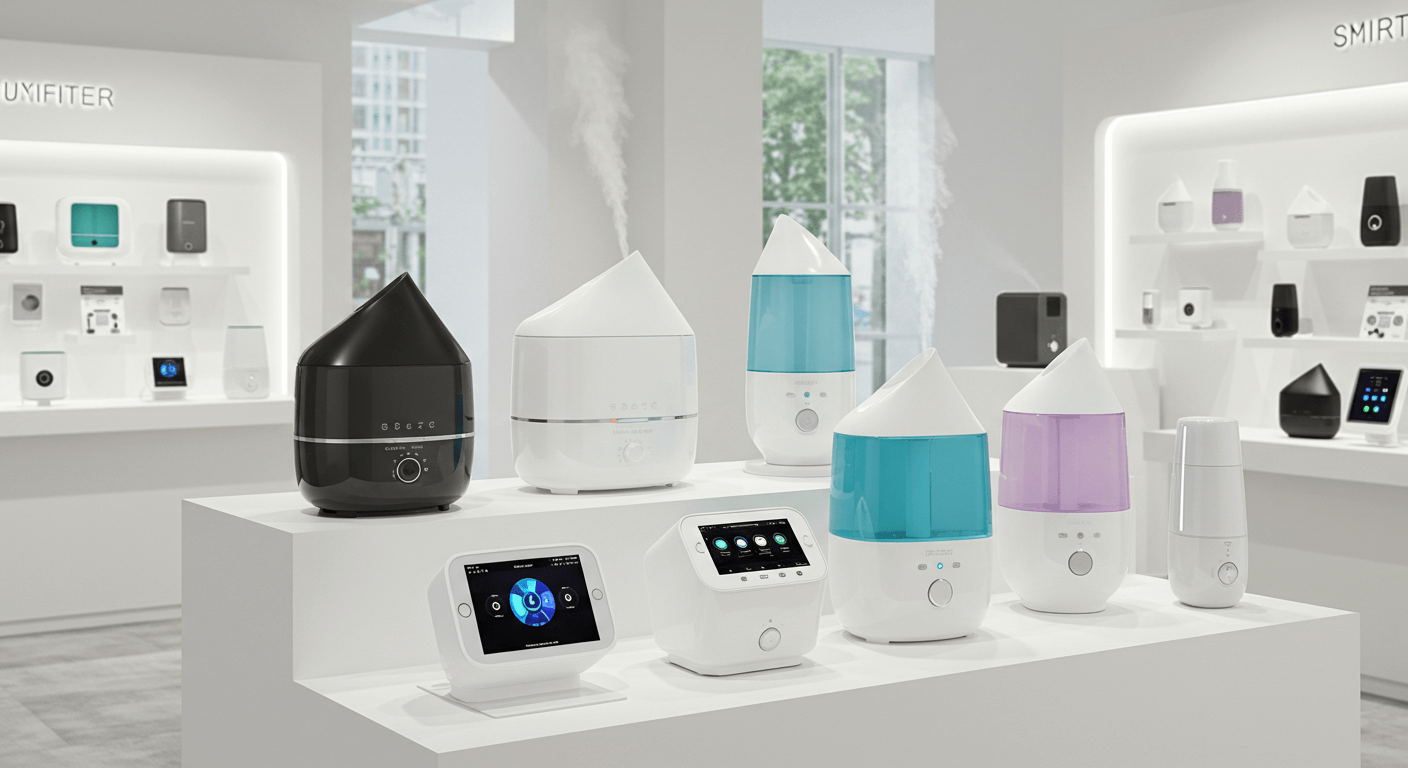
Smart humidifiers are an excellent addition to many homes since they provide a potent fusion of modern technology and indoor well-being. These gadgets offer ease and accuracy that conventional humidifiers do not, thanks to features like voice assistant integration, smartphone connectivity, and automatic humidity adjustment. When used as directed, they aid in preserving ideal moisture levels, lessening allergy symptoms, and enhancing respiratory comfort.
However, careful operation and routine maintenance are necessary for safe use, just like with any item. Problems like mold growth, bacterial release, or even structural damage might result from neglecting cleaning schedules, overhumidifying, or abusing app settings. Some groups, such as young children, the elderly, and people with compromised immune systems, should exercise extreme caution and seek medical advice if necessary.
When properly installed, maintained, and operated as instructed, smart humidifiers are generally safe for the majority of users. Their advantages often exceed their disadvantages, particularly for people looking for hands-free control and improved air quality. Analyze product details, safety features, and user reviews before selecting a model to see which one best suits your needs and available space. When utilized carefully, smart humidifiers may provide relaxation and tranquility to your home.