

Back pain affects an estimated 80% of adults at some point in their lives, making it one of the most common health complaints worldwide. Whether you’re dealing with chronic discomfort from years of desk work, acute pain from an injury, or the gradual toll of poor posture, finding effective relief is essential for quality of life. While professional treatment from chiropractors, physical therapists, and medical doctors remains important for serious conditions, back stretching devices offer a convenient and cost-effective way to address many common spinal alignment issues at home.
The market for back stretching and spinal alignment devices has exploded in recent years, with options ranging from simple foam arcs to sophisticated inversion tables. But which devices actually work? How do you choose the right one for your specific needs? And perhaps most importantly, how do you use these devices safely to improve your spine health without causing additional harm?
In this comprehensive guide, we’ll explore the various types of back stretching devices, explain how they work, review the best options in each category, and provide evidence-based guidance on using them effectively and safely.
Understanding Spine Alignment and Back Health
Before investing in any back stretching device, it’s helpful to understand basic spinal anatomy and what “proper alignment” actually means.
Your spine has three natural curves: the cervical curve in your neck (curving forward), the thoracic curve in your upper and mid-back (curving backward), and the lumbar curve in your lower back (curving forward). These curves aren’t flaws—they’re biomechanical features that distribute weight, absorb shock, and allow for flexibility. Proper alignment means these curves are maintained in their natural positions, with your head balanced over your shoulders, shoulders over hips, and hips over ankles when standing.
Modern life disrupts these natural curves in predictable ways. Hours spent looking down at phones create forward head posture, where your head juts forward from your shoulders, straining neck muscles and flattening the cervical curve. Prolonged sitting and computer work round the shoulders forward and can flatten or reverse the thoracic curve. Poor core strength and sitting habits can increase lumbar curvature (anterior pelvic tilt) or flatten it, both causing lower back problems.
Back stretching devices work by gently encouraging your spine back toward its natural alignment. They use passive stretching, gravity, or gentle traction to decompress vertebrae, stretch tight muscles and connective tissue, and allow your spine to rest in a more neutral position. This decompression can relieve pressure on nerves, reduce muscle tension, improve circulation, and provide pain relief.
However, devices are tools, not magic solutions. They work best for muscular tension, minor alignment issues, and general spine health maintenance. Serious conditions like herniated discs, spinal stenosis, fractures, or severe scoliosis require professional medical evaluation and treatment. If you’re experiencing severe pain, numbness, tingling, weakness, or pain that radiates down your limbs, see a healthcare provider before using any stretching device.
Types of Back Stretching Devices
The back stretching market offers several distinct device categories, each with specific mechanisms and use cases.
Arc-Shaped Back Stretchers are among the most popular and accessible devices. These curved supports, typically made from plastic with foam padding, feature an arched design that you lie on with your back. Gravity pulls your spine over the arch, creating a gentle passive stretch. Most arc stretchers have multiple height levels or are adjustable, allowing you to increase the stretch intensity as your flexibility improves. The arch targets primarily the thoracic spine (mid-back) and can help with upper back tension, rounded shoulders, and general spinal decompression. Some models extend further to address lumbar issues as well.
Inversion Tables take a different approach, using gravity inversion to decompress the spine. You secure your ankles in padded supports and tilt backward to varying degrees, from slight recline to full inversion. Hanging partially or fully upside down allows gravity to stretch your spine in the opposite direction from normal, creating space between vertebrae and potentially relieving pressure on discs and nerves. Inversion tables are more expensive and require more space than other options, and they come with more safety considerations, but many users report significant relief from sciatica and lower back pain.
Cervical Traction Devices specifically target the neck and upper cervical spine. These come in several varieties: over-door traction units using a pulley system, inflatable air pump collars that create space between cervical vertebrae, and cushioned cradles that support your head at specific angles. Cervical devices address forward head posture, neck pain, upper back tension, and can help with certain types of headaches caused by neck misalignment.
Lumbar Traction Devices focus on the lower back through belts, decompression cushions, or specialized supports that separate the lumbar vertebrae. Some use mechanical leverage, others use air inflation, and some simply position your body in ways that encourage lower back decompression. These target lower back pain, sciatica originating from lumbar issues, and general lumbar tightness.
Multi-Level Adjustable Stretchers offer versatility by allowing you to target different spinal regions or adjust intensity. These might include adjustable arc stretchers that change height or angle, or devices with interchangeable components for neck, mid-back, and lower back stretching.
Foam Rollers and Blocks, while simpler, shouldn’t be overlooked. A standard foam roller placed under your mid-back while lying down creates a similar effect to arc stretchers. Yoga blocks positioned strategically can support restorative back-opening poses. These budget-friendly options are effective when used correctly.
Benefits of Back Stretching Devices
When used appropriately and consistently, back stretching devices offer several evidence-supported benefits.
Spinal Decompression is the primary mechanism behind most back stretching devices. Throughout the day, gravity compresses your spine, squeezing the gel-filled discs between your vertebrae and potentially pinching nerves. Stretching devices create space between vertebrae, allowing discs to rehydrate and reducing pressure on nerve roots. This decompression can provide significant relief for certain types of back and leg pain.
Improved Posture results from regularly counteracting the positions that create poor alignment. If you spend eight hours daily hunched over a computer, spending 10-15 minutes daily in extension on a back stretcher helps balance these forces. Over time, this can reduce the muscular imbalances and adaptive shortening that lock poor posture in place.
Pain Relief comes through multiple mechanisms. Decompression reduces nerve pressure, stretching releases muscle tension, improved circulation brings oxygen and nutrients to tissues while removing inflammatory waste products, and the gentle movement can disrupt pain signal patterns. Many users report reduced pain intensity and frequency with regular use.
Increased Flexibility in the spine and surrounding muscles develops gradually. Tight muscles and fascia restrict spinal movement and contribute to pain. Regular stretching encourages these tissues to lengthen, improving your range of motion and making daily movements easier and more comfortable.
Convenience and Cost-Effectiveness are practical benefits worth considering. A one-time purchase of a quality back stretcher costing $30-300 provides unlimited use at home, compared to ongoing costs of professional treatments. While these devices don’t replace professional care for serious issues, they offer accessible maintenance and relief for minor problems.
The key limitation to remember: back stretching devices address symptoms and promote general spine health, but they don’t cure underlying structural problems, heal injuries, or substitute for strengthening weak muscles. They’re most effective as part of a comprehensive approach including proper ergonomics, strengthening exercises, and professional care when needed.
How to Choose the Right Device
Selecting the appropriate back stretching device depends on several personal factors.
Identify Your Specific Issue: Where is your pain or tension located? Neck pain and forward head posture suggest a cervical traction device. Upper back rounding and shoulder tension point toward arc stretchers or foam rollers. Lower back pain might benefit from lumbar-specific devices or inversion tables. Generalized spinal tension could use multi-purpose options.
Assess Pain Severity: Minor tension and occasional discomfort can often be addressed with simple, affordable options like basic arc stretchers or foam rollers. Chronic pain that significantly impacts daily life justifies investing in more sophisticated devices, though it also warrants professional evaluation. Severe or acute pain requires medical consultation before using any device.
Budget Considerations: Effective options exist at every price point. Basic arc stretchers and foam rollers cost $20-50 and work well for many people. Mid-range devices run $50-150 and offer better adjustability and comfort. Premium inversion tables and advanced systems cost $150-500+ but provide maximum versatility and features. Start with a modest investment to see if the approach works for you before committing to expensive equipment.
Space and Storage: Inversion tables require significant floor space and are difficult to store in small apartments. Arc stretchers and cervical devices are compact and easily stored in closets. Consider your living situation when choosing devices.
Ease of Use: Some devices require minimal setup—just lie down on an arc stretcher and relax. Others like inversion tables require securing ankle straps and controlled tilting. Cervical traction units might need assembly and adjustment. Choose devices you’ll actually use consistently rather than those that seem too complicated or time-consuming.
Adjustability: Devices with multiple height settings, angle adjustments, or intensity controls allow you to start gently and progress as your body adapts. This is particularly important for beginners who might find maximum stretching uncomfortable or even painful initially.
Safety Features: For inversion tables, look for sturdy construction, secure ankle locks, and easy-return mechanisms. For all devices, check weight limits, stability, and quality construction. Read reviews specifically mentioning safety and durability.
Medical Conditions: Certain conditions require medical clearance before using stretching devices. Osteoporosis, spinal fractures or instability, severe disc herniation, pregnancy, high blood pressure (especially for inversion), and recent surgery all warrant professional consultation. When in doubt, ask your doctor.
Best Back Stretching Devices by Category
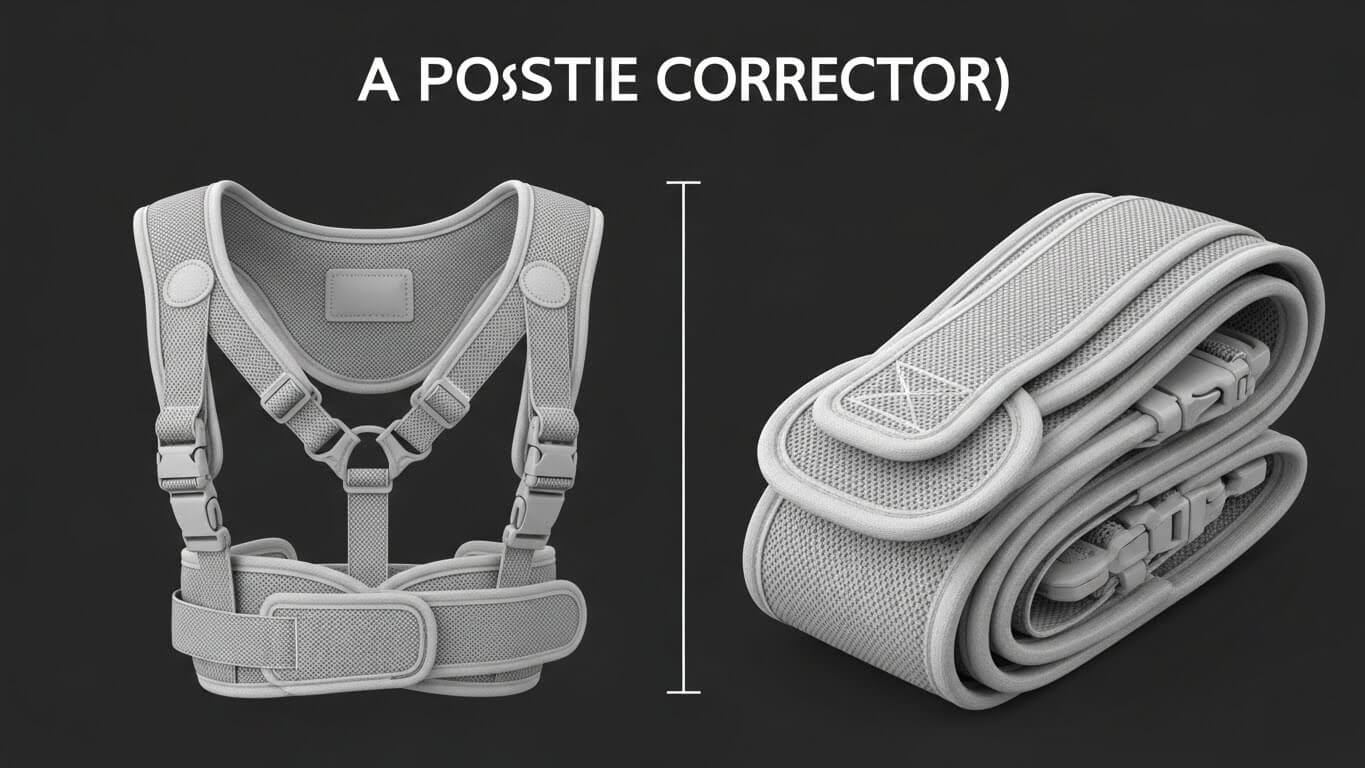
Based on effectiveness, safety, user reviews, and value, here are top recommendations in each category.
Best Overall Arc Stretcher: LifePro Back Stretcher (around $35-45): This multi-level arc stretcher offers excellent value with three adjustable height positions, comfortable foam padding, and a design that targets both mid and lower back. The acupressure-style protrusions provide additional muscle release benefits. It’s lightweight, durable, and suitable for beginners through advanced users. The adjustability allows you to start at the lowest setting and progress as your flexibility improves.
Best Inversion Table: Teeter FitSpine X3 (around $300-400): Teeter is the gold standard in inversion tables with FDA registration as a medical device. The FitSpine X3 features precision balancing, comfortable ankle support, easy angle adjustment, and exceptional build quality. Safety features include secure ankle locks and smooth return control. While expensive, the investment pays off in durability and effectiveness for those needing serious spinal decompression. The brand also offers more affordable models like the EP-560 around $200-250 for budget-conscious buyers.
Best Cervical Traction Device: ComforTrac Home Cervical Traction (around $75-95): This over-door traction system provides professional-grade cervical decompression at home. It features a comfortable head support, graduated traction control, and a pulley system that allows precise pressure adjustment. Physical therapists often recommend this brand for home use. While it requires door installation, the setup is simple and the device is highly effective for neck pain and cervical alignment issues.
Best Budget Option: Standard Foam Roller (around $15-25): Don’t underestimate the effectiveness of a simple 36-inch foam roller. Placed under your mid-back while lying down with arms extended overhead, it creates excellent thoracic extension and shoulder opening. It also serves multiple purposes including muscle rolling, core exercises, and balance training. For those new to back stretching or on tight budgets, this is an excellent starting point.
Best Premium Multi-Purpose Device: Chirp Wheel+ (around $100 for the set): The Chirp Wheel system includes three different diameter wheels (gentle, medium, deep) that you roll along your spine while lying back. The wheel design creates targeted pressure while allowing movement, combining stretching with myofascial release. The set targets different areas and offers progression. While pricier than basic arc stretchers, many users report superior results and the versatility justifies the cost.
Best Portable/Travel Option: PostureMedic Plus (around $40): This resistance band system helps strengthen postural muscles while providing gentle stretching. It’s completely packable, requires no setup, and can be used anywhere. While not a passive stretching device like others on this list, it’s excellent for maintaining spine health while traveling and addresses the strengthening component that passive devices miss.
How to Use Back Stretching Devices Safely
Proper use is essential for gaining benefits while avoiding injury. Follow these guidelines for safe and effective stretching.
Start Gradually: Your first sessions should be short and gentle. Begin with just 1-2 minutes on the lowest intensity setting for arc stretchers or minimal angle for inversion tables. Even if this feels easy, resist the urge to do more immediately. Your spine needs time to adapt to new positions and stretches. Increase duration by 1-2 minutes every few days, working up to maximum recommended times (usually 10-15 minutes for arc stretchers, 5-10 minutes for inversion).
Proper Positioning: Alignment matters. On arc stretchers, position the curve at the area of your spine you’re targeting—mid-back for thoracic issues, lower for lumbar. Your head should be supported (use a small pillow if needed), and you should feel a stretch but not pain. For inversion tables, ensure ankle supports are properly secured and start with minimal inversion angles, only progressing to steeper angles once comfortable.
Frequency Recommendations: Most back stretching devices can be used daily, typically once or twice per day. Many people benefit from a session after work to counteract the day’s postural stress and before bed to promote relaxation. However, more isn’t necessarily better—excessive stretching can cause muscle strain or irritation.
Warm Up First: Gentle movement before stretching prepares your muscles and reduces injury risk. A short walk, light full-body movement, or even a warm shower can help. Never stretch cold muscles, especially first thing in the morning when your spine is most vulnerable.
Signs to Stop Immediately: Discontinue use if you experience sharp or shooting pain, numbness or tingling in extremities, dizziness or lightheadedness (especially with inversion), muscle spasms, or any pain that worsens rather than improves during use. Mild discomfort as tissues stretch is normal, but actual pain is a warning signal.
Combining with Other Therapies: Back stretching devices work best as part of a comprehensive approach. Pair stretching with core strengthening exercises, maintain good posture during daily activities, stay active with regular movement, and consider professional treatments like physical therapy or massage when needed.
Progressive Approach: Think long-term. Spinal issues often develop over years; improvement takes consistent effort over weeks and months. Track your progress, noting changes in pain levels, flexibility, and posture. Adjust your approach based on results, and be patient with the process.
Common Mistakes to Avoid
Many people undermine their results or risk injury through preventable errors.
Overuse and Too Much Too Soon: The most common mistake is diving in too aggressively. Spending 30 minutes on maximum intensity your first session is asking for muscle strain, soreness, or even injury. Your enthusiasm is understandable, but your spine needs gradual adaptation.
Ignoring Pain Signals: Mild discomfort during stretching is normal as tight tissues release. Sharp, shooting, or intensifying pain is not normal and indicates you should stop. Distinguishing between productive discomfort and warning pain is crucial. When in doubt, err on the side of caution.
Poor Positioning: Devices only work when used correctly. Arc stretchers positioned too high or too low on your back, improperly secured ankle straps on inversion tables, or incorrect cervical traction angles can reduce effectiveness or cause problems. Review instructions carefully and watch demonstration videos if available.
Expecting Instant Results: Back issues that developed over months or years won’t disappear after one 10-minute session. While some people experience immediate relief, sustainable improvement typically requires weeks of consistent use. Set realistic expectations and commit to the process.
Neglecting Other Aspects of Spine Health: A stretching device can’t overcome eight hours of terrible posture, weak core muscles, or poor lifting mechanics. Address the root causes of your spinal issues alongside using devices.
Using Damaged Equipment: Regularly inspect devices for cracks, worn padding, loose parts, or damage. Compromised equipment can fail during use, potentially causing injury. Replace damaged devices rather than risking accidents.
Skipping Medical Consultation When Needed: If you have significant pain, a diagnosed spinal condition, or are unsure whether stretching is appropriate for your situation, consult a healthcare provider. Self-treatment is valuable but should complement, not replace, professional evaluation when warranted.
Complementary Practices for Optimal Spine Health
Back stretching devices deliver better results when combined with other spine-healthy practices.
Core Strengthening: Strong abdominal and back muscles support proper spinal alignment and reduce load on your spine. Exercises like planks, bird dogs, and bridges build the muscular corset that protects your back. Weakness in these areas means your spine bears excessive stress.
Proper Ergonomics: The best stretching routine can’t overcome eight hours of terrible posture daily. Adjust your workstation so your monitor is at eye level, keyboard allows relaxed shoulders, and chair supports your lumbar curve. Take regular breaks to stand and move. These environmental changes prevent the problems stretching devices help address.
Regular Stretching Routines: Supplement device use with active stretches targeting hip flexors, hamstrings, and chest muscles. Tightness in these areas pulls your spine out of alignment. A balanced flexibility program addresses the whole kinetic chain.
Posture Awareness: Develop consciousness of your posture throughout the day. Set reminders to check alignment, practice sitting and standing positions that maintain natural spinal curves, and correct yourself when you notice slouching. This awareness becomes automatic with practice.
Professional Treatments: Physical therapists can assess your specific imbalances, provide targeted exercises, and offer manual therapy. Chiropractors can address joint restrictions. Massage therapists release muscle tension that devices can’t fully address. These professionals complement device use with expertise and individualized treatment.
Lifestyle Modifications: Maintaining healthy body weight reduces spinal load, staying active keeps supporting muscles strong and mobile, managing stress prevents muscle tension, and avoiding prolonged static positions protects your spine from repetitive strain.
Sleep Position and Mattress Quality: You spend roughly one-third of your life sleeping. A supportive mattress that maintains spinal alignment and appropriate sleeping positions (usually side or back with proper pillow support) are crucial for spine health.
Real User Results and Expectations
Understanding realistic outcomes helps you evaluate devices and track your progress appropriately.
Most users report noticeable improvements within 2-4 weeks of consistent use, though the specific timeline varies. Some experience immediate relaxation and mild pain relief after their first session. Others need several weeks before significant changes become apparent. Chronic issues typically take longer to improve than recent or acute problems.
Realistic Outcomes: Back stretching devices can significantly reduce muscular tension and pain, improve posture and spinal curves, increase flexibility and range of motion, provide relief from tension headaches related to neck and upper back issues, and reduce the frequency and intensity of back pain episodes. They support overall spine health as part of a comprehensive approach.
What Devices Cannot Fix: They cannot heal herniated discs (though they may relieve associated symptoms), correct structural scoliosis or severe spinal deformities, repair degenerated joints or arthritis, strengthen weak muscles (you need active exercise for this), or substitute for medical treatment of serious spinal conditions.
Common user experiences include an initial adjustment period where stretching feels unusual or mildly uncomfortable, gradual improvements that become more noticeable over time, periods where progress plateaus before advancing again, and the realization that consistent use is essential—benefits diminish if you stop using the device.
Measuring Progress: Track your improvements by noting pain levels on a scale of 1-10, measuring postural changes (have someone photograph your posture profile monthly), assessing flexibility improvements, and monitoring how back issues impact your daily activities. Objective measurements help you see progress that might otherwise feel gradual and subtle.
When to See a Professional Instead
While back stretching devices help many people, certain situations require professional medical evaluation and treatment.
Red Flag Symptoms demanding immediate medical attention include sudden severe back pain after trauma or injury, pain accompanied by loss of bowel or bladder control, progressive numbness or weakness in legs, fever along with back pain, and pain so severe you cannot function. These may indicate serious conditions requiring urgent care.
Chronic vs. Acute Issues: New back pain that appeared suddenly (acute) should be evaluated by a healthcare provider to rule out injury or serious conditions. Long-standing pain (chronic) that you’ve learned to manage might respond well to home devices, though professional evaluation can still provide valuable insights.
Conditions Requiring Medical Intervention: Diagnosed herniated discs causing significant symptoms, spinal stenosis, spondylolisthesis, fractures or bone damage, autoimmune conditions affecting the spine, and severe degenerative changes all need professional management. Devices might complement treatment but shouldn’t be your only approach.
Getting Diagnosis Before Self-Treatment: If you’re unsure what’s causing your back pain, see a professional for diagnosis before investing in devices. The wrong approach might waste money or even worsen certain conditions. Knowing what you’re dealing with allows targeted, effective treatment.
Combining Devices with Professional Care: The best outcomes often come from combining professional treatment with home management. Your physical therapist might recommend specific devices, your chiropractor could suggest particular stretches to complement adjustments, and your doctor can ensure devices are safe for your specific condition.
Maintenance and Longevity
Proper care extends device lifespan and ensures continued safe use.
Cleaning Devices: Wipe down surfaces that contact your skin regularly with mild soap and water or disinfectant wipes. This prevents buildup of oils, sweat, and bacteria. Pay attention to fabric covers and padding that might harbor moisture and odor.
Checking for Wear and Damage: Monthly inspections catch problems before they cause accidents. Look for cracks in plastic components, torn or compressed foam padding, loose screws or connections, worn straps or ankle supports (on inversion tables), and any structural instabilities. Address issues promptly.
Storage Recommendations: Store devices in dry, temperature-controlled environments away from direct sunlight that can degrade materials. Keep them away from heavy items that might crush or damage them. Devices stored properly last significantly longer than those left in damp garages or under piles of other items.
Expected Lifespan: Quality arc stretchers and foam rollers can last 5-10+ years with proper care. Inversion tables typically last 5-7 years with regular use. Cervical traction devices vary by type but generally last 3-5 years. Cheaper devices may have shorter lifespans but can still provide years of service.
When to Replace: Replace devices when structural integrity is compromised, padding becomes severely compressed and no longer provides cushioning, parts break that cannot be replaced, or the device no longer feels stable or safe during use.
Conclusion
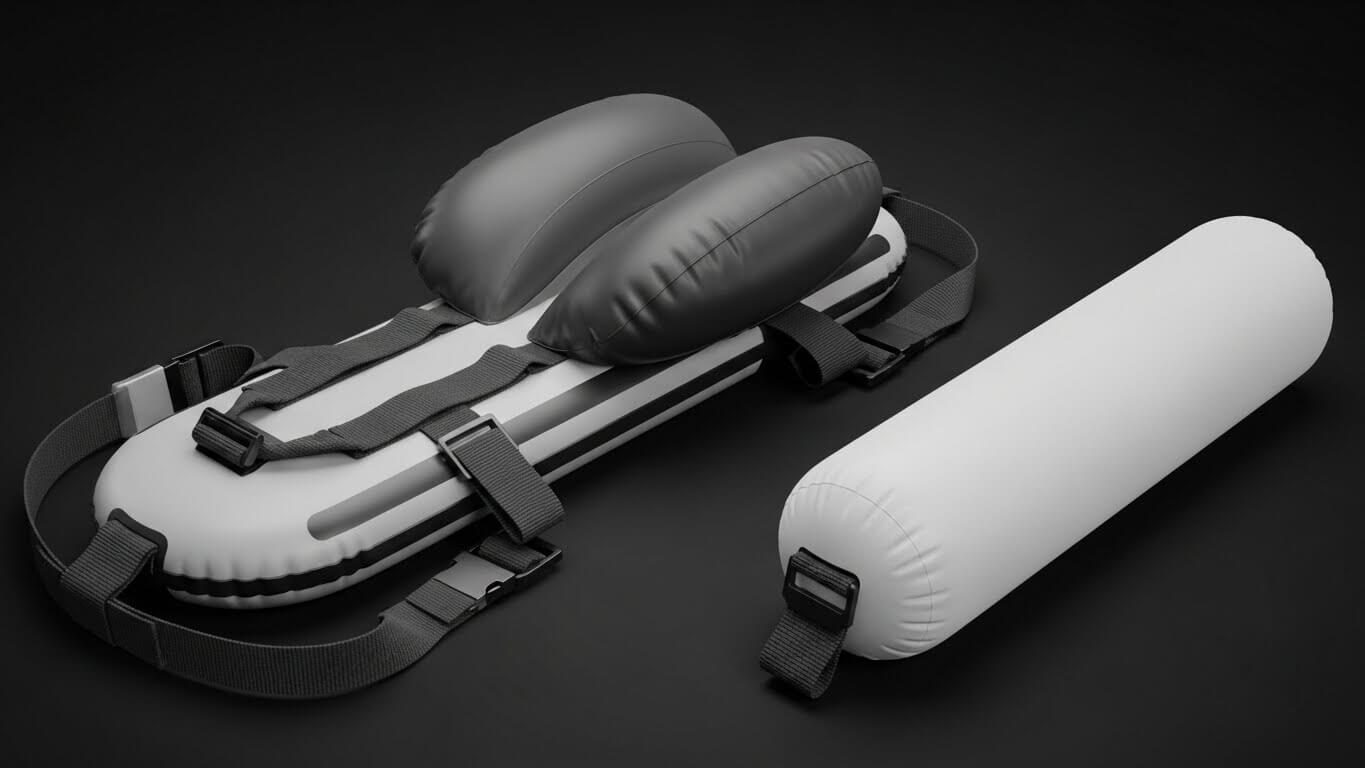
Back stretching devices for spine alignment offer accessible, cost-effective tools for managing common back issues, improving posture, and maintaining spinal health. From simple foam rollers costing under $20 to sophisticated inversion tables approaching $400, options exist for every need, budget, and experience level.
The key to success lies in choosing devices appropriate for your specific issues, using them consistently and correctly, starting gradually and progressing patiently, and combining device use with broader spine health practices including strengthening, good ergonomics, and professional care when needed.
For many people dealing with postural tension, mild to moderate back pain, or general spine health maintenance, these devices provide meaningful relief and improvement. They’re not miracle cures, but when approached with realistic expectations and used as part of a comprehensive strategy, they can significantly enhance your quality of life and reduce the impact of back problems.
Begin with a modest investment in a basic device suited to your primary complaint. Use it consistently for at least 4-6 weeks, following safety guidelines and starting gently. Track your results objectively, and adjust your approach based on what works. And remember, if your pain is severe, worsening, or accompanied by concerning symptoms, professional medical evaluation should always be your first step.
Your spine supports you through every activity of daily life. Investing time and resources in its health—whether through stretching devices, exercises, ergonomic improvements, or professional care—pays dividends in comfort, function, and long-term wellbeing.