

Getting adequate sleep is essential for improved performance, increased attention, and better health. Now, what happens when the lights go out is just as important as how many steps or calories were expended. This is where smartwatches that offer more than simply timekeeping and fitness tracking, such as those with sophisticated sleep and recovery features, come into play. These wearables are presently vital resources for comprehending sleep habits, spotting disturbances, and enhancing general wellbeing.
In recent years, there has been a sharp increase in demand for sleep intelligence and recovery optimization. More individuals are becoming aware that getting enough sleep is essential for immunological strength, stress reduction, mental clarity, and muscle restoration, in addition to feeling good. The correct smartwatch can offer important insights into how the body is sleeping and recharging, whether you’re preparing for a marathon or dealing with everyday weariness. Users are making better decisions about activity, rest, and productivity with the aid of features like REM tracking, heart rate variability (HRV), and readiness scores.
In response, tech companies are adding sleep-enhancing features to their smartwatches, such as improved biometric sensors and multi-day battery life. Not just athletes are paying attention, either. These days, busy professionals, biohackers, and wellness-conscious people prioritize gadgets that provide individualized recovery assistance beyond heart rate and steps.
But how can you pick the best smartwatch when so many of them promise to track sleep and aid in recuperation? Not all wearables are made equally, and not all of them provide useful or accurate sleep data.
We’ve done the research to assist you sort through the clutter because of this. Devices that stand out for their accuracy, comfort, and useful insights are highlighted in this carefully chosen list of the top ten smartwatches for sleep tracking and recuperation. This article discusses the top watches on the market right now, regardless of whether you need one that can track intricate sleep cycles, check oxygen levels, provide readiness scores, or simply be comfortable enough to wear all night.
From industry giants like Fitbit and Garmin to performance-focused brands like WHOOP and Polar, these smartwatches have been picked for their capacity to help you sleep smarter and recover better, night after night. Are you prepared to take charge of your performance and sleep? Let’s analyze the leading options.
What Makes a Smartwatch Great for Sleep Tracking and Recovery?
The ability of the top smartwatches to track your body while you’re sleeping, analyze the data, and turn it into actionable information is what really makes them stand out. These are the main qualities to consider when choosing a smartwatch that offers genuine benefits for rest and sleep.
1. Sleep Stage Tracking (REM, Deep, Light)
The foundation of any effective sleep tracker is the ability to accurately identify the stages of sleep. Your night is divided into REM, deep, and light sleep cycles by the best smartwatches. A more comprehensive picture of sleep quality, rather than just duration, can be obtained by knowing how much time is spent in each stage. While deep sleep is essential for physical recovery, REM sleep is associated with emotion and memory. You can better grasp what is and is not working in your sleep habits with a smartwatch that can distinguish between these stages.
2. Blood Oxygen Monitoring (SpO2)
Overnight blood oxygen level monitoring can reveal early indicators of sleep disorders such as sleep apnea or irregular breathing. SpO2 sensors in smartwatches measure the amount of oxygen in your blood as you sleep, which can have an impact on your energy levels, mental clarity, and recuperation. Even if you felt great in the morning, a decline in SpO2 over the night could be a sign of problems.
3. Heart Rate Variability (HRV)
HRV is an effective recovery metric. It gauges how well the body is handling stress and recovery by measuring the difference in time between heartbeats. Generally speaking, higher HRV denotes greater resilience and fitness. The best smartwatches use heart rate variability (HRV) trends to assess your level of recovery from past physical or mental stress and provide tailored recommendations for rest or exercise.
4. Recovery Insights and Readiness Scores
Many contemporary wearables include recovery insights or readiness scores in addition to basic data. These aspects measure your body’s readiness for exercise using measurements including heart rate variability, resting heart rate, and sleep quality. This encourages more intelligent recovery planning and helps prevent burnout and overtraining. Seek out gadgets that offer more than just data; look for ones that offer concise, useful feedback.
5. Comfortable Wear for Overnight Use
If a smartwatch is excessively large, heavy, or uncomfortable to wear all night, it won’t be useful for tracking sleep. Comfort is important. The best devices have low profiles, comfortable straps, and lightweight construction. To improve comfort for overnight wear, several brands even provide sleep-specific bands or reduced case sizes.
6. Battery Life
If a sleep tracking gadget requires a daily charge, its usefulness is diminished. The greatest smartwatches have a battery that lasts for several days, allowing you to wear them constantly without being interrupted. If you’re using features like SpO2 and continuous HR tracking, look for models that last at least three to five days between charges, if not longer.
7. Data Accuracy and App Ecosystem
The quality of its companion app and the accuracy of its data determine how useful even the most feature-rich watch is. Consistent readings are guaranteed by dependable sensors and clever algorithms, and you can examine trends, set objectives, and get tailored insights thanks to a strong app ecosystem. Additional value can be added through integration with third-party apps or health platforms like Apple Health and Google Fit.
The Top 10 Smartwatches for Sleep and Recovery
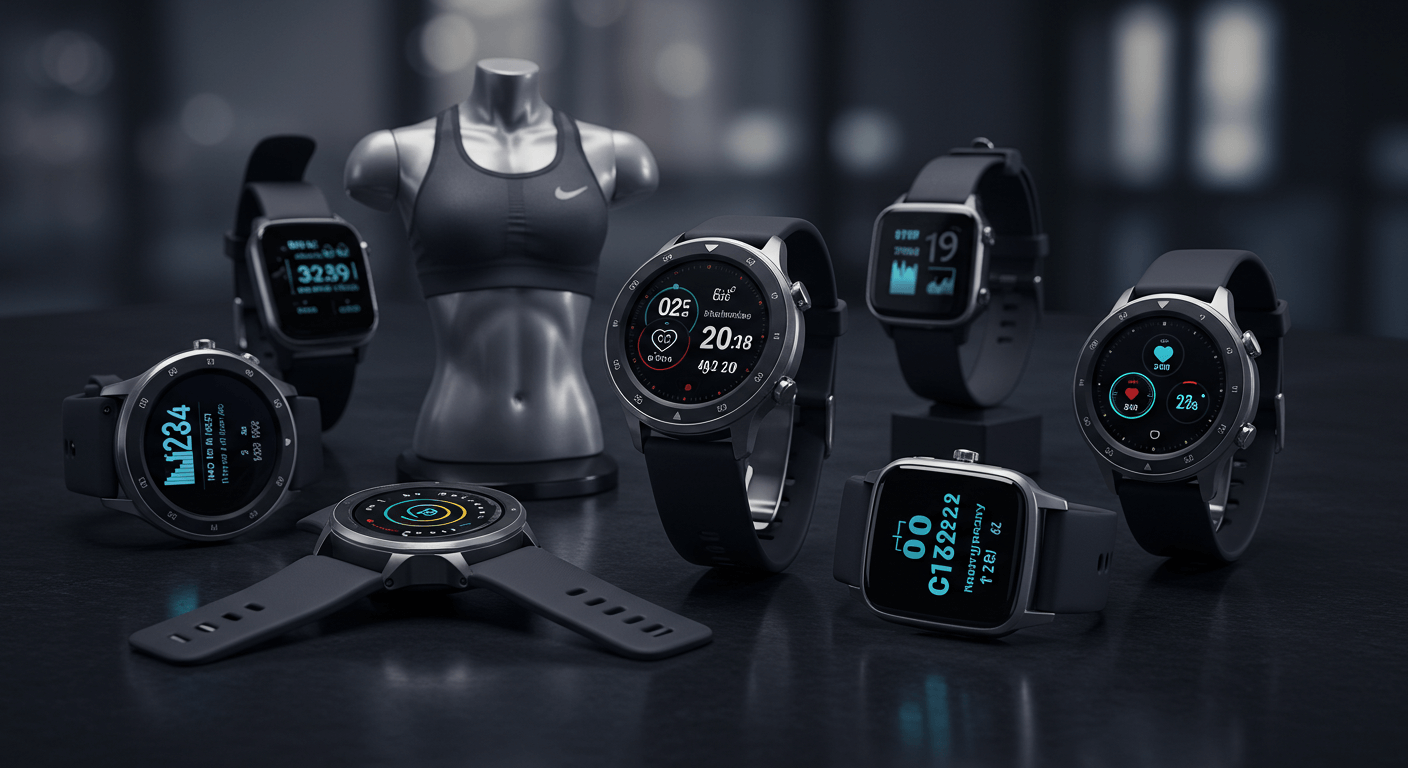
Discovering a smartwatch with exceptional sleep tracking and recovery insights can revolutionize performance and health. The ideal wearable makes a significant difference, regardless of the objective; better sleep, enhanced athletic recovery, or long-term wellness. The top ten smartwatches (plus one smart ring) are listed below, and they are distinguished by their cutting-edge features, dependable data, and comfort while worn overnight.
Oura Ring Gen 3
The Oura Ring Gen 3, although not being a conventional smartwatch, takes first place for people who value rest and sleep without the size of a wrist gadget. It uses a small ring to offer temperature trends, heart rate variability (HRV), blood oxygen monitoring (SpO2), and thorough sleep stage tracking. One of its most notable features is the Readiness Score, which provides a daily recovery grade based on several biometrics. Perfect for users seeking significant insights in a subtle manner.
- Ideal For: People who appreciate non-watch wearables and minimalists
- Life of Battery: 4–7 days
WHOOP 4.0
A strap-based wearable that provides deep recovery statistics, WHOOP 4.0 was created with high-performance athletes in mind. It continually measures respiratory rate, effort, HRV, and SpO2, providing a thorough recovery score every morning. WHOOP eliminates distractions like notifications and a screen in favor of performance and health, in contrast to other smartwatches.
- Ideal For: Data-driven users and athletes
- 4–5 days of battery life (with a wireless battery pack)
- Yes, a subscription is needed.
Fitbit Sense 2
The Fitbit Sense 2 combines robust health-tracking capabilities with a cost. In addition to monitoring HRV, SpO2, and sleep stages, it provides a Daily Readiness Score that is modified by heart, activity, and sleep data. It seamlessly interacts with Fitbit’s app ecosystem, is lightweight, and is comfortable enough to wear all night.
- Ideal For: People who are interested in wellbeing and casual users
- 6+ days of battery life
Apple Watch Series 9
The Apple Watch Series 9 is a good choice for those who are already a part of the Apple ecosystem. SpO2 monitoring, sleep stage tracking, and overnight heart rate tracking are all supported. Apps like Athlytic and Training Today can fill in the gaps by evaluating HRV and preparedness, even though they don’t provide native recovery scores.
- Ideal For: iPhone users looking for flexibility and integration
- Life of Battery: 18–24 hours
Garmin Venu 3
The Garmin Venu 3 blends cutting-edge recovery insights with exercise functionality. Sleep score breakdowns, nighttime SpO2 tracking, and Body BatteryTM energy monitoring are all included. The Venu 3 is a great all-around option for busy users because of its exceptional performance analytics and extended battery life.
- Ideal For: Athletes and fitness-conscious people
- Life of Battery: 10–14 days
Polar Ignite 3
Polar Ignite 3’s Sleep Plus Stages and Nightly Recharge features provide thorough sleep tracking. To evaluate how well the body recovers over the course of the night, it tracks HRV and autonomic nervous system activity. It is particularly appealing to runners and fitness lovers due to its slick appearance and user-friendly app.
- Ideal For: Runners and users who prioritize recuperation
- Battery Life: Five Days or More
Samsung Galaxy Watch 6
The Samsung Galaxy Watch 6 is a fantastic choice for Android users because of its bright AMOLED display and enhanced health sensors. It has sophisticated sleep tracking features like sleep coaching, snoring detection, and SpO2 monitoring. It’s a competent wristwatch with good wellness features, even though recovery stats aren’t as good as those of WHOOP or Garmin.
- Ideal For: Android consumers looking for a multipurpose smartwatch
- Battery Life: Two Days or More
Amazfit GTR 4
The Amazfit GTR 4 is an affordable choice without sacrificing sleep benefits. Through its PAI (Personal Activity Intelligence) system, it delivers HRV data and monitors breathing quality and sleep stages. It is ideal for customers who wish to monitor for longer periods of time without constantly charging because of its remarkable 14-day battery life.
- Best For: Multi-night tracking and those on a tight budget
- Battery Life: more than 14 days
Withings ScanWatch
The Withings ScanWatch combines robust health tracking with a stylish analogue look. It has overnight SpO2 monitoring, HRV tracking, and medical-grade sleep apnea detection. It is perfect for customers who prefer sophisticated metrics in a traditional style because of its hybrid display, which discreetly presents important info.
- Ideal For: Extended battery life and insights into medical quality
- Battery Life: 30 days or more
COROS Pace 3
The COROS Pace 3, designed for endurance athletes, provides HRV-based recovery analytics, pulse oximetry, and comprehensive sleep tracking. Its exceptionally extended battery life, which allows for weeks of tracking without a recharge, is its most notable feature. Those practicing for long-distance competitions or spending a lot of time off the grid will find it very helpful.
- Ideal For: Outdoor enthusiasts and endurance athletes
- Maximum Battery Life: 24 days
How Sleep Tracking Improves Recovery
Sleep plays a key role in both physical and mental recovery, yet it’s often disregarded in favour of exercise or diet. Wearable technology has given people the ability to monitor their sleep patterns in great detail and utilize the data to improve their recuperation. Vital measures, including heart rate variability (HRV), blood oxygen saturation (SpO2), and sleep phases, are accessible through smartwatches and fitness wearables like the WHOOP 4.0, Oura Ring Gen 3, and Fitbit Sense 2, giving users important information about how effectively their bodies recover overnight.
One of the most important aspects of sleep tracking is comprehending the stages of sleep. There are three stages of sleep cycles: light, deep, and REM. While REM sleep promotes memory, emotional control, and brain function, deep sleep is when the body repairs itself physically by producing growth hormone and rebuilding muscles. Users can determine how much restorative sleep they receive each night by using devices that track these stages, such as the Apple Watch Series 9 or Garmin Venu 3. Lack of deep or REM sleep may be a sign that training intensity, stress levels, or sleep patterns need to be adjusted.
Another important recovery statistic is heart rate variability, or HRV. HRV gauges how well the body is handling stress by measuring the difference in time between heartbeats. While a low HRV may indicate exhaustion or overtraining, a high HRV often indicates a condition of full recovery. HRV-tracking smartwatches assist users in determining when to rest and when to exert maximum effort during an exercise. Oura Ring Gen 3 and WHOOP 4.0 even convert HRV patterns into readiness scores, which facilitates the process of matching daily recuperation requirements with physical performance.
Blood oxygen saturation, or SpO2, is a useful indicator for evaluating the quality of sleep. Devices like the Withings ScanWatch and Samsung Galaxy Watch 6 monitor SpO2 levels throughout the night, identifying potential interruptions in breathing, such as sleep apnea. Even if a person feels like they’ve slept for eight hours, persistently low SpO2 measurements can warn them of an underlying problem.
Users can improve their recovery by making well-informed decisions by monitoring and analyzing sleep data. Sleep tracking helps people feel and perform at their best by turning intangible processes into actionable knowledge, whether they are managing everyday stress or preparing for a marathon.
Conclusion
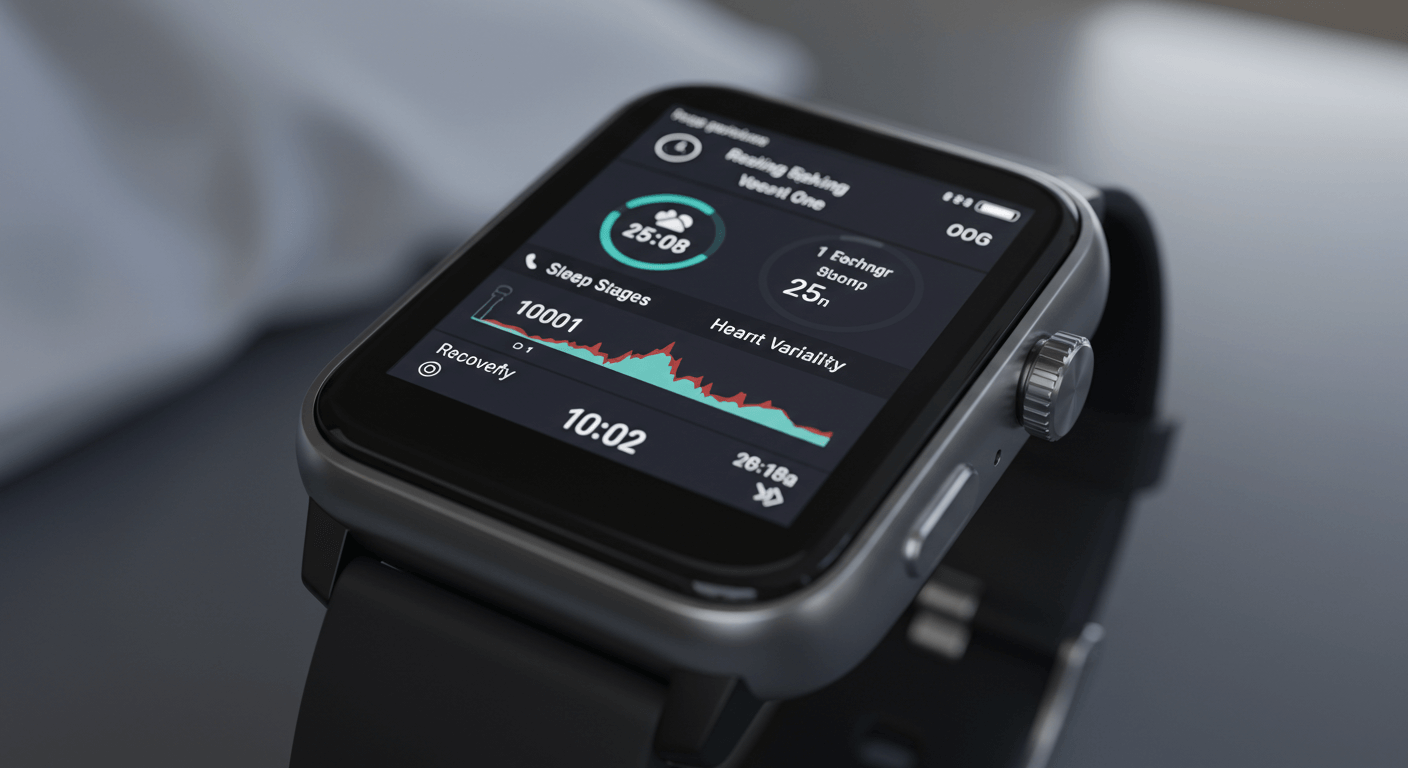
By converting what was formerly a passive process into an active, data-driven one, sleep tracking technology has completely changed how people approach recovery. Smartwatches and wearable technology enable users to gain a deeper understanding of their bodies by tracking vital metrics including blood oxygen levels (SpO2), heart rate variability (HRV), and sleep stages. This realization lowers the chance of injury, maximizes rest, avoids overtraining, and enhances mental and physical health.
Since each stage of sleep has a distinct function in healing and repair, it is essential to comprehend them. While REM sleep promotes cognitive function and emotional well-being, deep sleep helps muscles grow and recover. By keeping track of these phases, people can spot sleep gaps and modify their routines accordingly. Similarly, HRV provides an indicator of how well the nervous system is handling everyday pressures by showing when the body is ready for activity or when it needs rest.
By identifying breathing irregularities that may impede restful sleep and recuperation, blood oxygen monitoring completes this picture. When taken as a whole, these statistics offer a thorough picture that extends well beyond sleep time.
Experiences in the real world demonstrate how useful sleep tracking is. Access to individualized recovery insights has a noticeable impact on anything from busy professionals managing stress to elite athletes optimizing training cycles. In addition to revealing latent sleep problems, wearable technology promotes better habits and more informed decision-making.
In the end, putting sleep and recuperation first with the aid of contemporary tracking tools promotes long-term health, boosts productivity, and raises quality of life. Including sleep tracking in a health regimen is a significant step forward for anyone who is serious about recuperation, whether they are an athlete, professional, or someone looking for improved sleep. It’s an investment in your body’s daily capacity to recover, rejuvenate, and flourish.