

Juicing has gained popularity as a handy way to eat fresh fruits and vegetables and improve daily nutrition. A quality juicer can make all the difference, whether you’re looking for a vitamin-rich morning beverage or a revitalizing post-workout boost. Selecting the best model or type can be overwhelming due to the abundance of options. Before making a purchase, it is crucial to comprehend the characteristics that make a juicer effective, long-lasting, and simple to use.
Juicing is only one of the functions of a good juicer. It saves time with easy cleaning, optimizes yield, and maintains nutrients. While some juicers perform well with softer produce and leafy greens, others are great with hard fruits like apples and carrots. Every glass provides the anticipated health benefits when factors like juice quality, nutrient retention, and efficiency are taken into account. Convenience features like easy pulp ejection, low noise levels, and adjustable speed settings make the daily juicing routine smooth and pleasurable.
Additionally important are build quality and durability. Strong motors and premium stainless steel parts give juicers a longer lifespan and steady performance over time. A product’s quality can also be determined by its responsive customer service and dependable warranty. Additionally important are size and storage options, particularly for people with small kitchens. The juicer’s lightweight and compact design makes it simple to store without taking up too much space on the countertop.
When making decisions, price is frequently a major factor, but value should always come before price. Long-term cost savings can be achieved by investing a little more in a sturdy, feature-rich juicer that will last for years and extract more juice. Additional reassurance is offered by a brand’s reputation and satisfied customers, which highlight goods that continuously live up to user expectations.
In order to help you make an informed decision, we will break down each of the best qualities to look for in a juicer in this guide. From types of juicers and juice quality to ease of cleaning and additional features, understanding these aspects will ensure a satisfying juicing experience. You will know exactly what to look for by the end of this article, which will make the process of selecting the ideal juicer easier and more secure.
Type of Juicer
One of the most crucial choices for anyone hoping to consume fresh, nutrient-rich juice is selecting the appropriate kind of juicer. Depending on your needs, each of the three primary juicer types—triturating, masticating, and centrifugal offers unique benefits.
Centrifugal juicers are fast and convenient, using high-speed spinning blades to extract juice. They work well with hard fruits and vegetables, such as apples and carrots, and are ideal for those who want a quick juice without much prep. However, they may produce slightly lower nutrient retention compared to slower juicers.
Masticating juicers, also known as slow or cold-press juicers, crush and press produce at a slower pace. This method preserves more vitamins, minerals, and enzymes, making them perfect for leafy greens, wheatgrass, and soft fruits. They tend to yield more juice with less foam, though they take a bit longer to use and clean.
Triturating or twin-gear juicers offer the highest efficiency, grinding and pressing produce to maximize juice yield. These juicers are suitable for a variety of fruits and vegetables, providing excellent nutrient retention and smooth consistency.
Understanding the distinctions between these types helps you choose a juicer that fits your lifestyle, nutritional objectives, and kitchen routine, ensuring every glass of juice is fresh, healthy, and pleasant.
Best Qualities to Look Out for in a Juicer
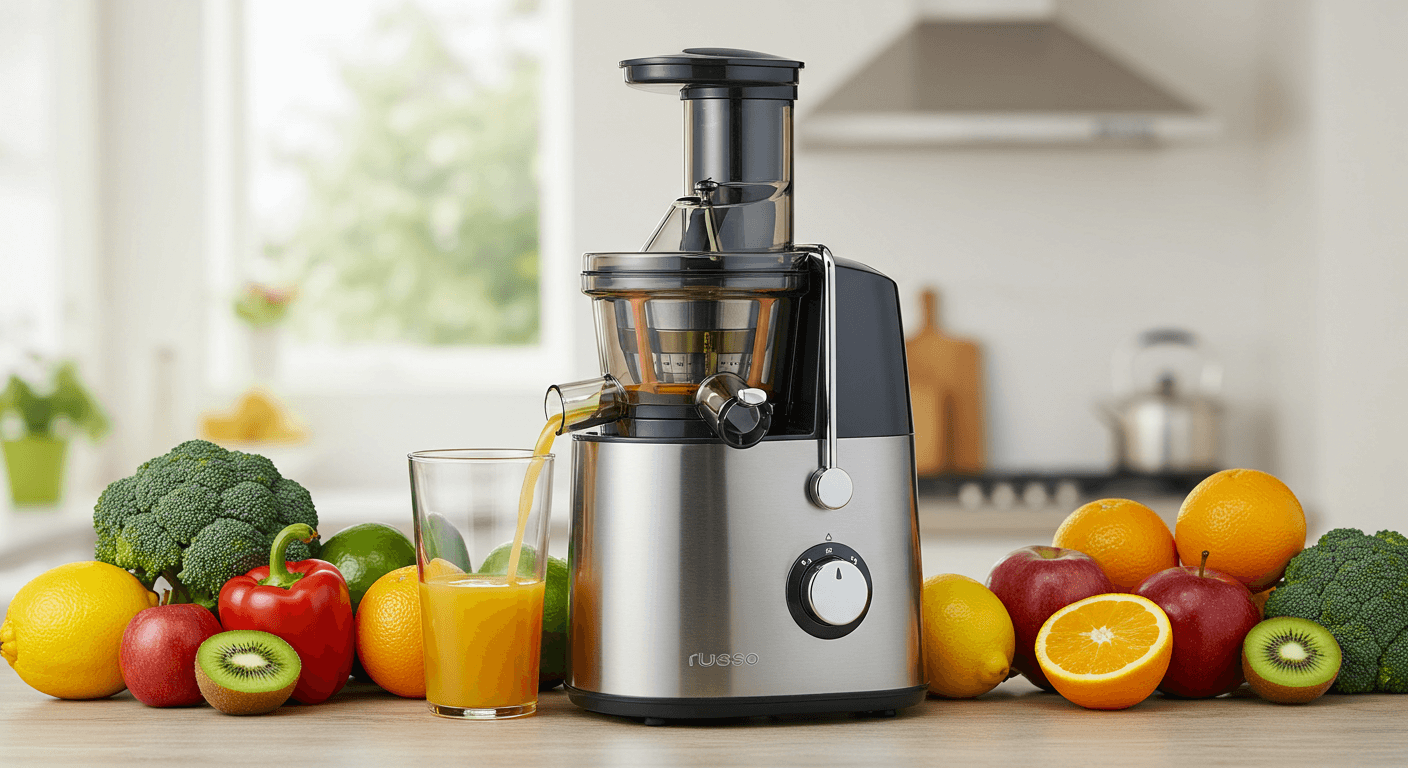
Juice Quality and Nutrient Retention
When purchasing a juicer, one of the most crucial things to consider is juice quality and nutrient retention. Fresh juice should not only taste wonderful but also provide optimal health advantages, including vitamins, minerals, and enzymes. Different juicers affect nutrient retention in different ways, making this a vital aspect for anybody serious about juicing.
Masticating and triturating juicers excel in conserving nutrients since they run at slower speeds and employ gentle extraction processes. This lowers heat and oxidation, both of which can kill delicate vitamins and enzymes. Slow juicers are particularly successful with leafy greens, wheatgrass, and soft fruits, giving juice that is rich in flavor and minerals.
Centrifugal juicers, while speedier, often yield somewhat lower-quality juice. The high-speed spinning blades can generate heat, which may contribute to modest nutritional loss. Additionally, centrifugal juicers tend to make more foam and separate faster, which might compromise texture and freshness. Despite this, they remain a realistic solution for individuals emphasizing speed and convenience.
Pulp content also affects juice quality. Juicers that separate pulp efficiently tend to produce smoother, more pleasurable juice. Some types also allow altering pulp amounts to suit personal liking.
Juice should be consumed as soon as possible after extraction to optimize nutritional retention. Long-term storage of juice, even in the refrigerator, might deplete its nutritious content. Selecting a juicer that strikes a balance between speed and slow, gentle extraction guarantees that more vitamins, minerals, and enzymes are retained in each glass, making each serving more gratifying and healthful. You may maximize the benefits of each item and enjoy fresh, vivid juice that promotes general health by concentrating on juice quality and nutrient retention.
Ease of Cleaning
When selecting a juicer, cleaning ease is an important consideration. Juicing on a regular basis may be discouraged by a difficult-to-clean juicer. Long-term time and effort savings are achieved through quick and easy cleanup, which guarantees the juicer stays hygienic and ready for frequent use.
In general, cleaner juicers have fewer parts. Cleaning time is greatly decreased by detachable parts that are dishwasher safe or simple to rinse under running water. Certain types have smooth or non-stick surfaces that make wiping down simple by preventing pulp and juice from adhering.
Centrifugal juicers are perfect for consumers that value speed and convenience because they typically have fewer parts and can be cleaned in a matter of minutes. To prevent clogs and residue accumulation, pulp traps and fine mesh filters, however, could need special attention.
Because masticating and triturating juicers frequently have more parts, such as screens and augers, cleaning them may take a little longer. Nevertheless, a lot of contemporary slow juicers have unique brushes and parts that are simple to disassemble, making the job easier without sacrificing efficiency.
Automatic pulp ejection is an additional function to consider. Continuous pulp removal juicers avoid internal accumulation, which lessens the need for frequent cleaning and disassembly.
Making cleaning simple a top priority not only improves convenience but also promotes frequent use, guaranteeing that you may drink fresh, nutrient-dense juice every day. Juicing is made more pleasurable from beginning to end when you select a juicer that is made for easy and quick maintenance.
Durability and Build Quality
When choosing a juicer, durability and build quality are crucial considerations. Juicers that are built well can endure regular use and continue to function consistently for many years. Longevity and dependability are enhanced by materials including strengthened gears, premium plastic, and stainless steel.
An essential part is the motor; strong motors with a robust design can handle tough fruits and vegetables without overheating. Centrifugal juicers need strong blades and mesh filters to continue to operate efficiently over time, but slow juicers, such as masticating or triturating versions, frequently include sturdy gears and parts made for heavy use.
Strong construction also lowers the possibility of leaks, cracks, or malfunctions, and a trustworthy guarantee shows that the product is of high quality. By avoiding frequent replacements, investing in a long-lasting juicer not only improves performance but also saves money over time. Selecting a juicer with superior construction quality guarantees a reliable, hassle-free juicing experience.
Juice Yield and Efficiency
Efficiency and juice yield are important considerations when choosing a juicer. By extracting as much juice as possible from fruits and vegetables, a high-quality juicer reduces waste and guarantees that every ingredient provides its full nutritious value.
With their ability to carefully crush and press food to extract every drop of juice, masticating and triturating juicers are renowned for their exceptional efficiency. Higher yields are the outcome, particularly from soft fruits, wheatgrass, and leafy greens. Additionally, their juice is smoother and has less separation and foam.
Despite being quicker, centrifugal juicers may leave more pulp behind, which lowers the amount of juice produced overall. They are nonetheless practical for people who value speed and usability in spite of this.
By extracting the maximum amount of juice from each ingredient, efficient juicers save time and money. Selecting a juicer that strikes a balance between yield, speed, and nutrient retention guarantees consistently high-quality juice with each use, increasing the satisfaction and affordability of daily juicing.
Noise Level and Speed Settings
When selecting a juicer, speed settings and noise level are crucial factors to take into account. You can modify the juicing procedure based on the type of produce by adjusting the speed controls. Low speeds are best for soft fruits and leafy greens, which help retain nutrients and cut down on froth, while high speeds are good for hard fruits and vegetables.
Another important consideration is noise level, particularly for people who want a calm kitchen. Because of their high-speed spinning blades, centrifugal juicers are typically noisier, which can be annoying in confined quarters or early in the morning. Because they run more silently, masticating and triturating juicers are appropriate for homes where noise pollution is an issue.
Efficiency and comfort are guaranteed when you select a juicer with adjustable speed settings and minimal noise. This combination improves the entire juicing experience by enabling premium juice extraction while preserving a calm kitchen atmosphere.
Dimensions and Storage
When choosing a juicer, size and storage are crucial considerations, particularly for homes with small countertops. From small, space-saving models to bigger, feature-rich devices, juicers come in a variety of sizes. Selecting the appropriate size guarantees that the juicer will still suit your juicing requirements and fit comfortably in the kitchen.
For tiny kitchens or those who prefer to keep the juicer in a cupboard while not in use, compact models are perfect. Although they take up more countertop space, larger juicers frequently have more features, stronger motors, and higher juice yields.
Another factor to take into account is weight, since models that are lighter are simpler to transport and store. Additionally, some juicers include parts that can be removed, which makes packing them up easier and less messy. Making size and storage a priority guarantees ease and helps keep the kitchen tidy and orderly while still allowing you to enjoy fresh, nutrient-dense juice every day.
Conclusion
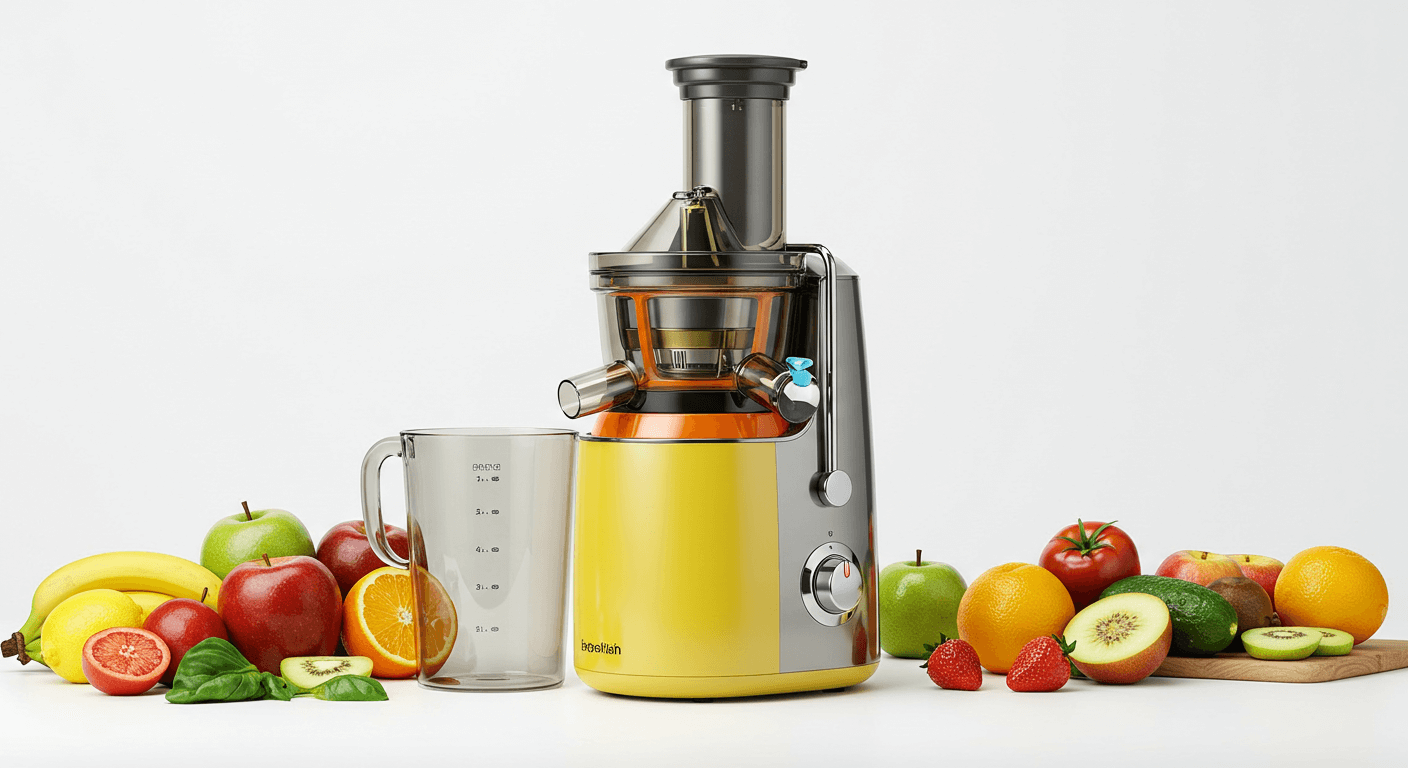
Choosing a brand or price range is only one aspect of choosing the best juicer. A juicer that meets nutritional and lifestyle objectives is guaranteed when important factors, including type, juice quality, nutrient retention, simplicity of cleaning, and durability, are taken into account. The speed, effectiveness, and capacity to extract juice from various kinds are influenced by the type of juicer,centrifugal, masticating, or triturating. While efficiency and high juice yield guarantee that every ingredient is used to its maximum potential, nutrient retention and juice quality are crucial for optimizing health benefits.
Regular juicing is easy and convenient because of practical considerations like size, storage, and ease of cleaning that affect everyday utilization. Juicing is made easier and more pleasurable by extra features such as automated pulp ejection, low noise operation, and adjustable speed settings.
Purchasing a long-lasting, well-made juicer with the appropriate features offers long-term value by continuously producing fresh, nutrient-rich juice. By concentrating on these crucial characteristics, selecting a juicer becomes a self-assured, knowledgeable choice that will enable you to enjoy tasty, healthful juice every day with the least amount of hassle.