

It’s almost impossible to escape screens in today’s digital environment. The majority of individuals are exposed to artificial light for hours every day from devices like televisions, tablets, laptops, and cellphones. Blue light, a high-energy wavelength released by the sun and contemporary electronics, is one kind of light that has garnered increasing interest. Natural blue light is crucial for controlling alertness during the day, but too much of it at night has been connected to eye strain, weariness, and disturbed sleep.
Blue-light-blocking spectacles, which are promoted as an easy way to enhance sleep and lessen discomfort from digital screens, have become increasingly popular as a result of this worry. These glasses are made to block out blue light, especially in the evening when exposure might disrupt the body’s melatonin production and circadian rhythm. However, do they actually fulfill the claim of improved sleep quality?
Long-term screen use before bed has been linked to delayed sleep initiation and poorer sleep quality, according to studies. Many users, such as shift workers, students, and gamers, have turned to blue-light glasses in an attempt to find respite as a result of this. While some observe little change, others claim benefits in feeling more rested and falling asleep more quickly.
One thing is evident from ongoing research: there is a complex relationship between light, sleep, and health. Although they might help some people, blue-light-blocking glasses are not a panacea for bad sleeping patterns. Determining whether these glasses are worth including in your wellness regimen can be accomplished by investigating the science, user experiences, and other approaches. This article will explain what blue light is, how it impacts sleep, whether these glasses are actually effective, and further steps you may take to get better sleep every night.
What Is Blue Light?
One of the visible light types on the spectrum with a short wavelength and high energy is blue light. It is found in sunshine naturally and is essential for preserving alertness, elevating mood, and controlling the circadian rhythm, the body’s internal clock that tells us when to be up and when to go to sleep. Natural blue light exposure during the day can assist in maintaining high energy levels and enhancing focus.
But contemporary gadgets also create blue light artificially. Major sources include laptops, tablets, smartphones, LED lights, and televisions. The body’s regular sleep-wake cycle may be disturbed by exposure in the evening and at night, in contrast to natural exposure during the day. This is because melatonin, a hormone that helps the body get ready for sleep, is suppressed by blue light.
Therefore, prolonged or late-night screen use might fool the brain into believing it is still daytime, which can result in trouble falling asleep, restless nights, or poor sleep quality. Because of this, it is crucial to comprehend blue light in today’s technologically advanced society, particularly for people who depend on electronic gadgets for work, education, or leisure.
Excessive artificial blue light can cause digital eye strain, which manifests as headaches, blurred vision, and dry eyes, in addition to interfering with sleep. Concerns over the long-term impacts on vision and general health are growing as screen use rises across all age groups.
Researchers and medical experts have looked into remedies, including blue-light-blocking spectacles as a result of these problems. These glasses seek to alleviate the strain caused by extended screen use while also minimizing sleep disruption by lowering exposure in the evening. Determining if limiting blue light can actually enhance sleep quality requires first understanding its sources and physiological effects.
The Science Behind Sleep and Blue Light
The circadian rhythm, an internal 24-hour clock that governs energy, alertness, and slumber, controls sleep. Melatonin, a hormone that is normally released in the evening and tells the body to wind down, is one of the main actors in this process. It is simpler to fall asleep and stay asleep through the night when melatonin levels are higher.
Nighttime exposure to blue light, however, can interfere with this process. Compared to other light wavelengths, blue light suppresses melatonin production more effectively because of its potent effects on the brain. This delays the start of sleep by tricking the body into remaining awake. Studies have indicated that even minor exposure to blue light in the evening, whether from television displays, laptops, or cellphones, might alter the circadian rhythm, leading to later bedtimes, shorter sleep durations, and worse sleep quality.
Numerous investigations back up these conclusions. For instance, compared to those who minimized exposure, participants who used electronic devices prior to bedtime had a harder time falling asleep and had a lower rate of REM sleep. In addition to causing daily exhaustion, poor sleep has an adverse effect on mood, memory, focus, and general health.
Teenagers, students, and shift workers who frequently use screens late into the night should be especially concerned about this interruption. Chronic circadian misalignment has been connected over time to increasingly severe health concerns, including immune system weakness and metabolic disorders.
Knowing the science underlying how blue light affects sleep helps explain why blue light filtering techniques, including using glasses, screen filters, or night mode settings, have grown in popularity. Reducing exposure during the hours when melatonin should be increasing may help people fall asleep more easily and get better sleep overall.
What Are Blue-Light Blocking Glasses?
Specially made eyewear known as “blue-light blocking glasses” filters or lessens the quantity of blue wavelengths that enter your eyes. They are promoted as a remedy for the rising issues of digital eye strain and sleep disturbance brought on by extended screen time. These lenses, in contrast to regular prescription or reading glasses, frequently have a faint yellow or amber tinge, while others are made to appear totally clear while still blocking blue light.
These glasses’ primary objective is to reduce exposure to artificial blue light, particularly in the evening when the body is naturally getting ready for sleep. They assist the brain in maintaining appropriate melatonin production and circadian rhythm balance by lessening the strength of blue wavelengths. This can result in longer rest intervals, easier sleep initiation, and less grogginess the next day for a lot of consumers.
In addition to their potential benefits for sleep, blue-light filtering glasses are used to reduce eye strain from digital devices. These glasses are designed to lessen the discomfort that comes with prolonged screen usage, which can cause symptoms including headaches, blurred vision, fatigued eyes, and trouble focusing. Because of this, they are well-liked among students, office professionals, and gamers who spend a lot of time in front of electronic devices.
Blue-light blocking glasses are available in a variety of styles, from high-end models that may be modified with prescription lenses to more affordable non-prescription options. While some glasses are made to filter a larger percentage of blue light for more pronounced effects, others just block a portion of it. These glasses are a practical and easily accessible tool for people who wish to control the effects of technology on their eyes and sleep health, even though they are not a panacea.
Do They Actually Make Sleep Better?
The main query that many people have is whether or not blue-light-blocking glasses actually improve sleep quality. According to research, they may significantly enhance the quality of sleep, especially for those who use screens at night.
Wearing blue-light blocking glasses in the hours before bedtime has been linked to improved melatonin production, earlier sleep onset, and more restful sleep, according to several studies. One clinical trial, for instance, revealed that those who wore amber-tinted lenses two hours prior to bedtime experienced noticeably better mood and sleep the next day. This suggests that limiting exposure to artificial light during crucial nighttime hours may be beneficial.
However, the efficacy may differ based on personal habits. The greatest gain might be seen by people who use screens excessively at night, while the benefits might be less pronounced for those who use devices less frequently. It’s also important to remember that different blue-light glasses have different qualities. Lighter filters may be more focused on lowering eye strain, but glasses that block a larger percentage of blue wavelengths are usually more beneficial for improving sleep.
Critics contend that equivalent outcomes can be obtained by merely reducing screen time before bed or by utilizing devices’ built-in night shift or warm display settings. Although this is true, glasses provide a practical answer for people who can’t resist using devices at night, such as students, remote professionals, or people who utilize digital entertainment to relax.
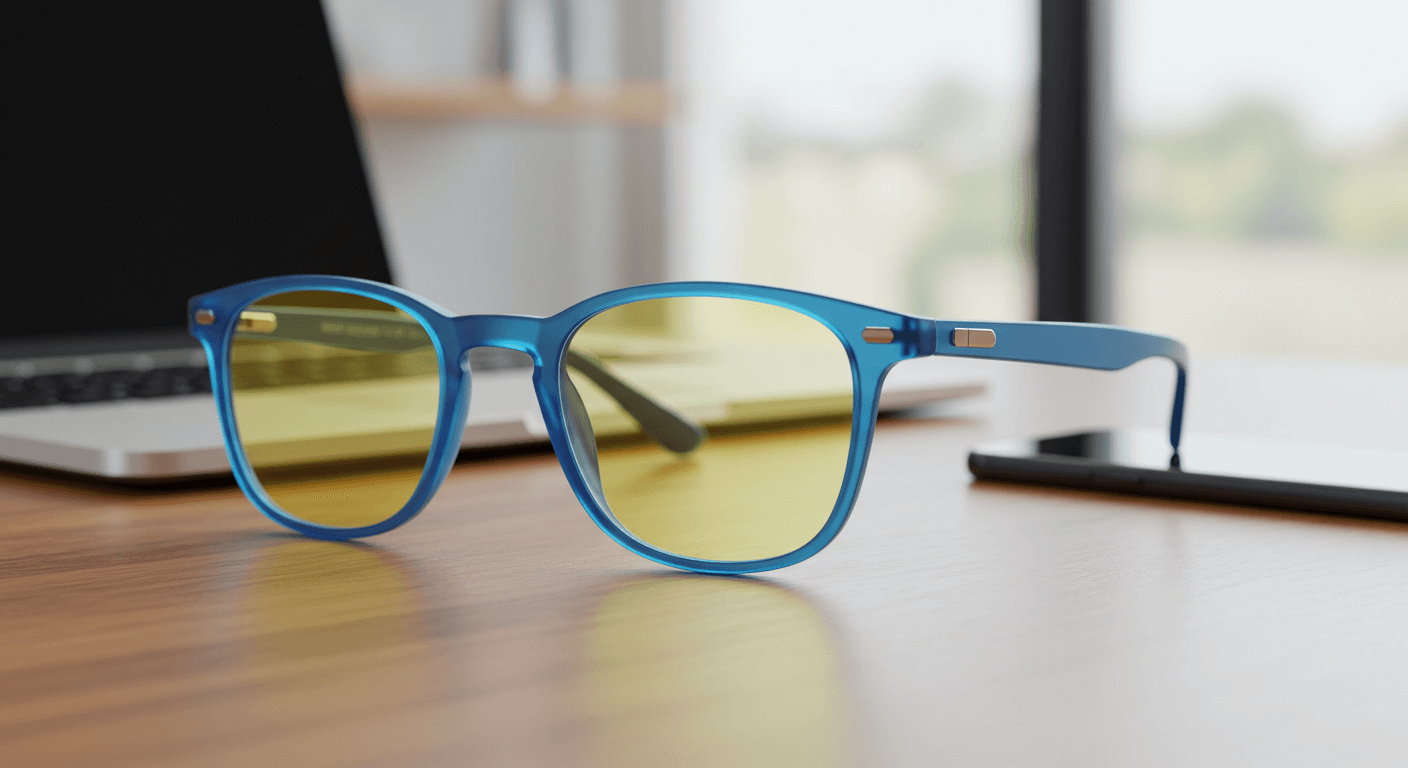
In summary, research indicates that, when worn regularly as part of proper sleep hygiene, blue-light blocking glasses can support healthier circadian rhythms and encourage deeper relaxation, even though they are not a panacea for restless nights.
Other Benefits of Blue-Light Blocking Glasses
Although blue-light-blocking glasses are frequently talked about for their ability to enhance sleep, they also have a number of other advantages that make them practical for everyday use. Their capacity to lessen digital eye strain, commonly referred to as computer vision syndrome, is among the most noteworthy. Hours spent in front of screens can cause headaches, blurred vision, eye fatigue, and trouble focusing. They reduce eye strain and make prolonged screen time more comfortable by blocking high-energy blue wavelengths.
Their ability to lower the danger of permanent eye injury is an additional benefit. According to certain research, extended exposure to artificial blue light may eventually raise the risk of age-related macular degeneration and cause retinal stress. Wearing blue-light filtering glasses could offer an extra degree of safety for people who spend a large portion of their day on digital gadgets; however, the study is still underway.
Additionally, blue-light-blocking eyewear might enhance visual comfort. Blue light can produce glare because it scatters more readily than other kinds of light, particularly when it’s shining on bright screens or LED lighting. Blue-light-filtering glasses frequently lessen glare, enhancing contrast and facilitating clearer detail vision. For those who work under harsh office lighting or drive at night, when headlights from oncoming vehicles frequently create strong levels of blue light, this can be especially useful.
Finally, decreasing exposure to blue light may help minimize triggers for migraines or light sensitivity. When wearing these glasses regularly, many users report experiencing fewer headaches and less discomfort. Blue-light-blocking spectacles provide daily eye relief and promote long-term wellness, with advantages that go beyond improved sleep quality.
Choosing the Right Pair of Blue-Light Glasses
Choosing the best blue-light filtering glasses can be overwhelming due to the abundance of alternatives. Finding glasses that fit your lifestyle, provide good filtering, and are comfortable enough to wear every day is crucial.
Filtering strength should be taken into account first. The percentage of wavelengths that are blocked by blue-light glasses varies. Some lenses include a 20–30% filter, which is perfect for lowering eye strain during the day without compromising color vision. Others, which are better suited for evening use to promote melatonin generation and enhance sleep quality, block 90% or more of blue light, frequently with amber or orange-tinted lenses. Whether screen weariness, sleep, or both are your main concerns will determine which strength is best for you.
Fit and comfort are also important. Lightweight frames with movable nose pads or flexible arms might help ensure that these glasses don’t cause discomfort because they are usually worn for extended periods of time. Because prescription choices are also available, they are a sensible solution for people who require corrective lenses.
Another factor to consider is style. Nowadays, blue-light-blocking glasses are available in a variety of styles, from business to casual, so you don’t have to compromise style for functionality. In order to prevent the amber or yellow tinge, some even have clear lenses, which makes them more covert while maintaining protection.
Finally, take into account extra characteristics that can improve longevity and overall efficacy, such as UV protection, scratch resistance, or anti-glare coatings. You can choose a pair of blue-light glasses that enhances eye comfort and sleep quality while still blending in with your everyday routine by weighing filtering strength, comfort, and style.
Conclusion
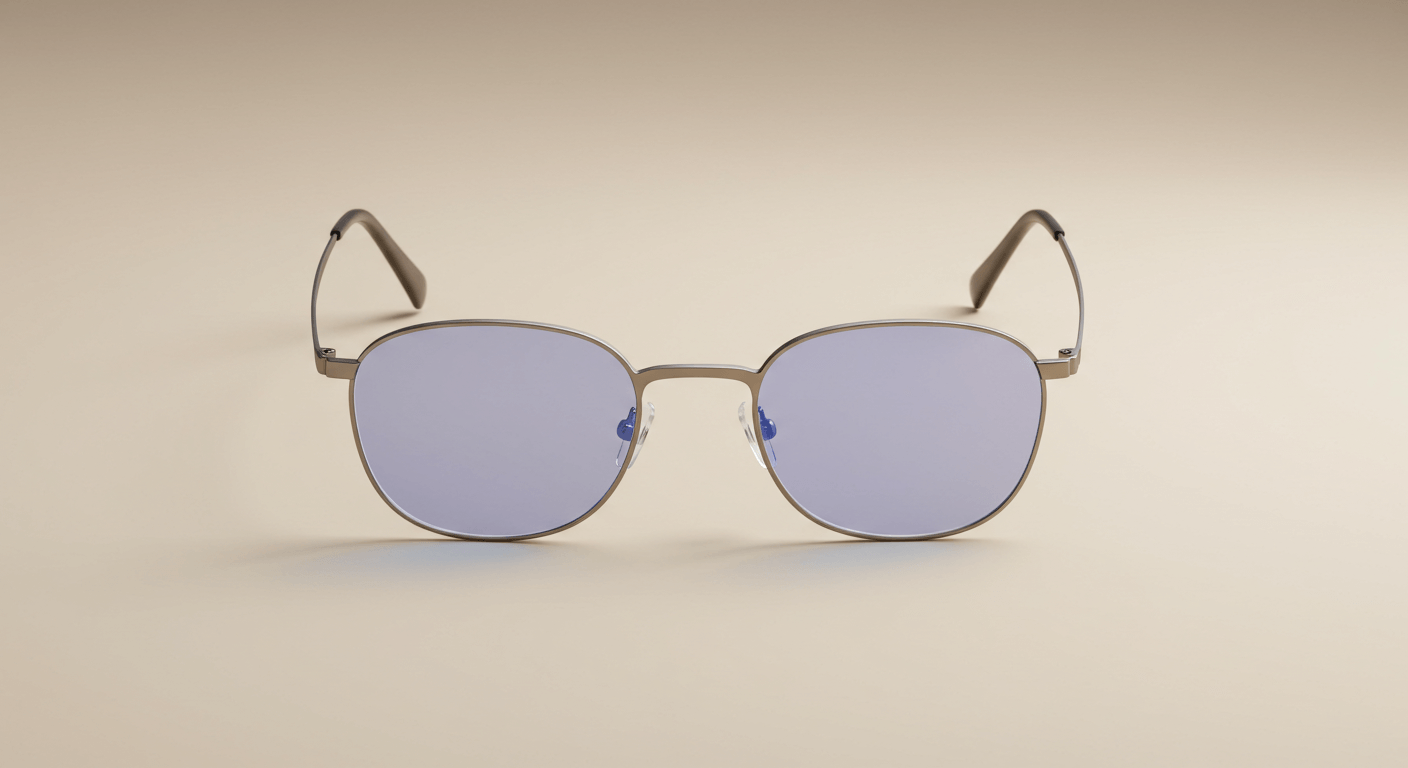
As more individuals look for solutions to safeguard their eyes and get better sleep in a world where screens are utilized more and more, blue-light filtering glasses have become more and more popular. These glasses can lessen brightness, lessen digital eye strain, and, in many circumstances, promote higher-quality sleep by blocking out harmful blue wavelengths. According to research, wearing them in the evening may encourage the creation of melatonin, which would facilitate falling asleep and maintaining a regular sleep schedule.
They can be a useful tool when combined with healthy practices like cutting back on screen time before bed, lowering room lighting, and keeping a regular bedtime routine, even though they are not a foolproof solution for bad sleep. Students, professionals, and gamers can all benefit from blue-light spectacles, which may reduce headaches, eye fatigue, and even long-term exposure dangers when worn during the day.
Selecting the ideal pair of glasses guarantees that they satisfy both practical and lifestyle requirements, taking into account factors like comfort, filtering strength, and personal style. Blue-light blocking glasses can be a useful and desirable addition to your wellness regimen, regardless of your objectives; whether they are to improve your quality of sleep, shield your eyes from prolonged computer use, or just make you feel more at ease in front of computers. They provide a straightforward, scientifically supported method of promoting both eye health and sleep quality in the current digital era, even though they might not be a miracle treatment.