

Staying hydrated is a simple yet crucial part of maintaining good health. It helps with metabolism, regulates blood temperature, aids digestion, and improves skin health. Water bottles are used to make water easily accessible, thereby reducing the risk of dehydration. Dehydration occurs when you lose or use more fluid than you take in, and the symptoms include feeling thirsty, lightheaded, sunken eyes, dry mouth, lips, and tongue. To prevent dehydration, using water bottles in our daily routine is essential.
Single-use plastic bottles are causing problems for the planet as only 16 per cent of plastics are recycled. This poses a threat to both the climate and human health as the breakdown of this plastic releases greenhouse gases, which are harmful to humans. These plastics can be recycled in three ways: landfill, incineration, or recycling. Incineration facilities are mostly built near communities of low-income populations, making it a massive environmental injustice as the burning of plastic waste can release thousands of pollutants, thereby putting the habitats of that area at risk of exposure.
Among these, self-cleaning water bottles have gained popularity, they are not only eco-friendly but have promised to be free of bacteria. They are perfect for on-the-go lifestyles like hiking, going to the gym, to work or just running errands. You can be assured that every sip of the purified water will keep you and your loved ones safe, healthy and hydrated.
What Are Self-Cleaning Water Bottles?
These bottles contain a revolutionary UV-C LED bulb that disinfects and eliminates bacteria from the inside of the bottle, making your water free from bacteria and significantly safe for drinking.
As the campaign against single-use water bottles rises, people are drawn to reusable water bottles, which can stink with time due to an irregular cleansing rate. Bacteria, which are microscopic living organisms, multiply rapidly under favorable conditions, including moisture and nutrients; when these are present on the surfaces of the bottle and ingested, they can lead to health risks like gastrointestinal infections, respiratory issues and so on. These bacteria include E. coli, Salmonella, and Staphylococcus aureus. This is enough to drive individuals away from these reusable bottles and back to the single-use bottles since they are thrown away after use, and there is little to no risk of drinking contaminated water.
These self-cleaning bottles are here to save both climate and human health issues as they have an installed UV-C light inside the cap of their self-cleaning bottle. This UV-C light has been used and is still used in hair salons, transportation and hospitality to disinfect surfaces and the air.
How does UV-C LED work?
This is one of the most popular topics in modern sanitisation: UV-C light and how it works to fight bacteria and viruses. Ultraviolet-C [UV-C] radiation has wavelengths of 100nm-280nm. This is the spectrum of the Sun’s radiation we are supposed to be exposed to if not for the ozone layer, which prevents UV-C rays from reaching the earth’s surface.
UV-C light damages molecules like nucleic acids and proteins in the DNA of bacteria, viruses, and fungi, causing mutation in DNA via dimerisation. They are rendered incapable of replicating and inactive to either harm or spread infection. Research has shown up to 99 per cent reduction in harmful microorganisms, including E. coli, Salmonella, norovirus, and parasites like Giardia and Cryptosporidium.
This UV-C light is in the bottle’s cap with a rechargeable battery. When turned on, it emits its rays into the water and interior surfaces of the bottle to kill germs.
Studies have confirmed the effectiveness of using UV-C light to kill germs. This targeted some particular organisms like Escherichia coli, Pseudomonas aeruginosa, vibrio cholerae and heterotrophic contaminants. These bottles were filled with contaminated water, and the disinfection efficacy was examined using the colony-forming unit assay for each bacteria strain. All UVC irradiation experiments were made under stationary conditions to establish the 55s of the required disinfection performance under the tested conditions.
Ninety-nine per cent inactivation efficacy against E. Coli and 99 per cent efficacy against p. aeruginosa, V. cholerae, and heterotrophic contaminants were achieved.
Self-Cleaning UV-C Water Bottle Design
Here is a breakdown of the design considerations:
- UV-C light source: A UV-C LED emits radiation at 268.5nm peak wavelength, it is strategically placed within the chamber to ensure optimal sterilisation by targeting pathogens. It has an emission angle of 130 degrees that offers continuous disinfection for 55s.
- Sealed Chamber: The caps of these bottles are made to be completely airtight to prevent the exposure of UV-C light waves from the bottle onto the users, causing a mutation in DNA and resulting in harmful events like cancer, skin burn, premature ageing, and blindness. Although research claims these waves cannot penetrate the skin of the human body, prevention is somewhat better than cure. Effective measures to prevent the exposure of these waves to its users are highly recommended.
- Reflective interior: The interior of the bottles should be made with a highly reflective material like aluminium, which is necessary to reflect the UV-C wave light to all parts of the bottle, thereby targeting the water efficiently.
Safety Features While In Use
- Interlock: This feature is essential as the cap can not be activated unless it is closed securely.
- Timer: This is essential to prevent overexposure to the UV-C light, as the timer automatically shuts down after the required disinfection duration.
- Warning Indicators: This protects the user as it signals that the device is operating. This helps the user to be careful while handling the bottle and, therefore, stay away from the light source.
- Protective Cover: A silica window is an example of a protective cover material. This protects the direct contact of the UV-C light to the user.
- Durable Chamber Material: The selected material can resist and withstand repeated cleaning cycles.
- UV-Transparent Window: The user can see inside the device through the UV-C transparent window, which allows UV light to pass while protecting the UV source.
Factors Affecting Effectiveness
- Light Intensity: The intensity of the light will affect how effective the cleaning will be. Higher UV-C light intensity is more effective in penetrating and killing organisms. Optimum light intensity is necessary for thorough disinfection.
- Duration of Purpose: The longer the water is exposed to the UV-C light, the more effective it is in killing bacteria. This bottle has calibrated cleaning cycles to provide the right amount of time needed for cleaning.
- Water Sources: To achieve optimum results, the preferred water is clear as particles tend to absorb the UV-C light and reduce its efficacy. It’s advisable to filter the water if there are solid particles before putting it into the bottles.
- Bottle Design: The placement of the UV-C light in the cap is critical for optimum exposure, and these bottles are built with highly reflective material for the distribution of the wave.
Pros of Self-Cleaning Water Bottle
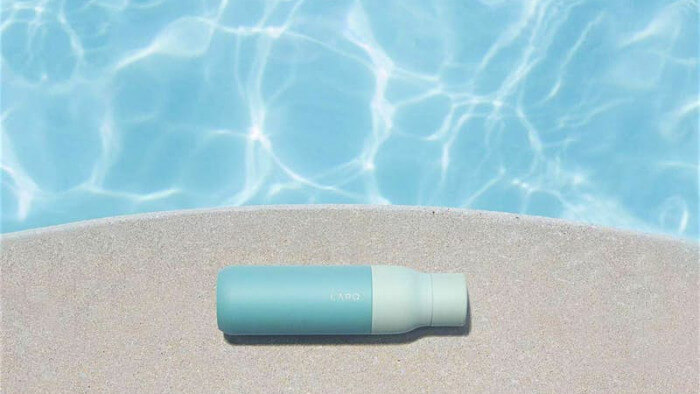
Self-cleaning water bottles provide consumers with a hassle-free and hygienic hydration option by using cutting-edge UV-C light technology to eradicate bacteria and viruses. Some main pros of using a self-cleaning water bottle are discussed below.
- Removes Dangerous Bacteria and Viruses: UV-C light technology, which is used in self-cleaning water bottles, has been shown in studies to eradicate up to 99.99% of bacteria and viruses. By altering the DNA of dangerous microbes, this technology stops them from growing and makes them inert. Self-cleaning bottles continuously sanitize the inside, lowering the danger of contamination and sickness, in contrast to traditional bottles that need to be scrubbed by hand and treated with harsh chemicals to get rid of bacteria.
- Prevents Bad Odors and Mold Growth: Musty odours and mould growth are common issues with traditional water bottles that arise from bacterial accumulation, especially when bottles are not cleaned regularly. Self-cleaning bottles stop microbial development before it begins, which helps avoid this problem. Your bottle stays fresh and odour-free, guaranteeing that your water always tastes pure and clean.
- Eco-Friendly and Reduces Plastic Waste: By purchasing a self-cleaning water bottle, you lessen the need for single-use plastic bottles, which helps to preserve the environment. Millions of plastic bottles wind up in landfills and the ocean every year, seriously harming the environment. A sturdy, reusable, self-cleaning bottle dramatically reduces waste and plastic use, helping to create a more environmentally friendly world.
- Saves Time and Effort: Cleaning a conventional reusable bottle takes time, soap, and effort and frequently calls for brushes to get into all the crevices. With its automated cleaning mechanism, a self-cleaning water bottle removes this inconvenience. Most bottles need a button to turn on the UV-C light, sterilising the inside in 90 to 180 seconds. This function is beneficial for people with hectic schedules who are looking for a low-maintenance hydration solution.
- Efficiency and Long-Lasting Battery Life: Rechargeable lithium-ion batteries, found in most self-cleaning water bottles, can run for weeks between charges. The UV-C light is effectively powered by these batteries, guaranteeing that your bottle stays clean without needing regular refilling. This makes them the perfect option for tourists, hikers, and outdoor enthusiasts who do not have regular access to cleaning facilities.
- Preserve Water Temperature for Long-Term: Double-walled stainless steel, which offers superior insulation, makes many self-cleaning water bottles. They are, therefore, adaptable for both warm and cold beverages, keeping water hot for up to 12 hours or cold for up to 24 hours. This feature is beneficial for people who want temperature control for their beverages, whether at the office, gym or on outdoor excursions.
- Perfect for Outdoor Lovers and Travelers: When travelling or participating in outdoor activities like hiking, camping, or backpacking, it might be challenging to get clean water. Even if you replenish your water bottle from dubious sources, a self-cleaning bottle guarantees you will always have access to pure water. When handling potentially hazardous water, specific high-end versions have a blitz mode that offers further purification, giving you peace of mind wherever you go.
- Cost-Effective Over Time: Self-cleaning water bottles may initially cost more than conventional bottles, but they are more economical in the long run. Savings can be substantial when bottled water is no longer necessary, and disposable plastics are used less frequently. Furthermore, the bottle’s lifespan is increased, and fewer replacements are required because it remains clean without continual cleaning.
- Easy to Use and Low Maintenance: The purpose of self-cleaning water bottles is convenience. The cleaning process is simple for people to initiate with a single button. The hassle-free experience is guaranteed because the UV-C light handles all the work. In contrast to conventional bottles that need to be scrubbed, thoroughly cleaned, and dried, these bottles take care of themselves with little assistance from the user.
- Encourages Better Hydration Habits: The hassle of routinely cleaning reusable water bottles makes many individuals shy away from using them. This worry is removed with a self-cleaning water bottle, which makes it simpler to stay hydrated all day. Regular use is encouraged by a clean bottle, which guarantees you drink enough water and stay healthy.
Cons of Self-Cleaning Water Bottle
Although Self-cleaning water bottles provide a novel way to preserve hygiene and lessen the need for manual cleaning, several drawbacks affect their overall efficacy, usability, and affordability. Below, we analyze some of the drawbacks of self-cleaning water bottles.
- High Initial Cost: Compared to conventional reusable bottles, self-cleaning water bottles have a high initial cost, one of its most significant disadvantages. While self-cleaning water bottles often cost $50 to $100 or more, standard water bottles can be purchased for as little as $10. Many potential users may be put off by this price differential, particularly those who do not see the need to spend money on such technology when there are easily accessible conventional cleaning techniques.
- Dependency on Battery Power: The integrated UV-C light technology used by self-cleaning water bottles needs battery power. Even though many models have rechargeable batteries, they must be charged frequently to stay functional. The self-cleaning functionality stops once the battery runs out, leaving the user with a regular bottle that requires manual cleaning. Travelers, campers, or anyone living in places with little access to electricity may find this reliance on power inconvenient.
- Ineffectiveness Against Some Contaminants: Although UV-C technology is good at getting rid of mold, germs, and viruses, it isn’t good at getting rid of physical contaminants like soil, heavy metals, or chemicals. Because of this, self-cleaning water bottles should not be used with water sources that can be contaminated with toxins or sediments. Customers who need clean drinking water in unpredictable situations might still require a separate filtration device, reducing the bottle’s usefulness as a stand-alone remedy.
- Limited Cleaning Coverage: Self-cleaning water bottles’ UV-C light works best on surfaces within direct reach of it. Any impurities or residue may not be removed entirely if found in locations that receive shade, including the bottle’s outside, the lid, or the internal threads. Furthermore, UV-C radiation does not eliminate biofilm—a sticky covering of germs that can accumulate over time. This implies that to maintain total hygiene, users might still need to manually clean specific areas of the bottle.
- Potential for Malfunction: Self-cleaning water bottles have the same potential for malfunction as any other electrical gadget. Long-term use, impact damage, or manufacturing flaws could cause the UV-C light system to malfunction. Over time, battery degradation may also impair the self-cleaning feature’s functionality, necessitating component replacements or the purchase of a new bottle. On the other hand, traditional bottles are more robust and long-lasting since they lack electronic components.
- Environmental Issues: Although self-cleaning water bottles are promoted as a sustainable substitute for single-use plastic bottles, they have several ecological issues. E-waste is a byproduct of manufacturing batteries, UV-C lamps, and electronic components. Rechargeable batteries can contribute to environmental waste because they have a limited lifespan and must be changed or disposed of appropriately. Customers who value sustainability can discover that a straightforward, long-lasting glass or stainless steel container is a better environmental option.
- Limited Liquid Compatibility: Most self-cleaning water bottles are made to be used with water. Juice, milk, tea, and carbonated drinks are among the liquids with which the UV-C light technology does not function well. The bottle may accumulate residue if users try to use it for anything other than water, necessitating manual cleaning. Because of this restriction, self-cleaning bottles are less adaptable than regular bottles, which can hold a broader range of liquids.
- Time-consuming Cleaning Procedure: Despite the ease of self-cleaning bottles, cleaning them might still take several minutes. The typical cleaning cycle of most models is 90 to 180 seconds, which might not be feasible for customers who require instant access to clean water. On the other hand, in some situations, conventional cleaning techniques like washing with soap and water can be faster.
- Absence of Physical Cleanliness Indicators: Self-cleaning bottles use an invisible UV-C procedure instead of conventional cleaning techniques that allow users to see and feel whether their bottle is clean. For people who prefer a hands-on approach to hygiene, this can raise doubts about whether the bottle is truly cleaned. Some users could still feel the need to physically wash their bottles for peace of mind if there is no method to verify cleanliness visually.
- Extreme Temperature Sensitivity: Many self-cleaning water bottles have UV-C lights and stainless steel construction, both of which are susceptible to high temperatures. Exposure to extreme heat or cold may shorten the bottle’s lifespan, which can harm the battery and other electronic parts. Furthermore, some versions might be unable to hold hot liquids, further restricting their usefulness.
Researchers in the field of water treatment and microbiology have confirmed the efficacy of this self-cleaning bottle in the destruction of pathogens. However, they also emphasised the need of water filtration and treatment when it comes to water from a highly contaminated source or environment.
How To Use Self-Cleaning Water Bottle
Follow the steps below to get the best out of your Self Cleaning Water Bottle:
- Fill the bottle: The bottle is filled with water that is free from solids, chemicals and heavy metals
- Close the bottle: Ensure the cap is screwed properly and airtight to prevent leakage of the UV-C light to maximise its effectiveness.
- Activate the UV Light: This is done according to the manufacturer’s instructions. The flash or change in color helps to detect when it is still operating or when it is complete. Duration of cleaning usually occurs for 90-180 seconds for adequate cleaning of the water.
- .Enjoy Your Water
Maintenance Of Self-Cleaning Water Bottles
Maintenance is essential for optimal user experience:
- Clean the mouthpiece regularly: The UV-C light does not touch the lid of the cap, so proper cleaning of the lid is required as the lid may contain lip balm, food residue, lipstick and oils. Cleaning of the lid cap should be done daily or after each use.
- Proper Rinsing Of The Bottle: As there’s no need for scrubbing the bottles because of the self-cleaning feature, it is still advisable to rinse the bottle and lid cap with warm water and dish soap every couple of days or weeks.
- Ensure To Put Only Water In The Bottle: The bottles are made of reflective materials, so contamination with other liquids like coffee, soft drinks, and tea can disrupt the efficacy of this reflective material as it uses the reflective nature of the inside of the bottle to bounce UV-C light around the bottle. Proper bottle cleaning is advised when other liquids from water fill the bottle.
- Be Cautious Of the Cover: The cap has electricity from the battery, and electricity and water do not mix. It is essential to take care of the caps, as charging the bottles while wet can damage the Internal function of the UV-C light. Ensure the charging port is dry before placing the charger; charging before washing while the cap is still dry is best.
Final Thoughts
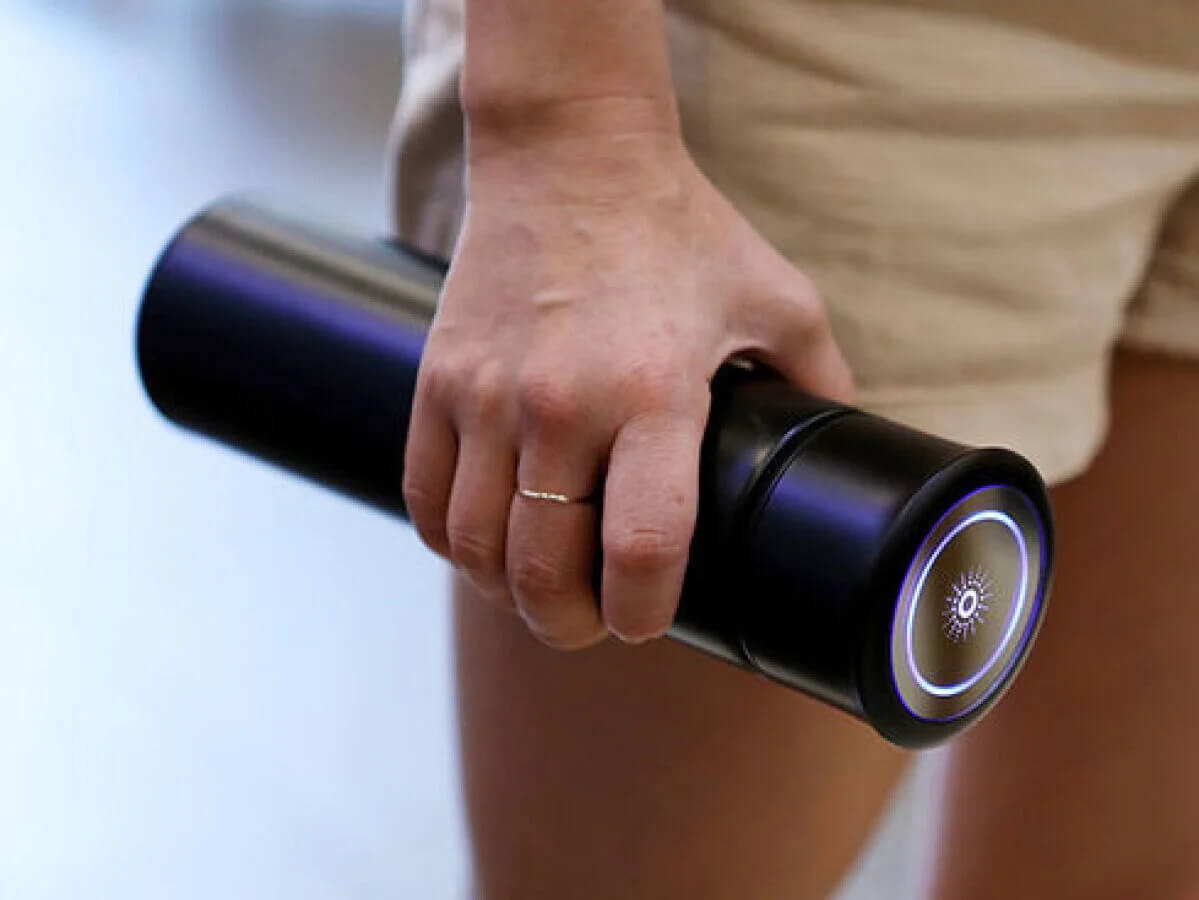
Self-cleaning bottles are a product that improves the environment while providing convenience and benefits to users. Single-use bottles not only cause harm to the environment and health but are also more expensive than tap water. Users are provided Peace of mind as they do not have to think about washing their bottles daily and fear ingesting bacteria from the foul-smelling bottles.
Self-cleaning bottles can effectively kill bacteria present in your drinking water. As long as it is clear water without chemicals, solid sediments, and heavy metals, it uses UV-C light to kill bacteria’s DNA and render it inactive to multiply or spread. With convenience, health benefits and environmental sustainability, self-cleaning bottles are here to save the day.