

Many fitness enthusiasts question whether taking supplements is really important to get an excellent workout. It’s simple to believe that supplements are a must for every workout, given the vast array of protein powders, pre-workout beverages, vitamins, and performance enhancers that are readily available. However, are they truly necessary, or can the same outcomes be achieved with a well-thought-out diet and regular exercise? Making wise choices that support your objectives requires an understanding of the function of supplements in fitness.
Supplements are intended to supplement your diet and help close any gaps in your diet. For example, branched-chain amino acids (BCAAs) may lessen discomfort after a workout, protein powders might aid in muscle regeneration, and creatine can increase strength. Although these advantages can improve performance, a balanced diet full of complete foods is still necessary. The vitamins, minerals, and macronutrients required for general health and fitness are found in foods including fruits, vegetables, lean meats, eggs, and legumes.
Supplement requirements are frequently influenced by dietary preferences, exercise intensity, and personal objectives. While expert athletes or those with specific performance goals may find focused supplementing advantageous, beginners who are just beginning their fitness journey may not need any supplements at all. Additionally, in order to sustain energy levels and aid in recovery, those with dietary limitations or shortages could depend on specific protein or vitamin sources.
The question of whether supplements are actually required for a successful workout is examined in this article. We’ll look at the advantages, possible disadvantages, and who really gains from including supplements in their exercise regimen. By the conclusion, you will know more about how supplements work in a training program and if you should incorporate them into your own fitness regimen.
Understanding Supplements
Products called supplements are made to supply nutrients that a typical diet might not contain enough of. Supplements are frequently utilized in the fitness industry to boost performance, encourage muscle growth, and facilitate post-workout recuperation. Protein powders, pre-workout mixes, creatine, amino acids, and vitamins or minerals are examples of common workout supplements. Each has a distinct function, but before implementing them into a fitness regimen, it is essential to comprehend how they operate.
One of the most common options for people wishing to gain or preserve muscle is protein supplements. The body gets the essential amino acids required for muscle growth and repair from whey, casein, and plant-based proteins. Caffeine, beta-alanine, and other substances that increase energy, focus, and endurance during exercise are commonly found in pre-workout supplements. Another popular supplement that promotes strength and power is creatine, which boosts the body’s capacity to generate energy rapidly during intense exercise. After intense exercise, branched-chain amino acids (BCAAs) are frequently utilized to enhance recovery and lessen muscle stiffness.
It’s crucial to remember that supplements are meant to enhance, not replace, a balanced diet. A variety of nutrients found in whole foods are frequently absent from techniques that rely solely on supplements. For instance, vitamins, minerals, and fibre found in lean meats, eggs, legumes, fruits, and vegetables enhance energy levels, general health, and the effectiveness of exercise.
Although supplements can be helpful, their efficacy varies depending on personal requirements, dietary preferences, and fitness objectives. Supplements may be more beneficial for those with certain nutrient deficits, rigorous training regimens, or performance-focused goals than for people who eat a balanced diet. Making educated judgments and guaranteeing safe, efficient, and long-lasting results can be facilitated by knowing what each supplement does and how it fits into a fitness regimen.
How Supplements Work
Supplements function by giving the body chemicals or minerals that promote muscle growth, recuperation, and physical performance. Supplements can cover dietary gaps or offer specialized benefits for particular fitness goals, but food is still the main source of vital vitamins, minerals, and macronutrients. Knowing the workings of well-known exercise supplements makes it easier to decide which ones, if any, are required for a successful training regimen.
Whey, casein, and plant-based powders are examples of protein supplements that provide amino acids, which the body uses to grow and repair muscle tissue. Muscles sustain microscopic injury during vigorous activity, and protein consumption is essential for mending damaged tissue and encouraging growth. In contrast, creatine supplements increase muscular phosphocreatine reserves, which enable the body to manufacture more adenosine triphosphate (ATP), the energy currency for short-duration, high-intensity exercises like sprinting or weightlifting. Strength, power, and workout performance all improve as a result.
Typical components of pre-workout supplements include nitric oxide boosters, beta-alanine, and caffeine. Nitric oxide boosters increase blood flow to working muscles, beta-alanine buffers lactic acid buildup to lessen fatigue, and caffeine increases alertness and endurance. When combined, these components can boost endurance and exercise intensity, allowing for longer and more effective exercises.
Supplements that promote muscle regeneration and lessen discomfort include branched-chain amino acids (BCAAs) and other recovery-oriented ingredients. They supply vital amino acids that the body is unable to make on its own, which aids in maintaining muscle mass and accelerating recovery after exercise. Minerals and vitamins, including calcium, magnesium, and vitamin D, are also important because they support muscle function, energy metabolism, and bone health.
It’s crucial to keep in mind that supplements only improve outcomes when used in conjunction with appropriate training, recovery, and nutrition. They are not panaceas and cannot take the place of the fundamental advantages of a regular exercise program and a healthy diet. Knowing how each supplement functions enables people to choose the best products for their fitness objectives, make educated decisions, and use them safely to increase the efficacy of their workouts.
Benefits of Supplements for Workouts

Numerous benefits that improve exercise performance, recuperation, and general fitness outcomes can be obtained from supplements. The correct supplements can help close nutritional gaps, support certain objectives, and increase training consistency, all while maintaining the importance of a balanced diet. Determining whether supplements are required for a successful workout is made simpler by being aware of these advantages.
Having more energy and endurance is one of the main advantages of using supplements for exercise. Pre-workout pills can increase motivation, focus, and stamina when exercising because they frequently contain caffeine and other natural stimulants. Longer, more intense sessions are made possible by this energy increase, which could eventually lead to better performance and outcomes.
Supplements, especially protein powders and creatine, also promote muscle growth and strength. After exercise, protein supplements give the body the vital amino acids it needs to rebuild and grow muscle. During intense exercise, creatine improves the body’s capacity to generate energy, fostering strength development and facilitating progressive overload. For both novice and seasoned athletes, taking these nutrients together helps optimize muscle growth.
Another important advantage is a quicker recovery and less discomfort. Glutamate, branched-chain amino acids (BCAAs), and other recovery-oriented supplements lessen muscle exhaustion after exercise, enabling more regular training. In addition to reducing the chance of injury, quicker recovery can increase long-term commitment to a fitness regimen.
Additionally, supplements might make achieving dietary objectives more convenient. It could be challenging to get enough protein, vitamins, or minerals from whole foods alone due to hectic schedules or dietary limitations. Supplements offer a workable way to maintain appropriate nutritional intake in these situations without sacrificing the efficacy of workouts.
Lastly, certain supplements, such as multivitamins, omega-3 fatty acids, and electrolytes, promote general health and well-being. These nutrients indirectly improve exercise performance and recovery by promoting heart health, immunological function, and hydration.
Supplements can improve energy, muscle growth, recuperation, and nutritional balance, all of which increase the effectiveness of exercise. But when combined with a healthy diet, regular exercise, and enough sleep, their advantages are greatest. Knowing the benefits of each supplement makes it easier to identify which ones are actually useful for reaching fitness objectives.
Potential Drawbacks of Supplements
Supplements have possible disadvantages, even if they might improve workout performance and help achieve fitness goals. Making wise decisions and preserving long-term health require an understanding of the dangers and limitations related to supplementing.
Over-reliance on supplements is one prevalent worry. Some people believe that using pre-workout vitamins, protein powders, or other fitness aids by themselves will result in positive outcomes. But rather than taking the place of entire meals, supplements are meant to enhance a balanced diet. It can be challenging to gain necessary vitamins, minerals, and fibre from natural sources such as fruits, vegetables, lean meats, and whole grains when one relies too much on them. This might result in bad eating habits.
Cost factors are also quite important. The cost of premium supplements can be high, and utilizing many items on a regular basis might rapidly become prohibitive. It’s crucial to assess which supplements are actually required for your exercise regimen because some may offer limited value while others may have genuine advantages.
Another crucial consideration is possible adverse effects. High doses of caffeine or other stimulants in pre-workout pills can make you jittery, raise your heart rate, or upset your stomach. Overconsumption of protein can eventually put stress on the kidneys, especially in people who already have health issues. Overuse of vitamins or minerals can result in toxicity, and creatine can occasionally induce bloating or water retention. These hazards can be reduced by reading labels, taking medications as directed, and speaking with a healthcare provider.
Concerns about regulations and quality are also present in the supplement sector. Not every product is put through a thorough testing process, and some can have incorrect ingredient levels or contaminants. Selecting trustworthy companies that undergo independent testing guarantees dependability and safety.
Lastly, not everyone will benefit greatly from supplements. Supplements may not make much of a difference for beginners, infrequent exercisers, or people who eat a balanced diet, thus they are not necessary for their fitness regimen. Excessive dependence, exorbitant expenses, adverse reactions, issues with quality, and restricted advantages for certain people are possible disadvantages of exercise supplements. Understanding these elements contributes to the safe, efficient, and knowledgeable use of supplements in conjunction with a healthy diet and regular exercise.
Who Actually Needs Supplements?
Supplements are not necessary for everyone to have a successful workout. Fitness objectives, eating patterns, training volume, and general health all influence the necessity of supplements. Avoiding needless costs and any negative impacts can be achieved by knowing who stands to gain the most.
Targeted supplements are frequently most beneficial to athletes and serious fitness lovers. Heavy strength training or high-intensity exercises put a lot of strain on the body. Amino acids, creatine, and protein powders can assist athletes in maintaining steady performance levels by promoting muscular growth, strength, and recuperation. Additionally, pre-workout vitamins might improve endurance and attention for extended training sessions.
Supplements may also be necessary for people with certain nutrient shortages or dietary restrictions. For instance, vegetarians or vegans may find it difficult to get enough protein from their diet; therefore, plant-based protein powders are a useful alternative. Supplementing to maintain bone health and general energy levels may also be beneficial for those with low vitamin D levels or little sun exposure.
Supplements are occasionally used by those with hectic schedules to make up for nutritional deficiencies. Supplements such as protein drinks, multivitamins, or omega-3 capsules might assist in maintaining appropriate nutritional intake because it can be difficult to prepare balanced meals on a regular basis. In many situations, supplements provide convenience without sacrificing the efficacy of exercise.
Supplements are typically not necessary for novices or infrequent exercisers. At this point, increasing strength, endurance, and general fitness only requires regular training, a healthy diet, and enough sleep. If supplements are introduced too soon, they might not have any discernible effects and might even promote product dependence rather than healthy eating practices.
It’s crucial to keep in mind that supplements should be used in addition to, not instead of, a balanced diet and exercise regimen. Depending on personal objectives and current health, speaking with a medical expert or qualified dietician might assist in deciding which supplements, if any, are suitable.
People with rigorous training schedules, athletes, or those with dietary limitations benefit most from supplements. Others find that regular exercise and a healthy diet are usually sufficient to produce productive workouts. Making wise choices guarantees that supplements offer genuine benefits without needless dangers or costs.
Conclusion
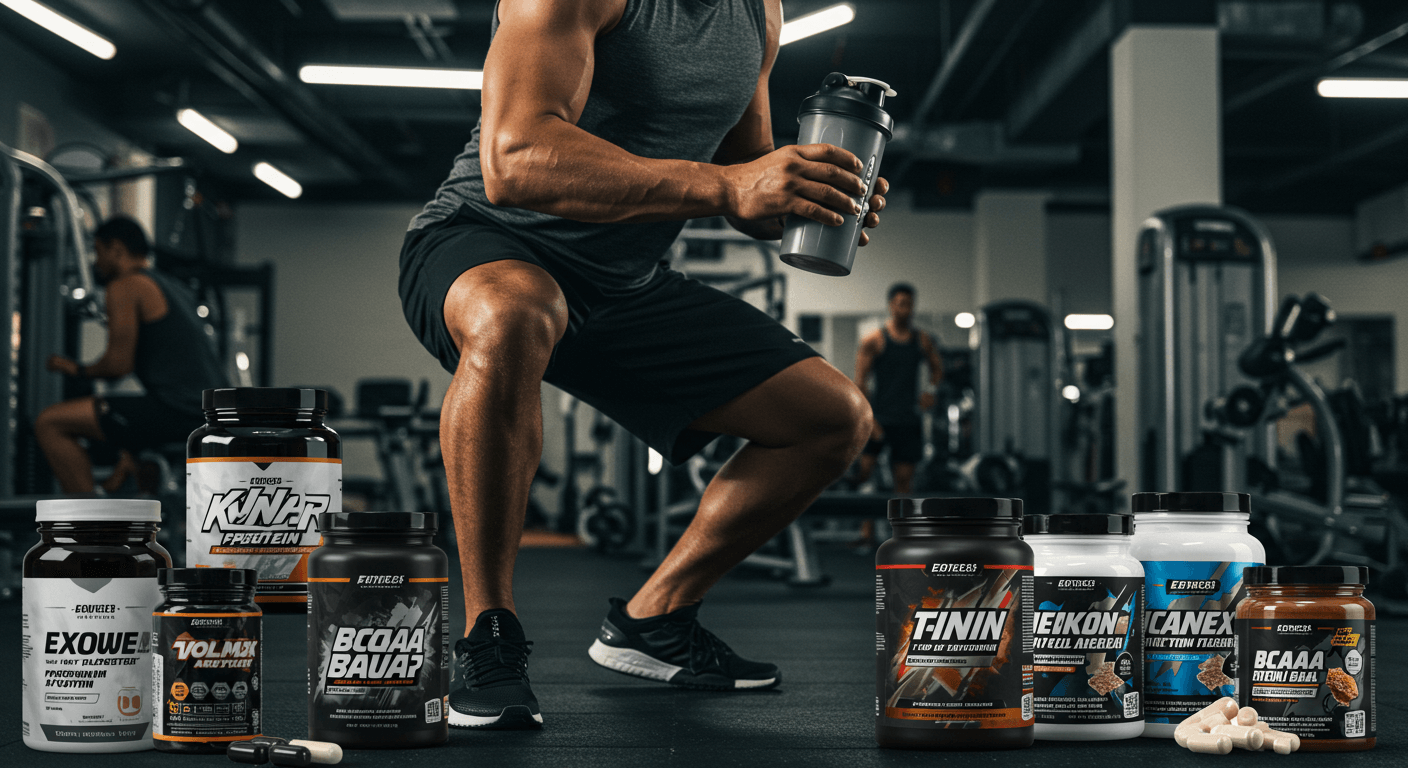
Enhancing workout performance, promoting muscle growth, and accelerating recuperation are all possible with the help of supplements. They are not a panacea, though, and should never take the place of a regular exercise regimen and a well-balanced diet. Making wise choices regarding the usage of supplements requires knowledge of their effects, advantages, and possible disadvantages.
Many people find that eating a healthy diet full of whole foods is enough to promote productive exercise. Essential nutrients that support overall health, encourage muscle regeneration, and fuel energy are found in fruits, vegetables, lean proteins, complex carbs, and healthy fats. When certain demands emerge, including food restrictions, vitamin deficits, or high-intensity training objectives, supplements are most helpful.
Supplements that are frequently utilized, such as protein powders, creatine, BCAAs, and pre-workouts, provide observable advantages like greater strength, enhanced endurance, and accelerated recovery. However, possible disadvantages, including adverse effects, expense, and over-reliance, emphasize how crucial cautious selection and responsible use are. Safety and efficacy are guaranteed by selecting reliable brands, adhering to dosage recommendations, and seeking advice from medical experts.
The choice to use supplements ultimately comes down to personal fitness objectives, dietary preferences, and lifestyle choices. Regular training and a healthy diet are frequently enough to provide noticeable benefits for novices or casual exercisers. Targeted supplements may be helpful for maximizing results for advanced athletes or those with particular performance goals.
Knowing the function, workings, and restrictions of supplements will help you make wise decisions that will advance your own fitness goals. You can attain more effective workouts and long-lasting fitness outcomes by carefully combining supplements with a healthy diet, consistent exercise, and enough sleep.