

Is an air purifier just another device gathering dust in the corner, or is it truly worth the hype? Given the large number of models available on the market and the equally high number of conflicting reviews, it is reasonable to have concerns over their efficacy. Are contaminants really eliminated by air purifiers? Do they have a discernible impact on respiratory health or allergies? And if ventilation is good and the house is cleaned on a regular basis, are they really needed?
We will be explaining the sorts of contaminants that air purifiers target, how they operate, and which aspects are most important when choosing one. Anticipate simple responses regarding their efficacy against airborne viruses, mold spores, smoke, dust, and pet dander. In order to help you understand what’s really important and steer clear of marketing jargon, this article also compares common filter types, such as HEPA, activated carbon, and ionizers. Helping you choose whether an air purifier suits your area, lifestyle, and health objectives is the ultimate goal.
The quality of indoor air has never been more important; indoor air pollution can range from two to five times that of outdoor air. A number of contaminants can be released into the air by routine tasks like cleaning, cooking, lighting candles, or even simply wearing shoes indoors. A shockingly hazardous environment is often the result of combining it with allergens, pet hair, mold, and city pollution that seeps in through windows.
In addition to being uncomfortable, poor indoor air quality can cause health problems that interfere with day-to-day living for those who have asthma, allergies, or sensitivity to airborne irritants. Breathing cleaner air promotes longer-term respiratory health, improved concentration, and better sleep, even for healthy people.
However, choosing the best model online isn’t the only way to purchase the correct one. With lucid, empirically supported insights to help you make a decision, this article helps you cut through the clutter. The information here gives you a realistic picture of what air purifiers can and cannot do for your interior environment, regardless of whether you’re new to the concept or unsure about making an investment.
What Are Air Purifiers and How Do They Work?
By eliminating pollutants from the air, air purifiers are gadgets that enhance indoor air quality. These devices aid in lowering the amount of airborne particles that might aggravate respiratory disorders, create allergies, or just make people feel uncomfortable. The goal of air purifiers is to provide cleaner, healthier breathing conditions, whether they are installed in homes, workplaces, or medical facilities.
To capture or eliminate particles, the majority of air purifiers employ one or more filtration techniques. The High-Efficiency Particulate Air (HEPA) filter is one of the most popular and reliable. Dust, pollen, pet dander, and mold spores are among the 99.97% of particles as small as 0.3 microns that HEPA filters can catch. For those who suffer from asthma or allergies, these filters work very well.
Filters made of activated carbon are another common element. Their area of expertise is eliminating smoke, smells, and volatile organic compounds (VOCs) from the atmosphere. Common household items like paint, cleaning materials, and furniture can produce volatile organic compounds (VOCs). By neutralizing these pollutants, carbon filtration improves indoor air quality.
UV-C light technology, which targets mold spores, germs, and viruses, is incorporated into some models. These microbes’ DNA is broken down by UV radiation when air flows through the purifier, making them dormant. For extra safety, this technique is frequently combined with HEPA and carbon filters.
Negative ion generators, or ionizers, operate in a different way. In order to make airborne particles heavy enough to fall to the earth or adhere to surfaces, they release charged ions into the atmosphere. Although ionizers may produce ozone, which may irritate the lungs, this is a secondary method used by some air purifiers.
Many different types of contaminants are the focus of air purifiers. These consist of smoke, mold spores, dust, pollen, pet dander, home chemicals, and germs or viruses that are in the air. These gadgets can significantly improve respiratory comfort and air freshness in homes with pets, smokers, or adjacent traffic.
It is simpler to appreciate the importance of air purifiers in preserving a cleaner interior atmosphere when one is aware of how they work and the kinds of pollutants they can remove. Every filtration technique has a distinct function in providing clean air and lowering exposure to dangerous airborne particles that may otherwise build up indoors.
Do Air Purifiers Really Work?
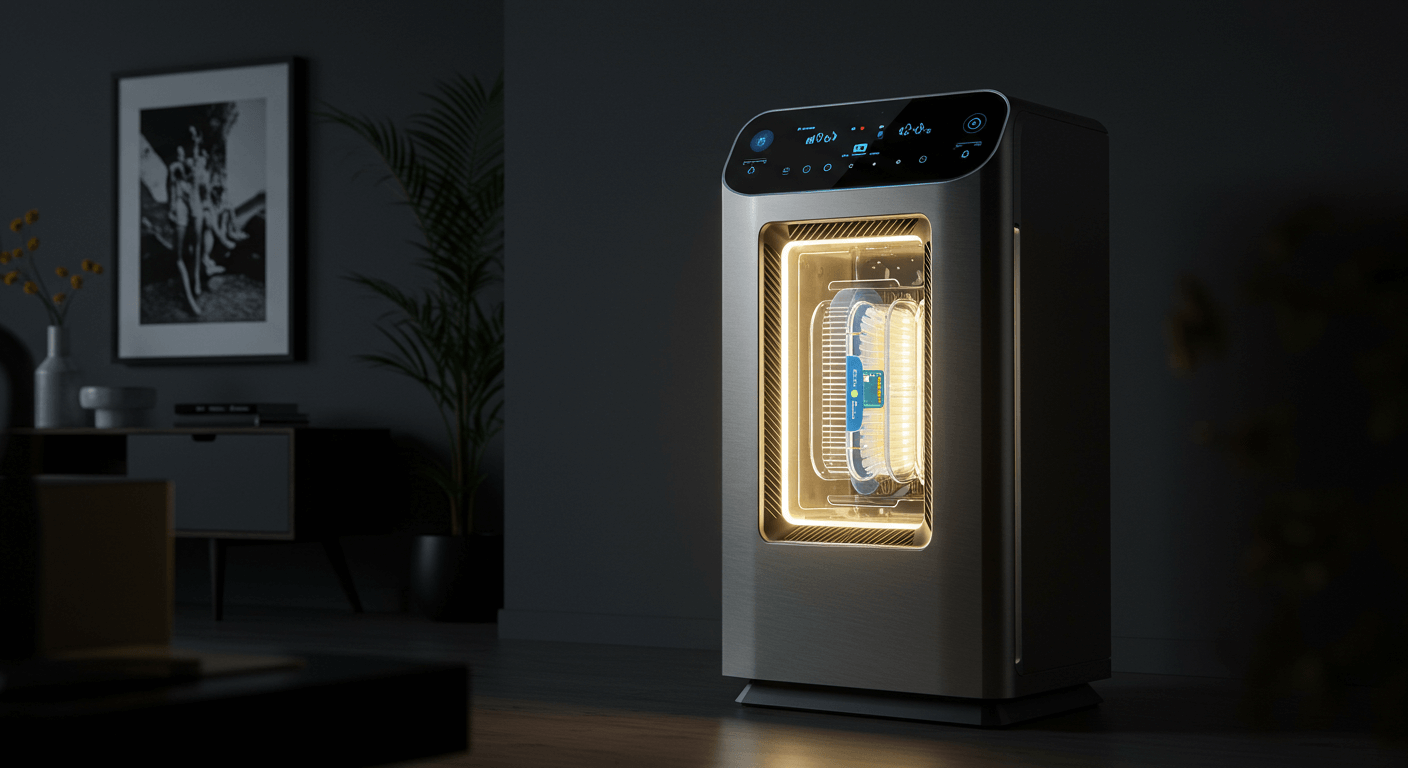
Air purifiers do indeed work, but how well they work varies depending on the kind, technology, and usage. Dust, pollen, pet dander, mold spores, smoke, and even some bacteria and viruses can all be efficiently reduced by air purifiers. But not all air purifiers work the same way, and they can’t solve every problem with air quality.
The Environmental Protection Agency (EPA) claims that HEPA-filtered air purifiers can greatly lower indoor airborne particle levels, especially when used in conjunction with appropriate ventilation and routine cleaning. Up to 99.97% of particles 0.3 microns in size, including the majority of common allergens and certain germs, can be captured using HEPA (High-Efficiency Particulate Air) filters. They are therefore among the most reliable methods for enhancing the quality of indoor air.
In order to help stop the transmission of airborne diseases, the Centers for Disease Control and Prevention (CDC) advises utilizing air purifiers indoors, especially those with HEPA filtration. According to research, air purifiers can lower particulate matter (PM) levels in controlled settings by more than 50% to 80%, depending on the size of the space and where the device is placed.
Air purifiers function best in enclosed areas and in rooms that are the right size. For example, a large living room’s air cannot be adequately cleaned by a tiny air purifier. The CADR (Clean Air Delivery Rate) rating of the device helps determine how much space it can cover. Excessive use of an air purifier frequently produces unsatisfactory outcomes.
Different contaminants are the focus of different purifier types. Activated carbon filters, for instance, are experts at eliminating odours and dangerous gases like volatile organic compounds (VOCs), which are released by paint, cleaning supplies, and furniture. Bacteria, mold spores, and viruses can be killed by UV-C light purifiers, but only if the light exposure is intense and prolonged enough. Ionizers, which release charged ions to bind airborne particles together and facilitate filtering or settling, are another element of some models. Ionizers, however, have the potential to produce ozone, which, if improperly controlled, could be dangerous.
Correct use of air purifiers is also crucial. The device’s capacity to effectively circulate and clean air will be diminished if it is positioned behind furniture or in a corner. For the device to continue working, the filters must be changed on a regular basis. In addition to losing its effectiveness, a neglected filter may hold bacteria or mold.
People with allergies and asthma have stated that air purifiers make them feel less irritated. They may enhance indoor breathing comfort by eliminating airborne irritants such as dust mites, pollen, and pet dander. They do not, however, take the place of prescription drugs or remove the necessity of keeping the house tidy. Air purifiers should be seen by those who suffer from respiratory disorders as a component of a larger symptom management plan.
It’s also critical to know that air purifiers do not clean surfaces, even though they can lessen airborne pollution. Allergens, mold, and dust can still accumulate on textiles, floors, and furniture. Ventilation and routine cleaning are essential additions to any air purifier. The most constant benefits come from using an air purifier around the clock, especially in places with a lot of traffic or pollution.
When using air purifiers, many people report measurable improvements in indoor air quality, especially in urban areas with high pollution levels or in places that are prone to wildfires. After installing a dependable unit, customer surveys and user reviews often mention cleaner-smelling air, reduced dust buildup, and fewer allergy flare-ups. Some users even report less morning traffic and greater sleep.
Air purifiers are effective, particularly when selected for the appropriate setting, used as directed, and maintained appropriately. They are an effective way to lessen allergies, smells, and airborne particles. They cannot, however, replace hygienic housing or adequate ventilation. The technology employed, the size of the space, the airflow, and the regularity of maintenance all affect how successful they are.
A high-quality air purifier is a wise purchase for anyone wishing to enhance indoor air quality, lessen allergy triggers, or create a cleaner breathing environment; just make sure the model you select meets your demands and available space.
Common Myths and Misconceptions About Air Purifiers
Air purifiers are often promoted as necessary equipment for enhancing indoor air quality, and although they have many advantages, there are also a number of widespread misconceptions about them. These false beliefs may result in irrational expectations or even poorly informed choices. These are the truths behind three of the most pervasive falsehoods.
“Air purifiers remove all indoor air pollutants.”
One of the most common misunderstandings regarding air purifiers is this one. Although a significant portion of airborne particles, such as dust, pollen, pet dander, and mould spores, can be eliminated by high-quality air purifiers, particularly ones with HEPA filters, not all pollutants are completely eradicated.
For instance, without activated carbon filters, the majority of air purifiers are ineffective in eliminating chemicals or heavy gases. Even yet, the filter’s capacity is constrained, and it might miss some volatile organic compounds (VOCs) that are emitted from synthetic materials, paints, and cleaning supplies.
Furthermore, surfaces are not cleaned by air purifiers. Allergens, mold, and dust that have already accumulated on floors, furniture, or textiles won’t be impacted. Maintaining a healthy home environment still requires routine vacuuming and cleaning.
“You don’t need one if you clean regularly.”
Even the cleanest homes have airborne particles that are hard to control without assistance, even if routine cleaning helps minimize dust and allergens. Fine particles can actually be stirred up and re-launched into the air by vacuuming, sweeping, and dusting. These particles, particularly those too fine to settle or be eliminated by regular cleaning, are continuously captured by air purifiers.
Air purifiers can offer an extra degree of security in homes with smokers, pets, or those with asthma or allergies. Mold spores, airborne bacteria, and smells that persist long after a surface has been cleaned are not addressed by cleaning alone.
Cleaning is therefore essential, but it cannot take the place of using an appropriately sized air purifier, particularly in enclosed places or areas with little ventilation.
“They treat asthma and allergies.”
Another common misconception that need dispelling is this one. Asthma and allergies cannot be cured by air purifiers. These are long-term illnesses that need medical attention and are usually brought on by immune system responses. Air purifiers can help lower exposure to common triggers, such as mold spores, dust mites, pollen, and pet dander.
After regularly utilizing an air purifier, many persons with respiratory diseases report reduced symptoms and increased comfort, particularly during allergy seasons or in places with high pollution levels. However, rather than being a medical remedy, an air purifier should be seen as a helpful tool.
It’s important to speak with a healthcare professional if you have severe allergies or asthma. The best outcomes are typically obtained when air purification is combined with medical care, good cleaning practices, and allergen-proof housing arrangements.
When an Air Purifier Might Not Work Well
Although air purifiers have the potential to significantly improve indoor air quality, there are several circumstances in which they might not be sufficient. Being aware of these restrictions guarantees improved performance from your device and helps you set reasonable expectations.
Using the incorrect kind of air purifier for your needs is a common problem. Not every purifier is made equally. Without an activated carbon filter, a basic unit with a HEPA filter may be able to successfully remove dust and pollen, but it will not be able to get rid of chemicals or odors. Similarly, a purifier using UV-C light technology can be more appropriate if the objective is to lessen bacteria or germs. Underwhelming outcomes may result from selecting a purifier that isn’t appropriate for the particular issue.
Lack of maintenance or improper placement is another problem. For air purifiers to work effectively, there must be adequate airflow. The unit’s efficiency is reduced when it is positioned behind furniture, next to corners, or in places with poor air circulation. It should be positioned in a central, open area to effectively purify the air. It’s also essential to replace filters on a regular basis. A dirty or clogged filter can cause indoor pollution, impair performance, or release trapped particles back into the atmosphere.
Finally, dissatisfaction might result from having irrational expectations. For instance, air purifiers are not made to remove mold. They won’t stop mold growth on walls or in moist regions, but they might aid in capturing mold spores in the air. In a similar vein, purifiers cannot take the place of deep cleaning, ventilation, or humidity regulation.
The finest results from air purifiers come from a more comprehensive strategy for healthy indoor living. Better outcomes and avoiding the dangers of depending on it for more than it is intended to do are ensured by using the appropriate type, positioning it appropriately, and performing routine maintenance.
Factors Affecting the Performance of Air Purifiers
Indoor air quality can be greatly enhanced by air purifiers, although how well they work depends on a number of important variables. You can make sure you obtain the best results by understanding what factors affect their performance.
Two of the most crucial factors are the size and location of the room. Each air purifier has a designated coverage area. Poor performance and insufficient air cleaning result from using a small unit in a large space. Always choose a model that fits your space by consulting the manufacturer’s recommended room size. Position is also important. To provide enough airflow and circulation, the purifier should be placed in an open, central area, away from walls, corners, or behind furniture.
The type of filter and how often it is changed have a direct impact on the purifier’s ability to collect contaminants. Dust, pollen, and pet dander are among the allergens that HEPA filters are quite good at eliminating. Gases and smells are handled with activated carbon filters. Mold spores and bacteria are among the microorganisms that UV-C filters target. Nevertheless, filters of all kinds need to be changed on a regular basis. Reduced airflow, diminished performance, and even particle release back into the atmosphere might result from a filthy or clogged filter.
The air exchange rate, which is commonly determined by the Clean Air Delivery Rate (CADR), is another important aspect. The speed at which the purifier can purify the air in a specific area is indicated by this grade. Faster and more efficient air purification is associated with a higher CADR. To make sure it works well, pick a device with a CADR appropriate for the size of your space.
Last but not least, good upkeep is crucial. The purifier will be kept operating smoothly by routinely cleaning pre-filters, changing primary filters on time, and listening for odd noises or system faults. Ignoring maintenance shortens the unit’s lifespan and decreases its effectiveness.
When room size, filter quality, CADR, and maintenance are all in balance, air purifiers work at their peak efficiency and contribute to a healthier indoor environment.
Pros of Air Purifier Use
- Reduces Allergens: It captures airborne allergens that cause allergy reactions, such as dust, pollen, and pet dander.
- Enhances Indoor Air Quality: Cleaner, fresher air is produced by eliminating particles and contaminants.
- Removes aromas: Chemical, pet, smoke, and culinary aromas are all absorbed by activated carbon filters.
- Supports Respiratory Health: By lowering airborne irritants, it helps those who have asthma or other breathing problems.
- Eliminates Mold Spores: By reducing airborne mold spores, HEPA and UV-C purifiers help lessen exposure risk.
- Captures and Bacteria: Certain models equipped with HEPA or UV filters have the ability to capture or eliminate airborne pathogens.
- Improves Sleep Quality: Deeper, more restful sleep can result from cleaner air and fewer pollutants.
- Cuts Down on Smoke and VOCs: Beneficial for homes with smokers or those exposed to chemical off-gassing from paint and furniture.
- Reduces Dust Buildup: Ongoing filtering lessens the quantity of dust that accumulates on surfaces and furnishings.
- Peace of Mind: Provides comfort regarding the condition of the air, particularly in regions with high pollution levels or during wildfire seasons.
Cons Of Air Purifier Use
- Ongoing Maintenance Costs: The long-term cost is increased by the necessity to change filters on a regular basis.
- Limited Coverage: For full-home coverage, several units could be required; a single unit might only be useful in one area.
- Not a Complete Solution: It doesn’t remove contaminants from surfaces or address problems with mold or humidity.
- Noise or Energy Use: When operated continually, certain models may produce noise or use electricity.
Conclusion

When used properly and for the intended purpose, air purifiers can significantly improve the quality of the air indoors. They make indoor areas more comfortable and breathable by assisting in the removal of airborne contaminants such as smoking, dust, pollen, pet dander, and even some bacteria and volatile organic compounds. However, a number of factors affect how successful they are, including the type of purifier, where it is placed, how often the filter is maintained, and how big the unit is in relation to the space.
Despite their many advantages, air purifiers are not magic fixes. They won’t treat allergies or asthma, and they can’t take the place of routine cleaning, ventilation, or mold treatment. Rather, they ought to be seen as a component of a larger plan to make the home healthy.
Making better choices and establishing reasonable expectations are facilitated by knowing how air purifiers operate and what they can and cannot achieve. Real gains in air quality and general comfort can be achieved by avoiding common misconceptions and selecting a well-maintained system that meets your needs. When used properly, an air purifier can significantly reduce dust, residual odors, and seasonal allergies.