

It can be difficult to decide between heat and cold therapy, particularly if you’re experiencing stiffness, pain, or edema. Although both therapies are frequently used to treat pain and injuries, they operate substantially differently. The efficiency of pain management and the speed at which your body heals can both be significantly impacted by knowing when to use heat or cold.
Thermotherapy, another name for heat therapy, aids in blood flow, muscle relaxation, and healing. It’s perfect for long-term ailments like tension, tight muscles, and arthritis. However, for acute injuries, cold therapy, also known as cryotherapy, works best. It reduces swelling, numbs pain, and lessens inflammation following abrupt trauma like sprains or strains.
Although both treatments are easy to use and available, choosing the incorrect approach might impede healing or exacerbate symptoms. For instance, putting ice on persistent stiffness may decrease flexibility and exacerbate pain, but providing heat to a recent injury may increase swelling. For a successful recovery and long-term comfort, it is essential to comprehend the distinctions between the two and when to employ each.
This article will outline the main distinctions between heat and cold therapy, emphasize the situations which each is most effective, and discuss the advantages of each. This guide will help you choose the best course of action for quick relief and the greatest possible recovery, whether you’re battling back pain, a sports injury, or post-workout soreness.
We’ll also go over when it’s appropriate to use both in an alternating pattern (commonly referred to as contrast therapy), frequent mistakes individuals make when utilizing these therapies, and safe application instructions. By the end, you’ll know exactly which therapy, heat or ice, to employ and how to apply it for optimal effects.
Selecting the best therapy is more than just personal taste, whether you’re healing from an injury or dealing with chronic pain. Giving your body the appropriate signal to mend is the key. Learn how to use heat and cold treatment safely and successfully for your particular symptoms by reading on.
What Is Heat Therapy?
By administering warmth to the afflicted area, heat therapy, sometimes referred to as thermotherapy, is a natural way to relieve pain and stiffness. This method promotes the body’s natural healing process, relaxes muscles, and boosts blood flow. It is frequently used to relieve tension, ease aching muscles, and manage chronic pain.
By widening blood vessels, heat promotes circulation and increases the amount of oxygen and nutrients that may reach injured tissues. This procedure speeds up recuperation, lessens stiffness, and lessens muscle spasms. It works particularly well for menstrual cramps, neck stiffness, lower back pain, and arthritis.
Dry heat and wet heat are the two primary forms of heat therapy. Infrared saunas, heating pads, and heat wraps are examples of dry heat. Hot water bottles, steamed towels, and warm baths are examples of moist heat alternatives. Although both kinds work well, moist heat may be able to reach deeper and relieve some ailments more quickly.
For chronic pain that persists over time or non-inflammatory conditions, heat therapy is most helpful. Additionally, it can be used prior to exercise to increase flexibility and release tense muscles. However, as it can exacerbate symptoms and increase inflammation, it shouldn’t be used to recently injured or swollen areas.
To prevent burns, apply heat for 15 to 20 minutes at a time while wearing a barrier, such as a cloth. Never put heat on skin that is damaged or inflamed. When applied appropriately, heat treatment provides a straightforward, drug-free method of pain management and mobility enhancement. It’s a popular choice for those who have chronic pain or aching muscles after working out.
What Is Cold Therapy?
Cryotherapy, another name for cold therapy, is a type of treatment that uses freezing temperatures to lessen inflammation, discomfort, and swelling. This method is frequently used to treat acute injuries such as bruises, sprains, strains, and other unexpected damage. It decreases swelling and inhibits blood flow by numbing the afflicted area and narrowing blood vessels.
Applying ice to wounded tissues helps lower nerve activity and slow down cellular metabolism, which relieves pain and lessens muscular spasms. Because inflammation tends to peak in the first 24 to 72 hours following an accident, cold therapy is particularly useful during this time.
Ice packs, frozen gel packs, cold compresses, and even specialist cryotherapy chambers are common cold therapy instruments. Pain and swelling can be considerably reduced by applying an ice pack for 15 to 20 minutes at a time. To avoid frostbite or other skin injury, it is crucial to always place a protective barrier like a towel between the skin and the cold source.
For ailments where inflammation and pain must be managed, such as tendinitis, bursitis, and post-exercise recuperation, cold therapy is especially helpful. Cryotherapy is frequently used by athletes to hasten recovery and lessen discomfort in their muscles following strenuous exercise.
Although cold therapy works very well for short-term injuries and inflammation, heat therapy is a better choice for long-term muscle stiffness or tension.
Cold treatment offers a non-invasive, safe, and drug-free method of managing pain and swelling immediately following an accident. When used as directed, it promotes healing and lessens the likelihood of additional tissue injury.
Heat Therapy vs Cold Therapy: Key Differences
Although they have quite different mechanisms of action, heat therapy and cold therapy are two of the most popular treatments for pain management and injury healing. Knowing the main distinctions between them can assist you in selecting the best therapy to promote healing and successfully lessen discomfort.
Thermotherapy, another name for heat therapy, increases blood flow to the afflicted area. Heat causes blood vessels to widen, increasing the amount of oxygen and nutrients that can reach muscles and tissues. This improved circulation facilitates healing, eases stiffness, and relaxes tense muscles. For the treatment of chronic pain diseases like arthritis, muscle spasms, and general muscle soreness, heat therapy is perfect. Additionally, it increases tissue flexibility, which makes it beneficial prior to stretching or physical activity.
However, cryotherapy, often known as cold therapy, has nearly the opposite effect. Blood flow to the damaged area is decreased by cold because it causes blood vessels to contract. This procedure slows down nerve activity, reduces inflammation, and numbs severe pain. The best time to use cold therapy is right after an acute injury with swelling and inflammation, such as a sprain, strain, or bruise. Applying ice can rapidly alleviate pain and lessen the degree of tissue damage.
The time and application of heat and cold therapy varied significantly. In general, heat therapy is advised for long-term ailments and gradually developing muscle stiffness. It is frequently used to increase flexibility and warm up muscles prior to activity. On the other hand, cold therapy works best to reduce swelling and manage pain as soon as possible after an injury occurs, usually within the first 24 to 72 hours.
There are precautions for every therapy. Since heat can exacerbate inflammation, it should never be applied to recently injured or inflamed areas. Similar to this, cold therapy should be used sparingly to prevent skin damage or frostbite, particularly if it is administered directly to the skin or for an extended period of time. Each session of both therapies should last no more than 15 to 20 minutes.
Contrast treatment, which combines the advantages of both heat and cold, is sometimes advised. This technique is well-liked in physical therapy and sports recovery because it increases circulation and decreases edema.
When to Use Heat Therapy
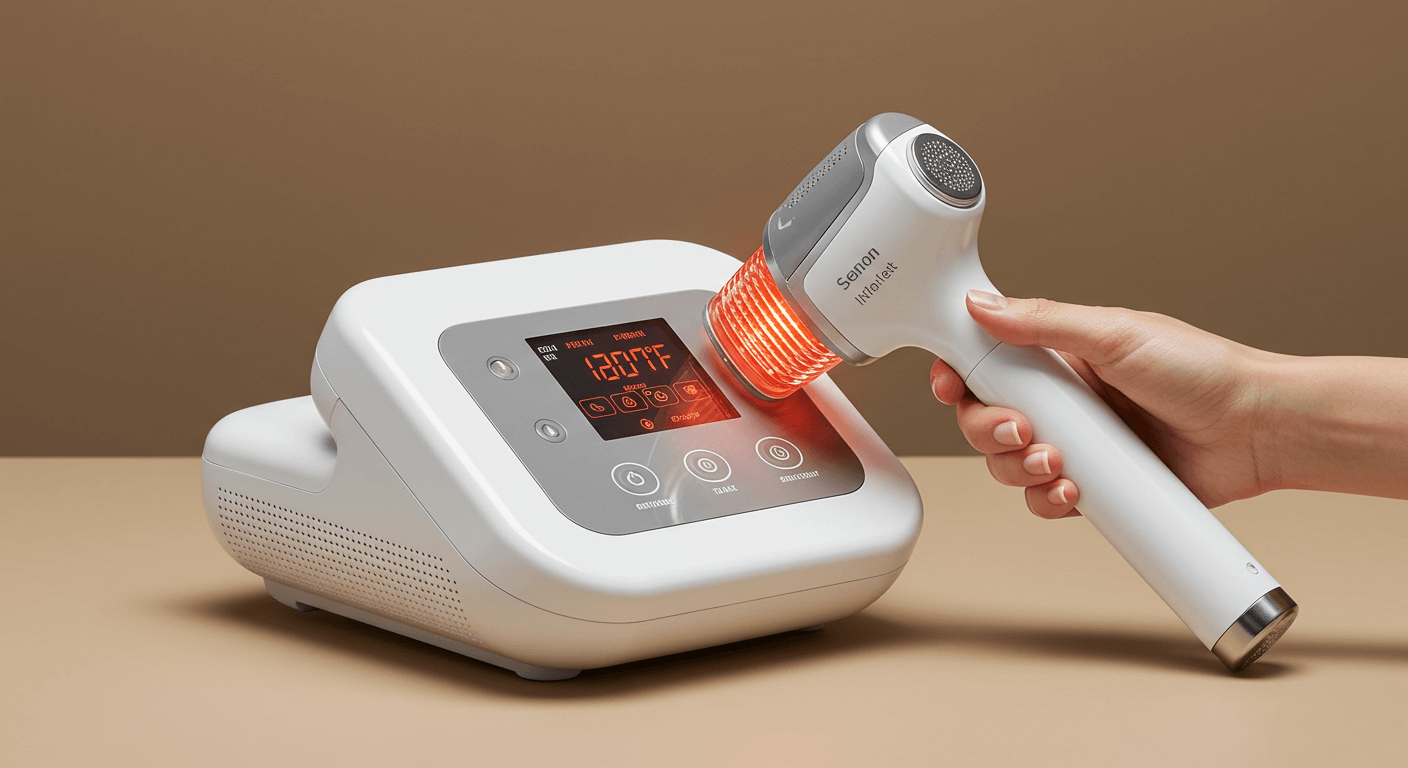
Heat treatment is an effective way to relieve pain and stiffness, but the best results come from understanding when to apply it. In general, heat therapy is more effective for resolving muscle tension and chronic disorders than it is for treating recent injuries.
To relieve persistent muscle pain and stiffness brought on by diseases like fibromyalgia, arthritis, or general muscle tightness, heat therapy is one of the most popular applications. Applying heat promotes blood flow, which eases pain and relaxes muscles. For instance, using heating pads or warm compresses frequently helps persons with neck stiffness or lower back pain.
Before stretching or engaging in physical activity, heat therapy is also advantageous. By increasing the range of motion and flexibility, pre-warming muscles can facilitate injury-free movement. Heat is frequently used by athletes and physical therapists to get tense muscles ready for exercise or recovery.
Heat therapy is also useful for joint pain and menstrual cramps. The warmth lessens pain perception and relaxes uterine muscles. Warm baths or heat packs are frequently used for this. Since heat might exacerbate these symptoms, it’s crucial to avoid applying heat therapy to recently injured or swollen or inflamed areas. For acute injuries, cold treatment is a better option since it reduces swelling.
Applying heat for 15 to 20 minutes at a time while wearing a fabric barrier to prevent burns is recommended for safe use. Regular, moderate use of heat therapy can help control persistent pain and stiffness, improving comfort throughout daily tasks.
When to Use Cold Therapy
Cryotherapy, often known as cold therapy, works best when applied right after an injury. It is the preferred treatment for acute injuries such as sprains, strains, bruising, and muscle rips because of its main function of reducing pain, swelling, and inflammation.
The body’s natural defence mechanism, inflammation, produces pain, swelling, heat, and redness when soft tissue is harmed. During the first 24 to 72 hours, cold therapy helps constrict blood vessels, which reduces swelling and slows blood flow to the area. Additionally, by numbing nerve terminals, this activity lessens acute pain and discomfort.
For injuries from sports, falls, or accidents, cold therapy is perfect. It is frequently used to treat bruises, knee injuries, ankle sprains, and edema following surgery. After a workout, athletes usually apply cold compresses or ice packs to reduce muscle discomfort and hasten recovery.
For optimal effects, cold therapy should be used as soon as possible following an accident. To prevent frostbite, however, never apply ice directly to the skin; instead, wrap ice packs in a thin towel and use them for no more than 15 to 20 minutes at a time. For persistent muscle soreness, stiffness, or non-inflammatory disorders, cold treatment is not advised. Heat therapy is typically more suitable in these situations.
Mistakes to Avoid When Using Heat and Cold Therapy
Correct application of heat and cold treatment is necessary for pain management that is both safe and efficient. Nevertheless, a lot of people make typical errors that can lessen the advantages or even be harmful. A quicker recovery and fewer difficulties are guaranteed when these mistakes are avoided.
Applying heat therapy to an injury that has just occurred is one of the most common errors. Heat promotes blood flow, but if applied too fast, it can exacerbate inflammation and swelling. Cold therapy is the safer option for reducing inflammation in injuries that are less than 48 to 72 hours old. Never use heat until the edema has subsided.
Conversely, prolonged use of cold therapy on tense or stiff muscles can worsen their tightness and decrease blood flow. Acute injuries and inflammation respond best to cold therapy; persistent muscle stiffness or discomfort does not. Heat therapy is typically more beneficial for chronic pain.
Applying heat or cold straight to the skin without a barrier is another frequent mistake. If applied incorrectly, these treatments might result in burns or frostbite. To prevent skin harm, always wrap ice packs or heating pads in a towel or cloth before using.
It’s also a mistake to overuse heat or cold therapy. Usually lasting no more than 15 to 20 minutes, sessions might damage the skin and underlying tissues if they are performed too frequently without interruptions. The benefits of healing are maximized when the body is given time to react in between sessions.
Lastly, it’s dangerous to ignore underlying medical concerns. Before utilizing heat or cold therapy, those with diabetes, poor circulation, or nerve damage should speak with a healthcare provider because these problems can make temperature therapies more dangerous. In conclusion, don’t apply heat to recently healed wounds, don’t use either treatment excessively, always protect your skin, and get medical help when you need it. Safe, efficient relief is ensured by adhering to these recommendations.
Can You Use Both? The Contrast Therapy Approach
Both cold and heat therapy have special advantages, but what if they were combined to further promote healing? Contrast therapy, a treatment approach that alternates between heat and cold to optimize recovery and pain relief, is based on this concept.
Using the opposing effects of heat and cold on blood arteries, contrast treatment operates. Blood arteries widen when heat is given, boosting blood flow to the tissues and muscles. This increase in blood flow facilitates nutrient delivery, muscle relaxation, and stiffness reduction. Blood vessels constrict when cold therapy is administered right away, which lessens discomfort, swelling, and inflammation. A “pumping” effect is produced when these two states alternate, improving circulation and removing toxins from the afflicted area.
In physical therapy and sports medicine, when minimizing muscular discomfort and accelerating recovery times are essential, this method is often used. Contrast treatment is frequently used by athletes to relieve painful muscles and avoid stiffness following strenuous training or competition.
In a normal contrast therapy session, heat is applied for three to four minutes, and then cold is applied for around one minute. In order to reduce inflammation, this cycle is repeated multiple times and concludes with cold therapy. Many people discover that this method relieves their symptoms more quickly than just applying heat or cold.
Many ailments, such as tendinitis, arthritis, joint pain, and muscular strains, can benefit from contrast therapy. Additionally, it helps to improve circulation in places where blood flow is inadequate.
Contrast treatment isn’t appropriate for everyone, though. Before using this technique, anyone with specific medical issues, such as diabetes, vascular illnesses, or nerve damage, should speak with a healthcare provider. Additionally, by avoiding direct skin contact with heat or cold and restricting each application to appropriate time frames, precautions should be made to prevent burns or frostbite.
In conclusion, contrast therapy uses alternating temperature cycles to promote faster healing and improved pain relief by combining the best aspects of heat and cold treatments. It might be a very successful strategy for pain management and enhancing recuperation when applied appropriately.
Tips for Safe Application of Heat and Cold Therapy
For pain relief and recuperation, heat and cold therapy can be very beneficial, but caution is essential to prevent skin injury or exacerbation of symptoms. For the safest and most efficient use of both treatments, heed these recommendations.
- Employ a Barrier: Keep a cloth, towel, or other covering between your skin and the source of heat or cold at all times. Even if the sensation doesn’t seem severe at first, direct contact with heating pads or ice packs might result in burns or frostbite.
- Limit Application Time: Each session should not last longer than 15 to 20 minutes of heat or cold therapy. These treatments might irritate the skin and underlying tissues if used excessively. Before reapplying in between treatments, let your skin cool down to its natural temperature.
- Avoid using Heat on New Injuries: Avoid using heat therapy on swollen areas or injuries that are less than 48 to 72 hours old. In recent injuries, heat can exacerbate swelling and inflammation, which could postpone healing.
- Use Cold Right After Injury: To minimize swelling and numb pain, use cold therapy as soon as possible for acute injuries, including sprains or strains. To protect the skin, wrap the ice packs and take them off after 15 to 20 minutes.
- Track Skin Condition: Throughout treatment, keep a close eye on your skin. Stop treatment right away if you experience pain, blisters, numbness, or redness, and seek medical advice if necessary.
- See a Physician for Chronic Conditions: To avoid complications, people with diabetes, cardiovascular issues, or nerve damage should speak with their physician before beginning heat or cold therapy.
- Don’t Sleep With Heat or Cold Packs: To avoid extended exposure, which can result in significant skin damage, avoid dozing off when applying heat or cold packs.
Heat and cold therapy can be a safe, efficient method of reducing inflammation, relieving pain, and accelerating healing if these easy steps are followed.
Conclusion
Both cold and heat therapy have important advantages for reducing pain and healing injuries, but for the best effects, it’s important to know when and how to use each. The best uses for heat treatment are to relieve stiffness and chronic muscle discomfort, as well as to increase flexibility before physical activity. It functions by relaxing tense muscles and boosting blood flow. Conversely, cold therapy works best right after severe injuries, reducing swelling, inflammation, and severe, numb pain.
Treatment is safer and more successful when the main distinctions between these approaches are understood. To keep symptoms from getting worse, avoid applying heat to recently injured areas and cold to persistent muscle stiffness. By increasing circulation and decreasing inflammation, contrast therapy, which cycles between heat and cold, can improve the healing process for certain illnesses.
To avoid burns or frostbite, safe application techniques are essential. These include limiting treatment durations and applying skin-protecting barriers. Always get medical advice from a specialist if you have any underlying health concerns or are unclear about the best course of treatment.
Using heat or cold treatment as part of your pain management regimen can help you heal more quickly, move more freely, and feel more comfortable. You may choose the ideal therapy to aid in recovery and preserve your well-being with confidence if you have the necessary information.