

Mosquitoes are a public health concern, especially with the number of diseases that can be contracted from their bite. Malaria, which is one of the diseases caused by mosquitoes, is deadly and has claimed the lives of millions worldwide.
To cut down on bites and avoid infestations, people have used a variety of mosquito control techniques over the years. Chemical sprays, citronella candles, mosquito nets, bug repellents, and natural cures like essential oils are examples of common methods. Many homeowners and outdoor lovers are always looking for effective and low-maintenance options, even if various techniques provide differing degrees of comfort. Mosquito zappers are among the many options available.
Mosquito zappers, sometimes referred to as bug zappers or electric insect killers, are gadgets that use UV light or other baiting techniques to draw in and kill flying insects. These devices use an electric grid to attract mosquitoes and then zap them, which is said to lower mosquito populations. They are sold as a safe, chemical-free substitute for conventional repellents and are widely accessible for both indoor and outdoor use.
However, what is the true effectiveness of mosquito zappers? Are they only gaudy devices that look beautiful but provide little protection, or do they genuinely lower the number of mosquitoes around your house?
We will analyze the science of mosquito zappers in this piece and see if they live up to the hype. You will discover how these gadgets operate, what consumers and experts have to say about their efficacy, and how they stack up against alternative mosquito control techniques. We’ll also discuss the benefits and drawbacks of utilizing zappers, offer helpful advice for optimizing their effectiveness, and assist you in determining whether a mosquito zapper is the best option for your area.
How Do Mosquito Zappers Operate and What Are They?
Devices called mosquito zappers, bug zappers, or electric insect killers are made to draw in and eliminate mosquitoes and other flying insects. They have gained popularity as an alternative to chemical sprays and manual techniques for people who want to lessen mosquito activity in and around their houses. These gadgets are frequently marketed as eco-friendly, low-maintenance, and efficient mosquito control solutions.
Mosquito Zapper Types
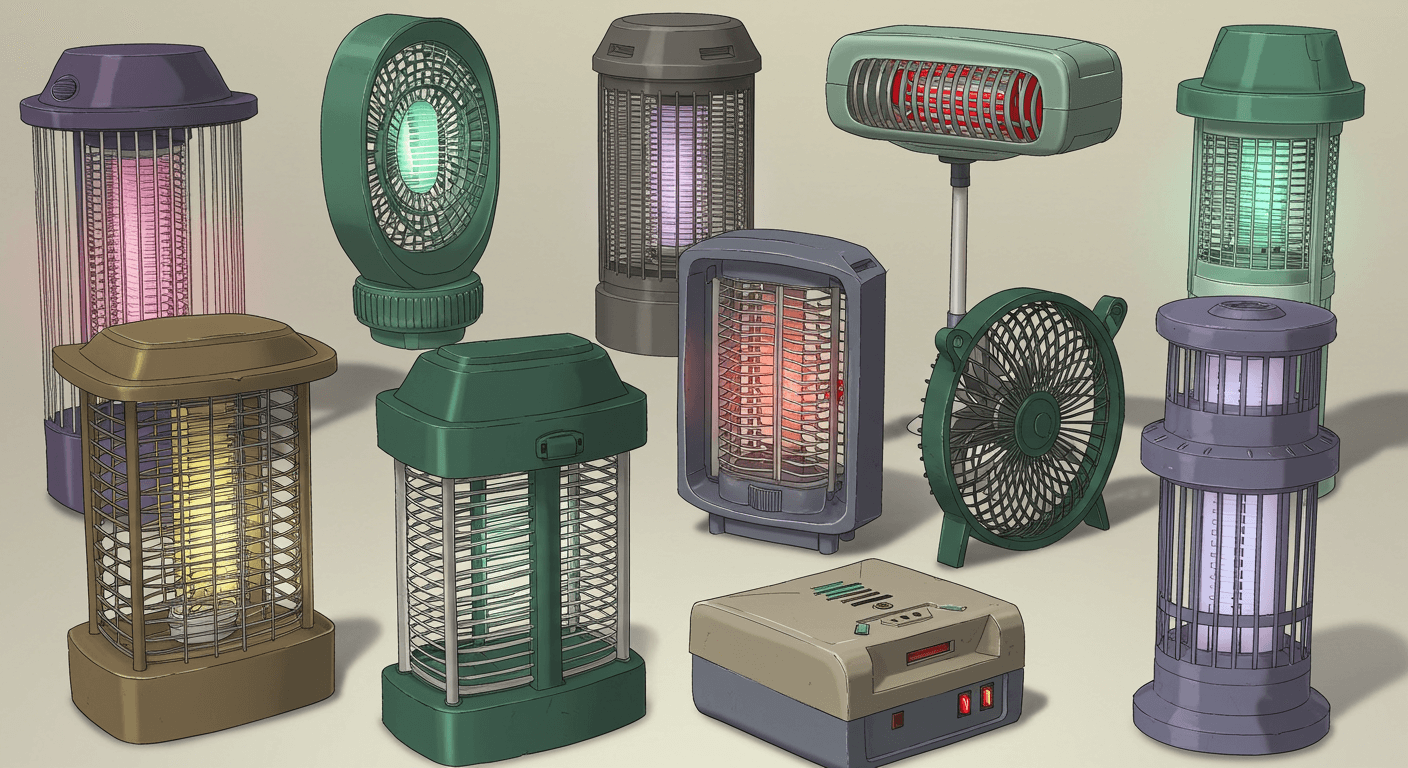
There are various types of mosquito zappers, and each one attracts and kills mosquitoes in a somewhat different way. The two most common kinds are:
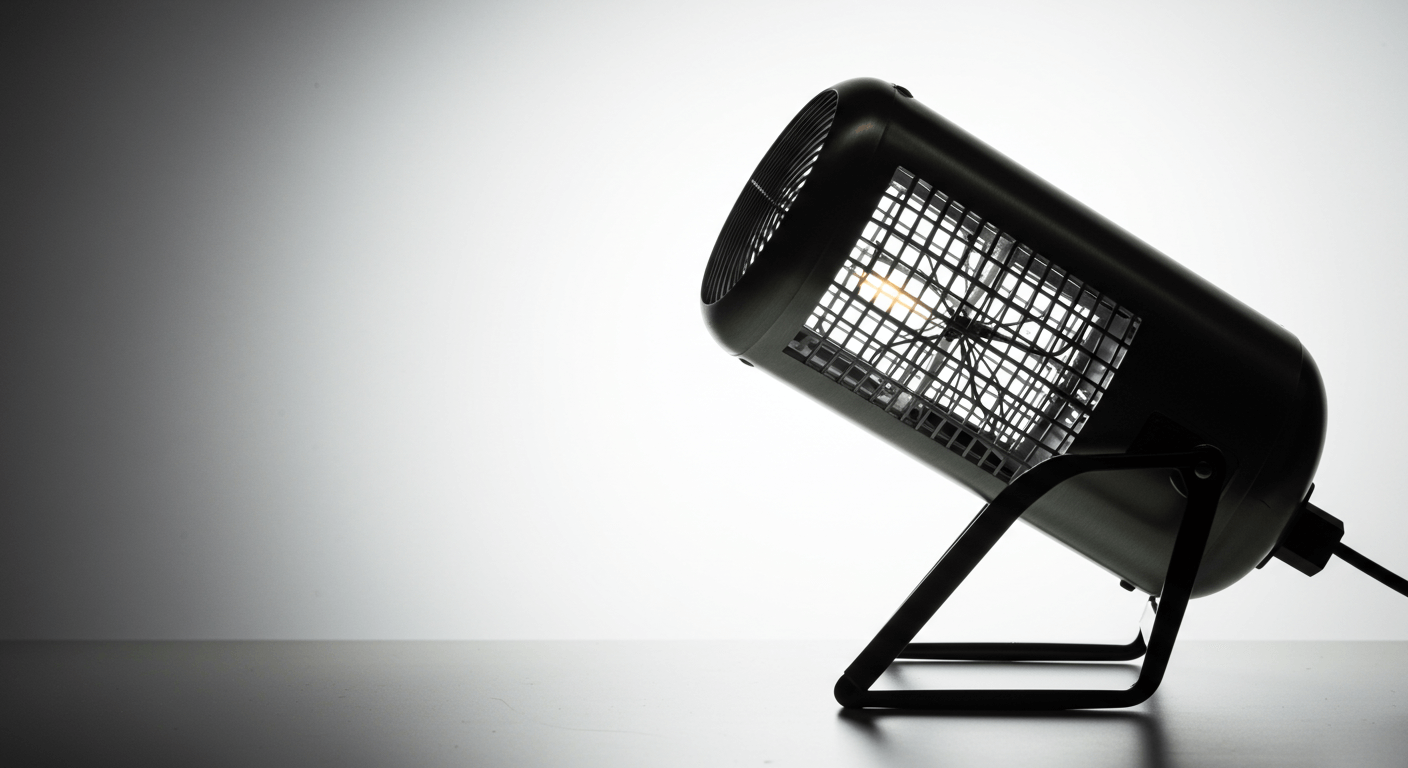
- Traditional bug zappers, or electric mosquito zappers: These draw mosquitoes and other flying insects with ultraviolet (UV) light. The insects are immediately killed as they fly in the direction of the light source and come into contact with a metal grid that is electrically charged. These zappers are often placed close to entrances, in gardens, or hanging on patios.
- UV Light Attractant zappers: Certain modern mosquito traps combine UV light with other attractants like heat or carbon dioxide (CO₂). By imitating the signals mosquitoes use to find human hosts, these improvements increase the trap’s effectiveness. Mosquitoes are drawn to the device and then electrocuted or drawn into a containment chamber, where they die from dehydration.
- CO2 Mosquito Zappers: These more sophisticated devices simulate human breath by releasing regulated volumes of carbon dioxide. These traps, which mimic the presence of a living thing, are frequently used in conjunction with heat and a fan to attract mosquitoes. A blower or vacuum pulls the mosquito into a container when it gets close, stopping it from escaping.
- Solar-Powered Mosquito Zappers: These solar-powered zappers, which are intended for outdoor use, often combine UV radiation and an electrical grid. They are perfect for outdoor spaces without easy access to electricity.
- Plug-in zappers for indoor use: These zappers are small, easy to use, and suitable for offices, kitchens, and bedrooms. They can be connected to regular electrical outlets and attract insects with UV or blue light.
How Mosquitoes Are Attracted to Mosquito Zappers
Zappers use a combination of attractants that resemble natural human cues to efficiently capture or eliminate mosquitoes:
- Ultraviolet Light (UV): Insects attracted to short-wavelength light sources are attracted to UV light. Only some mosquito species are strongly attracted to UV light alone. However, this works well for many flying insects like flies and moths.
- CO₂, or carbon dioxide: Since carbon dioxide makes up a large portion of both human and animal breath, mosquitoes are extremely sensitive to it. Some sophisticated mosquito traps may attract mosquitoes over great distances by simulating breathing with controlled CO₂ plumes.
- Moisture and Heat: Thermal sensors are used by mosquitoes to identify body moisture and heat, two indicators that point to the existence of a possible host. Some zappers provide a little heat to make their lure more effective, luring mosquitoes close like they would a human.
- Other Chemical Attractants, Including Octenol: To increase attraction, some zappers include chemical lures, such as octenol, a substance present in human breath and perspiration. For better effects, these cartridges, which are frequently interchangeable, can be used in conjunction with CO2 emissions and UV light.
Fundamental Action Mechanism
What occurs after a mosquito is drawn to a zapper varies depending on the kind of device:
- Electric grid electrocution: The insect travels across an electrically charged metal grid as it glides toward the UV light in a typical electric mosquito zapper. The insect completes the circuit and gets electrocuted as soon as it makes contact with the grid. The insect is immediately killed by the technique.
- Suction and Containment Chamber: In fan-based mosquito traps, a built-in fan draws mosquitoes into the trap after they are attracted by CO₂, heat, or smell. After becoming stuck in a holding chamber, the insect eventually dies from dehydration.
- Mesh screens or sticky pads: Additionally, some zappers come with mesh screens or sticky pads that have been coated in attractants or stickiness. Mosquitoes become immobile and quickly die after landing on these surfaces.
- Light Disruption: Some non-lethal zappers confuse or repel insects with strong light pulses. These are less common and typically less successful in actually reducing mosquito populations.
Do Mosquito Zappers Work?
The effectiveness of mosquito zappers in lowering mosquito populations is debatable, despite their widespread use as a practical solution to reduce insect bites. In a nutshell, it depends. Numerous elements affect their effectiveness, such as the kind of zapper, the location, and even the local mosquito species.
Traditional mosquito zappers, particularly those that just use ultraviolet (UV) light, have been found to be ineffective at killing mosquitoes. Indeed, according to a study, mosquitoes accounted for less than 1% of the insects destroyed by common UV light bug zappers. The great majority were useful or innocuous insects, including beetles, moths, and other non-biting species. This is due to the fact that most mosquitoes, particularly females (which bite), are not particularly drawn to UV light on its own.
According to entomology and pest management experts, UV-based zappers could work well against other flying insects, but they are ineffective at significantly lowering mosquito numbers. But not every zapper is made equally. More effective mosquito zappers use UV light in combination with additional attractants, like heat, carbon dioxide (CO₂), or chemical lures like octenol. These improved traps are far more successful at attracting mosquitoes because of their features, which replicate the natural cues that mosquitoes use to find people and animals.
In practical applications, mosquito zappers can be useful, especially in confined spaces like patios, balconies, or the vicinity of campgrounds. They can significantly lower mosquito activity when positioned properly. The gadget should be placed closer to places where mosquitoes are prone to nest, including by bushes or standing water, and farther away from places where humans usually congregate for the best effects. To maximize the zapper’s reach, mount it a few feet above the ground.
The effectiveness of a mosquito zapper depends on a number of factors. The location is important. The effectiveness of the zapper may be reduced if mosquitoes are drawn away from it by competing light sources like porch lights or street lamps. Utilizing the gadget in dimly lit areas improves its allure and lessens distractions.
The type of mosquito that is present in the area is another crucial element. For example, UV light may not attract Aedes mosquitoes, which are active during the day and transmit diseases like dengue and Zika. However, light-based traps have a higher chance of capturing Culex mosquitoes, which are more active at night and spread the West Nile virus. Mosquito zappers can be useful, but how well they work depends on the technology and how carefully they are used.
Benefits and Drawbacks of Mosquito Zapper Use
Mosquito zappers have advantages and disadvantages, like any other device. Here are the main benefits and drawbacks in more detail:
Mosquito Zapper Pros
- Many models are chemical-free
- Immediate removal of mosquitoes
- Simple to use and set up
- Minimal upkeep is necessary.
- Both indoor and outdoor use is safe.
- Operates continuously and softly.
- Transportable and easily accessible
Mosquito zappers are perfect for households where chemical sprays may be a problem. They function by using light or other lures to draw mosquitoes, and then using an electric grid to instantaneously kill them.
Other than the occasional cleaning, these gadgets require little ongoing care and are simple to set up, typically requiring only a power source. Numerous types are made to be used both indoors and outdoors, and they run silently, offering continuous protection free of smells or noise.
In confined spaces like patios, tents, or balconies, where mosquitoes are more likely to be attracted and zapped, zappers can be very effective. They are generally accessible at the majority of hardware and internet retailers, and their portability allows them to be placed wherever mosquito populations are highest.
Mosquito zappers Cons
- Some mosquito zappers have limited efficacy, especially for some mosquito species.
- Many non-target insects are killed.
Despite their benefits, mosquito zappers are not very effective against some mosquito species, particularly those that are not drawn to light. They also kill non-target insects, including helpful ones like pollinators and moths, which is a significant drawback. If positioned improperly, they can occasionally even draw insects to people. Lastly, rather than being a stand-alone solution, zappers work best when incorporated into a larger mosquito control plan.
Comparing Other Control Techniques with Mosquito Zappers
In addition to being an annoyance, mosquitoes can spread dangerous illnesses like dengue, malaria, and the West Nile virus. For this reason, picking the best mosquito control technique is crucial for both individual comfort and well-being. Although they are a common option, mosquito zappers are only one of many tools that are available. This is how they stack up against other popular solutions.
Mosquito Repellents
The most popular personal protection products are mosquito repellents, which include lotions, sprays, and wearing bands. Products that contain oil of lemon eucalyptus, picaridin, or DEET can be quite successful in keeping mosquitoes away from the skin.
In contrast to zappers, which aim to lessen the number of mosquitoes in an area, repellents concentrate on keeping you protected from bites. They provide portable protection, making them perfect for travel and outdoor activities. They must be reapplied frequently, though, and people with allergies or sensitive skin might not be able to use them.
Mosquitoes Nets
A physical barrier created by mosquito nets prevents mosquitoes from getting to a person while they are sleeping. The approach is particularly crucial in areas where diseases spread by mosquitoes are common. Insecticides can be applied to nets to increase their effectiveness and provide additional protection.
Nets are a passive option in contrast to mosquito zappers. They stop contact, but don’t lower the number of mosquitoes. In contrast, zappers actively eliminate insects, providing continuous control in communal areas.
Foggers and Bug Sprays
Insect sprays and foggers kill mosquitoes upon contact by releasing chemicals into the atmosphere. They are usually used indoors during infestations or before outdoor activities. In a confined area, these products can rapidly lower the number of mosquitoes.
Although foggers have a lot of power, their effects wear off quickly. Additionally, they use chemicals that could not be appropriate for places used for food preparation, pets, or children. As a chemical-free substitute, mosquito zappers are safer for extended indoor usage.
Natural Solutions (fans, citronella, etc.)
For minor mosquito issues, natural solutions such as oscillating fans, citronella candles, and essential oil diffusers are often used. Fans spread carbon dioxide and body heat, two of the primary cues mosquitoes use to find humans, while citronella and other plant-based oils can help cover up the human aroma that draws mosquitoes.
Although these treatments are inexpensive and environmentally beneficial, their scope and efficacy are constrained. They might be comfortable in a small space or on a patio, but they are insufficient in places where mosquitoes are prevalent. Instead of depending solely on a deterrent, mosquito zappers offer a more proactive strategy by continuously targeting mosquitoes.
Which Is Most Effective?
There isn’t a solution that works for everyone. Particularly in places where mosquitoes are persistent, mosquito zappers are most effective when used in conjunction with other techniques. While foggers can swiftly clear an area, repellents and netting provide superior personal protection. Although they provide an additional layer, natural therapies shouldn’t be used exclusively.
Combining zappers with repellents, nets, or environmental tactics (such as eliminating standing water) often yields the best results for thorough mosquito control.
Conclusion
Controlling mosquitoes is important for your health and safety, not only for your comfort. Keeping these pests out of your area is crucial since they can cause itchy bites and spread diseases. Although there are other approaches, mosquito zappers have become well-liked as an easy, chemical-free technique to lessen the number of mosquitoes.
As discussed in this post, mosquito zappers use light, heat, or carbon dioxide to attract insects, and then an electric grid to kill them. They are particularly helpful in enclosed or semi-enclosed areas, such as patios, bedrooms, or camping tents, and are available in a variety of sorts.
Zappers aren’t a perfect answer, though. Placement, nearby light sources, and mosquito populations can all affect how successful they are, and they might not be equally effective on all mosquito species. Despite this, they have a number of benefits, including low maintenance, safe, non-toxic functioning, and ease of setup.
Especially when used in conjunction with repellents, bug repellents, nets, and herbal cures, mosquito zappers are comparable to other mosquito control approaches. Strategic use, proper placement, use during mosquito peak hours, and support with complementary control measures are the key to success. To sum up, mosquito zappers can be a useful component of a larger strategy for controlling mosquitoes.
Although they might not completely solve the issue, they improve comfort in your house or outdoor area and lower mosquito populations. Use them in conjunction with wise practices such as applying repellents, protecting sleeping spaces, and eliminating standing water for optimal results. The proper use of a mosquito zapper can significantly improve your chances of having a restful night’s sleep free of mosquitoes.