

Wearable technology has changed how people keep track of their health. Fitness bands and smartwatches are now common tools for keeping track of activity, sleep, and overall health. Smart rings have become popular in the last few years as a stylish and discreet alternative to bigger wearables. These small devices fit comfortably on a finger, unlike traditional wrist trackers. They still have powerful health-monitoring features.
Smart rings are great for anyone who wants a subtle but effective health tool because they can track things like heart rate, sleep quality, activity levels, and stress levels. Users can wear them all day and night without being distracted because of their sleek design, and the long battery life ensures that tracking is always accurate.
As smart rings become more popular, an important question comes up: how well do they work compared to other health wearables? They have unique benefits in terms of comfort and design, but there are still questions about data accuracy, feature limitations, and overall value.
This post will look at how well smart rings work for tracking health by looking at their main features, benefits, and possible downsides. At the end, you’ll have a better idea of whether a smart ring is the best choice for your health and lifestyle goals.
What are smart rings?
Smart rings are small, fashionable devices that you can wear that keep track of your health and fitness in a discreet way. Smart rings are worn on the finger instead of the wrist, like smartwatches or fitness bands. This makes them less obvious while still offering powerful monitoring features. Even though they are small, these devices have advanced sensors that can track your heart rate, sleep quality, movement, and even your stress levels.
Smart rings are meant to track your health all the time without being bulky or distracting like bigger wearables. A lot of people like them better because they feel lighter, go well with everyday clothes, and are comfortable to wear at night. This makes them especially good for keeping an eye on your sleep all the time, since wrist-based trackers can feel intrusive.
Smart rings also stand out because their batteries last longer than most smartwatches. They can last for days or even weeks on a single charge. The data they collect is synced to smartphone apps, where users can see detailed reports and insights, even though the displays aren’t very big.
Smart rings are a great alternative to traditional wearables for people who want to find a balance between style, comfort, and functionality. They offer a modern way to keep track of your health without being too obvious.
Features Of Smart Rings
Smart rings may be small, but they have a lot of health tracking features that are just as good as those on many wrist-based wearables. Monitoring sleep is one of the most popular features. Smart rings can give you detailed reports on how long you slept, what stages you went through (light, deep, REM), and how well you slept by picking up on small movements, heart rate, and even body temperature. This makes them especially helpful for people who want to get better sleep and recover faster.
Tracking your heart rate is another important feature. Most smart rings have sensors that keep track of your resting heart rate, heart rate variability (HRV), and sometimes even your blood oxygen levels (SpO₂). These numbers are important for figuring out how healthy your heart is and how stressed you are.
Smart rings can keep track of your steps, calories burned, and daily activity patterns. They may not always have GPS built in, but they can still collect enough data to give users a clear picture of how active they are each day.Some advanced models also keep track of stress and recovery by using HRV and sleep data to see how well the body is balancing work and rest.
Smart rings are powerful tools because they combine these features to give you a complete picture of your health and wellness, even though they are small.
How accurate are Smart Rings compared to other devices?
One of the most important questions about smart rings is how accurate they are compared to other health-tracking devices, like fitness bands or smartwatches. Smart rings are small, but they have advanced sensors that can collect detailed biometric data. However, the results may vary depending on the brand and feature.
People often praise smart rings for being accurate when it comes to tracking sleep. Because they are worn on the finger, which is closer to blood vessels, they can accurately measure heart rate and movement. In fact, they can sometimes do a better job of tracking sleep cycles and rest quality than wrist-based devices. A lot of users and reviews say that they are good at finding restlessness, sleep stages, and total sleep time.
Smart rings are usually accurate when you’re resting, but they may not be as accurate when you’re working out hard as chest straps or high-end smartwatches. Not having built-in GPS also makes it hard to track activities accurately, which can be a problem for runners or cyclists who need detailed information about distance and routes.
Overall, smart rings give you reliable health information that you can use every day, especially when you sleep and recover. They may not be as good as medical-grade devices, but they are good for keeping track of your health and making changes to your lifestyle.
Benefits of Smart Rings
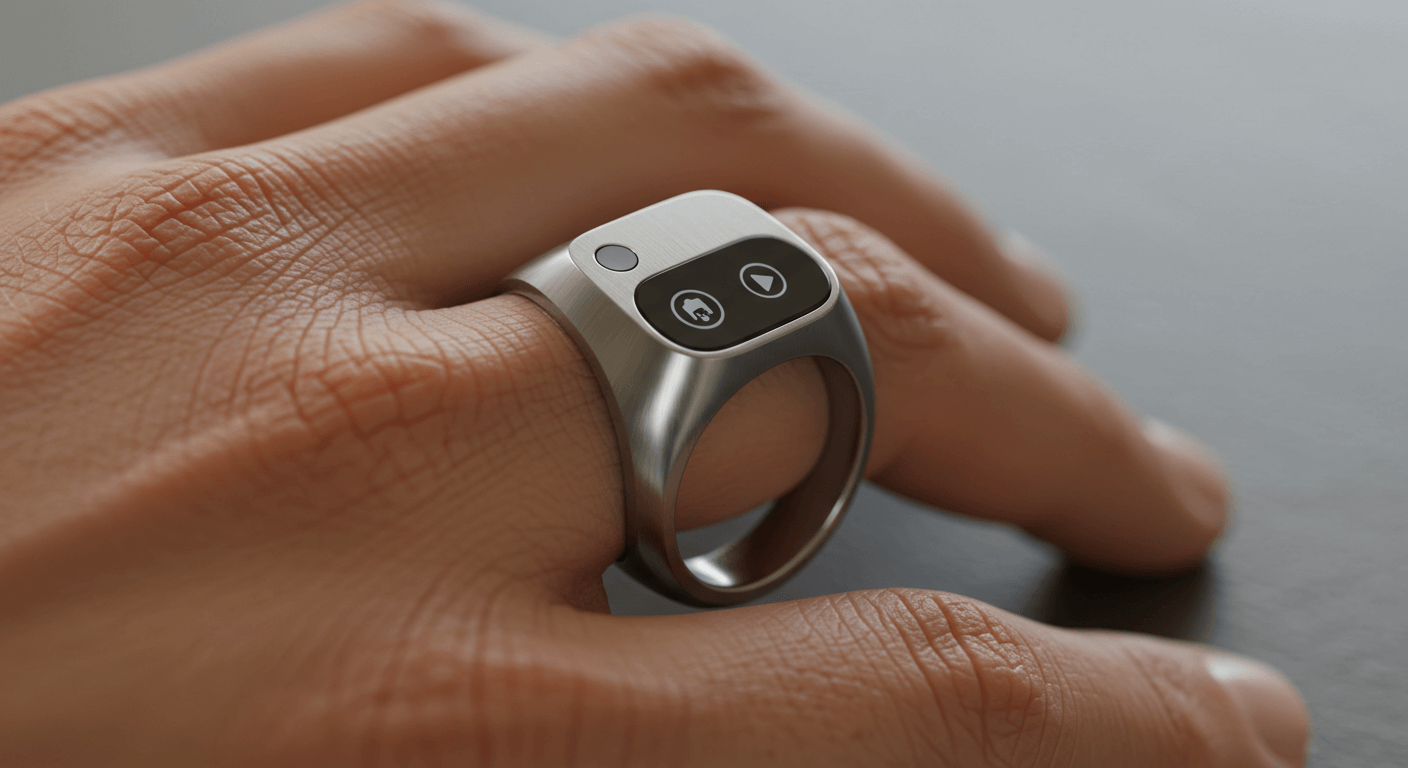
Compared to regular wearables, smart rings have a number of benefits that make them more appealing. One of the best things about them is that they are light and easy to hide. Smart rings don’t look like big smartwatches; they look like regular jewelry. This makes them easier to wear all day and night without drawing attention. This is especially useful for people who want to keep track of their health without it looking like a fitness device.
Long battery life is another important benefit. Most smartwatches need to be charged every day or every other day, but many smart rings can last a week or more on a single charge. This makes them perfect for keeping track of things all the time, especially while you sleep.
Smart rings also let you monitor things passively all the time without being distracted. They focus only on health data instead of sending users too many alerts because they don’t usually have big screens or notifications. This makes things go more smoothly and with less stress.
Finally, smart rings are both stylish and useful. They come in sleek, modern styles that can be worn in professional, casual, or even formal settings without looking like a gadget. Smart rings are a great choice for people who want a stylish way to keep track of their health that is also comfortable and easy to use.
Problems and Limitations of Smart Rings
Smart rings have a lot of benefits, but they also have some problems and limits that people who are thinking about getting one should consider. One of the most important drawbacks is that it doesn’t have as many advanced features as smartwatches do. A lot of smart rings don’t have built-in GPS, big screens, or app notifications, which makes them less useful for people who want a device that can do a lot of things.
Another problem is that it’s not very accurate during high-intensity workouts. Smart rings can measure heart rate and activity in normal situations, but their readings may not be as accurate during vigorous exercise, especially when compared to chest straps or specialized sports trackers. This means they are better for keeping track of your health and lifestyle than for sports performance.
It can also be hard to find the right size and fit. Finding the right size is very important because rings need to fit snugly to get accurate data. Some people may also find them uncomfortable to wear all the time. Also, not all smart rings are good for swimming or being in water for long periods of time because their water resistance varies by model.
Finally, the price can be a problem. Smart rings that are high-quality often cost a lot, which may not seem fair if the features are the same as those of cheaper fitness bands.
Who Should Think About Getting Smart Rings?
Smart rings are best for people who want to keep track of their health all the time in a private and easy way. They are especially good for people who don’t like how big or distracting smartwatches are but still want to know useful things about their sleep, heart rate, and daily activity. Smart rings are great for people who want to live a simple life without giving up on health tracking because they are light and made to be worn all the time.
People who are focused on sleep are one of the groups that get the most out of smart rings. Smart rings are better than wrist-based devices at tracking sleep because they fit comfortably on the finger and don’t get in the way.
Professionals who want to keep an eye on their health without drawing attention to themselves in formal settings may also like how they look like jewellery and can be worn every day.
Smart rings can also help people who are dealing with stress or recovering, since many models use heart rate variability and sleep data to give them information about how they are feeling overall.
But they might not be the best choice for serious athletes who need GPS, workout modes, or very detailed training data. Smart rings are better for people who care more about their health, balance in their lives, and comfort than about tracking their performance.
Conclusion
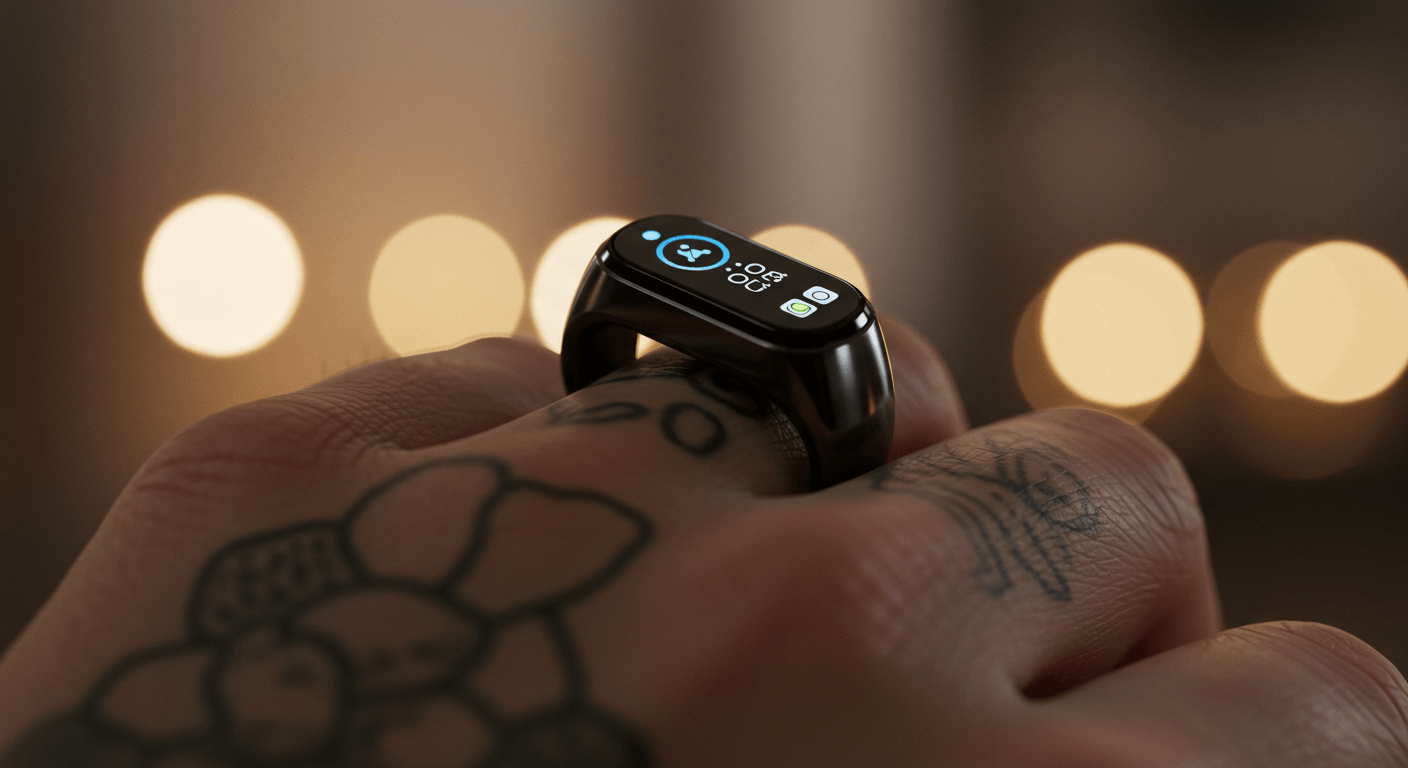
Smart rings are a cool new thing in the world of health technology that you can wear. People who want to keep track of their health without the bulk of a smartwatch will find them to be a great choice because they are discreet, have a long battery life, and can accurately track health. Users can learn a lot about their health by using features like sleep analysis, heart rate monitoring, and activity tracking. The fact that they look like jewellery makes them easy to wear every day.
Smart rings do have some problems, though. They might not have advanced features like built-in GPS or workout modes, and their accuracy can change during intense activities. Smartwatches or fitness trackers made just for that purpose may still be better for serious athletes. But for people who care about their lifestyle, sleep, stress management, and overall health, smart rings give reliable and easy-to-use results.
Smart rings will be able to track health better as technology gets better. These small wearables could become even more useful for managing your health in the future if they get medical-grade sensors and more ways to connect to other devices.
Smart rings are best for people who want to keep an eye on their health in a comfortable, stylish, and consistent way. They strike a good balance between practicality and modern wellness technology.