

Clinically referred to as Seasonal Affective Disorder (SAD), seasonal depression is a form of depression that usually manifests during the decreased daylight hours of the fall and winter seasons. A lot of people suffer from symptoms like chronic depression, poor energy, sleep issues, trouble focusing, and changes in appetite. SAD has a seasonal pattern and typically improves throughout the warmer spring and summer months, in contrast to general depression.
Light therapy is one of the most often suggested therapies for SAD. Sitting in front of a specially made light box that simulates natural sunshine is the non-invasive method and the goal is to substitute artificial light that can aid in regulating the body’s circadian rhythm for the reduced amount of sunshine that occurs during the winter months. Consistent use of light therapy can help stabilize melatonin levels, which regulate sleep patterns, and stimulate the brain’s creation of serotonin, a neurotransmitter that improves mood.
Light therapy provides many individuals with seasonal depression with a handy, drug-free method of managing their symptoms at home. But not every light therapy gadget is made equally. A device’s functionality can be greatly impacted by elements including brightness (measured in lux), UV protection, design, and ease of use. The success of your therapy will be significantly impacted by knowing what to look for and what to avoid.
The effectiveness of light therapy devices for seasonal depression is analyzed in this blog article. We will dissect the science underlying light treatment, emphasise the essential components of a successful device, and present the best choices that both experts and users suggest. We will walk you through the options, which range from desk-mounted lamps to full-spectrum light boxes for more thorough treatment.
To help you in making an informed choice, we have also included information from actual user experiences and clinical research. This article is meant to help you figure out what works and what doesn’t, regardless of whether you’re new to light therapy or want to improve your current setup. You’re not the only one who gets exhausted and irritable every winter. And relief might only be a session away with the correct light treatment equipment. Let’s analyze these gadgets in more detail to see which ones perform the best.
What Is Seasonal Depression?
Seasonal depression, also referred to as seasonal affective disorder (SAD), is a recurrent kind of depression that usually starts and ends around the same time every year. The majority of people experience symptoms in the fall or winter, which go away as spring arrives and sunshine hours increase. SAD is a recognized mental health disease that can have a major influence on everyday functioning and overall quality of life, despite the fact that it may appear like a simple case of the “winter blues.”
Common Symptoms of SAD
Although seasonal depression is associated with a particular time of year, its symptoms are comparable to those of major depressive illness. Common signs and symptoms include:
- Exhaustion and low vitality
- Disruptions in sleep, typically from oversleeping
- Appetite changes, particularly carbohydrate demands
- Gaining weight
- Having trouble focusing
- Loss of enthusiasm for once-enjoyed activities
- Social disengagement
- Feelings of worthlessness or despair
Typically, these symptoms start out modestly and get worse as the season goes on. The symptoms can be incapacitating for certain individuals and disrupt daily activities, relationships, and employment.
What Causes Seasonal Depression?
Although the specific origin of Seasonal Affective Disorder is unknown, there is a clear correlation between it and less exposure to sunlight in the fall and winter. The disturbance of the circadian rhythm, the body’s internal clock, is one of the primary ideas. This natural rhythm can be disrupted by less daylight, which can alter behavior, mood, and sleep patterns.
The imbalance of serotonin and melatonin, two brain chemicals that control mood and sleep, is another contributing reason. Reduced serotonin levels, which are linked to depression, can result from a lack of sunshine. However, more darkness can also increase the production of melatonin, which results in excessive drowsiness and sluggishness. During the winter, this dual imbalance can have a major impact on emotional health.
Who Is Most Affected by SAD?
Millions of people are impacted by SAD annually, although some groups are more susceptible than others. Geographical factors are important. The risk is significantly higher for people who reside in areas with lengthy winters and little sunlight, such as northern Europe, Canada, or the United States. Seasonal depression is more likely to occur the further one is from the equator.
Demographics are important as well. More often, SAD is diagnosed in:
- Women, particularly those in the 18–55 age range
- Symptoms typically start in the late teens or early twenties in young adults.
- People who have a family history of bipolar illness or depression
- Individuals who already have mental health issues
A reversal type of SAD, which manifests in the spring or summer, is less prevalent but can nevertheless happen to certain people. These instances typically have distinct underlying causes and call for distinct therapeutic modalities.
Finding relief from SAD begins with knowing what it is and who it affects. Effective treatment choices, such as implementing light therapy, lifestyle modifications, or expert assistance, can be guided by early symptom recognition and understanding of the underlying reasons.
How Light Therapy Works
One well-liked and successful treatment for seasonal affective disorder (SAD) is light therapy. It entails being exposed to intense artificial light that simulates sunlight. The decreased amount of daylight in the fall and winter, which is thought to cause seasonal depression, is partially offset by this healing light. Resetting the body’s internal clock and reestablishing equilibrium in mood and energy levels are the objectives.
The way light therapy functions is by affecting the brain’s synthesis of two important hormones that control mood and sleep: melatonin and serotonin. One neurotransmitter linked to emotions of contentment and wellbeing is serotonin. Serotonin levels frequently fall with less sunlight exposure, which exacerbates depressive symptoms. A therapy lamp’s bright light can increase the creation of serotonin, which improves mood.
Light treatment also aids in the regulation of melatonin, the hormone that causes sleep. Melatonin levels may stay higher than usual throughout the darker months, which might cause excessive weariness and drowsiness. Bright light exposure early in the day can help to realign sleep cycles by suppressing melatonin and promoting attentiveness.
Protocols for light treatment are usually simple. The majority of individuals use a 10,000 lux light box, which is positioned at a modest angle approximately 16 to 24 inches from the face and resembles daytime brightness. Each session of therapy lasts roughly 20 to 30 minutes and is often conducted in the morning. Daily use throughout the darker months frequently yields the best results, but timing and consistency are crucial.
Many people see a discernible difference in as little as one to two weeks. Light therapy is a handy, drug-free way to manage seasonal depression because it is often well-tolerated and simple to integrate into a morning routine.
Key Features of Effective Light Therapy Devices
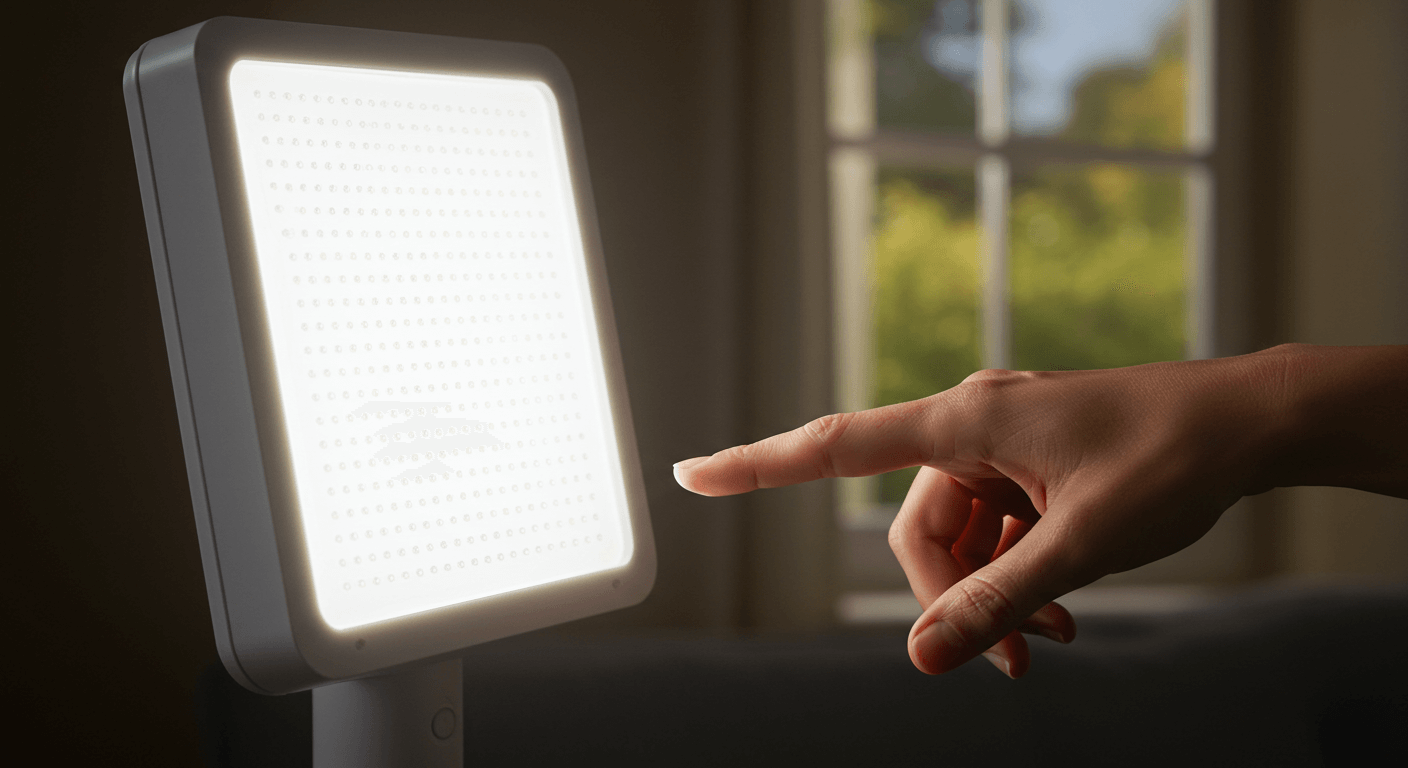
How well you manage Seasonal Affective Disorder (SAD) can be greatly impacted by your choice of light treatment equipment. Although there are numerous light boxes and lamps available, not all of them work as well. It’s crucial to seek for particular aspects that have been shown to promote mood management and sleep improvement if you want to make sure you get the most out of your treatment. The following are important characteristics of successful light therapy equipment to take into account.
Brightness Level (Lux Rating – 10,000 Lux Is Standard)
The brightness of any light therapy equipment is its most crucial component. The unit of measurement for light intensity is lux. 10,000 lux is regarded as the gold standard for treating SAD. This degree of brightness helps to control melatonin and promote serotonin production by simulating the effects of natural daylight on the brain. Lower lux devices might not be as effective and would need longer exposure durations.
UV-Free Light
The ability to filter UV light is another crucial feature. Since ultraviolet (UV) rays can harm the skin and eyes, it is essential that the light therapy device you use generates light that is devoid of UV rays. The entire advantages of strong light therapy are still provided by high-quality equipment that are specifically made to block UV radiation. For safe everyday usage, always make sure the product is labelled as UV-free by looking at its specifications.
Adjustable Angle and Timing
Brightness alone is not enough for light treatment to be effective; placement is also important. To guarantee that the light enters your eyes indirectly without causing discomfort, a suitable device should have adjustable angles. Additionally, some sophisticated models have programmed settings and timers, which make it simpler to maintain a regular treatment regimen. Additionally, you can customize your sessions according to your sensitivity and lifestyle using adjustable settings.
Portability and Size
The frequency and ease of usage of the light treatment equipment can be influenced by its dimensions and design. Particularly when used at a desk or when reading, larger devices with a larger surface area offer a more comfortable and uniform exposure. Compact and portable ones are perfect, especially if you travel frequently or have limited space. Your everyday routine is more likely to incorporate lightweight items that are simple to set up and stow.
Colour Temperature: Blue vs. Full-Spectrum White Light
Blue light or full-spectrum white light is commonly used in light treatment equipment. Full-spectrum white light, which is frequently found in 10,000 lux devices, closely mimics natural daylight. It works well and is usually more comfortable for extended use. Conversely, blue light targets particular wavelengths that affect serotonin production and circadian cycles. Blue light may be too bright or sensitive for some users, but it might be beneficial for others. Generally speaking, white light is advised for new users or those who want a milder experience.
Top Light Therapy Devices That Work
Choosing the appropriate light therapy tool is crucial to managing Seasonal Affective Disorder (SAD). These four highly regarded choices each have special advantages derived from user requirements, professional advice, and therapeutic standards.
1. Carex Day-Light Classic Plus
Professionals recommend the Carex Day-Light Classic Plus, a clinical-grade light therapy lamp. It satisfies every requirement used in light therapy research and emits 10,000 lux of glare-free, UV-free white light. It guarantees the best possible light exposure during sessions thanks to its height and angle adjustments. After just a few days of usage, users frequently report a considerable reduction in their symptoms of SAD.
2. Verilux HappyLight Lucent
For those looking for an inexpensive, space-saving solution, the Verilux HappyLight Lucent is the ideal choice because it is small and reasonably priced. Its thin, light construction emits 10,000 lux of UV-free light. This lamp is portable and perfect for travel or tiny work areas.
3. Northern Light Technologies Boxelite
The Boxelite, which is made for long-term, daily usage, is well-known for its enormous surface area and gentle, glare-free light. Its 10,000 lux illumination is broad and steady, making it easy to use for reading or working.
4. Circadian Optics Lumine
Style and functionality are combined in the Circadian Optics Lumine. This sleek, contemporary lamp fits neatly on a desk and has a strong LED output. It’s simple to use and perfect for continuing light treatment while at work.
Light treatment is made simpler, safer, and more successful by these technologies, all of which satisfy important effectiveness criteria.
How to Get the Most Out of Light Therapy
The best results from light treatment come from regular and appropriate use. You can manage Seasonal Affective Disorder (SAD) more effectively if you adhere to the proper schedule, duration, and safety precautions.
Timing: Best Used in the Morning
Early morning, within an hour of waking up, is the best time to use a light therapy lamp. You will feel more awake and energized throughout the day thanks to morning exposure, which also helps reset your circadian cycle, increase serotonin levels, and decrease melatonin synthesis. It is not advisable to use the light in the evening or at night unless a healthcare professional specifically advises you to do so because it may interfere with your sleep patterns.
Length of Session: 20 to 30 minutes daily
Using a 10,000 lux light therapy box, most people benefit from 20 to 30 minutes of light exposure per session. Longer sessions—up to two hours—may be required for lights with lower intensities (2,500 lux, for example). To ensure that the light enters your eyes indirectly, always sit 16 to 24 inches away from the light source and put the lamp slightly off-center. Avoid looking straight at the lamp.
The secret is consistency. Throughout the fall and winter, use the device every day to keep your energy and mood steady. Missing days can make things less effective.
Safety Tips: Protecting Your Eyes and Skin
High-quality light therapy lamps are safe for frequent usage because they are made to be UV-free. However, take these simple precautions:
- Avoid staring straight into the light.
- Don’t use the lamp for longer than is advised.
- Before beginning therapy, speak with your doctor if you have eye issues or are taking any medications that make you more sensitive to light.
- To lessen eye strain, use the lamp in an area with adequate lighting.
Although moderate headaches or eye pain may initially occur, most users do not experience any negative side effects.
When to Expect Results
After using it everyday for one to two weeks, many people experience improvement. It could take up to four weeks for others. For continued benefits, continue your regular sessions during the gloomier months. Consult a healthcare professional to discuss other treatment options if symptoms worsen or continue.
Do Light Therapy Devices Really Work?
Seasonal Affective Disorder (SAD) is commonly treated using light therapy devices, and there is substantial evidence supporting its efficacy. Exposure to bright artificial light, particularly 10,000 lux, has been shown to considerably lessen seasonal depression symptoms, such as weariness, poor mood, and sleep difficulties.
The way light therapy functions is by simulating sunlight, which aids in regulating the circadian rhythm, the body’s internal clock. Shorter daylight hours in the fall and winter can throw off this cycle, causing an imbalance in the mood and sleep-regulating chemicals melatonin and serotonin. Bright light treatment helps to restore emotional equilibrium and energy levels by suppressing excess melatonin and stimulating the production of serotonin.
For many people with SAD, light treatment can be just as beneficial as antidepressants, according to clinical research. To improve outcomes, it is occasionally even used with other therapies. The secret is to use the gadget properly, which usually involves using a 10,000 lux UV-free light box for 20 to 30 minutes every morning. In as little as one to two weeks, many people begin to see improvements.
The science is further supported by user reviews and comments. After adding light therapy into their regular routine during the darker months, many people say they feel more motivated, emotionally balanced, and aware.
Most users discover that regular daily use results in noticeable improvement, albeit not everyone reacts in the same way. Light therapy is a safe, drug-free option for treating seasonal depression because side effects are uncommon and typically minimal.
Conclusion
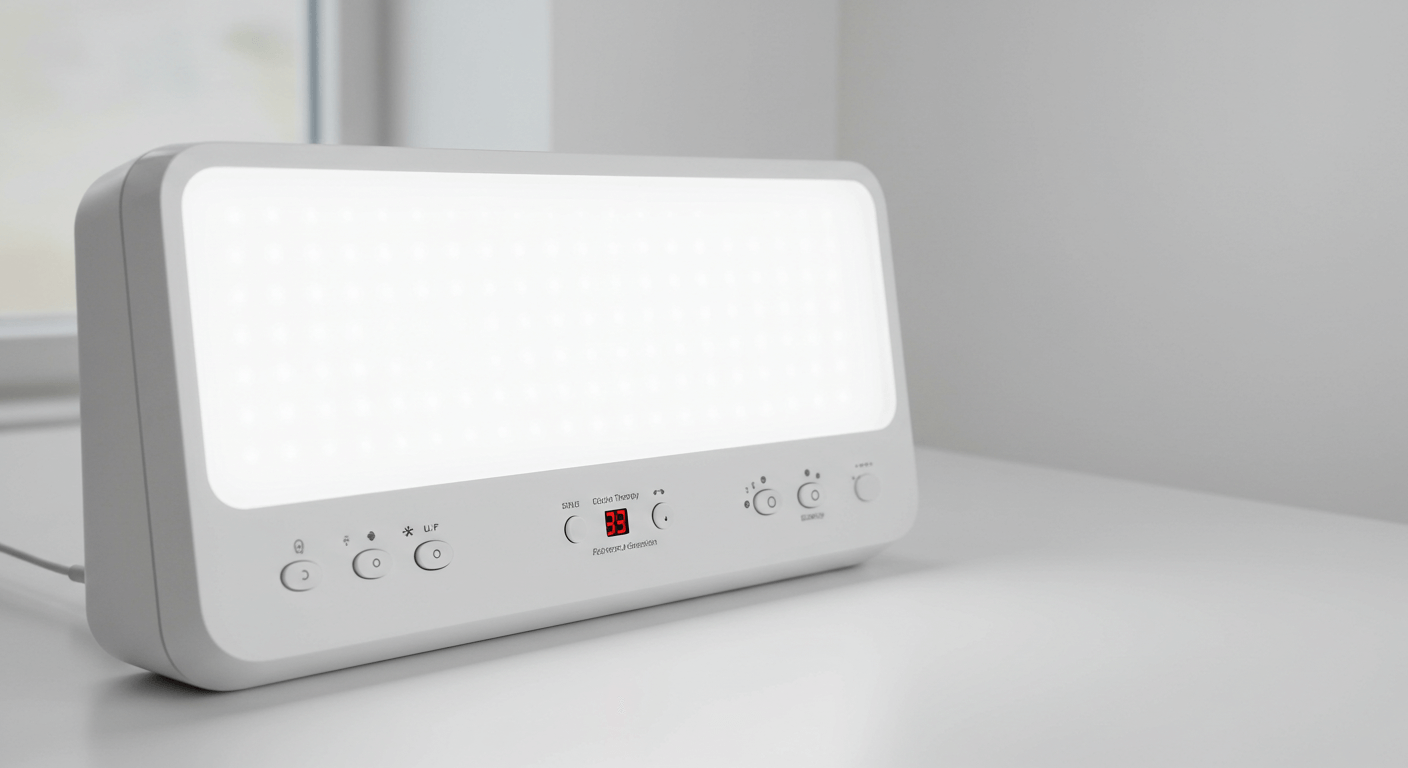
Everyday living can be greatly impacted by seasonal affective disorder (SAD), particularly in the gloomier fall and winter months. The good news is that light therapy provides a convenient, safe, and efficient means of symptom management. Many people report measurable benefits in their mood, energy, and sleep habits after using it consistently every day—often in as little as a few weeks.
Not every light treatment gadget is made equally. Selecting one with customizable settings, UV-free light, and a brightness rating of 10,000 lux can significantly impact safety and outcomes. There are solutions to fit every lifestyle and price range, whether you’re looking for a small-space lamp or a clinical-grade device for use at home.
Users and experts alike have commended the efficacy of devices such as the Carex Day-Light Classic Plus, Verilux HappyLight Lucent, Northern Light Technologies Boxelite, and Circadian Optics Lumine. These methods can help control serotonin and melatonin, which can alleviate seasonal mood swings when utilized appropriately, preferably for 20 to 30 minutes in the morning.
It’s critical to abide by safety precautions, limit exposure, and maintain consistency. Although light therapy is not a panacea, it can offer sustained mental health support throughout the most critical times of the year if used consistently.
It might be worthwhile to investigate light therapy if you’re exhibiting signs of SAD. Always seek medical advice, particularly if you are taking medicine that affects light sensitivity or have pre-existing medical issues. Even when the sun isn’t shining, the correct light treatment equipment can help make your days and your attitude happier.