

Exposure to electromagnetic fields (EMFs) is practically inevitable in the modern environment. EMFs are released by computers, smartphones, Wi-Fi routers, smart home equipment, and even domestic appliances, producing an invisible electromagnetic background that never stops. Many experts concur that lowering needless exposure in the house can promote general well-being, even if research on the long-term health implications of EMF exposure is still ongoing. Every day living might be significantly improved by comprehending how EMFs operate and discovering useful, organic methods to reduce them.
Wireless technologies and electronic equipment emit electromagnetic fields (EMFs), a form of non-ionizing radiation. Cell phones, Wi-Fi routers, microwaves, cordless phones, and even smart meters are examples of common household sources. Long-term exposure has alarmed health-conscious people, particularly in places where people spend a lot of time, like bedrooms or home offices. Although total avoidance is unachievable, exposure can be decreased without dramatic measures by implementing attentive behaviours and small lifestyle modifications.
Many people feel that EMF protection involves expensive gear or complicated home improvements, yet natural techniques can be equally effective. Small alterations, such as rearranging furniture, creating EMF-free zones, or controlling gadget usage, can drastically cut exposure levels. Additionally, incorporating natural materials and thoughtful habits can boost a home’s safety while preserving comfort and convenience.
This guide discusses practical, natural solutions to limit EMF exposure at home, helping you build a safer living environment. Every tactic focuses on doable steps, from grounding methods and EMF-reducing behaviors to maximizing device placement and restricting wireless signals. Implementing these changes gradually can make your house a healthier location for sleep, work, and daily life.
By recognizing the sources of EMFs and taking proactive steps, it’s feasible to enjoy modern technology without compromising health. Natural approaches offer a simple solution that strikes a balance between convenience and safety, whether you’re trying to reduce exposure for your family, kids, or yourself. The following techniques and advice are meant to be easily incorporated into daily activities, enabling you to successfully and naturally lower your exposure to electromagnetic fields:
Find Your Home’s High-EMF Zones
Finding high-EMF areas in your house is the first step in lowering your exposure to EMFs. The strongest electromagnetic fields are produced in these locations by electrical cables, wireless transmissions, and electronic equipment. Bedrooms, home offices, kitchens, and living rooms close to Wi-Fi networks, smart meters, and entertainment systems are common locations for high electromagnetic fields. Multiple devices operating nearby or hidden wiring can cause elevated EMF levels even in seemingly low-tech areas.
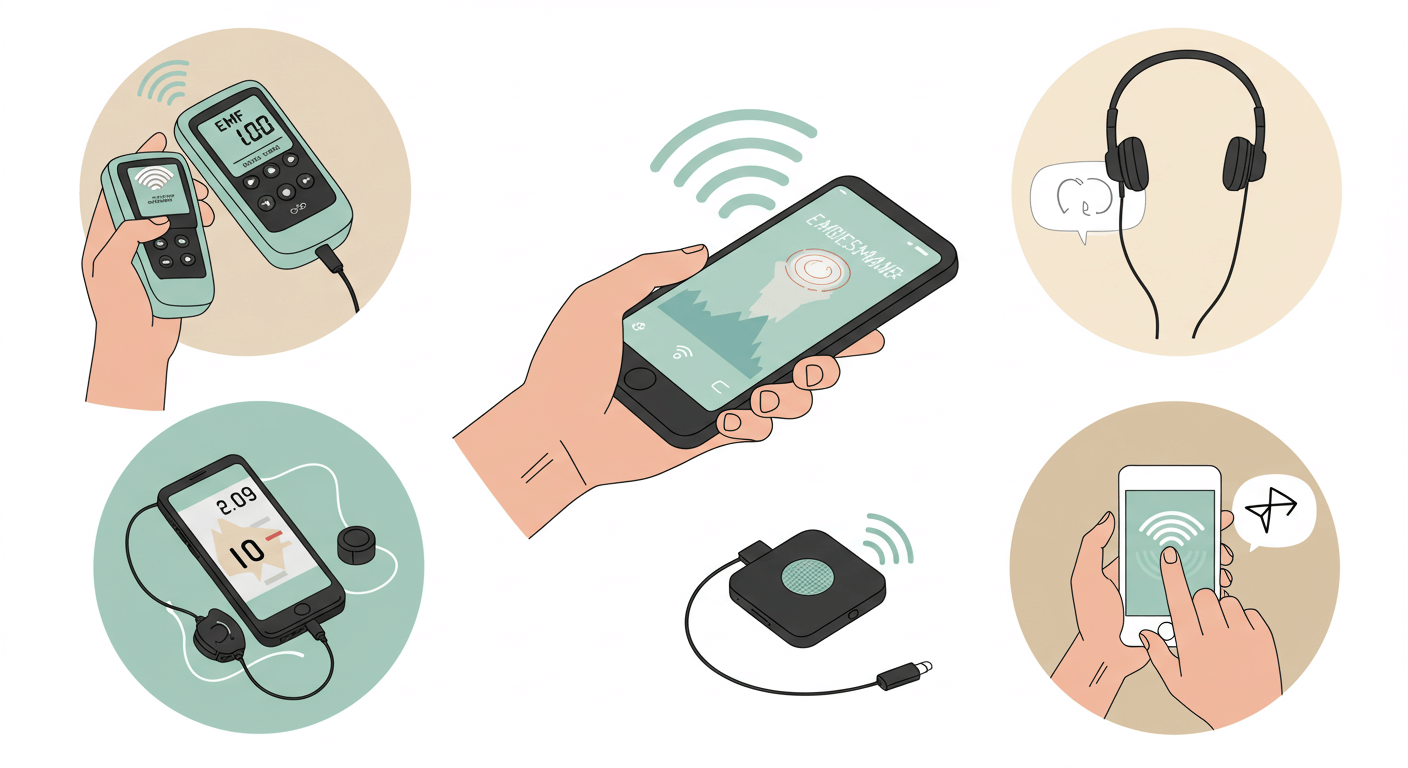
Hotspots with detectable radiation levels can be found with the aid of an EMF meter or smartphone app. With the use of these technologies, you can see the EMF levels in various areas and make adjustments to the arrangement of furniture or the use of devices. Exposure in these zones can be considerably decreased by taking easy actions like relocating Wi-Fi routers, moving your bed away from electrical outlets, or minimizing the amount of time spent close to high-EMF appliances.
It’s critical to routinely check EMF levels, particularly when adding new equipment to the house. Finding high-EMF locations makes it simpler to put natural safety measures into place. The first step in successfully lowering EMF exposure is recognizing and addressing these zones, which promotes a healthier living environment without interfering with daily activities.
Minimize EMF Exposure from Devices
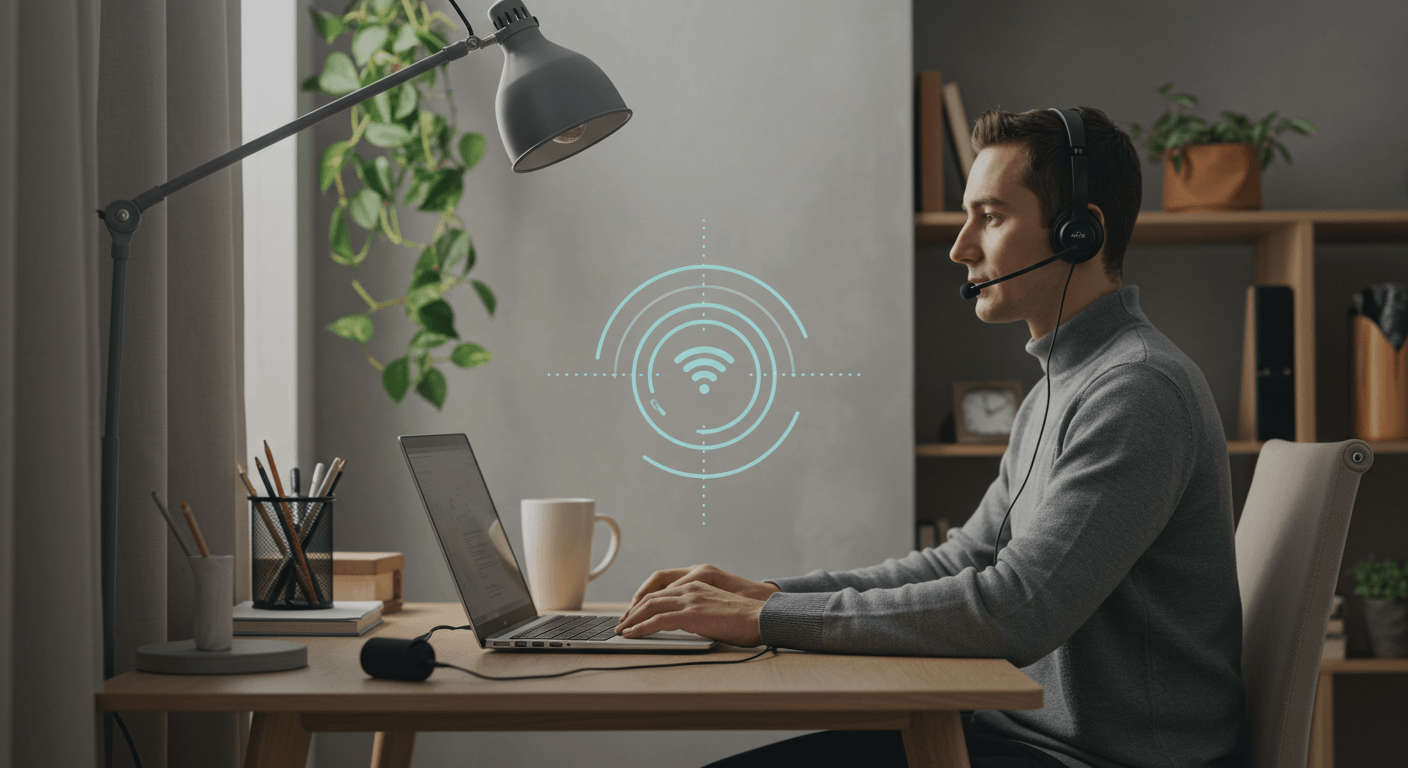
One of the most frequent sources of electromagnetic field exposure in homes is electronic equipment. When in use or even in standby mode, smartphones, laptops, tablets, and cordless phones all release electromagnetic fields. The first step in reducing exposure is to use these devices carefully and strategically.
Using speakerphones or wired headphones rather than holding phones to the head is one efficient method. Direct EMF contact is decreased by this easy modification. Exposure can also be reduced by limiting the amount of time spent using laptops or tablets, particularly on laps or close to the body. Wi-Fi and Bluetooth are wireless signals that contribute to EMF levels; therefore, if possible, use cable connections instead.
Another sensible step is to turn off or unplug devices when not in use. Disconnecting gadgets can minimize needless exposure because many of them continue to create low-level electromagnetic fields even when they are not in use. Establishing tech-free areas or periods can help safeguard family members who are more susceptible in homes with kids.
Without compromising convenience, EMF exposure from devices can be greatly reduced by adopting these practices. These minor adjustments, along with the identification of high-EMF zones, make the home safer while preserving access to contemporary technology.
Create EMF-Safe Sleeping Spaces
Since healthy sleep is crucial for general well-being, bedrooms are among the most crucial spaces to reduce electromagnetic field exposure. EMFs from surrounding electronics, Wi-Fi routers, and smart devices can interfere with sleep quality and potentially damage long-term well-being. Creating an EMF-safe sleeping place involves modest, natural alterations that have a tremendous effect.
Electronic devices should first be kept out of the bedroom or at least a few feet away from the bed. Smartphones, tablets, and computers should be powered down or placed in another room when sleeping. If utilizing a bedside alarm, consider a low-EMF or battery-powered alternative. Wi-Fi routers and smart meters should be installed away from bedrooms wherever possible, or switched off at night to avoid exposure.
Opting for natural bedding materials, such as cotton or linen, can also contribute to a healthier sleep environment. For individuals who are interested in grounding techniques, grounding sheets or mats provide a natural way to lessen the effects of electromagnetic fields while you sleep.
Modest adjustments, such as moving furniture farther away from electrical outlets or shutting off unused electronics, can significantly lower exposure to electromagnetic fields at night. Prioritizing EMF-safe sleeping places supports improved sleep, boosts overall health, and builds a basis for a safer home environment.
Use Natural Materials to Shield EMF
Using natural materials to protect from EMF is a simple and efficient technique to limit exposure at home. Certain metals and materials can filter or absorb electromagnetic radiation, producing safer living areas without relying on sophisticated technology. Common natural shielding materials include copper, silver, and specific EMF-blocking textiles. These materials can be added to commonplace objects or house renovations.
EMF-blocking window coverings or curtains are easy ways to cut down on radiation from the outside world. An extra degree of security can be added by installing copper meshes or fabrics impregnated with silver in furniture or walls. In important spaces like bedrooms, even commonplace objects like pillowcases or bedding made of conductive materials can help reduce EMF levels.
Natural materials can be easily incorporated into the home and are very adaptable. They offer passive protection, operating continually without the need for ongoing supervision or modification. This method complements other strategies, like as relocating gadgets and decreasing wireless transmissions, to provide a holistic EMF-reducing environment.
Incorporating natural shielding materials not only decreases EMF exposure but also corresponds with a holistic approach to home health. By selecting the correct materials and carefully positioning them, it’s possible to enjoy modern technology while keeping a safer, healthier living area.
Optimize Home Wi-Fi and Router Placement
Wi-Fi routers are a major source of EMF exposure in the home, as they generate continuous electromagnetic radiation to offer wireless connectivity. Optimizing their placement can drastically reduce EMF levels in regularly utilized regions. Ideally, routers should be positioned away from bedrooms, home offices, and living rooms where people spend extended periods.
Whenever possible, switch to wired connectivity for PCs, smart TVs, and game consoles. Ethernet cables enable fast, dependable internet without the continual EMF exposure associated with Wi-Fi transmissions. If wireless access is important, try turning off the router at night or during extended periods of inactivity.
Placement tweaks might make a dramatic difference. Avoid placing routers near walls where you spend time sitting or sleeping, and elevate them off the floor to decrease radiation at head level. Overall exposure to electromagnetic fields is also reduced by limiting the number of wireless devices connected at once.
EMF exposure is kept to a minimum by routinely assessing router position and usage patterns. A safer, healthier home environment can be achieved by combining careful device management, wired alternatives, and router placement. These modest yet efficient actions reduce needless electromagnetic field exposure while preserving contemporary convenience.
Incorporate EMF-Reducing Habits
One easy and efficient method to reduce exposure at home is to incorporate EMF-reducing practices into everyday routines. The way technology is used can have a big impact on total EMF levels, even with appropriate device placement and natural shielding. Convenience is not sacrificed for long-term safety through mindful habits.
Start by taking regular “EMF breaks” from devices. Spend as little time as possible using tablets, laptops, and smartphones, especially while you’re holding them close to your body. Encourage device-free zones in high-traffic rooms, such as the dining room or living room, to prevent consistent exposure.
Using wired alternatives, like headphones or internet connections, and shutting off superfluous equipment while not in use are simple yet effective solutions. Rotating device usage and spacing out screen time can further limit cumulative exposure.
For families, creating consistent practices around technology, such as no electronics at bedtime or during meals, creates safer living conditions for children and adults alike. Outdoor activities give natural respite from indoor EMFs, improving overall health.
It is feasible to drastically reduce daily exposure while preserving the advantages of modern living by forming EMF-conscious habits. In a society driven by technology, these modest but deliberate adjustments help create a safer home environment, which supports long-term wellness and balance.
Use EMF-Reducing Plants and Natural Remedies
EMF exposure can be decreased, and general household well-being can be enhanced with the use of specific plants and natural therapies. Plants may help absorb some radiation, enhance air quality, and produce a relaxing atmosphere, all of which assist the body’s innate resistance to electromagnetic stress, even if they cannot completely block EMFs.
Aloe vera, bamboo palms, spider plants, and peace lilies are common EMF-friendly plants. These indoor-thriving, low-maintenance houseplants may help reduce environmental pressures while also adding aesthetic appeal. They can offer a modest, organic layer of protection when placed close to high-EMF regions, including home offices or living spaces with plenty of electronic devices.
Grounding exercises like barefooting on grass or utilizing grounding mats indoors are examples of further natural therapies. Grounding helps maintain the body’s electrical equilibrium, which can mitigate the negative effects of extended exposure to electromagnetic fields.
A straightforward, all-encompassing strategy for lowering electromagnetic fields is to incorporate plants and natural treatments into your house. In contrast to technology, these approaches are inexpensive, low-maintenance, and improve mental and physical health. A healthy, EMF-conscious living environment that promotes long-term wellness can be created by fusing natural ingredients with mindful practices and device management.
Regularly Monitor EMF Levels in Your Home
One of the most important things you can do to keep your house safe and healthy is to regularly check the EMF levels. Wi-Fi usage, the number of gadgets in use, and even modifications to electrical wiring can all affect EMF exposure. By monitoring, high-EMF zones are found and dealt with before they become a permanent issue.
EMF meters are useful instruments for determining the electromagnetic fields in various spaces. By using the real-time measurements these gadgets provide, homeowners can identify hotspots close to electronics, appliances, and routers. Although specialist meters often yield more precise readings, smartphone apps can provide a simple substitute.
Decisions regarding device location, shielding, or usage modifications are informed by routine monitoring, which also aids in tracking changes over time. Finding a new high-EMF zone close to a bedroom or home office, for instance, may lead to adjustments in furniture placement or the shutting off of electronics while not in use.
A proactive approach to reducing exposure is ensured by regular EMF monitoring in conjunction with natural reduction techniques. Maintaining a safer home environment, maximizing gadget usage, and reinforcing EMF-conscious behaviours that promote long-term health and well-being are all made easier by routinely checking levels.
Conclusion
It is possible to lower electromagnetic field exposure at home by combining mindfulness practices, herbal remedies, and awareness. It is feasible to reduce daily exposure without significantly altering contemporary lifestyles by detecting high-EMF zones, placing devices optimally, and designing sleeping areas that are EMF-safe. A comprehensive approach to home wellbeing is provided by using grounding techniques, EMF-friendly plants, and natural materials to further improve protection.
Reducing cumulative EMF exposure requires adopting sensible practices, including using wired connections, limiting screen time, and shutting off devices when not in use. As technology advances, households can respond to new radiation sources by using EMF meters for routine monitoring, which guarantees that modifications are effective.
A healthy living environment is a result of every little adjustment. Over time, even small changes like relocating a Wi-Fi router, designating areas free of electronics, or adding a few houseplants can have a big impact.
One can profit from current gadgets while keeping a low-EMF, safer home by combining natural tactics, attentive technology use, and continuous monitoring. Putting these suggestions into practice encourages a more balanced and health-conscious lifestyle, improves sleep quality, and enhances general well-being.