

Comfort, health, and the longevity of your furniture all depend on maintaining the proper humidity levels in your house. While too dry air can harm wood flooring, furniture, and musical instruments, low humidity can result in dry skin, inflamed sinuses, and static electricity. An efficient way to balance indoor moisture levels and make living spaces healthier is to use humidifiers.
With humidifiers becoming more and more popular, homeowners frequently have to decide between a whole-house system and a portable device. Although increasing indoor humidity is the goal of both solutions, their coverage, ease of use, cost, and upkeep vary greatly. Choosing the best option for your house requires an understanding of these variations.
Portable humidifiers are small, multipurpose, and simple to transport between spaces. They are available in different varieties, such as warm mist, evaporative, and ultrasonic variants, each with special advantages. These units are perfect for focusing on particular spaces, such as workplaces or bedrooms, where you spend the most time. They are a popular option for smaller houses or short-term use because they are also typically easier to maintain and more reasonably priced up front.
Conversely, whole-house humidifiers provide constant humidity throughout your property by integrating directly into your HVAC system. In contrast to several portable units, they offer long-term convenience, cover multiple rooms at once, and frequently require less daily maintenance, even if they usually demand a larger initial investment. For households looking for consistent humidity control and long-term advantages across large spaces, these systems are perfect.
We’ll look at the features, advantages, and disadvantages of whole-house and portable humidifiers in this tutorial. In order to ensure the best possible comfort, health, and protection for your living space, you will also learn how to select the appropriate type based on your home’s size, lifestyle, and particular requirements.
What Is a Humidifier?
A humidifier is a machine that helps maintain ideal indoor humidity levels by adding moisture to the air. Maintaining a healthy humidity level, usually between 30% and 50%, can enhance comfort, promote good health, and even safeguard the inside of your house. Humidity is the amount of water vapour in the air.
Water vapour or mist is released into the surrounding air by humidifiers. The type of unit determines the procedure. Warm mist humidifiers heat water to produce steam, evaporative versions utilize a fan to force air through a wet wick, and ultrasonic humidifiers use vibrations to create a fine mist. The objective is the same regardless of the approach: raise indoor moisture levels to offset dryness brought on by air conditioning, heating systems, or naturally dry areas.
Comfort is the only advantage of utilizing a humidifier. In addition to lowering static electricity and protecting hardwood furniture, floors, and musical instruments, proper humidity can help lessen dry skin, chapped lips, and irritated nasal passages. Maintaining ideal humidity helps ease discomfort and facilitate breathing for people with asthma, allergies, or respiratory disorders.
In the winter, when indoor heating can significantly reduce moisture levels, humidifiers also offer a useful alternative. Along with enhancing comfort and health, they help safeguard your home’s structural integrity by avoiding dry air-related problems like paint peeling and wood cracks.
Determining whether a whole-house system or a portable humidifier is appropriate for your home requires first understanding the function and purpose of humidifiers. Every choice has special benefits and is made to support you in keeping your home more comfortable and healthy.
Portable Humidifiers: Features and Benefits
Compact and multipurpose, portable humidifiers are made to add moisture to particular rooms of your house. They are perfect for tiny areas where tailored humidity can significantly improve comfort and health, such as nurseries, offices, or bedrooms.
Mobility is one of the primary benefits of portable humidifiers. You may use these units precisely where and when you need them because they are portable, unlike whole-house systems. Because of their adaptability, they are a sensible option for buildings without central HVAC systems, seasonal use, and tenants. There are various varieties of portable humidifiers, and each has special characteristics.
- Ultrasonic humidifiers use vibrations to create a fine mist, which is energy-efficient and quiet.
- Evaporative humidifiers naturally control humidity without producing undue wetness by using a fan to move air through a wet wick.
- By heating water to produce steam, warm mist humidifiers can lessen allergies and microorganisms in the air.
Another advantage is ease of upkeep. Compared to whole-house systems, portable units are typically smaller and simpler to maintain, which lowers the possibility of bacterial or mold growth. Convenient for everyday use, many models also come with built-in functions like timers, humidity settings that can be adjusted, and automatic shut-off.
Portable humidifiers offer flexible, affordable ways to enhance comfort and air quality in specific areas of the house, even though they might not be able to cover the entire house. They are especially appropriate for people who want a low-maintenance, straightforward solution or who wish to address dry air in particular rooms.
A portable humidifier can greatly improve indoor air quality, reduce dryness, and provide a more comfortable and healthy living environment if the right kind is chosen and maintained.
Whole-House Humidifiers: Features and Benefits
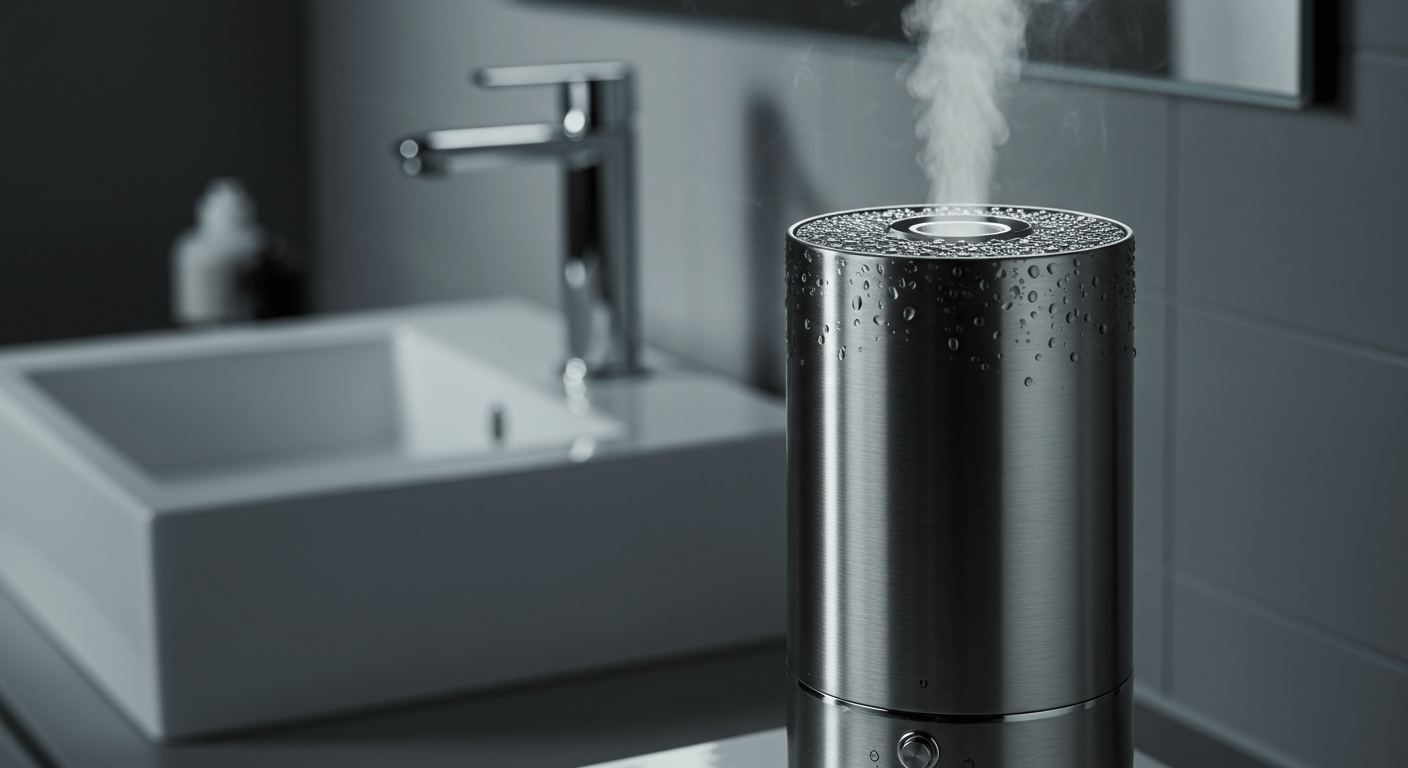
The purpose of whole-house humidifiers is to keep the humidity levels in a residence constant. These systems work directly with your HVAC system to distribute moisture evenly over many regions at once, unlike portable units that target individual rooms. They are therefore the perfect choice for homeowners looking for thorough, long-term humidity control.
Uniformity is one of the main advantages of whole-house humidifiers. The hot and dry areas that can happen with portable units are eliminated since they use your home’s ductwork to provide the same amount of humidity throughout every room. Static electricity is decreased throughout your house, wooden flooring and furnishings are protected, and comfort is enhanced by this constant dampness.
Long-term maintenance is typically simpler. Depending on the model, a whole-house system usually simply has to have its water panel or filter replaced on a regular basis rather than having to clean several portable pieces. Additionally, a lot of systems have automatic humidity sensors, which let you program a desired humidity level that the machine will maintain automatically.
Efficiency is an additional benefit. Compared to several portable units, whole-house humidifiers are better capable of handling vast spaces and frequently consume less energy per square foot of coverage. They are therefore a sensible option for large homes, families, or anybody else wishing to make an investment in a long-term indoor air quality solution.
The advantages of regular humidity, less maintenance, and energy economy frequently offset the initial cost and installation of a whole-house humidifier, even if it is more expensive than a portable machine. Whole-house systems offer a low-maintenance, efficient solution that covers the entire house for homeowners looking for a long-term, dependable way to enhance indoor air quality and comfort.
Pros and Cons: Portable vs Whole-House Humidifiers
The size of the house, financial constraints, convenience, and long-term requirements all play a role in the decision between a whole-house system and a portable humidifier. Every choice has particular benefits and drawbacks.
Pros Of Portable Humidifiers
- Affordability: Compared to whole-house systems, portable humidifiers are usually less expensive up front.
- Flexibility: It’s simple to relocate from one room to another, enabling tailored humidity where it’s most needed.
- Numerous Types: To accommodate varying tastes, options include warm mist, evaporative, and ultrasonic devices.
- Easy Maintenance: Cleaning, refilling, and filter changes are easier to handle when the device is smaller.
Cons of Portable Humidifiers
- Restricted Coverage: Ideal for single rooms; larger dwellings may require many units.
- Manual Operation: To maintain ideal humidity, frequent refilling and observation are needed.
Pros of Whole-House Humidifiers
- Complete Coverage: Uses your HVAC system to distribute constant humidity throughout your house.
- Low Maintenance: Compared to several portable devices, it requires less regular cleaning and maintenance.
- Automatic Operation: A lot of systems have sensors that automatically maintain the appropriate humidity levels.
- Energy Efficiency: Using a single system rather than several portable units may result in greater energy efficiency.
Cons of Whole-House Humidifiers
- Greater Upfront Cost: Compared to portable units, installation and equipment are more costly.
- Installation Needed: Usually, professional installation is required, which raises the initial expenses.
- Less Flexibility: It is difficult to move or modify for different rooms once placed.
The decision is based on your budget, lifestyle, and home size. Whole-house systems offer consistent, long-term humidity control for bigger residences, while portable devices are best for temporary or smaller settings. By being aware of these benefits and drawbacks, you may choose a humidifier that will satisfy your practical and comfort demands.
How to Pick the Best Humidifier for Your Requirements
Your home, lifestyle, and health requirements must all be carefully taken into account when choosing a humidifier. You may select a solution that offers the most comfort and efficiency by being aware of the distinctions between whole-house and portable units.
- Assess Your Space: Think about how big the space you wish to humidify is. A portable humidifier usually works well for a single room, but a whole-house system is better for larger homes or places with multiple rooms. Performance is also impacted by room layout and ceiling height, since more open areas or higher ceilings may call for larger capacity units.
- Establish Your Budget: Although portable humidifiers are typically less expensive up front, many units might be required for coverage across the entire house. Although whole-house systems are more expensive initially and may need to be professionally installed, they provide long-term energy efficiency and convenience.
- Frequency of Use: Consider how frequently you plan to use the humidifier. Whole-house systems work automatically through your HVAC system to maintain constant humidity with no effort; however, portable devices need more frequent maintenance, such as cleaning and refilling.
- Health Considerations: It’s critical to keep constant humidity in your home if somebody has sensitive skin, allergies, or respiratory conditions. More consistent moisture levels are frequently provided by whole-house humidifiers, which may be good for your health. Targeting trouble spots, such as nurseries or bedrooms, is made easier with portable units.
- Ease of Maintenance: Take into account how much time and energy you’re prepared to invest in cleaning, filter replacements, and water refills. While whole-house systems need less daily attention and infrequent maintenance, portable units are simpler to clean individually.
Conclusion
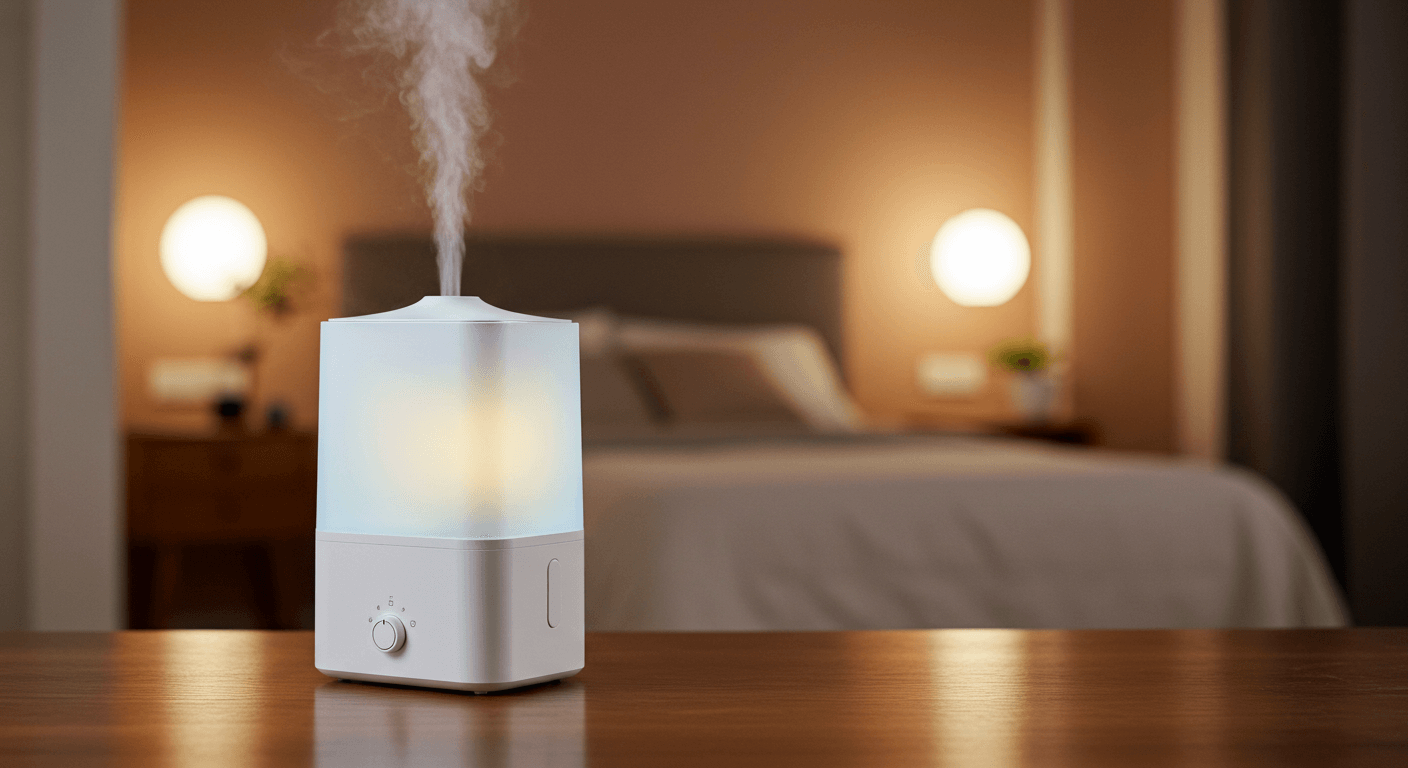
Your home’s size, lifestyle, and particular humidity requirements will ultimately determine whether you should have a whole-house system or a portable humidifier. Although they have different uses, both solutions are good for enhancing comfort, health, and indoor air quality.
For specific locations or single rooms, portable humidifiers are perfect. They are a sensible option for temporary use, tiny residences, and tenants because they are inexpensive, portable, and easy to maintain. However, to maintain ideal humidity levels, they need to be cleaned, refilled, and watched over frequently.
Conversely, whole-house humidifiers work directly with your HVAC system to deliver steady moisture levels throughout your house. For larger areas or families looking for consistent, long-term humidity control, they are ideal. Over time, these systems provide ease, low maintenance, and energy economy, despite the greater initial and installation expenses.
Think about things like room size, usage frequency, budget, maintenance preferences, and health concerns before selecting a type. By being aware of these factors, you can make sure that your humidifier promotes respiratory health, protects furniture, and increases comfort. Maintaining appropriate moisture levels is a simple yet effective method to enhance the quality of life in your living area, whether you choose a whole-house system or a portable unit.