

Many people underrate the importance of a restful night’s sleep. Immune system performance, mood modulation, memory consolidation, and even weight control all depend on getting enough good sleep. However, a lot of people have trouble sleeping because of stress, lifestyle choices, or sleep problems.
Recent years have seen a considerable advancement in sleep technology, providing a range of devices for monitoring, analyzing, and enhancing the quality of sleep. Sleep technology, which includes wearables and AI-powered apps, is assisting people in better understanding their sleep patterns and forming healthier routines. Sleep trackers and smart sleep masks, two innovative products made to improve sleep in rather distinct ways, are among the most widely used options available today.
The primary function of sleep trackers is to monitor sleep patterns, offering information on heart rate, activity, sleep stages, and general restfulness. Smartwatches, fitness bands, bedtime monitors, and even smart rings are among their various types. Users can determine what influences their sleep and make changes to enhance their nightly rest by analyzing their sleep data. Those who prefer a data-driven strategy for optimizing their sleep will find these gadgets very helpful.
However, smart sleep masks do more than just detect sleep; they actively improve it by employing soundtracks, light therapy, and blackout designs to create the ideal sleeping environment. While some models feature relaxation techniques like binaural beats or meditation programs, others employ soft light pulses to help users fall asleep. For those who have trouble falling asleep, wake up a lot, or are sensitive to light and sound, these masks are perfect.
Even though each choice has advantages of its own, the crucial question is still which is superior. Individual sleep needs determine that. While some people could benefit more from a smart mask’s sleep-enhancing capabilities, others might prefer the data-driven approach of a sleep tracker. In order to help choose the best option for enhancing sleep quality, this article will evaluate sleep trackers and smart sleep masks, looking at their features, efficacy, comfort, and general advantages.
By the end, you will know exactly how these gadgets work and which one best suits your sleep objectives. This guide will assist you in making an informed choice, whether your goal is to improve your sleeping environment or analyze your sleep patterns.
What Are Sleep Trackers?
Sleep trackers are innovative gadgets made to track and analyze sleep patterns, giving people greater knowledge of their rest periods. These gadgets monitor heart rate, movement, and other physiological indicators all night long using a combination of sensors and algorithms. Sleep trackers provide insights into the quality of sleep and suggest ways to enhance it by gathering and evaluating this data.
Technologies like heart rate variability (HRV) analysis, which evaluates the depth and quality of sleep, and actigraphy, which tracks movement, are used in modern sleep trackers. To provide a more complete picture of sleep health, more sophisticated models even monitor breathing patterns and blood oxygen levels. Usually, a smartphone app syncs the data, enabling users to monitor their sleep history, spot trends, and modify their nighttime practices as needed.
Types Of Sleep Trackers
There are many different types of sleep trackers, each made to accommodate distinct tastes and ways of life. Among the primary kinds are:
Wearable Sleep Trackers
The most popular kind are wearable sleep monitors, which are usually worn on the head, wrist, or finger. To evaluate the quality of sleep, these gadgets track movement, heart rate, and even skin temperature in real time.
- Fitness bands and smartwatches: Apple Watch, Fitbit, and Garmin are just a few examples of devices with integrated sleep tracking capabilities that track sleep stages and generate comprehensive data. For a more comprehensive approach to wellbeing, they also interface with health applications.
- Smart Rings: The Oura Ring and other like gadgets use sophisticated sensors on the finger, which can detect blood flow and temperature more precisely than on the wrist, to track sleep.
- Headbands and EEG-Based Trackers: To gain a better understanding of sleep cycles, certain sophisticated sleep trackers, such as the Muse headband, detect brain activity as you sleep using electroencephalography (EEG).
Non-Wearable Sleep Trackers
Non-wearable sleep trackers provide an alternative to bracelets and rings for people who would rather not use their hands. These gadgets, which measure sleep using motion sensors, radar technology, or sound analysis, are set up on the bedside table or beneath the mattress.
- Bedside Monitors: Without making physical contact, gadgets such as Google Nest Hub evaluate sleep using radar-based motion detection (Solin radar technology).
- Under-Mattress Sleep Trackers: Devices such as the Beddit and Withings Sleep Analyzer use tiny sensors positioned beneath mattresses to track heart rate, snoring habits, and sleep movements.
Although both wearable and non-wearable trackers provide insightful information, wearable technology typically yields more accurate data since it can measure skin temperature, blood oxygen levels, and heart rate.
Key Features of Sleep Trackers
Numerous functions on sleep trackers assist users in evaluating and enhancing the quality of their sleep.
- Sleep tracking: Sleep stage tracking is one of a sleep tracker’s most crucial features. These gadgets calculate the amount of time spent in light, deep, and REM sleep by examining breathing, heart rate, and movement patterns. While deep sleep is essential for immunological response and physical recuperation, light sleep facilitates the body’s shift to deeper slumber. Dreaming-related REM sleep is essential for emotional control and memory consolidation. Better energy levels and cognitive performance are guaranteed by a sleep cycle that is in harmony.
- Heart Rate Monitoring: Heart rate monitoring is an additional essential component. Sleep trackers provide information about the general health of sleep by continuously monitoring changes in heart rate throughout the night. While irregular heart rate changes may indicate restlessness, tension, or underlying sleep disorders like sleep apnea, a consistent, lower heart rate usually signals profound relaxation. In order to identify respiratory issues like snoring or oxygen depletion while you sleep, some sophisticated models even measure blood oxygen levels (SpO2).
- Motion detection: Motion detection is another method used by many sleep trackers to evaluate the quality of sleep. By detecting tossing and turning, devices with gyroscopes and accelerometers let consumers observe how restless their sleep was. Moving about a lot at night could be a sign of discomfort, tension, or an uncomfortable sleeping environment. For a more thorough examination of the factors that might be influencing sleep quality, some trackers furthermore keep an eye on outside distractions like background noise or snoring.
- Versatility: The majority of contemporary sleep trackers are compatible with smartphone apps that offer convenient access to sleep information and tailored suggestions. These applications produce thorough sleep reports and provide sleep scores that represent the total length, effectiveness, and quality of sleep. Additionally, they show trends over time, which enables users to spot patterns and adjust their lifestyles accordingly. In order to help users feel refreshed in the morning, some sleep trackers even come with smart alarms that rouse users during the lightest sleep period.
What Are Smart Sleep Masks?
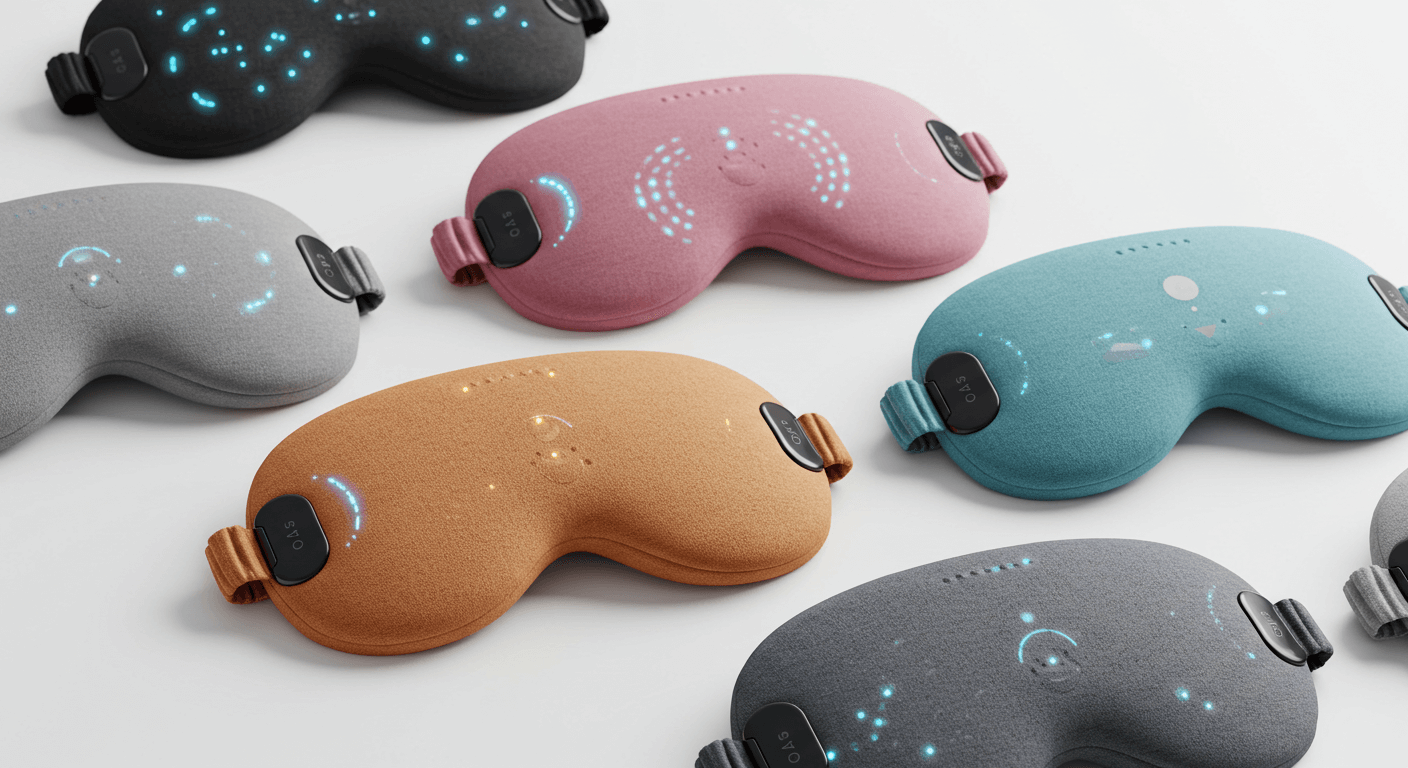
Smart sleep masks are cutting-edge wearable technology that combines relaxing methods, soundscapes, light treatment, and blackout design to enhance the quality of sleep. Smart sleep masks use scientific sleep technology to help users fall asleep more quickly, stay asleep longer, and wake up feeling refreshed, in contrast to standard sleep masks that only filter out light.
The circadian rhythm, the internal clock that controls sleep-wake cycles, is influenced by these masks. Smart sleep masks provide the perfect sleep environment that encourages relaxation and deeper rest by utilizing soothing sounds, soft light cues, and ergonomic designs that are pleasant. To maximize the quality of sleep, some models even monitor sleep patterns and make real-time feature adjustments.
How Smart Sleep Masks Differ From Regular Sleep Masks
Traditional sleep masks help people sleep in dark environments by acting as a straightforward light-blocking barrier. Regular masks work well to filter out bothersome brightness, but they don’t actively promote relaxation or better sleep.
By adding elements supported by science, smart sleep masks go beyond simple blackness and actively enhance the quality of sleep. These masks promote natural relaxation by employing guided relaxation techniques, engrossing soundscapes, and subtle light shifts. Smart sleep masks employ technology to affect brain activity and encourage sound sleep, in contrast to traditional masks that only cover the skin.
Furthermore, whereas smart sleep masks offer personalized sleep experiences based on personal preferences, conventional sleep masks offer a one-size-fits-all solution. Some even connect to smartphone apps, enabling users to monitor their sleep habits and improve their nighttime schedules.
Key Features of Smart Sleep Masks
- Light Therapy: Light therapy, a scientifically validated technique for controlling the body’s sleep-wake cycle, is one of the most notable aspects of smart sleep masks. These masks include integrated LED lights that release particular wavelengths intended to increase melatonin generation and enhance the quality of sleep. Smart sleep masks signal the brain to get ready for sleep by emitting a gentle red or amber glow at night. These warm-colored lights provide a relaxing effect and promote natural drowsiness, in contrast to blue light from screens that interferes with melatonin levels. To aid in a natural wake-up, smart sleep masks frequently simulate a gradual sunrise in the morning. The mask gradually brightens, simulating the sun’s natural ascent, rather than sounding an abrupt warning. The body wakes up feeling more awake and rejuvenated thanks to this gradual shift, which also lessens grogginess.
- Relaxing Immersion Soundscapes: Smart sleep masks frequently come with built-in speakers or Bluetooth connectivity in addition to light therapy, enabling users to enjoy calming soundscapes as they drift off to sleep. By reducing outside distractions like traffic, snoring, or domestic sounds, these soundscapes provide a quiet and restful sleeping environment. Though they vary, the available sound options frequently consist of: White noise helps reduce distractions by producing a constant, soothing sound. Use natural noises to create a peaceful mood, such as rain, waves in the ocean, or rustling leaves. guided meditations that walk participants through relaxation and breathing exercises. Sound frequencies are used by binaural beats to encourage deep relaxation and enhance the quality of sleep. Smart sleep masks combine sound treatment and blackout covers to provide a multisensory relaxation experience that facilitates deep sleep.
- Blackout Design: Similar to conventional sleep masks, smart sleep masks completely filter out light, resulting in completely dark sleeping environments. They go beyond conventional designs, though, by utilizing ergonomic fits and molded cushioning to close off even the smallest openings where light could enter. Memory foam padding is used in several smart sleep masks to provide a pressure-free, comfortable fit around the eyes. Those who require total darkness to fall asleep, have light sensitivity, or sleep in bright situations can especially benefit from this design. Users can achieve deeper, more restful sleep by using smart sleep masks, which create the perfect sleeping environment by blocking out outside light and disturbances.
- Relaxation Techniques for Stress Reduction: In addition to encouraging sleep, smart sleep masks are made to assist users in unwinding before bed. Numerous models come with built-in relaxing features, including heat therapy, mild vibrations, and breathing exercises. Certain smart masks utilize light pulses or vibrations to promote deep relaxation while guiding users through slow, rhythmic breathing exercises. Others have delicate warming properties that soothe the eyes and assist in releasing tension and stress after a long day. Smart sleep masks are an effective aid for anyone dealing with anxiety, insomnia, or restless nights because they incorporate relaxation techniques into the bedtime ritual, which lowers stress levels, lowers heart rate, and facilitates a natural transition into sleep.
A Comparison of Smart Sleep Masks and Sleep Trackers
Overall health depends on getting enough good sleep, and sleep technology has brought up creative ways to assist people in getting better sleep. Smart sleep masks and sleep trackers are two well-liked choices. Although they both seek to improve sleep, their functions are distinct. To assist in choosing the best choice for a given set of demands, this guide evaluates these devices according to their features, comfort, accuracy, usefulness, and user acceptability.
Purpose & Functionality
Sleep Trackers
Sleep trackers are made to keep an eye on sleep habits, identify disturbances, and offer comprehensive information about the quality of sleep. These gadgets assist users in comprehending their sleep cycles and spot possible problems by analyzing movement, heart rate, and breathing patterns to determine the stages of sleep. Sleep monitors provide suggestions to enhance sleep hygiene and create healthy nighttime habits by integrating with apps.
Smart Sleep Masks
Smart sleep masks actively work to improve sleep, in contrast to sleep trackers that passively gather data. To encourage deeper sleep, these masks use soundscapes, light therapy, relaxation methods, and blackout designs. They assist users in falling asleep more quickly, lower stress levels, and control circadian rhythms using scientifically supported techniques. Smart sleep masks aim to improve sleep, not merely monitor it.
Accuracy & Effectiveness
Sleep Trackers
To assess the stages of sleep, sleep trackers use heart rate monitors, movement sensors (actigraphy), and occasionally oxygen saturation measurements. Although they offer insightful information, polysomnography, the gold standard in sleep research, is more accurate. Accuracy may be impacted by variables such as sleeping posture and device positioning. Modern AI-driven algorithms, on the other hand, are dependable for general sleep trends and habits as they keep improving their sleep monitoring skills.
Smart Sleep Masks
Scientific ideas like light treatment and sound relaxation techniques form the foundation of smart sleep masks. According to studies, exposing oneself to light gradually before bed may assist in controlling the creation of melatonin, which facilitates falling asleep. In a similar vein, relaxation and stress reduction can be achieved by white noise, guided meditation, and soothing sounds. Although individual outcomes may differ, many users say that regular use improves the quality of their sleep.
Comfort and Usability
Sleep Trackers
Sleep monitors are available in both wearable and non-wearable varieties. For people who have trouble sleeping or who are sensitive to wearing electronics overnight, wearable trackers like smartwatches, fitness bands, or smart rings may cause discomfort. For people who would rather not make contact, non-wearable sleep trackers such as under-mattress sensors offer an alternative.
Smart Sleep Masks
Since smart sleep masks need to be worn over the face, not everyone can wear them. To improve comfort, several designs do, however, include memory foam, contoured padding, and adjustable straps. Premium smart masks are more comfortable than regular eye masks because of their lightweight design, especially for back sleepers. Selecting a well-made mask is essential to guaranteeing a relaxing and productive sleep experience.
Features & Technology
Sleep Trackers
- Sleep Stage Tracking: Identifies REM, deep, and light sleep cycles.
- Heart Rate Monitoring: Evaluates sleep quality by measuring heart rate variability.
- Movement Detection: Detects agitation and awakenings during the night.
- Sleep Scoring: Offers a total score determined by the length, effectiveness, and sleep disruptions.
- App Integration: Provides individualized sleep data and suggestions by syncing with smartphone apps.
Smart Sleep Masks
- Light therapy: Regulates circadian rhythm by mimicking the sunrise and sunset.
- Soundscapes: White noise and soundscapes help people relax and block out disturbances.
- Blackout Design: Blocks out outside light to promote deeper slumber.
- Guided breathing: Before going to bed, guided breathing and meditation promote calmness and stress reduction.
- Configurable Settings: Enables users to modify times, noises, and brightness for individualized sleep improvement.
Who Should Use Which?
Sleep Trackers
For people who wish to examine their sleep patterns and improve their habits, sleep monitors are perfect. They are beneficial for:
- Those who want to monitor long-term patterns in sleep.
- Those who wish to recognize and treat sleep disorders.
- Fitness fanatics who monitor vital signs like heart rate and recuperation.
- People who favor a data-driven strategy for enhancing their quality of sleep.
Smart Sleep Masks
Smart sleep masks are more appropriate for people who wish to enhance their sleep quality actively. They are perfect for:
- Those who have trouble sleeping or remaining asleep.
- Those impacted by noise disturbances or light pollution.
- Those seeking a sleep aid that is non-intrusive.
- Users who favor methods of relaxing over monitoring data.
Pros And Cons of Smart Sleep Masks and Sleep Trackers
Pros Of Sleep Trackers
- It offers insights about sleep.
- Monitors sleep cycles, heart rate, and movement.
- Connects to health applications
Cons Of Sleep Trackers
- It may cause discomfort for certain people.
- The battery needs to be charged.
- Does not actively enhance sleep quality
Pros Of Smart Sleep Masks
- Darkens light to promote deeper slumber
- Makes use of relaxation methods and light treatment
- Aids in sleep problems and jet lag
Cons Of Smart Sleep Masks
- Might not offer comprehensive sleep insights
- They could seem heavy to some people.
- More expensive than simple sleep masks
Which One Should You Buy?
Who Benefits More from a Sleep Tracker?
The greatest option for people who seek data-driven insights into their sleeping patterns is a sleep tracker. It can be particularly helpful to people who struggle to comprehend why they feel exhausted, individuals who are trying to get the most out of their sleep, and fitness fanatics who track their recuperation. Over time, sleep monitors assist users in making well-informed changes to enhance their sleep hygiene.
Who Benefits More from a Smart Sleep Mask?
For people who have trouble falling asleep, are sensitive to light, or have sleep problems brought on by stress, smart sleep masks are perfect. By reducing distractions and fostering a peaceful atmosphere, they provide instant advantages. Smart sleep masks are more beneficial for people who have erratic sleep habits, travel frequently, or are looking for a non-intrusive way to improve their quality of sleep.
Budget Considerations
The cost of sleep trackers varies greatly, ranging from low-cost entry-level models to expensive gadgets with sophisticated capabilities. Conversely, smart sleep masks are typically more costly, but they do more than just track data—they actively improve sleep. Customers on a tight budget who value insights might choose a tracker, while those who want to invest in better sleep would favor a smart mask.
Best Option for Long-Term Sleep Improvement
Combining the two devices might be the best course of action for long-term improvement. A smart sleep mask actively improves the quality of sleep, while a sleep tracker assists in identifying sleep patterns and possible problems. A smart sleep mask is the best option for people who need immediate sleep improvement, while a sleep tracker is excellent for people who want to improve their sleeping patterns over time.
Conclusion
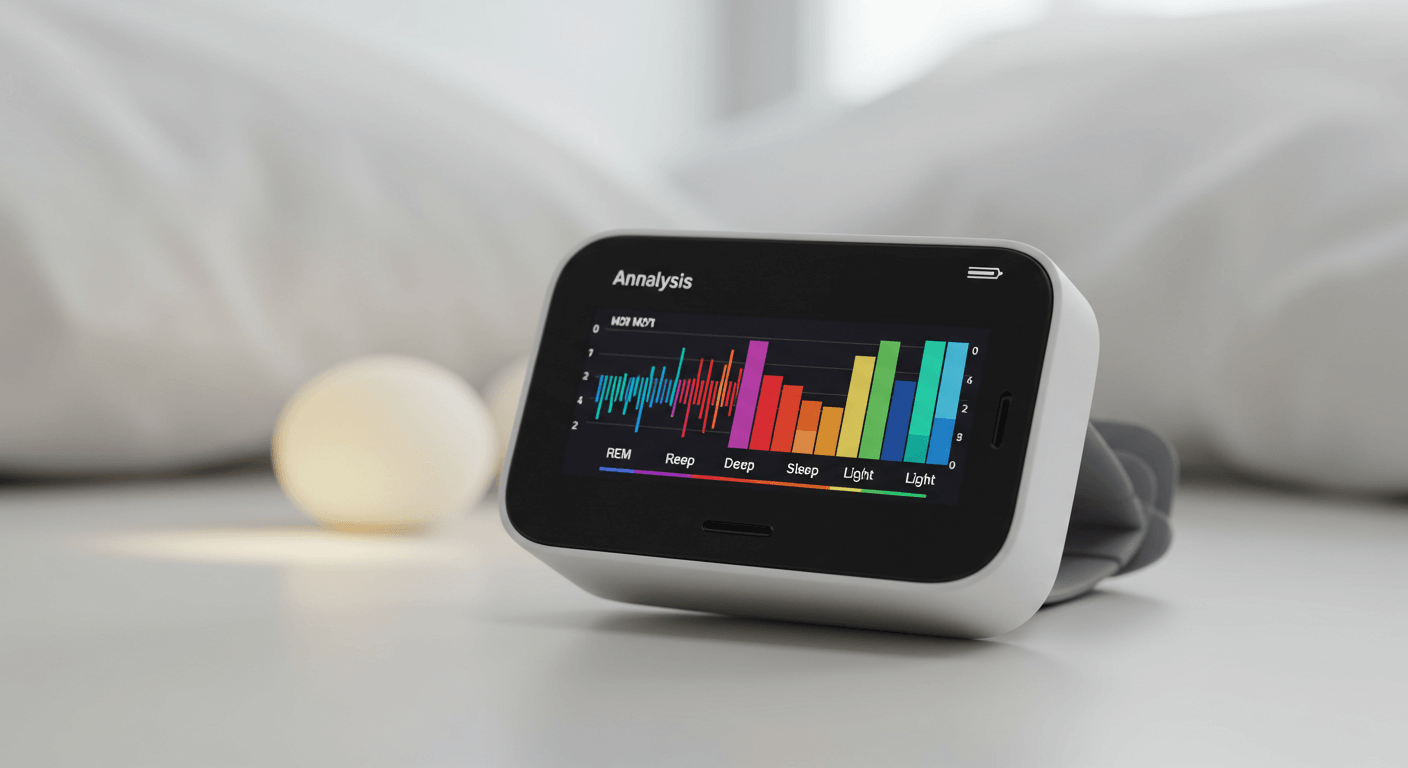
The best option for enhancing sleep quality will rely on personal preferences, although both sleep trackers and smart sleep masks have special advantages. For people who wish to monitor health indicators, examine their sleep habits, and make educated lifestyle adjustments, sleep trackers are a great tool. Conversely, smart sleep masks are perfect for people who have trouble falling or staying asleep because they actively improve sleep through the use of soundscapes, light therapy, and blackout features.
Budgetary considerations are also important. The cost of sleep trackers varies greatly, with both high-end and low-cost models available. Smart sleep masks, particularly those with cutting-edge technology, are frequently more expensive but provide instant advantages. Combining the two devices can provide the most complete strategy for enhancing sleep health for individuals looking for a long-term fix.
The ideal choice ultimately relies on individual tastes and sleep objectives. Investing in the appropriate sleep technology can result in greater sleep and enhanced general well-being, whether the focus is on data-driven insights or actively improving sleep quality.