

Prolonged desk work can seriously impair posture. Long durations of sitting, whether at work or at home, can cause slouching, rounded shoulders, and lower back discomfort. Over time, bad posture can lead to more than simply physical appearance; it can also result in respiratory problems, exhaustion, chronic discomfort, and diminished focus. Devices that correct posture can help with it.
The purpose of posture correctors is to help maintain healthy spinal alignment, retrain muscles gradually, and lessen the physical strain that comes with extended sitting. These gadgets have the potential to revolutionize desk work by relieving everyday discomfort and promoting healthier lifestyle choices. There are numerous options available that are tailored to office professionals, ranging from conventional back braces to smart posture wearables and ergonomic support equipment.
Posture assistance has become even more crucial as remote work and screen usage have expanded. Recent health trends indicate that more people are using posture correctors to increase their energy and productivity during the workday in addition to relieving discomfort. The correct tool can make all the difference, whether you’re trying to address chronic posture problems or just occasional discomfort.
Comfort, wearability, degree of support, and whether a discrete design is required for office use are some of the criteria that influence the choice of the best posture corrector. While some gadgets employ smart technology to notify users when slouching occurs, others offer physical support by keeping the shoulders back. In order to provide a comprehensive posture solution, many desk workers find it beneficial to combine wearable correctors with ergonomic accessories like footrests or lumbar cushions.
The best posture correctors that are especially suggested for desk workers will be highlighted in this guide. Comfort, usability, design, and efficacy in encouraging improved posture during extended workstation use are the basis for each selection. This list will assist you in finding the best device to promote a healthy spine and a more pleasant work routine, regardless of whether you’re new to posture correction or replacing an outdated brace.
Learn which posture correctors are worthwhile to try and how they can help you change your desk arrangement into a posture-friendly office so you can wave goodbye to slouching and back pain.
Why Posture Matters for Desk Workers
One of the most prevalent, yet often ignored, problems among desk workers is poor posture. Long periods of sitting, frequently slouched over a keyboard or leaning in the direction of a screen, can progressively cause lower back discomfort, neck strain, and spinal imbalances. These behaviors can eventually lead to chronic problems like sciatica or cervical stress, as well as long-lasting discomfort and decreased mobility.
More than just physical health benefits from maintaining good posture at work. Research indicates that bad posture can have an impact on blood circulation, breathing effectiveness, and even focus. It is more difficult to take deep, complete breaths when slouching because it compresses the diaphragm and lungs. Throughout the workday, this may result in diminished energy and mental clarity.
Conversely, proper posture encourages improved shoulder and spine alignment. It lessens weariness, eases joint and ligament stress, and enables the muscles to function effectively. Better posture for desk workers can lead to reduced physical strain, better productivity, and a more self-assured demeanour.
The significance of posture has never been higher as more people choose to work remotely and spend more time at their desks. The cycle of slouching and suffering can be broken by investing in posture assistance, whether it be through standing desks, ergonomic seats, or wearable posture corrector technology.
One of the most significant adjustments desk workers can make is to become more conscious of their posture and take proactive measures to improve it. Comfort and long-term well-being can be significantly enhanced by making small changes on a regular basis.
What to Look for in a Posture Corrector Device
Comfort, support, and long-term outcomes can all be significantly impacted by the posture corrector device you choose. With so many alternatives available, from sophisticated smart wearables to conventional back braces, it’s critical to understand which features to emphasize, particularly for desk professionals who spend hours each day sitting down.
- Fit and Comfort: Comfort is one of the most crucial aspects of any posture corrector. People won’t wear a device regularly if it feels too tight, heavy, or restricted. To ensure a personalized fit, look for adjustable designs, padded straps, and breathable fabrics. Models that are lightweight are perfect for wearing under or over clothes all day.
- Support Type: Posture correctors are available in a variety of styles to target different body areas. While some support the lumbar spine, others concentrate on the shoulders and upper back. A tool that gently pulls the shoulders back can help desk workers overcome the forward hunch brought on by typing and screens.
- Usability: Without help, a posture corrector should be simple to put on and take off. Adjustability is crucial because many desk-friendly types are made to be covertly worn under clothes. For ease, look for alternatives with magnetic closures, ergonomic buckles, or Velcro straps.
- Smart Features: Smart posture gadgets employ sensors to identify slouching and send out moderate vibrations as reminders for people seeking more sophisticated support. These wearables frequently work in tandem with smartphone apps to monitor posture patterns and advancement over time, assisting users in developing healthier routines.
- Discreet Design: A discreet design is crucial if you intend to wear a posture corrector to work. Seek out slender profiles that go nicely with business clothes. Maintaining professionalism in the workplace also benefits from the use of neutral colors and noise-free equipment.
- Washability and Durability: A good posture aid should withstand frequent use. Examine the materials and stitching for durability, particularly if the item is worn every day. Additionally beneficial for preserving cleanliness and prolonging product life are washable fabric components.
Top Posture Corrector Devices for Desk Workers
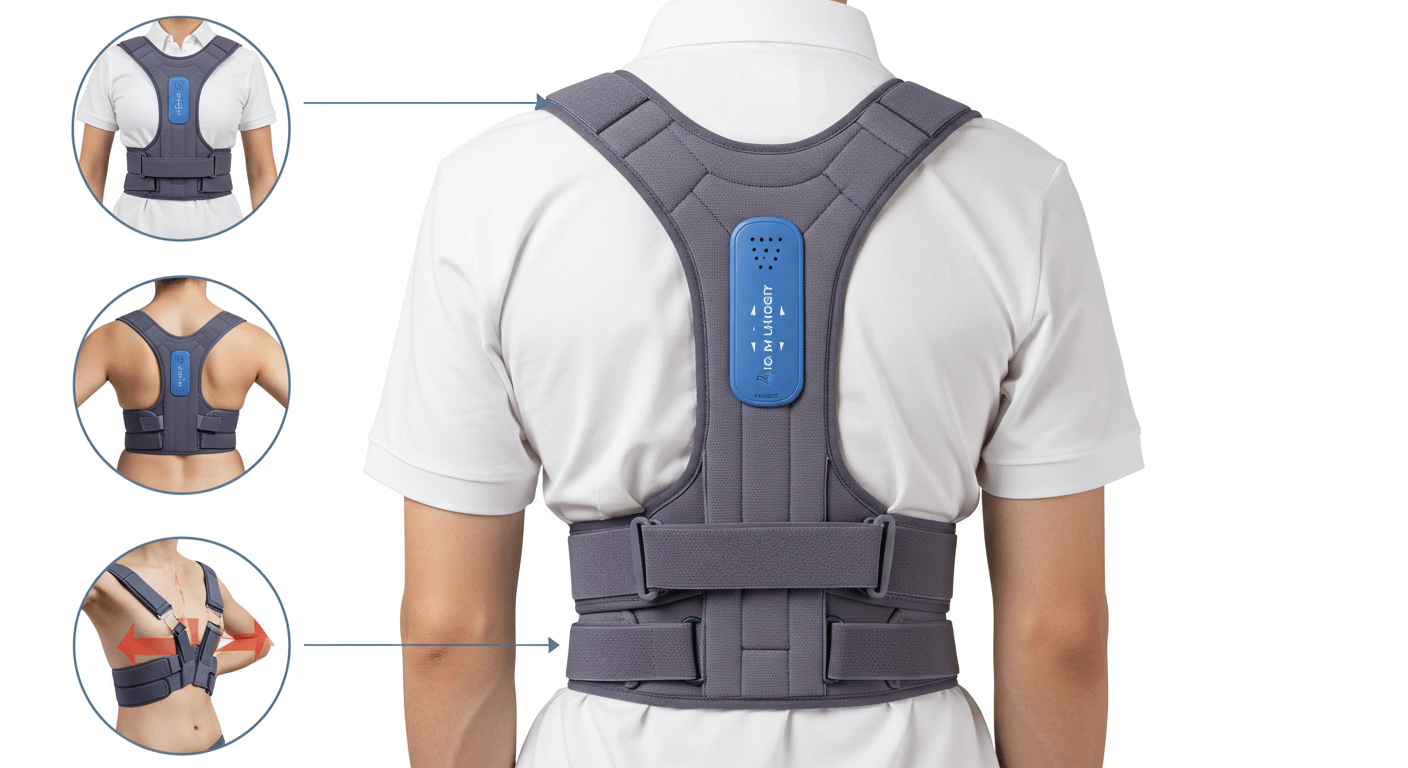
Comfort, productivity, and long-term spinal health can all be significantly improved by selecting the appropriate posture corrector. The greatest posture aids provide focused support, comfort, and wearability for desk professionals who spend a lot of time sitting down. Some of the best posture correctors that are suggested for both remote and office workers are listed below:
1. Upright GO 2 Smart Posture Trainer
The Upright GO 2 is a stylish wearable gadget that fastens to your upper back with a necklace strap or skin-safe adhesive. It detects slouching using real-time biofeedback and sends out mild sensations when your posture starts to deteriorate. With daily objectives and success reports, the accompanying app assists in monitoring posture improvement over time.
Ideal for: The tech-enabled, lightweight, and discrete smart trainer is ideal for contemporary workers who wish to track their posture without donning a heavy brace.
2. FlexGuard Support Back Brace
In order to assist in straightening the spine, FlexGuard provides a traditional-style back brace that fits around the shoulders and upper back. Breathable materials and straps that may be adjusted provide a snug yet comfortable fit. Users who have tension in their neck or upper back as a result of bad posture will find this corrector extremely beneficial.
Ideal for: Novices or anyone in need of strong physical assistance to overcome a habit of slouching.
3. BetterBack Posture Belt
The BetterBack is a portable belt that is worn while sitting, as opposed to shoulder braces. It helps you keep your hips and lower back stable so you can sit up straight. The gadget is perfect for use at home, at work, or on the go because it folds up effortlessly into a tiny pouch.
Ideal for: Its focus on the lower back and pelvis region, which is a typical source of pain for desk workers, sets it apart. Non-invasive and simple to use.
4. BackEmbrace Posture Support
BackEmbrace is a fashionable and cozy design that blends form and function. It encourages natural spinal alignment and softly pushes the shoulders back when worn like a bolero. Because of its elastic, soft fabric, it can be worn under professional attire all day.
Ideal for: People who seek wearable posture adjustment that is mild without compromising comfort or style.
5. SmartPosture™ Sensor by AhomeTao
When it detects slouching, this posture reminder sensor vibrates and attaches to your neck strap or shirt. It syncs with a smartphone app for data tracking and has a gyroscope for precise feedback. SmartPostureTM holds you accountable without requiring physical constraint, in contrast to bulkier braces.
Ideal for: Desk workers who wish to develop long-term awareness of posture habits and who prefer tech-based feedback over strict support.
6. ViboCare Posture Corrector for Men and Women
With its padded straps for comfort, this upper back brace is made to fit the majority of body shapes. Over time, it aids in posture retraining by supporting the shoulders and mid-spine. It is suitable for everyday use at the desk and is simple to use over or under clothes.
Ideal for: It is appropriate for both extended sitting and mild exercise since it strikes a balance between structure and flexibility.
7. ComfyBrace Adjustable Posture Corrector
ComfyBrace is renowned for its breathable materials and ergonomic design. This back brace offers gentle yet reliable shoulder alignment and is easy to modify. It comes with an easy-to-follow instruction manual and is universally sized to fit most users.
Ideal for: It’s a wonderful entry-level posture corrector because it’s very inexpensive and beginner-friendly.
8. ErgoFoam Adjustable Foot Rest
The ErgoFoam foot rest is an essential ergonomic accessory that promotes better sitting posture, even though it is not a wearable gadget. Raising the feet promotes a more upright sitting posture and less strain on the lower back. All day long, it’s high-density foam provides outstanding comfort and support.
Ideal for: Complements posture braces to provide a more comprehensive, ergonomic workspace arrangement.
9. Lumo Lift Posture Coach (Discontinued but Popular)
The Lumo Lift was a popular posture aid, but it is no longer manufactured. Because of its clever features, lightweight design, and precise posture tracking capabilities, many desk workers continue to look for it for use. It inspired other contemporary designs and established the benchmark for wearing posture sensors.
Ideal for: Because of its ease of use and efficiency, tech-savvy users continue to value it.
Tips for Using Posture Correctors Effectively
You can train your body to sit and stand with optimal alignment by wearing a posture corrector, but wearing the device alone won’t give you the optimum results. It’s critical to utilize these tools correctly and consistently to enhance posture and lessen discomfort. The following advice, supported by experts, can help you use posture correctors effectively:
- Begin slowly: If you have never used a posture correction device before, begin by wearing it for 15 to 30 minutes each day. As your body adjusts over the next few weeks, gradually extend the time. Building up gradually helps avoid tension while enhancing posture awareness because excessive use can cause muscle fatigue or discomfort over time.
- Use as a Training Tool, Not a Crutch: The purpose of posture correctors is to retrain your muscles, not to replace them. Don’t rely on the gadget all day. Rather, utilize it as a gentle reminder to keep your spine neutral and activate your core. Eventually, you won’t require the device at all because the objective is to gradually improve your postural muscles.
- Pay Attention to Form When Using It: If you continue to have bad habits, using a posture device won’t be enough to stop slouching. Pay attention to your posture: sit up straight, place your feet flat on the ground, and place your ears over your shoulders. To maximize the benefits of your corrector, set up your workplace ergonomically and use a supportive chair.
- Combine with Strengthening and Stretching Activities: Use your posture device in conjunction with exercises that focus on your shoulders, upper back, and core for long-lasting effects. Enhancing natural posture and lowering reliance on outside assistance are two benefits of strengthening these muscle groups. Exercises like yoga, pilates, and physical therapy are beneficial additions. Remain Consistent: Correcting posture takes time, just like any other habit modification. To create a routine, wear your corrector at the same time every day, whether you’re working or doing a desk job. Better posture habits and observable gains in alignment and comfort are the results of consistency.
Desk workers can see noticeable improvements in their daily sitting, movement, and mood by purposefully employing posture correctors in conjunction with healthy practices.
Conclusion
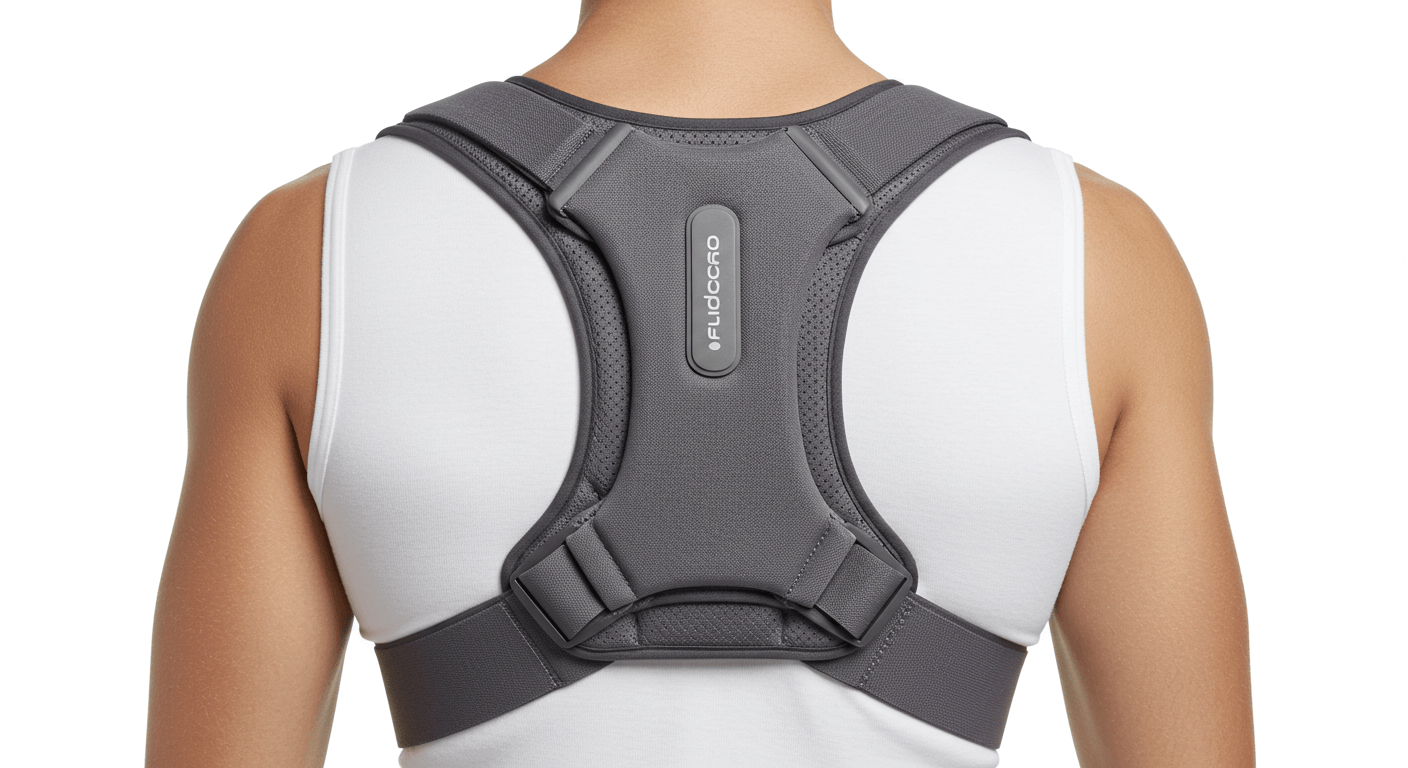
For long-term health, concentration, and comfort, it is crucial to maintain good posture at your desk. As remote work and screen time increase, more professionals are suffering from posture-related back discomfort, shoulder tightness, and neck strain. During the workday, posture corrector devices are a useful tool for spinal alignment support, body retraining, and encouraging better habits.
The correct gadget can significantly alter your sitting and feeling, from wearable smart sensors to adjustable braces and ergonomic accessories. The secret to long-term success is selecting a posture corrector that fits properly, is comfortable, and works with your daily schedule. For optimal effects, use it with stretching, regular mobility, and good desk ergonomics.
The items featured in this book offer desk workers useful and tested solutions for supporting their backs, regardless of whether they are just beginning their journey toward better posture or are searching for a more intelligent way to do so. By making an investment in posture health now, you can lessen discomfort, increase focus, and avoid long-term problems. Your spine will appreciate it if you investigate the finest solutions and make the commitment to adopt a healthier, more upright routine.