

One of the most frequent reasons for persistent neck and back discomfort in modern life is poor posture. Long periods of time spent working on laptops, scrolling through phones, or sitting at desks can cause forward head postures, slouched shoulders, and misaligned spines. These behaviors may eventually lead to tense headaches, poor circulation, muscle tiredness, and even decreased mobility. The good news? Wearable technology is taking over by providing workable answers for improved posture correction and spine alignment.
Because of their ease of use and real-time feedback, wearable technology that promotes spinal health has become increasingly popular. The purpose of these little, user-friendly gadgets is to gradually realign the body throughout the day. Many of these wearables, whether via biofeedback systems, smart sensor integration, or vibration reminders, assist users in becoming more conscious of their posture and gradually improving it without the need for intrusive procedures or inflexible braces.
The variety of technologies is expanding, ranging from wearables that correct your posture that you may fasten to your upper back to shirts with sensors, braces that support your lumbar region, and intelligent insoles. Every kind of gadget has its own special characteristics; some use smartphone apps to monitor development, while others offer mild physical assistance to encourage proper spine alignment. Numerous users have experienced increases in energy, focus, and general well-being in addition to changes in posture.
Some of the best wearable technologies for enhancing spine alignment are examined in this blog post. We’ll go over how these gadgets operate, what features to look for, and how they can be seamlessly incorporated into daily life. Whether you’re looking for a subtle reminder to sit up straight or a smart device that tracks your back angle throughout the day, there’s definitely a gadget that matches your needs.
Choosing the correct posture-supporting device depends on various criteria, including your activity level, comfort preferences, and whether you need tailored support for specific spine conditions. This information is designed to help you navigate the options, understand the benefits, and make an informed decision that supports long-term spinal health.
One vibration reminder at a time, let’s explore the top wearable technology that is now assisting individuals worldwide in realigning their spines, reducing back discomfort, and developing better posture habits.
The Benefits of Wearable Technology for Spine Health
Wearable technology for spine health improves alignment, encourages persistent body awareness, and promotes good posture. By teaching the nervous system and muscles to adopt better behaviours, these devices can help avoid long-term spinal problems and lessen back discomfort.
The majority of posture-correcting devices track your shoulders and spine in real time using tiny sensors. The device softly vibrates or sounds a warning to assist the body to return to the appropriate posture when it starts to slouch or lean too far forward. One important component that gradually strengthens muscle memory is this real-time biofeedback. Users frequently report observable benefits in their standing, sitting, and movement throughout the day after regular use.
Through app connectivity, some devices provide greater insight than just warnings. These gadgets provide alignment scores, daily reminders, and posture tracking by syncing with smartphones. Users can use this data to track their progress over time and spot trends that might be causing spinal health issues.
By helping the spine return to its natural posture, other wearable technologies, such as smart shirts or back braces, offer passive assistance. These are particularly helpful for people who are healing from injuries or who want more support to maintain appropriate alignment, whether standing or sitting for extended periods of time.
Users can strengthen their postural habits, reduce muscular tension, and promote overall spine wellness by integrating wearable technology with movement and posture correction techniques. The objective is the same whether using a supportive lumbar band, a smart posture trainer, or a high-tech insole: to enhance spinal alignment by gradual, everyday reinforcement. Although they are effective instruments that promote longer-term back support and healthier movement, wearable spine devices cannot substitute professional treatment.
Top Wearable Gadgets for Spine Alignment
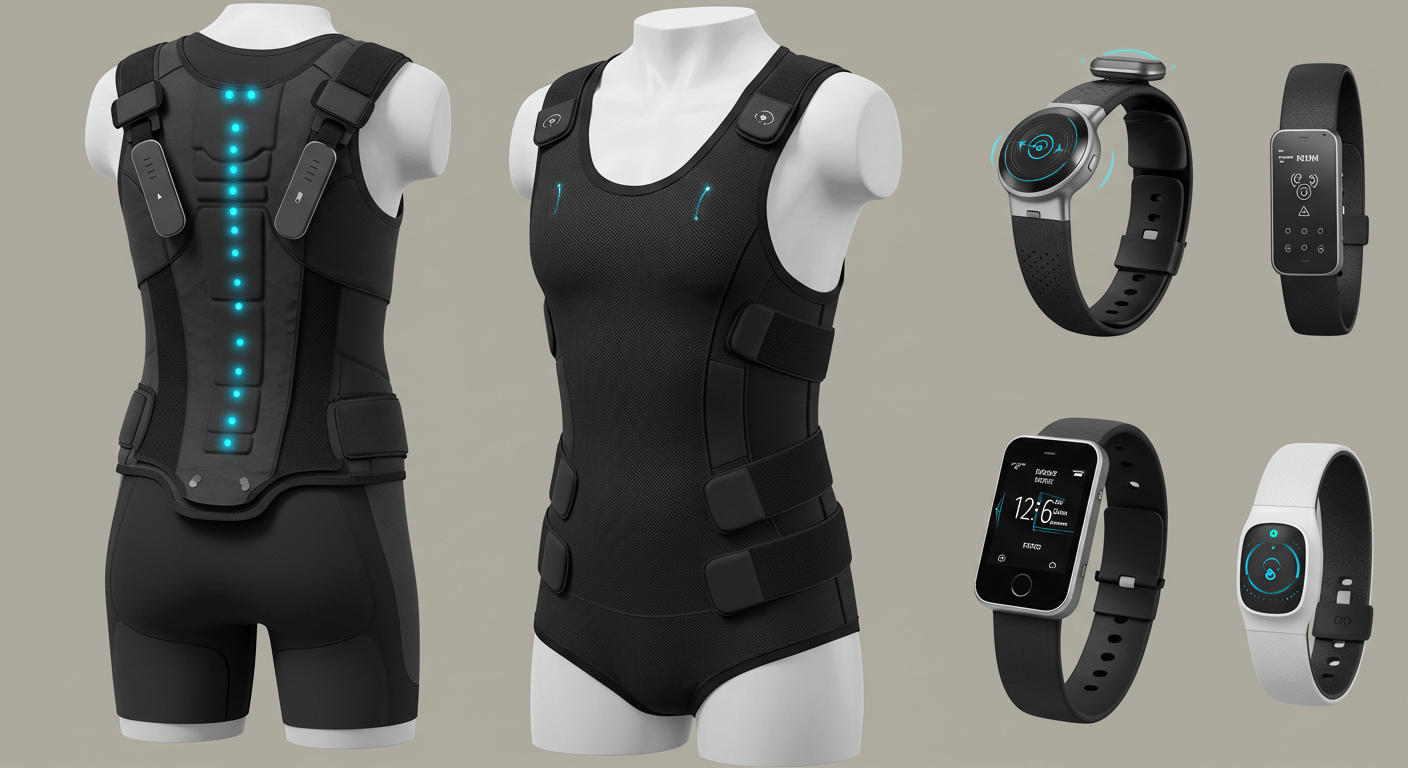
The way that people maintain their spinal health has changed as a result of wearable technologies. Whether the objective is to promote natural alignment throughout the day, relieve back stress, or correct bad posture, the newest wearables that focus on the spine provide clever, easy-to-use solutions. A list of some of the most well-liked and useful wearable technologies for improving spine alignment may be seen below.
1. Smart Posture Trainers
Smart posture trainers are small, sensor-based gadgets that are either affixed with sticky pads or worn on the upper back. When slouching or incorrect alignment is detected, these devices give out light vibration signals to check the position of the shoulders and spine.
Key Features:
- Tracking posture in real time
- Vibration reminders
- Syncs with smartphone apps for tracking and progress reports
- Lightweight and discreet under clothes
Popular Example: A well-known example is the Upright GO 2, which uses gentle reminders to teach users how to maintain good posture. It also has an app that tracks users’ progress with daily objectives and alignment scores. Perfect for students, office professionals, and anybody else who has trouble with forward head posture.
2. Posture-Correcting Smart Apparel
Smart textiles and integrated tension bands are used in posture-correcting shirts and wearable tops to passively support spinal alignment. By activating the shoulder and back muscles, these clothes encourage an erect posture without limiting the range of motion.
Key Features:
- Elastic panels for support
- Form-fitting, breathable fabrics
- No electronics are needed.
- Comfortable enough to wear all day
Popular Example: A well-known example is the Alignmed Posture Shirt, a medical-grade garment with integrated resistance that enhances posture and muscle activation. Particularly helpful for people with modest back pain, athletes, and physical therapy patients.
3. Electronic Back Braces
Modern electronic back braces, in contrast to traditional braces, provide feedback features and dynamic lumbar support. These devices, which frequently include adjustable tension and optional heating elements, offer firm lower back support to preserve a neutral spine.
Key Features:
- Active assistance for the alignment of the lower back
- Compression and fit adjustments
- Combined heat or vibration therapy
- Battery-operated for portability
Popular Example: Evoke Pro A300 – Combines powerful lumbar support with posture reminders and an adjustable fit. Great for people who lift heavy objects, drive long hours, or suffer from lower back fatigue.
4. Smart Insoles for Posture and Gait
Posture starts at the feet and extends beyond the back. Wearable devices called smart insoles monitor foot pressure and gait patterns to help with posture and balance from the ground up. In order to provide remedial feedback, these insoles gather biomechanical data and communicate with apps.
Key Features:
- Mapping of foot pressure
- Gait analysis in real time
- App-based reports and feedback
- Any shoe will fit comfortably.
Popular Example: Digitsole Smart Insoles are a well-known example; they provide real-time gait tracking, foot posture analysis, and improvement advice. Perfect for those who want to enhance their standing posture, have flat feet, or run.
5. Wearable Posture Coaches
Wearable posture coaches are tiny, clip-on gadgets that are usually worn on clothes or at the waist. They provide immediate feedback, monitor body posture, and identify slouching or bad spinal posture.
Key Features:
- Adhesive is not necessary.
- Motion detection for walking, standing, and sitting
- Suitable for a variety of clothing styles
- Long battery life
Popular Example: Zikto Walk – A posture wearable that detects walking patterns and delivers feedback on symmetry, arm swing, and posture. Useful for users looking to improve posture while walking or exercising.
6. Neck and Shoulder Alignment Trainers
These lightweight wearables support the cervical spine and upper back area. Often designed like a harness or collar, they help realign the neck and shoulders, lowering forward head position and concomitant discomfort.
Key Features:
- Supports neck and shoulder posture
- reduces stress from prolonged screen time
- Fit that can be adjusted
- Certain variants come with integrated massage or heating features.
Popular Example: One well-known example is the wearable ZenPosture Neck Trainer, which offers neck adjustment and upper back support. Suggested for those who frequently feel neck discomfort or work at computers.
Benefits of Using Wearable Spine Alignment Devices
A practical, non-invasive method of enhancing posture and promoting spinal health is through wearable spine alignment technology. These devices are intended to raise users’ awareness of their posture, movement, and sitting habits, which will improve their back, neck, and general health in the long run.
Real-time feedback is one of the main benefits of wearable posture devices. Many models employ sensors to identify bad posture and gently notify the user by vibrating or displaying a visual indication. This instant feedback reinforces healthy habits throughout the day by assisting in alignment correction before pain or strain manifests.
Regular usage of posture wearables can help lessen neck and back pain brought on by extended sitting, forward head position, and slouching. Over time, these devices may alleviate stiffness and fatigue by relieving pressure on muscles and joints and promoting the natural curve of the spine.
Additionally, wearable alignment devices help with muscle memory. The body eventually learns to sustain good posture without the need for outside assistance, with frequent reminders and physical assistance. This is especially important for persons recovering from injury or transitioning to new ergonomic practices.
Improved posture can also lead to better breathing, increased vitality, and enhanced focus. The lungs expand more fully and circulation improves when the spine is properly positioned, which benefits mental and physical performance.
Furthermore, a lot of wearable technology connects to smartphone apps to offer data tracking and customized insights. With visible progress reports, users may set objectives, track trends in their posture, and maintain motivation. Wearable spine alignment devices are a clever way to maintain long-term spinal health and improve posture, whether they are incorporated into supportive clothing or worn covertly underneath clothing.
What to Look for When Choosing a Posture Gadget
Your ability to minimize discomfort and restore spinal alignment can be greatly impacted by your choice of posture aid. With so many wearable posture aids available, it’s critical to understand which features and considerations are most crucial when choosing one.
- Fit and Comfort: For everyday use, a posture aid should be sufficiently comfortable. Look for breathable materials, straps or settings that may be adjusted, and lightweight materials. Devices that are discrete enough to be worn beneath clothes are perfect for social or professional situations. The use of hypoallergenic adhesive and ergonomic design is essential for smart wearables that fasten directly to the shoulders or back.
- Feedback Type: The majority of posture devices provide feedback in the form of visual app notifications, voice prompts, or vibration alerts. Select a gadget that offers immediate feedback without being obtrusive. Throughout the day, subtle vibration reminders work well for gently modifying posture.
- Tracking and App Compatibility: Numerous posture aids use Bluetooth to link to smartphone apps. Seek out models that have apps that provide daily objectives, posture tracking, historical data, and tailored insights. These characteristics can aid in habit reinforcement and progress tracking over time.
- Battery Life: Battery life is a crucial factor for wearables that monitor posture. While some gadgets can last up to 10 days between charges, others might need to be charged every day. Convenience is guaranteed by a long-lasting battery, especially for individuals who are constantly on the go.
- Support Level and Use Case: Think about your basic needs: Do you require a device to walk, sit at a desk, or recuperate from an injury? While some products, such as alignment shirts or smart braces, offer physical support, others offer active reminders. Select the one that best suits your needs for support and lifestyle.
- User Evaluations and Trustworthiness: To gain practical knowledge about a device’s comfort, performance, and durability, read customer reviews. Seek out reputable companies with good reviews and dependable customer support.
Conclusion

A smart and useful technique to promote posture and spinal health all day long is with wearable devices for spine alignment. These gadgets assist in teaching the body to maintain correct alignment, whether it’s a smart shirt that guides body placement, a supporting brace, or a discreet sensor that gently reminds users. Regular use can eventually result in better general health, less neck and back pain, and enhanced muscle memory.
Individual needs determine whether a posture aid is best. While some devices are best suited for desk jobs, others are better suited for active lifestyles or aiding in recuperation. When choosing the optimal fit, important aspects like comfort, real-time input, app connectivity, and battery life should all be taken into account.
Wearable spine alignment devices are now more widely available and more efficient than ever, thanks to the development of digital health tools. They give users the ability to manage their posture in a way that is simple to incorporate into daily activities. These wearables provide a scientifically supported way to assist in maintaining a healthier spine, whether the objective is to cure slouching, support the spine throughout extended periods of time, or create long-term healthy behaviors. Small actions now can result in improved spinal health and long-term alleviation later.