

Simple step counters and calorie monitors are no longer the only kind of wearable health trackers. These days, these tools are essential for proactive health management since they enable users to identify possible medical problems early on and stop them from getting worse. Wearable technology provides previously unheard-of insight into individual health, with sensors that can track blood oxygen levels, heart rate, body temperature, and even sleep quality.
Wearable health trackers are in high demand as more individuals look for ways to track their health in real time. These gadgets offer useful data that can identify odd trends, including irregular cardiac rhythms, poor sleep quality, or low oxygen saturation, for everyone from fitness enthusiasts to people with chronic diseases. Early detection enables users to take preventive measures, such as changing their lifestyle, seeing a specialist, or taking care of health issues before they worsen.
These days, sophisticated wearables use machine learning and artificial intelligence algorithms to analyze data and find trends that could point to health hazards. For example, persistent decreases in blood oxygen levels may indicate respiratory problems, and irregular heart rate patterns may cause warnings indicating the potential for an arrhythmia. Numerous trackers offer a whole picture of overall wellness by keeping tabs on everyday activities, stress levels, and recovery times in addition to physical health.
The best wearable health trackers that can identify early warning indicators are examined in this article. The main health indicators tracked, the advantages of early detection, potential drawbacks, and advice on selecting the best gadget will all be covered. Readers can make wise decisions that raise health awareness and boost quality of life by being aware of what contemporary wearable technology can do.
Purchasing a trustworthy wearable health tracker can enable people to take charge of their health, avert possible crises, and uphold a proactive wellness strategy. With the correct equipment, it is possible to identify minor health changes early on, making routine monitoring an effective tool for long-term health.
How Wearable Health Trackers Work
A range of physiological and lifestyle indicators is tracked by wearable health trackers using a mix of sensors, software, and data processing. These gadgets, which are usually worn on the finger, wrist, or chest, gather data continuously to give you up-to-date information about your health and well-being. Users may optimize their advantages and successfully address early warning indicators by being aware of how they operate.
The majority of wearable trackers have optical sensors, which measure heart rate by detecting blood flow beneath the skin using light. ECG sensors, which record the electrical activity of the heart and aid in the detection of abnormal rhythms such as atrial fibrillation, are a feature of advanced models. Additionally, a lot of gadgets have pulse oximeters, which track blood oxygen levels (SpO2) and warn users of possible respiratory problems or inadequate oxygenation when they’re sleeping or exercising.
Wearables measure body temperature, stress levels, physical activity, sleep patterns, and heart and oxygen levels. While temperature sensors assess changes in skin and occasionally core body temperature, accelerometers and gyroscopes detect posture and movement. When combined, these indicators offer a thorough view of general health.
Complementary mobile apps receive the collected data and use AI and machine learning algorithms to examine trends over time. These algorithms can spot patterns like recurring irregular heartbeats, low oxygen levels, high stress levels, or unusual sleep disturbances that could be early warning indicators of health problems. After that, the gadgets send out messages and alarms, urging users to seek medical advice or take preventative measures.
Users may store, exchange, and evaluate their data with medical specialists thanks to the connection that many wearable health trackers offer with various health apps and devices. Traditional infrequent health checks could overlook longitudinal insights that are provided by cloud-based technologies, which guarantee data is updated continuously.
Through the integration of sensor technologies, intelligence analysis, and continuous monitoring, wearable health trackers enable users to identify any health issues early on. They serve as a personal health companion by providing practical advice that promotes proactive wellness management, enhances lifestyle choices, and helps avoid issues.
Detecting Early Warning Signs of Health Issues
Beyond simply tracking physical activity, wearable health trackers are essential for spotting possible health issues early on. Through ongoing physiological data collection and analysis, these devices can notify users of minute changes that could signal the beginning of medical disorders.
- Heart-Related Issues: Numerous wearables track heart rhythm and rate, offering information on cardiovascular health. Unusual resting heart rates, irregular heartbeats, and changes in heart rate during physical exercise can all be indicators of arrhythmia, atrial fibrillation, or early heart disease. Early detection may help users avoid serious consequences by allowing them to see a healthcare provider as soon as possible.
- Respiratory Problems: SpO2 monitoring devices measure blood oxygen levels, which might reveal respiratory problems such as asthma flare-ups, chronic obstructive pulmonary disease (COPD), or sleep apnea. Alerts for abrupt reductions in oxygen saturation enable prompt intervention, especially while you’re sleeping, and symptoms might not be apparent.
- Sleep and Fatigue: In order to detect disturbances, wearable trackers analyze sleep patterns, including REM and deep sleep cycles. Prolonged disruptions or poor sleep quality could be signs of stress, sleep disorders, or other underlying medical conditions. Regular monitoring can assist users in identifying patterns, changing their lifestyles, or getting medical assistance.
- Stress and Recovery: Wearable technology measures heart rate variability (HRV) to reveal information about stress and recuperation. Performance, immunity, and general health can all be impacted by excessive stress or insufficient recuperation. Early warnings promote stress reduction techniques or, if trends continue, expert assessment.
- Temperature and Emerging Alerts: By monitoring body temperature, certain wearables can aid in the early detection of infections, inflammation, or hormonal abnormalities. Anomalies that could otherwise be overlooked until symptoms worsen can be brought to light by trends over time.
Wearable health trackers enable consumers to take charge of their health by combining real-time notifications, AI-driven analysis, and continuous monitoring. These gadgets serve as personal health aides that raise awareness and promote prompt action, whether it’s changing lifestyle choices, making an appointment for a medical evaluation, or averting emergencies. Wearable trackers bridge the gap between expert health evaluation and daily wellness monitoring, but they are not a substitute for professional medical care.
5 Best Wearable Trackers That Can Detect Early Warning Signs
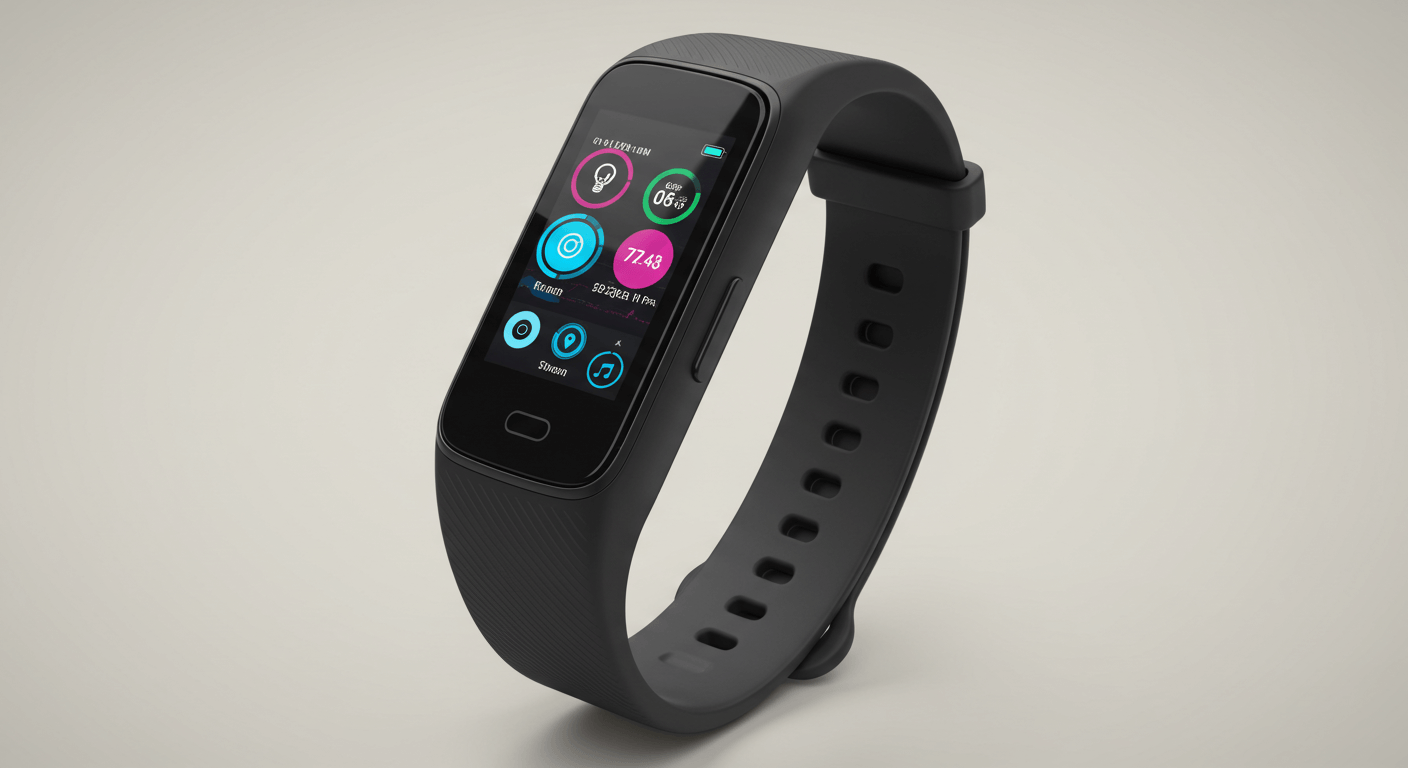
Modern wearable health trackers go beyond fitness tracking to monitor heart rate, SpO2, sleep patterns, and more, helping detect early signs of health issues. Here are the five top options:
1. Apple Watch Series 9 – Equipped with ECG and blood oxygen sensors, it detects irregular heart rhythms and offers real-time alerts, making it a leading choice for heart health monitoring.
2. Fitbit Charge 6 – Monitors heart rate variability, SpO2, and sleep quality. Its daily readiness scores help users adjust activity to avoid overexertion and stress-related complications.
3. Garmin Venu 3 – Offers advanced heart rate, respiration, and stress tracking, providing insights for early detection of cardiovascular or respiratory issues.
4. Withings ScanWatch – Features medical-grade ECG and SpO2 sensors, capable of spotting atrial fibrillation and sleep apnea, while tracking daily activity and sleep patterns.
5. Samsung Galaxy Watch 7 – Combines continuous heart rate monitoring, ECG, and SpO2 tracking, along with stress and sleep tracking, helping detect potential health concerns early.
These wearables empower users with actionable insights, supporting proactive health management. By tracking key metrics continuously, they can alert users to anomalies, encourage timely medical consultations, and promote overall well-being.
Limitations and Considerations
Even while wearable health trackers have many advantages, it’s crucial to be aware of their drawbacks and issues before depending on them for health monitoring. Realistic expectations and safer use are ensured by awareness of these aspects.
- Accuracy Limitations: Despite having sophisticated sensors, contemporary wearables lack the accuracy of medical-grade equipment. Readings for heart rate, SpO2, or ECG data might be impacted by variables such as skin tone, movement, perspiration, and device location. Wearable data should be interpreted by users as recommendations rather than as conclusive medical advice.
- False Positives and Alerts: Sometimes, ongoing monitoring can set up false alarms, revealing anomalies that don’t always indicate a major medical problem. Without expert advice, relying too much on notifications might lead to needless worry or concern. It’s critical to comprehend the alarm thresholds of the gadget and combine knowledge with expert guidance.
- Security and Privacy of Data: Sensitive health data is gathered by wearable technology and frequently saved in cloud computing platforms or mobile apps. Users need to think about encryption standards, data privacy policies, and other security threats. It is important to exercise caution while sharing personal health information, particularly when connecting with third-party apps.
- Battery Life and Device Maintenance: Batteries can be rapidly depleted by continuous monitoring, particularly in gadgets with sophisticated sensors or GPS tracking. Consistent performance requires routine maintenance and charging. For correct readings, sensors might also need to be cleaned or calibrated.
- Not a Replacement for Professional Care: The purpose of wearable health trackers is to promote health awareness rather than to take the role of medical diagnosis or care. A healthcare provider should always confirm abnormal readings. Instead of using wearables as their only diagnostic tool, users with chronic diseases or those who are at high risk should utilize them in conjunction with professional monitoring.
- Device Lifespan and Cost: High-end wearables can be pricey, and since technology advances so swiftly, older versions may become outdated. When choosing a device, it’s critical to balance functionality, dependability, and cost.
Users can use wearable health trackers safely and successfully by being aware of these limitations and making educated decisions. The value of these tools for proactive health management is increased when it is acknowledged that they are supportive tools rather than conclusive diagnostic instruments.
Conclusion
For proactive health management, wearable health monitors have become essential tools. Through constant monitoring of critical parameters, including heart rate, blood oxygen levels, sleep quality, and stress indicators, these devices assist users in identifying minute variations that could indicate possible health problems before they become serious. Through lifestyle changes, prompt medical consultations, or greater monitoring of chronic illnesses, early detection enables people to take preventive action.
In addition to identifying warning indicators, wearable trackers provide peace of mind, individualized insights, and assistance with lifestyle management. In addition to offering useful information that can be shared with medical specialists, they motivate users to continue being active, follow sound sleep habits, and keep an eye on their stress and recuperation levels.
It’s crucial to understand these gadgets’ limitations, though. Wearables are supplementary aids, not a substitute for expert medical treatment. Data privacy should be taken into account, alerts may produce false positives, and accuracy may vary. To make wise choices, users should integrate wearable data with advice from medical professionals.
In the end, picking the ideal wearable health tracker for one’s requirements can boost health awareness, promote general well-being, and offer a proactive means of averting major health issues. These gadgets turn routine monitoring into an effective long-term health and fitness partner.