

Onychomycosis, the medical term for toenail fungus, is a prevalent ailment that impacts millions of individuals globally. Fungi that infiltrate the nail bed cause thicker, discolored, crumbly, or brittle nails. Toenail fungus may appear to be a small cosmetic problem, but if treatment is not received, it can cause pain, discomfort, and even impair mobility. Early action is essential since it can occasionally spread to adjacent nails or the surrounding skin.
Because fungus prefer warm, humid settings like shoes, gyms, swimming pools, and public showers, this ailment is frequently chronic. Some people are more vulnerable than others due to risk factors such as age, diabetes, poor nail cleanliness, decreased immunity, and recurrent nail trauma.
The good news is that a variety of methods can be used to cure toenail fungus. For recalcitrant infections, medical interventions such as topical creams, laser therapy, and oral antifungal drugs provide efficient remedies. Furthermore, in addition to medical therapy, preventive measures, good nail hygiene, and home remedies can help restore healthy nails and lower the risk of reinfection.
We will go over the causes, symptoms, effective treatments, home remedies, and prevention strategies for toenail fungus in this extensive guide. Knowing the proper techniques will help you restore strong, healthy nails and increase your self-confidence, regardless of the severity of the illness or the moderate discolouration you’re experiencing.
What Is Toenail Fungus?
A common fungal condition that affects the toenails and occasionally the fingernails is toenail fungus, often known medically as onychomycosis. It happens when fungi, usually molds, yeasts, or dermatophytes, infiltrate the nail plate or nail bed, causing noticeable alterations in the color, texture, and shape of the nail.
Usually, the infection starts as a little yellow or white patch beneath the nail tip. The nail may get thicker, brittle, discoloured, and twisted as the fungus spreads farther within it over time. The nail may disintegrate, split from the nail bed (onycholysis), or smell bad in more severe cases. Even though toenail fungus rarely poses a threat to life, it can nonetheless be painful and embarrassing, particularly when walking or wearing shoes with open toes.
Because toenail fungus prefers warm, humid settings, places like swimming pools, gyms, and public showers are perfect places for it to grow. The risk of infection is increased by a number of variables, including tight footwear, poor foot cleanliness, high perspiration, and compromised immune systems. Particularly at risk are those with diabetes, circulatory issues, or nail damage.
Many people ignore the early symptoms of fungal infections until the nail is seriously damaged because they progress slowly. Prompt treatment can stop the infection from spreading to other parts of the skin or nails; therefore, early detection is crucial.
The first step to successful therapy for toenail fungus is understanding it. You can act sooner if you are aware of its symptoms, understand how it progresses, and identify risk factors. Restoring healthy, fungus-free nails requires regular maintenance and prevention, whether through medical treatments or home remedies.
Common Causes of Toenail Fungus
Fungal organisms, mostly dermatophytes, yeasts, or molds, enter the nail bed through tiny cuts, fissures, or nail separations to cause toenail fungus. The feet are an excellent host because, once inside, these fungi prefer warm, humid, and dark conditions. You can prevent toenail fungus by being proactive and knowing what causes it.
Exposure to polluted surfaces is one of the most frequent causes. Fungi thrive in public spaces like gyms, locker rooms, baths, and swimming pools. In these places, going barefoot raises your risk of infection. Furthermore, moisture can be trapped by wearing tight, non-breathable shoes, which promotes the growth and spread of fungus.
Poor foot hygiene is another common trigger. Fungal spores can be introduced and disseminated by sharing nail clippers, reusing sweaty socks, and improperly drying your feet. Hyperhidrosis, or profuse perspiration, makes people particularly vulnerable to toenail fungus because of the ongoing accumulation of moisture.
Fungi can enter through microscopic holes made by nail damage or injuries, such as stubbing your toe or cutting your nails too short. Because the body’s natural defenses against infections are compromised, health disorders like diabetes, poor circulation, or weaker immune systems also make people more susceptible.
Additionally, because the same organisms can readily move from the skin to the nails, those who have athlete’s foot (tinea pedis) frequently get toenail fungus. A combination of environmental exposure, inadequate cleanliness, and health-related vulnerabilities leads to toenail fungus. Wearing breathable shoes, taking good care of your feet, and staying away from moist public spaces without protection are the first steps in lowering your risk.
Home Remedies That Can Help
A number of home remedies can assist nail recovery and supplement expert care, even if medical treatments are frequently the most efficient way to eradicate toenail fungus. Over time, these natural methods aid in promoting healing, lowering fungal growth, and enhancing nail beauty.
Tea tree oil, which has strong antifungal and antibacterial qualities, is one of the most widely used treatments. To lessen discolouration and stop the spread of fungus, apply a few drops of diluted tea tree oil to the afflicted nail twice a day. In a similar vein, fungi find it difficult to thrive in the acidic environment created by apple cider vinegar soaks, which combine equal parts vinegar and warm water. Daily foot soaking for 15 to 20 minutes may progressively strengthen the nails.
Because Vicks VapoRub contains menthol and camphor, which have minor antifungal qualities, it has been discovered to be useful in certain situations even though it was first created to treat coughs. Mild infections can be treated by applying a small layer to the affected nail every day.
Baking soda pastes, which help eliminate odours and inhibit the growth of fungi, coconut oil, a natural moisturizer with antifungal properties, and oregano oil, which is high in thymol, are further natural therapies.
Success depends on maintaining good nail care; keep your nails clipped, clean, and dry. To stop reinfection, clean nail instruments frequently and refrain from going barefoot in wet locations.
Home remedies are most effective when used in conjunction with prescribed medications and regular care, even if they can take time and might not completely cure serious infections. You can achieve healthier, fungus-free toenails by improving nail clarity and drastically lowering fungal activity with perseverance and everyday work.
Best Gadget for Addressing Toenail Fungus
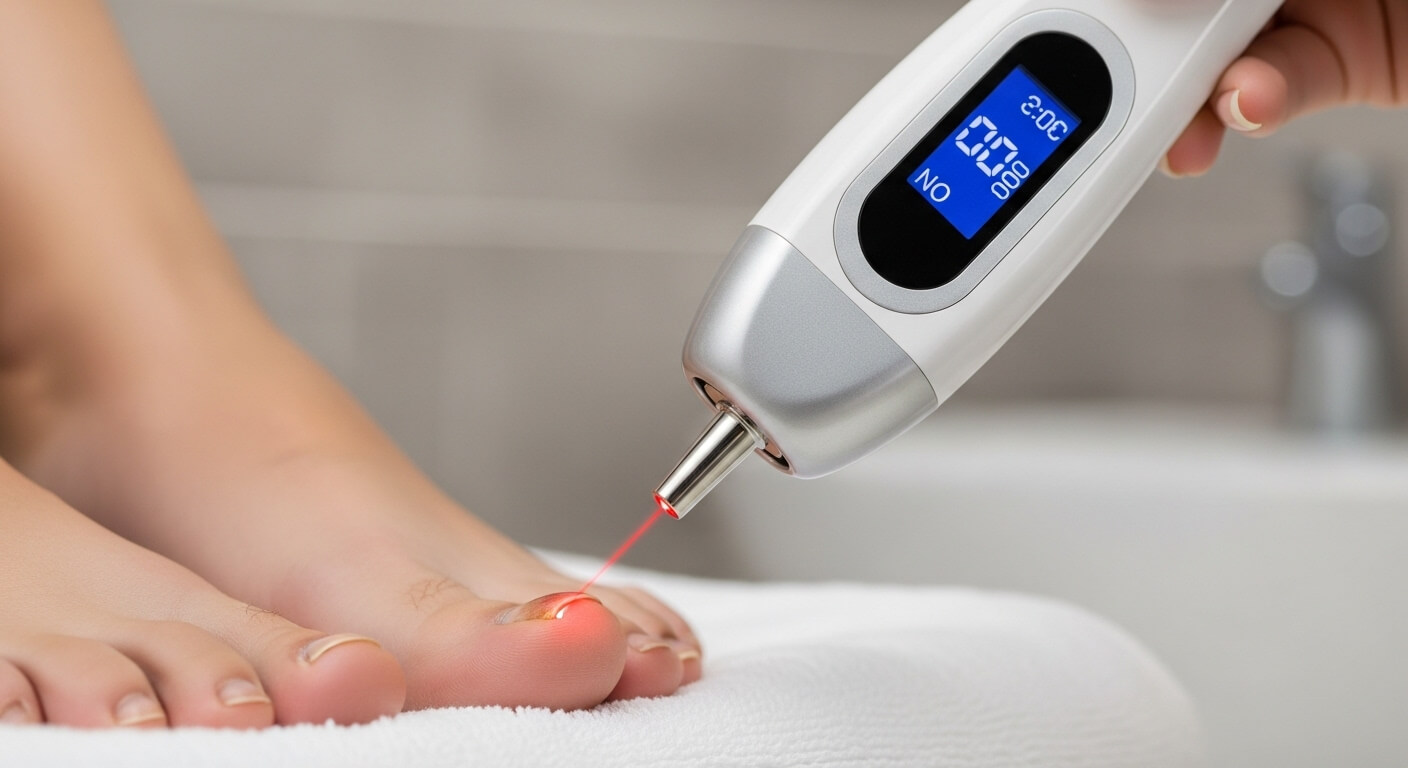
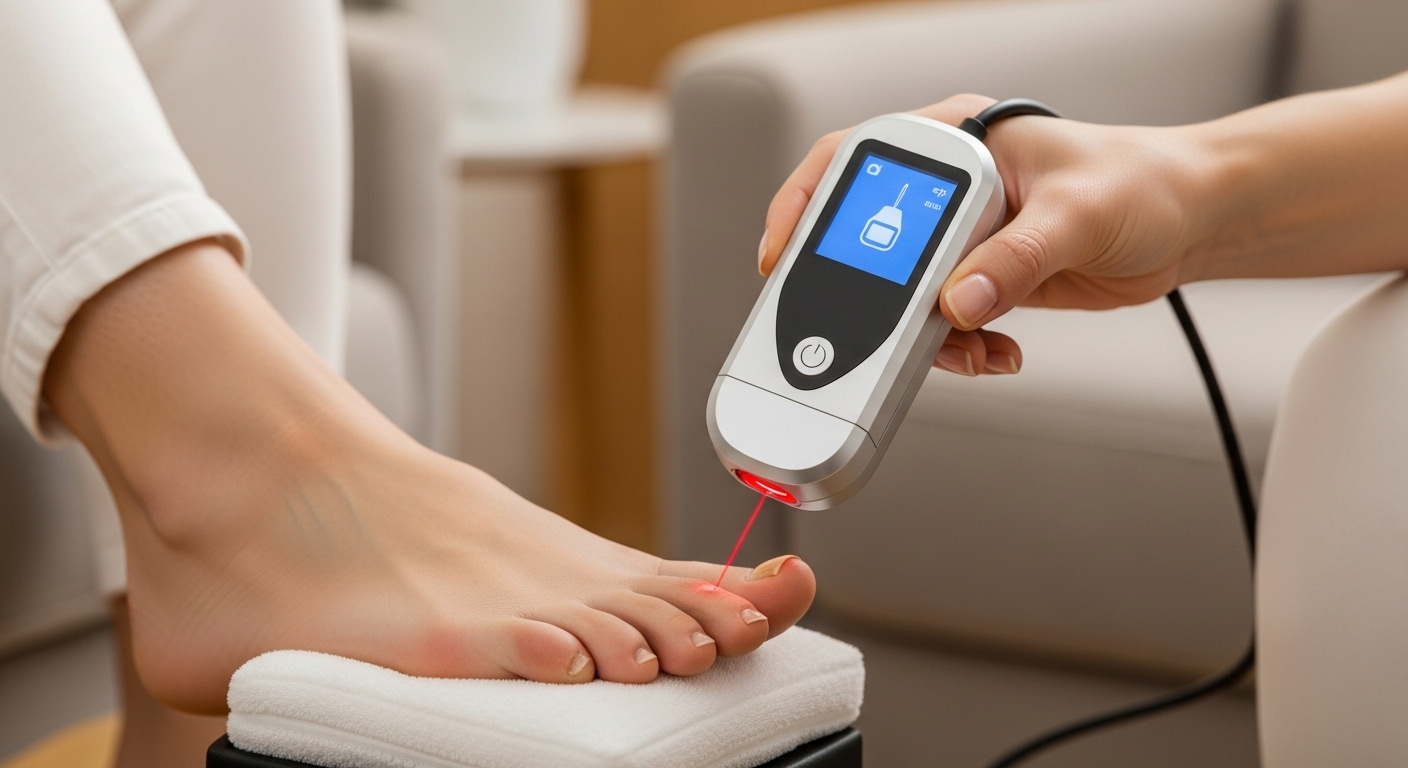
Home laser or LED light treatment equipment is one of the most practical and efficient ways to treat onychomycosis, a tenacious toenail fungus. These devices target fungal cells beneath the surface of the nail plate by penetrating it with particular wavelengths (such as 470 nm blue light and 905 nm infrared light). One gadget, for instance, purports to prevent fungal growth while encouraging healthy nail renewal through dual-wavelength therapy. These devices provide a number of benefits over oral drugs or topical lotions alone.
- For those who might not be able to handle systemic treatments, they are safer because they are non-invasive and drug-free.
- They can be used every day at home, frequently for only five to ten minutes at a time.
- They support expert care by addressing the fungus’s underlying cause and promoting healthier, more transparent nail growth.
How to Apply Use It
- To improve light penetration into the nail bed, clean and trim the afflicted nails.
- Make sure the light covers the full nail surface when you insert or put your toes into the device as directed.
- Many gadgets have timer settings of three to ten minutes, so use it often (typically every day) for the allotted amount of time.
- To avoid reinfection, use the device in conjunction with good foot hygiene and preventive practices (dry feet, breathable shoes, disinfected tools).
Tips for Prevention
It is much simpler to prevent toenail fungus than to cure it once it has spread. You may significantly lower your risk of infection and maintain healthy, clear nails by adopting a few easy lifestyle and hygiene practices.
Keeping your feet clean is the first and most crucial step. Because fungi love moisture, wash your feet every day with soap and water, and make sure they are completely dry, especially between the toes. Fungal accumulation beneath the nail bed can be avoided by keeping your nails neat, filed, and clipped.
To promote ventilation and lessen the buildup of moisture, choose breathable shoes composed of natural materials like leather or mesh. Rotate pairs of shoes to allow them to air out and avoid wearing the same ones every day. Similarly, choose socks that wick away moisture, particularly if your feet perspire a lot, and replace them frequently.
To prevent coming into touch with contaminated surfaces, always wear protective footwear, such as shower shoes or flip-flops, in public areas like gyms, locker rooms, and swimming pools. Never share clippers, files, or shoes with anyone, and always clean your nail equipment after each use.
As a precaution, apply antifungal powder or spray to your feet and shoes if you are prone to fungal infections. Maintaining a healthy immune system with exercise, hydration, and a balanced diet also promotes your body’s innate resistance to illnesses. Last but not least, avoiding prolonged nail polish application over infected nails might increase fungal growth by trapping moisture.
You may prevent toenail fungus on your feet and have healthy nails for a long time with regular care and wise everyday practices. Your best protection against recurrent fungal infections is to keep your feet clean, dry, and protected. Prevention really is the best treatment.
When to Get Expert Assistance
More severe or chronic infections necessitate expert medical care, but moderate cases of toenail fungus can occasionally be treated with over-the-counter medications and home cures. Effective treatment and the avoidance of problems depend on knowing when to consult a physician or podiatrist.
If your toenails become painful, brittle, thick, or drastically discolored, you should get professional assistance, especially if it affects several nails. If you have swelling, redness, or an unpleasant odor surrounding the affected area, or if the fungus causes your nail to detach from the nail bed, these symptoms may indicate a more serious illness and call for a medical evaluation.
People who have diabetes, circulatory problems, or compromised immune systems should not put off getting help. For them, additional bacterial infections or severe foot issues can result from toenail fungus. Using nail cultures or laboratory testing, a podiatrist can precisely identify the infection and attack the appropriate fungus.
Depending on the type and intensity of the fungus, doctors may recommend topical treatments, laser therapy, or oral antifungal drugs. In extreme situations, removing all or part of the nail may be advised in order to totally eradicate the infection. Recurrence can also be avoided with professional assistance; your doctor can offer tailored recommendations on maintenance schedules, footwear selections, and foot hygiene.
Ignoring toenail fungus can eventually make treatment more difficult, allowing it to spread and do more harm. The best course of action is to see a healthcare professional if your infection hasn’t gone away after a few weeks of self-care or if it keeps coming back. In addition to accelerating the healing process, getting aid early guarantees that you can safely and successfully grow back healthy, transparent, and comfortable nails.
Conclusion
Although toenail fungus can be unattractive, unpleasant, and obstinate, it is completely treatable with the correct care. The most effective method of treating toenail fungus is to combine preventive care, established antifungal medications, and good cleanliness on a regular basis. In the early stages, natural therapies and over-the-counter medications could be helpful, but in order to completely remove the fungus, chronic or severe infections frequently call for expert medical intervention.
The secret is to be proactive. Wear breathable footwear that inhibits the formation of fungi and keep your feet clean, dry, and protected. Reinfection can be avoided by routinely cutting nails, cleaning nail equipment, and staying away from moist public spaces like locker rooms.
Speaking with a podiatrist or dermatologist after a few weeks of treatment guarantees that you will receive a customized and successful treatment plan if your symptoms worsen or don’t get better. In the end, early action, perseverance, and consistency are key to success. Your feet may remain healthy and self-assured all year round with the right care, which will also restore your nails’ natural look and stop future outbreaks.