

Smart health devices, such as wearable ECG monitors and activity trackers, are rapidly taking over homes all over the world. Because they can measure more than just weight, smart bathroom scales have been very popular among these advances. By monitoring body fat, muscle mass, BMI, and even hydration levels, these gadgets provide a comprehensive understanding of the body. The data they collect can be easily synchronized with your smartphone. Smart scales are being viewed as a contemporary tool for individualized wellness as more people search for methods to take charge of their health.
Traditional scales haven’t completely lost use, though. Traditional scales are renowned for being easy to use, dependable, and reasonably priced. They have been indispensable in homes for many years. They perform the same function, measuring weight, whether they are analogue or digital. No need to bother about Bluetooth pairing, connect an app, or charge a battery. Traditional scales are still a useful option for people who want to track their weight without much hassle.
What distinguishes these two kinds of scales, and more significantly, which one is best for you? Traditional scales may still be the best option for people who are only interested in tracking their weight and don’t require other capabilities, even though smart scales are appealing to tech-savvy users who want a more in-depth look at their health information.
The main distinctions between smart and conventional scales will be discussed in this blog post, along with their advantages, disadvantages, and special characteristics. Selecting the appropriate scale can significantly affect how well you achieve your health objectives, regardless of whether you’re a fitness enthusiast, a data-driven health tracker, or someone who is just beginning a wellness journey. We’ll explain the features of each scale type, who can use them, and how to make a decision depending on your tastes, lifestyle, and financial situation.
You will have a comprehensive grasp of the advantages and drawbacks of both smart and conventional scales by the end of this essay, enabling you to choose the one that best suits your requirements. Are you prepared to discover which scale you prefer? Let’s get started.
What Are Smart Scales?
Smart scales are modern digital scales that are capable of more than just showing your weight. These cutting-edge instruments measure a variety of health indicators and give a more thorough picture of your total body composition by utilizing cutting-edge technology, frequently including bioelectrical impedance analysis (BIA). Smart scales, as opposed to conventional bathroom scales, have the ability to record and preserve data over time, providing users with useful information about their development in terms of wellness and fitness.
How Smart Scales Work
When you walk on a smart scale, a very small, safe electrical current is normally sent through your body. Bioelectrical impedance analysis (BIA) is the term for this method. Based on the resistance experienced, the scale may determine the relative amounts of each tissue in your body because different tissues, such as fat, muscle, and water, conduct electricity at different rates. The smart scale computes a number of body metrics once the measures are obtained and shows them on the screen of the device or, more frequently, via a synchronized mobile app.
Common Features of Smart Scales
The many capabilities that smart scales offer, which extend well beyond simple weight recording, are what define them as “smart.” Among the most widely used measures and attributes are:
- Body Fat Percentage: This measure, which is one of the most desired, calculates the proportion of your body weight that is composed of fat.
- Body Mass Index (BMI): Smart scales compute your BMI based on your height and weight to assist you in deciding if you’re within a healthy weight range.
- Muscle Mass: For athletes and fitness fanatics, this indicates the proportion of body weight that is made up of muscle.
- Bone Density: By estimating bone mass, certain sophisticated smart scales can reveal information about the health of the skeleton.
- Water Weight: For both general health and sports performance, it can be crucial to keep an eye on your hydration levels.
- Visceral Fat Measurement: Visceral fat measurement gives you an idea of how much fat is accumulated around your internal organs, which is frequently associated with higher health risks.
- Basal Metabolic Rate (BMR) and Metabolic Age: Some smart scales provide extra information such as your “metabolic age” in relation to your actual age or how many calories your body burns while at rest.
With the help of Bluetooth or Wi-Fi, smart scales may immediately sync your data with a companion app on your tablet or smartphone.
Integration with Fitness Trackers and Health Apps
The ability of a smart scale to easily interact with well-known fitness and health platforms is one of its greatest benefits. Numerous smart scales work with:
- Apple Health
- Google Fit
- The Fitbit
- Samsung Health
- My Fitness Pal
Users may track trends over time, communicate their progress with personal trainers or medical specialists, and compile all of their health data in one location thanks to this integration. By providing goal-setting options, visual graphs, and tailored feedback, it also assists you in maintaining consistency with your fitness objectives.
To put it briefly, smart scales transform the everyday routine of stepping on the scale into an effective wellness tool. They assist customers in better understanding their health and making decisions to enhance it by providing them with app-based tracking and comprehensive body composition analysis.
What Are Traditional Scales?
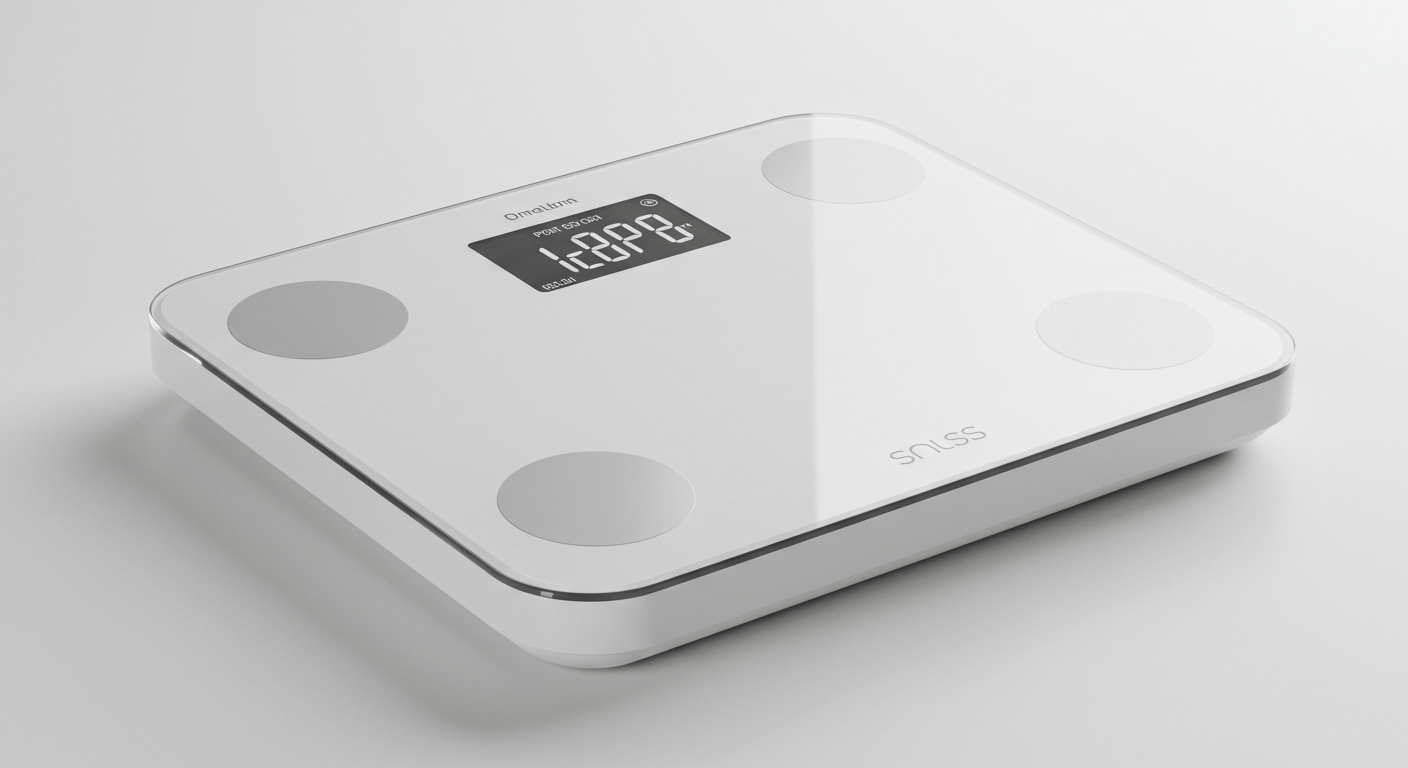
Conventional scales are simple weighing instruments made to determine body weight without requiring sophisticated connectivity or technology. Because of their ease of use, robustness, and simplicity, they have been a mainstay in homes, clinics, and gyms for many years. Traditional scales are perfect for people who want a simple and dependable way to monitor their weight because they only measure weight, unlike smart scales.
How Traditional Scales Work
Conventional scales measure the force your body applies to the scale using mechanical or electronic components. This force is translated into a weight reading—usually shown in pounds or kilograms—when you walk on the scale. These scales have no networking features and don’t require batteries (for analog models). Their entire design is geared at giving you a precise, instantaneous readout of your present weight.
Conventional scales are frequently commended for their reliability. They provide a dependable measurement without the possibility of software faults or data syncing issues because they have fewer parts that could break down. They are perfect for people who wish to monitor weight fluctuations over time without being overburdened by digital complexity or other data.
The simplicity of traditional scales is one of their main benefits. Wi-Fi connectivity, smartphone apps, or Bluetooth coupling are not required. You only need to walk onto the scale to obtain your weight reading in real time. Traditional scales are a popular option for elderly individuals, minimalists, and anyone else who doesn’t want to deal with the technical setup that comes with smart devices because of their ease of use.
Another well-known feature of traditional scales is their extended longevity. These scales frequently require no maintenance for many years because they have fewer electronic components, particularly in analog variants. Compared to smart scales, digital versions typically have fewer points of failure and a longer battery life, even if they may need batteries.
For years, traditional scales have gained a trusted place in both residential and professional settings due to their simple operation and dependable performance.
Traditional Scale Types: Analog and Digital
Traditional scales come in two primary varieties: analog and digital. Each has a unique set of traits and advantages.
- Analog Scales: Also referred to as mechanical scales, analog models assess weight using a spring mechanism. A dial with a needle pointing to your weight shows the reading. They are frequently commended for their longevity and don’t require electricity or batteries. However, because of the dial’s imprecision, they can occasionally be more difficult to read precisely.
- Digital Scales: Digital conventional scales detect weight using electronic sensors and show the results on a clear digital screen. They do require batteries to function, even though they usually provide more exact and accurate readings than analog scales. These are a common option for those who prefer the clarity of digital readouts combined with the simplicity of a classic scale.
In conclusion, conventional scales are straightforward, dependable, and durable instruments for determining weight. Traditional scales are still a useful choice for people who value consistency and comfort in their health tracking routine, regardless of whether they prefer the classic mechanics of an analog scale or the obvious precision of a digital one.
Key Differences Between Smart and Traditional Scales
Understanding the differences between a smart scale and a standard scale in terms of technology, accuracy, usability, and general functioning is crucial when making this decision. Although both kinds of scales are useful for monitoring weight, smart scales include more capabilities that appeal to people who want a more thorough picture of their health. Here, we highlight the main distinctions so you can choose the best option for your requirements.
Connectivity and Technology
Technology and connectivity are two of the biggest distinctions between smart and conventional scales.
Smart scales can integrate your data with fitness trackers or smartphone apps because they have Bluetooth or Wi-Fi built in. Body fat percentage, muscle mass, and BMI are just a few of the health data that can be tracked in real time because of this connectivity. Over time, you can track patterns and even share your data with exercise instructors or medical professionals.
However, conventional scales don’t have any networking characteristics. They just give a basic weight measurement; they can’t track other body data or sync with other apps. Traditional scales are a great option for people who want a hassle-free solution and don’t want to rely on technology.
Metrics & Accuracy Monitored
Smart scales are attractive for people seeking in-depth information about their body composition and level of fitness since they provide more thorough accuracy and measure a number of health indicators in addition to weight.
Bone density, water weight, visceral fat, muscle mass, BMI, and body fat percentage are all measured by smart scales. Bioelectrical impedance analysis (BIA), a technique that examines your body’s resistance to a low electrical current, is used to determine these measures.
However, traditional scales only consider weight. They might give you a more accurate and simple way to measure your weight, but they don’t track other fitness metrics or give you any information about your body composition. Conventional scales could be the best option if weight is your only concern.
Usability
Traditional scales are the best in terms of use. When using a traditional scale, all you have to do is step on it to see your weight on the dial or screen. There are no complicated instructions to follow, no apps to download, and no Bluetooth pairing to set up.
Despite having additional functionality, smart scales can occasionally feel more complex. You’ll need to create a user profile, sync them with a smartphone app, and possibly even handle some troubleshooting in order to fully leverage their features. The procedure isn’t hard, but it takes a little more work than using a conventional scale.
Data Archiving and Progress Monitoring
The capacity to record data and monitor your progress over time is one of the best things about smart scales. You may view weight and body composition trends by using smart scales that automatically capture your measurements and store them in the cloud or an app. Setting objectives, monitoring your progress, and even modifying your workout regimen depending on the data is simple.
In contrast, traditional scales do not provide this feature. They only give you a weight reading once, and you’ll have to manually record your weight or take pictures to monitor your progress over time.
Power Source and Battery
The power source of the two scales is another significant distinction. Batteries or a power converter are usually needed for smart scales, and the battery life varies by type. These scales typically deplete batteries more quickly than conventional scales because they employ
Bluetooth or Wi-Fi connectivity.
Batteries are completely unnecessary for conventional scales, especially analog models. Although they typically use less power and last longer before needing to be replaced, digital conventional scales still require batteries.
Range of Prices
Depending on the type, a scale’s cost might vary greatly. Because of the additional features and technology, smart scales are typically more costly. Depending on the manufacturer and the quantity of data monitored, prices might vary from $50 to $200 or more.
Conventional scales are far less expensive, particularly analog types. Usually priced between $15 and $50, digital conventional scales are an affordable choice for people who don’t require sophisticated capabilities.
The decision between a smart scale and a conventional scale is based on individual preferences and objectives. A classic scale is your best option if you’re searching for a straightforward, reasonably priced device that measures weight. A smart scale, on the other hand, offers the extra features and connectivity to help your health journey if you’re looking for in-depth information about your body composition and wish to monitor your progress over time. Before choosing, think about your own requirements, financial situation, and degree of technological curiosity.
Smart Scales’ Benefits and Drawbacks
Because they can track health progress, provide extensive insights into body composition, and interface with exercise apps, smart scales have grown in popularity. Like any technology, they do have advantages and disadvantages, though. To assist you in deciding if smart scales are the best option for your fitness and health journey, let’s examine the benefits and drawbacks of these devices.
Pros of smart scales
- In-depth Body Composition Analysis: Smart scales are capable of much more than merely determining weight. They are able to monitor important parameters like bone density, water weight, BMI, muscle mass, and body fat percentage. This helps customers make well-informed decisions about their wellness journey by providing them with a comprehensive picture of their fitness and health development.
- Track Progress Over Time: The capacity of smart scales to store data and monitor changes over time is one of their most notable characteristics. You may monitor trends in your weight and other parameters by syncing your data with an app as you walk on the scale. People who are trying to reach their fitness or health objectives will find this long-term progress tracking especially helpful.
- Versatile: The majority of smart scales are compatible with well-known health and fitness applications, like Google Fit, Apple Health, and MyFitnessPal. By combining all of their health information in one location, this integration enables users to more easily track different facets of their fitness in real time, from diet to exercise.
- Mult-User Compatibility: Numerous smart scales are capable of accommodating several user profiles. This is particularly helpful for households with several people who wish to monitor their health on their own. Based on weight and other characteristics, the scale can identify various users, guaranteeing that each person receives a unique result.
- Convenience and Automation: Smart scales do not require human tracking; instead, they automatically upload your data to your online storage or smartphone. Once configured, they offer a smooth, automated method of tracking your health information without needing further work from you.
- Motivation and Goal-Setting: Monitoring advancements and observing changes over time may be quite inspiring. Setting health objectives, like reaching a target weight or lowering body fat percentage, is possible with many smart scales. This might support users in maintaining their commitment and concentrate on their fitness quest.
- Greater Accuracy and Precision: Smart scales generally give more accurate readings than traditional scales, particularly when it comes to body composition measurements. Bioelectrical impedance analysis (BIA) and other technologies have made it possible for smart scales to provide more precise information on the proportions of muscle and fat in your body.
- Easy Data Sharing Connectivity: A lot of smart scales let users share their health information with dietitians, trainers, and medical professionals. For people pursuing certain health objectives, like controlling chronic illnesses or enhancing athletic performance, this can be very helpful. Healthcare practitioners may provide more useful advice and recommendations if real-time data can be shared.
Cons of Smart Scales
- Greater Cost: Compared to conventional scales, smart scales are more expensive, which is one of their primary disadvantages. Some models cost between $50 and $200 or more, which is a big increase due to the additional features and technology. This can be a deal-breaker for people who are on a limited budget or who only require simple weight tracking.
- Complicated Setup and Maintenance: Connecting to Wi-Fi or syncing with a smartphone app are frequently necessary when setting up a smart scale. This procedure is easy for the majority of people, but it can be difficult for non-techies. Furthermore, smart scales need to be updated frequently, have their apps maintained, and occasionally have syncing problems fixed.
- The accuracy of body composition measurements, such as muscle mass and body fat %, can occasionally be questioned, despite the fact that smart scales offer more comprehensive data than conventional scales. The results can be impacted by variables such as the time of day, your level of hydration, and even your position on the scale. These data might not be as accurate as those obtained by more sophisticated instruments used by experts, although they are helpful for monitoring trends over time.
- Battery Life and Power Problems: Because smart scales run on batteries or a power converter, there’s a chance that the batteries will eventually run out of power or stop working. Frequent battery charging or replacements can become inconvenient, especially for users who neglect to check power levels.
Traditional Scales’ Benefits and Drawbacks
For many years, traditional scales have been a common sight in both homes and gyms. They continue to be a popular option for people seeking an easy-to-use method of tracking their weight because of their simplicity and dependability. To help you determine whether traditional scales are the best option for your needs, let’s examine their benefits and drawbacks.
Pros of Traditional Scales
- Easy to Use: Conventional scales are simple to use. You just read your weight by stepping on it. There are no complicated settings, no Bluetooth syncing, and no apps to install.
- Affordable: Traditional scales are more affordable than smart scales, thus almost anyone can use them.
- Durable and Long-Lasting: Traditional scales are renowned for their longevity because they require less electronics. Many models are trouble-free for years.
- No Need for Batteries: Analog scales, in instance, don’t need batteries, which spares you the trouble of having to buy new ones all the time.
- Accurate Weight Measurement: Conventional scales are dependable for frequent usage since they offer accurate weight measurements.
- Portable: Traditional scales are simple to transport or bring with you when necessary due to their low weight and lack of power consumption.
- Consistent Readings: It’s simple to monitor weight fluctuations using traditional scales because they frequently give consistent readings over time.
- Ideal for Basic Needs: Traditional scales are a great option if recording your weight is all you need and you don’t require any further features.
Traditional Scales’ Cons
- Limited Functionality: Conventional scales simply measure weight; they don’t provide information about muscle mass, fat percentage, or other aspects of body composition.
- No Data Tracking: Traditional scales require manual tracking because they do not save data or monitor your progress over time, in contrast to smart scales.
- Less Accuracy in Digital Models: Although digital traditional scales are capable of being accurate, they might not provide as much body metrics precision as smart scales.
- Possibility of Wear and Tear: Traditional scales, particularly analog models, are susceptible to wear and tear over time, which may compromise their accuracy.
Which Scale Is Best For You?
Your budget, your desired level of detail in recording your progress, and your health goals will all influence the scale you choose. Being aware of the distinctions between a smart scale and a standard scale will help you make an informed choice.
When to Choose a Smart Scale
A smart scale might be a better choice for you if you want to track more than simply your weight. These scales provide a thorough study of body composition, including measurements such as water weight, muscle mass, BMI, and body fat %. Additionally, smart scales may integrate with fitness gadgets and apps, enabling you to set health goals and track your progress over time. The sophisticated features of a smart scale might offer insightful information if you like monitoring specific statistics and need encouragement to stick to your exercise objectives.
For tech-savvy people who want an easy way to store and retrieve their health data, smart scales are perfect, particularly if you’re interested in tracking and improving your fitness over the long run.
When to Choose a Traditional Scale
A classic scale is a wonderful option if you like simplicity and are solely concerned with weight measurement. Conventional scales offer rapid, precise weight readings without the need for setup, synchronization, or applications. These scales are inexpensive, simple to use, and require little maintenance. They are perfect for anyone who seeks a hassle-free way to track their weight and doesn’t require intricate data.
For people who just want to monitor their weight without requiring sophisticated body composition analysis or technology, traditional scales are ideal.
Conclusion
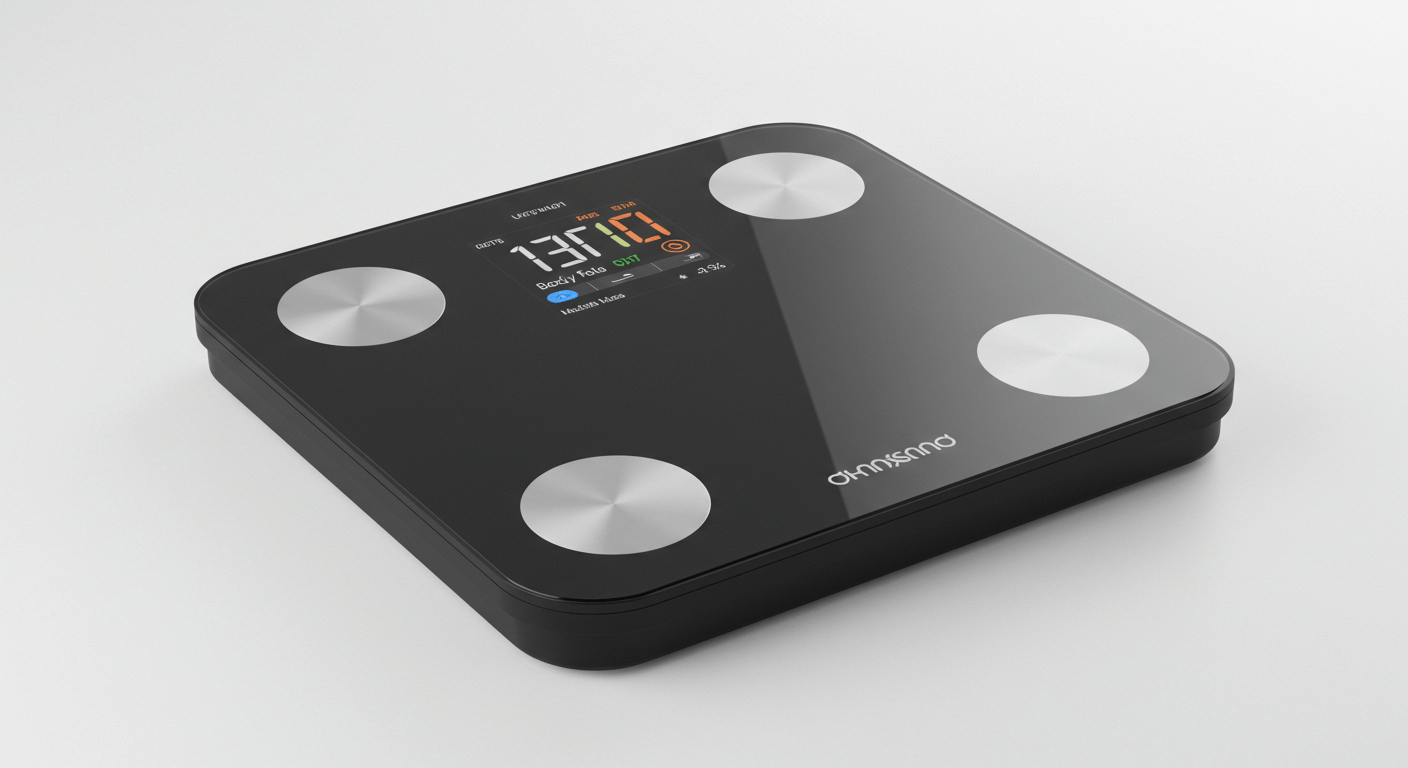
Ultimately, your own health objectives, tastes, and financial constraints will determine whether you choose a smart scale or a conventional scale. A smart scale is the ideal option if you value comprehensive statistics, progress tracking, and compatibility with fitness applications. Smart scales give you a complete picture of your health with features like body composition analysis, app syncing, and long-term progress tracking, which encourages you to stick to your exercise objectives.
On the other hand, a classic scale can be all you need if you value price, dependability, and simplicity. Traditional scales provide precise weight readings with little setup or upkeep, making them the perfect choice for anybody looking for a simple weight-monitoring solution. These scales are a fantastic option for people who don’t need sophisticated features because they are long-lasting, simple to use, and reasonably priced.
Both kinds of scales have benefits, and which one is best for you will rely on how tech-savvy you are and how much data you wish to track. Finding a scale that fits your lifestyle and health needs is crucial, regardless of whether you choose a traditional model or a high-tech smart scale.
In the end, the scale you select ought to support your continued empowerment and motivation on your path to wellness. To pick the best choice and move on with reaching your health goals, take into account your preferences, goals, and financial situation.