

Every day, millions of individuals use heating pads to relieve joint stiffness, menstrual cramps, back pain, and aching muscles. However, not every heating pad is made equally. Although using heat to relieve discomfort is the same objective, how heat is applied can significantly impact the treatment’s actual efficacy.
Regular heating pads and infrared heating pads are currently the two most popular varieties available on the market. Regular heating pads provide surface-level heat using chemical processes, electric coils, or microwaveable gel packs. They are a go-to remedy for immediate relief because they are simple to use and warm up rapidly. However, because the heat doesn’t go very deep into the tissue, their effects are frequently fleeting.
In contrast, far-infrared radiation (FIR) is used by infrared heating pads to provide heat. These pads produce a deeper, more therapeutic warmth that penetrates muscles, joints, and even interior tissues rather than just warming the skin’s surface. Infrared technology has become a popular choice for persons managing stiffness, inflammation, and chronic pain because of its deeper penetration, which can provide longer-lasting relief.
So, how can you choose the best kind for your requirements? This article will help with that. We’re dissecting the main distinctions between infrared and conventional heating pads, including their functions, ideal applications, and advantages and disadvantages of each choice. Knowing the advantages and disadvantages of both technologies will enable you to make a more informed, individualized decision.
A detailed comparison of heat distribution techniques, relief times, safety considerations, and even economic effectiveness may be found in this guide. Other users’ opinions based on actual experiences will also be reviewed. By the end, you’ll be able to identify the precise kind of heating pad that will provide the comfort and relief you desire, saving you time and money on a subpar product. Let’s find out which heating pad is actually the best for you.
What Are Traditional Heating Pads?
For many years, traditional heating pads have been the preferred method of treating pain. By applying surface-level heat to specific body parts, these devices can help alleviate pain associated with stiffness, cramps, and aching muscles. Traditional heating pads provide warmth using straightforward processes like electric coils, chemical reactions, or microwaveable gel packs, in contrast to cutting-edge technologies like infrared heat.
The electric heating pad is the most popular kind of conventional heating pad. It employs internal coils to generate heat that disperses uniformly over a surface covered in cloth after being plugged into an outlet.
For convenience and safety, the majority of electric models have automatic shut-off capabilities and temperature settings that may be adjusted. The microwaveable heating pad, which is usually filled with gel, rice, or flaxseed, is another well-liked choice. For short-term treatment, these pads are heated in the microwave and applied straight to the skin. The third type is the chemical heating pad, which, when triggered, produces heat through an exothermic process. These are handy for on-the-go use and are frequently single-use.
Conventional heating pads are generally available in pharmacies, internet merchants, and even supermarkets. Their cost is one of their main advantages. Traditional heating pads are less expensive and simpler to replace than more recent models. Additionally, they are easy to use and perfect for providing immediate, temporary relief during physical exercise or during episodes of mild discomfort.
These pads do have some restrictions, though. They don’t get deep into the muscles or joints since they only provide heat to the surface. This implies that the respite they offer could not last long, particularly for those who are coping with deep-tissue or chronic pain. Skin burns can also result when using an electric or microwaveable pad for an extended period of time or at an excessively high temperature. Additionally, there is a chance that the skin will get dry, especially after extended contact.
Traditional heating pads are still a dependable and easily accessible remedy for common aches and pains in spite of these drawbacks. They remain a popular option for anyone looking for an easy and quick method to relieve moderate discomfort or warm up stiff muscles.
Comparing more recent options, such as infrared heating pads, with traditional heating pads requires an understanding of their functions and areas of strength. We’ll examine the unique qualities of infrared heat in the following part, as well as the reasons behind its growing appeal for more profound and enduring treatment.
What Are Infrared Heating Pads?
Infrared heating pads offer a more profound and effective method of pain relief, serving as a modern alternative to traditional heating pads. Infrared heating pads employ far-infrared (FIR) light to provide heat that deeply penetrates muscles, joints, and connective tissue, in contrast to traditional choices that simply warm the skin’s surface. Because of this, they are particularly well-liked by those who are coping with inflammation, chronic pain, or recovering from an injury.
The far-infrared technology in these pads is essential to their operation. Deep tissue layers can be reached by FIR waves, an invisible light type that emits a mild heat without overheating the skin. A lot of infrared pads create these waves using natural materials like carbon fibre, jade, or tourmaline. The therapeutic impact is enhanced by these materials’ well-known capacity to retain and disperse heat uniformly.
The deep tissue penetration of infrared heating pads is one of their main benefits. In contrast to conventional pads that merely warm the surface, this enables longer-lasting relief. Over time, infrared pads assist in increasing circulation, lessening stiffness, and increasing flexibility by focusing on the underlying source of pain, which is either inflammation or tight muscles. Because the heat is applied more evenly and gradually, they are also typically safer to use because there is less chance of burns or skin irritation.
There are some trade-offs to take into account, though. Because of their sophisticated materials and technology, infrared heating pads are typically more expensive. Additionally, they need a power supply, which restricts their portability. The fact that they usually take longer to heat up than electric or microwaveable pads is another disadvantage, but once they do, the benefit is longer-lasting comfort.
Notwithstanding these drawbacks, infrared heating pads are becoming more and more well-liked by people looking for drug-free, natural pain relief. People who suffer from persistent back pain, arthritis, or sports injuries will find them very beneficial. Many customers say that regular use improves their general mobility and muscle recovery in addition to their pain levels.
Knowing how infrared heating pads operate makes it easier to see why they’ve grown to be a popular option for long-lasting, profound relief. We’ll contrast them with conventional heating pads in the next part to help you choose the one that best fits your requirements and way of life.
Key Differences Between Infrared and Traditional Heating Pads
The difference between infrared and conventional heating pads can have a big impact on how well you feel pain alleviation. Although they both seek to ease tense muscles, lessen stiffness, and encourage relaxation, there are significant differences in how they apply heat and the outcomes they produce. You may make an informed choice based on your particular requirements, tastes, and health objectives by being aware of the main distinctions between infrared and conventional heating pads.
1. Heat Delivery Method
Conventional heating pads use heat that is at the surface. The coils in the majority of electric types quickly warm up and deliver heat straight to the skin. Gel, grains, or herbs that hold heat after being heated in a microwave are used in microwaveable varieties. Chemical heating pads use an internal reaction to provide warmth. By relaxing surface muscles and boosting local blood flow, all of these forms provide momentary relief by applying warmth directly to the skin.
On the other hand, infrared heating pads generate heat using far-infrared (FIR) light waves. Tissues, muscles, and even joints are all profoundly penetrated by these invisible light beams. For deep-seated aches or chronic discomfort, infrared pads are a superior option because FIR waves act on a cellular level rather than just warming the skin.
2. Depth of Heat Penetration
This is arguably the most significant difference. Regular heating pads simply heat the skin’s outermost layer and the tissue immediately beneath it. That might be enough to provide immediate relief from mild discomfort or surface-level pain.
However, infrared heating pads can target connective tissue, blood vessels, and muscles up to two to three inches below the skin’s surface. Compared to conventional techniques, this deep heat penetration helps improve circulation at a much deeper level, which can hasten healing and lessen inflammation.
3. Relief Duration
For temporary relief, traditional heating pads are often the better option. The heat quickly fades after the pad is removed, and symptoms frequently return shortly after. They are perfect for providing short-term relief from tension headaches, muscle spasms, and menstrual cramps.
Conversely, infrared heating pads are made to provide relief that lasts longer. The therapeutic effects can last long after the session is over because the heat penetrates deeper levels. Because of this, FIR pads are particularly helpful for people who are dealing with chronic diseases like sciatica, arthritis, or persistent back pain.
4. Safety Features and Risks
Burns are more likely to occur with traditional pads, particularly if they are used without adequate temperature control or are left on for extended periods of time. Overheating is more likely in older versions that lack auto shut-off capabilities. Additionally, there is a chance of skin irritation or dryness, especially when using electric pads that remove moisture from the skin.
Skin burns are less likely with infrared heating pads because they usually work at lower surface temperatures and disperse heat more evenly. Users frequently find the experience more peaceful and reliable since FIR rays gradually warm tissue from the inside out. For safer use over longer periods of time, many infrared pads now have smart temperature adjustments and low EMF technology.
5. Speed of Heat-Up
Traditional heating pads have the advantage if speed is your top concern. Microwaveable pads provide almost instantaneous warmth, while the majority of electric types heat up in a matter of seconds. They are therefore practical for last-minute repairs.
Since infrared pads emphasize even, prolonged heating rather than quick surface heat, they typically take a few minutes to warm up completely. After the pad achieves working temperature, the whole experience tends to be more soothing and therapeutic, even though the wait time is a little longer.
6. Material and Design
Traditional pads are often composed of polyester or cotton and have heat-retaining fillers or electric coils. They frequently come in a variety of sizes and forms and are lightweight.
Carbon fibre heating elements or natural materials like jade or tourmaline stones are frequently used in the creation of infrared pads. These resources improve the therapeutic experience and the FIR effect. For consumers with more severe pain issues, the advantages of depth and heat retention typically outweigh the somewhat larger shape.
7. Cost and Long-Term Value
Traditional heating pads are usually less expensive. Depending on the brand and features, most can be purchased for $15 to $40. They are commonly accessible at pharmacies, big-box stores, and online, and they are simple to replace.
Depending on size, materials, and features, infrared heating pads can cost anywhere from $60 to $200 or more up front. Deep tissue massage, better circulation, and longer-lasting effects, however, make the cost worthwhile for many consumers. Over time, infrared solutions may prove to be more cost-effective for people with chronic diseases because the relief they receive may actually reduce the need for regular treatments or prescriptions.
Best Use Cases: Which One Is Right for You?
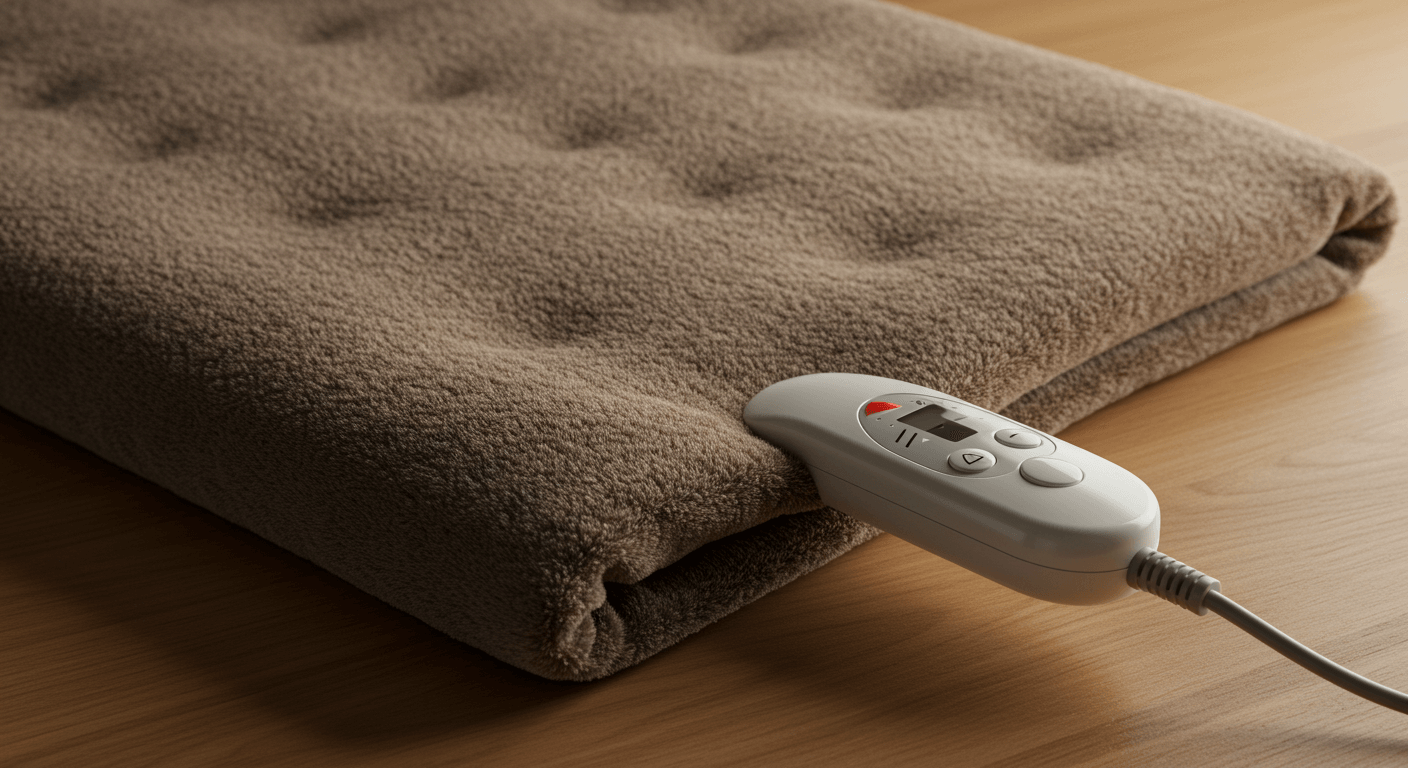
The secret to selecting the ideal heating pad is to match the kind of heat therapy to your individual requirements. While both conventional and infrared heating pads offer therapeutic advantages, their strengths differ. Determining which solution will provide the most effective alleviation can be aided by knowing the most significant use cases for each.
1. Muscle Stiffness or Menstrual Cramps – Traditional Heating Pads
A conventional heating pad is frequently sufficient for sporadic discomfort, such as menstrual cramps or muscle stiffness following exercise. The skin and surrounding muscles receive rapid, calming warmth from these pads since they heat up quickly. After 20 to 30 minutes of application, the surface-level heat can provide immediate relief by relaxing tense areas.
Conventional solutions, such as electric or microwaveable pads, are convenient and reasonably priced, making them a sensible alternative for temporary pain relief or pain management while on the road. They are also perfect for those who do not require long-term therapy or deep tissue penetration because of their mobility and ease of use.
2. Chronic Pain, Arthritis, or Injury Recovery – Infrared Heating Pads
An infrared heating pad is probably a better option if you have arthritis, chronic pain, or are healing from an injury. Far-infrared (FIR) light waves are used by infrared pads to penetrate 2-3 inches below the skin and target tendons, joints, and muscle tissue. Over time, this deep, healing heat improves tissue repair, lowers inflammation, and increases circulation.
Those who suffer from joint pain, fibromyalgia, or sciatica frequently discover that conventional heating pads only provide short-term surface alleviation. On the other hand, with consistent application, infrared heat provides longer-lasting effects by targeting the source of the pain. Despite their higher initial cost, infrared pads are a wise investment for naturally treating chronic illnesses.
3. Heat Sensitivity – Infrared Heating Pads
Infrared heating pads are usually safer and more pleasant if you have sensitive skin or a low threshold for high temperatures. They nonetheless deliver efficient, deeply warming heat even though their surface temperatures are lower than those of electric heating pads. Because the heat is applied gently and evenly, there is less chance of burns or dry skin.
Additionally, infrared heat is kinder, which is beneficial for elderly people or anyone with skin disorders that make direct, high-heat contact uncomfortable. Infrared provides calming, steady warmth that is simple to tolerate, in contrast to conventional choices that may irritate skin or overheat.
Choosing the Right Option
- For immediate, reasonably priced relief from surface-level tension, cramps, or temporary soreness, use a conventional heating pad.
- For profound, long-lasting comfort from chronic conditions, post-operative recuperation, or injury rehabilitation, go for an infrared heating pad.
- Infrared is the safer and more comfortable option if you have heat sensitivity.
You may choose the heating pad that will produce the best and longest-lasting effects with confidence if you know what kind of pain you have and how comfortable you are.
Conclusion
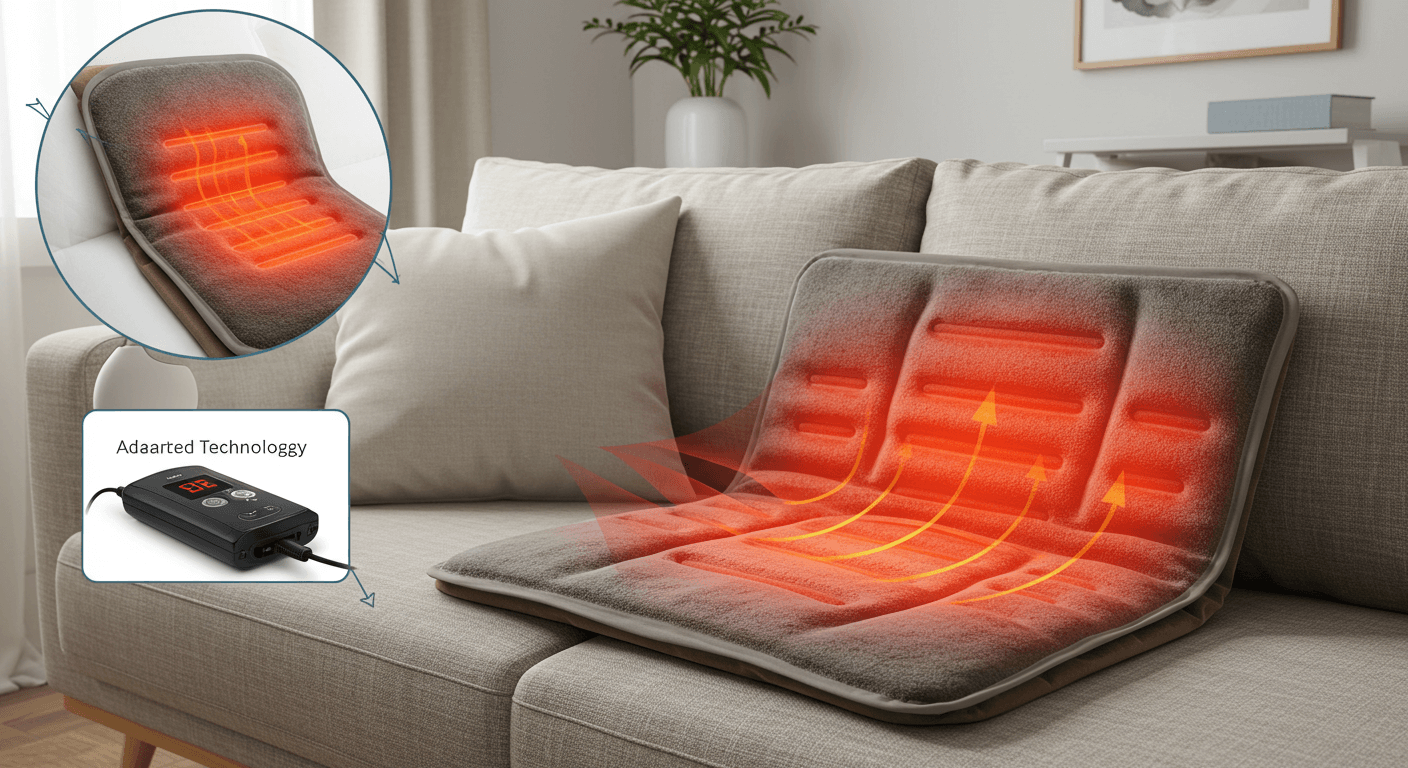
The decision between infrared and conventional heating pads depends on your individual requirements, preferences, and health objectives. Although both options provide focused heat therapy, their methods of providing warmth, levels of tissue penetration, and duration of action vary.
The best option for immediate, surface-level relief is a traditional heating pad. They work well for short-term discomfort like muscle stiffness, menstrual cramps, or sporadic tension, and they’re reasonably priced and accessible. A traditional pad is your best bet if money and convenience are your top priorities.
Conversely, infrared heating pads are made to promote deeper healing. They offer long-term pain relief, increase circulation, and lower inflammation by penetrating muscle and joint tissue with far-infrared light. They are perfect for treating long-term ailments, including sciatica, arthritis, and the healing process following an injury. Even though they cost more and take longer to heat, the therapeutic advantages often exceed the disadvantages, particularly for people who are in constant pain.
Infrared pads provide softer warmth with a decreased chance of burns if you’re heat-sensitive or worried about your safety. For those seeking long-term, comprehensive support, infrared therapy is typically a better investment.
In the end, each choice has a benefit and a drawback. The trick is to match the appropriate pad with the appropriate issue. Knowing the distinctions between infrared and conventional heating pads enables you to select the device that will enhance your comfort and recuperation.