

Your ability to sleep is directly impacted by the fabric you choose for your sleep aids, so it’s not just about comfort or style. The fabric type affects body temperature, moisture regulation, and general comfort, whether it’s the sleepwear you wear to bed, the pillowcase under your cheek, or the sheets that envelop you. Because of this, more individuals are becoming more conscious of the materials used in their bedding, particularly the continuous controversy over synthetic vs breathable fabrics.
Cotton, bamboo, linen, and Tencel are examples of breathable materials that have long been commended for their inherent capacity to drain away moisture and permit airflow. These materials keep hot sleepers cooler and less likely to wake up sweaty or restless by assisting in the regulation of body temperature throughout the night. They are a great option for people with allergies or sensitivities because they are frequently hypoallergenic and kind to the skin.
Conversely, synthetic materials such as nylon, polyester, and microfiber are renowned for their affordability and longevity. These materials are frequently less expensive, resist creases, and hold up well after several washings. However, synthetic textiles have a tendency to retain heat and repel moisture, which can make sleeping stuffy and uncomfortable, particularly for people who become hot at night or in warmer locations.
So, are synthetic or breathable textiles superior? The response is contingent upon individual requirements, climate, skin sensitivity, and financial constraints. Every type of fabric has different advantages and disadvantages with regard to the quality of sleep. The secret to getting a better, more restful night’s sleep is knowing how these materials affect your body while you’re asleep.
The performance of breathable and synthetic textiles in sleep aids will be compared in this guide, along with their effects on comfort, durability, moisture control, temperature regulation, and the environment. In order to assist you make better judgments when purchasing bedding, sleepwear, and other nighttime necessities, we’ll also examine which fabrics are more appropriate for various sleep requirements.
The correct fabric can make all the difference if you have sensitive skin, overheat at night, or simply wish to enhance the quality of your sleep in general. Let’s examine how the materials you choose can either help or hinder getting a good night’s sleep, as well as which textiles are worthwhile purchases for more comfortable, cooler, and deeper sleep.
Why Fabric Matters in Sleep Products
How well the body rests and recovers overnight is greatly influenced by the fabric used in sleep aids. The type of fabric used in everything from mattress coverings and pyjamas to bed linens and pillows directly affects temperature regulation, moisture management, and general sleep comfort. Selecting the appropriate material can mean the difference between a good night’s sleep and waking up exhausted or hot.
Temperature control is one of the most crucial aspects of sleep quality. The materials used in bedding have the power to either promote or interfere with the body’s natural cooling mechanism as you sleep. Air can circulate through breathable materials like linen, cotton, and bamboo, reducing the risk of overheating. Conversely, synthetic materials like polyester and microfiber have a tendency to retain heat, which can lead to discomfort or night sweats, particularly for hot sleepers.
The control of moisture is another important component. Sweat is released by the body while you sleep, and some textiles are better at absorbing this moisture than others. To keep the sleeper dry and lower the likelihood of waking up wet or sticky, natural fabrics are frequently better at wicking moisture away from the skin. Despite their durability, synthetic textiles frequently reject moisture and can lead to a buildup of perspiration, which can interfere with sleep.
The cloth also affects comfort and skin sensitivity. Particularly for people with sensitive skin or allergies, rough or non-breathable materials might irritate the skin. Natural fabrics are perfect for people who want to sleep without irritation because they are usually hypoallergenic and gentler to the touch. The sleep cycle may be disrupted by tossing and turning brought on by scratchy or skin-reactive sleep aids.
Comfort and health should always come first, but durability and maintenance are equally crucial. Breathable textiles provide superior long-term advantages for deep, restful sleep, even if synthetic fabrics frequently last longer and resist wrinkles.
Fabric is a performance factor in the sleep product industry, not only a decorative element. Choosing the appropriate fabric for sleepwear, mattress protectors, or pillowcases can assist ensure a comfortable sleeping environment throughout the night. The proper material promotes healthier skin, lowers moisture, and balances body temperature—all of which improve the quality of sleep. The first step in ensuring that sleep aids function with the body rather than against it is selecting the right fabric.
What Are Breathable Fabrics?
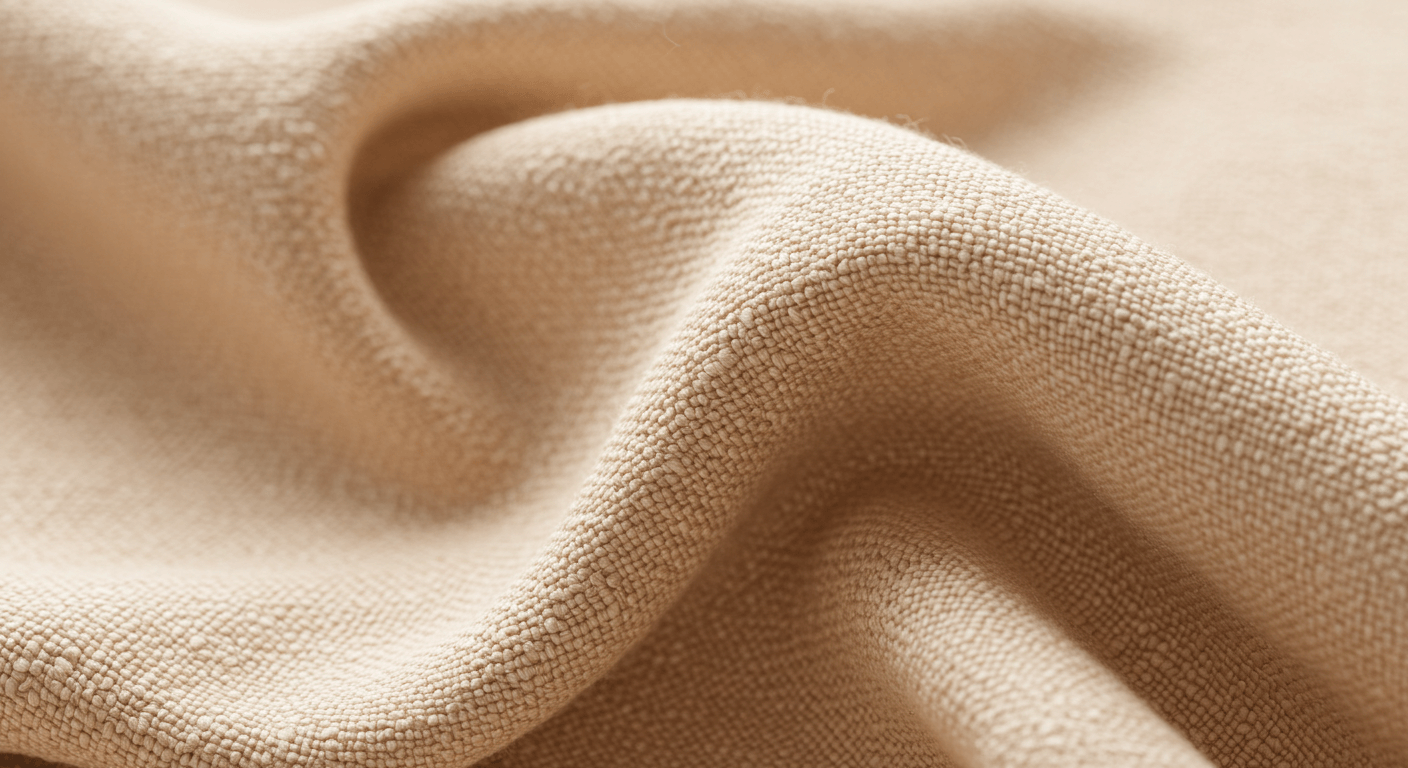
Fabrics that are breathable are made of materials that facilitate easy air circulation, which helps to control body temperature and drain away perspiration. These materials are particularly crucial for sleep aids since they help users stay cool and dry during the night, which can significantly improve the quality of their overall sleep.
Cotton, bamboo, linen, and Tencel are examples of common breathable textiles. Because of their inherent porosity, these materials let moisture and heat escape rather than becoming trapped between the cloth and the body. This airflow lessens the possibility of overheating or waking up sweaty in the middle of the night by assisting in maintaining a steady body temperature.
One of the most popular breathable materials is cotton. It absorbs moisture efficiently, is soft, and is reasonably priced. Bamboo is a fantastic choice for those with sensitive skin because of its exceptional softness and inherent antibacterial properties. Especially in warmer regions, linen is lightweight and great for airflow. Made from wood pulp, tencel has a smooth texture and excellent moisture-wicking capabilities.
For those who appreciate comfort and coolness, these materials are frequently used in mattress protectors, pillowcases, bed linens, and sleepwear. For people who sleep overheated, live in humid climates, or want to lessen skin irritation or night sweats, breathable textiles are perfect.
Breathable textiles also have the benefit of typically being hypoallergenic and devoid of harsh chemicals, particularly when composed of organic or sustainably derived materials. They encourage a healthy sleeping environment and are kind to the skin.
A more comfortable night’s sleep can result from selecting sleep aids composed of breathable materials, which also improve ventilation and reduce moisture accumulation. Breathable materials are a wise investment in both quality and health for anyone wishing to increase their level of sleep comfort.
What Are Synthetic Fabrics?
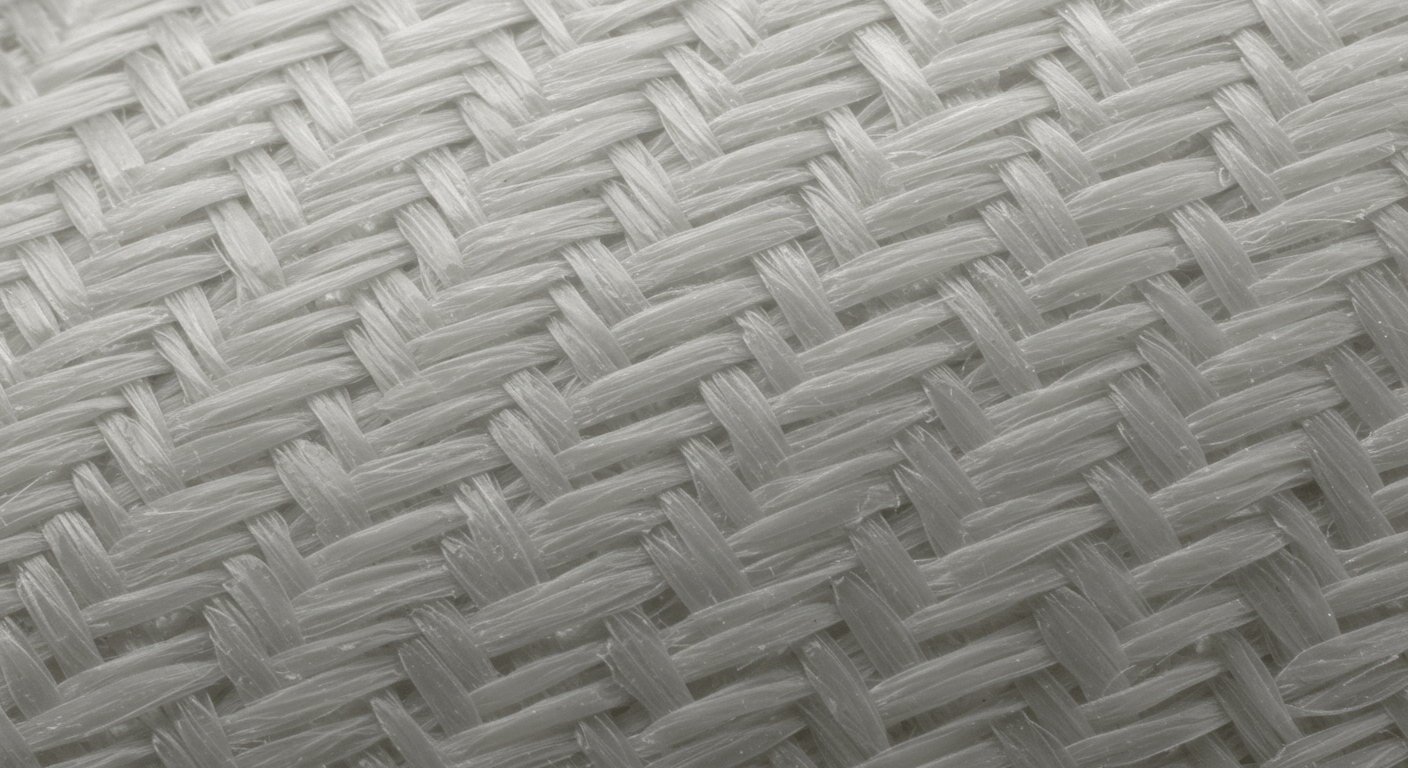
Man-made materials called synthetic fabrics are produced chemically, usually with the help of petroleum-based compounds. These textiles are designed to have particular qualities, such as affordability, wrinkle resistance, and durability. Synthetic materials, including polyester, microfiber, nylon, and acrylic are frequently used in sleep aids.
Due to their affordability and ease of maintenance, synthetic textiles are frequently used in sleepwear, mattress covers, pillowcases, and bed linens. These textiles dry fast, don’t shrink, and frequently withstand several washings. Synthetic materials could appear like a practical choice for customers on a tight budget or seeking low-maintenance bedding.
However, synthetic materials have a tendency to repel moisture and retain heat. Synthetic textiles restrict ventilation, which can cause warmth while you sleep, in contrast to breathable fabrics that let air circulate freely. Because of this, they are less appropriate for people who sleep hot or who live in warmer climates. Discomfort may also result from the inability to absorb perspiration, particularly if moisture builds up on the skin overnight.
For those with sensitive skin, synthetic textiles may irritate their skin or trigger allergic responses. When worn in close proximity to the face or body while sleeping, certain synthetic materials treated with chemical finishes or dyes may cause rashes or skin sensitivity.
Although synthetic textiles have benefits, including affordability, resilience to wrinkling, and durability, they frequently lack breathability and temperature control. Synthetic choices might not function as well as natural, breathable textiles for people who value comfort and cooler sleep.
You may make better judgments when purchasing sleep aids if you know what synthetic textiles are and how they work. It might be worthwhile to look into options that better promote peaceful, undisturbed sleep if comfort, ventilation, and moisture management are top concerns.
Pros and Cons: Breathable vs Synthetic Fabrics
Knowing the benefits and drawbacks of synthetic versus breathable fabric will help you choose the sleep aid that best suits your needs. Every type of cloth has advantages and disadvantages of its own, particularly with regard to comfort, durability, moisture control, and temperature regulation.
Breathable Fabrics – Pros
- Natural Airflow: Air can flow easily through breathable materials like cotton, bamboo, and linen, which keeps the body cool and lowers the chance of overheating.
- Moisture-wicking: These materials are perfect for hot sleepers or people who have night sweats since they absorb and release perspiration.
- Skin-Friendly: Natural fibres are an excellent option for delicate skin because they are typically hypoallergenic and devoid of harsh chemicals.
- Eco-Friendly Options: A lot of breathable textiles, including bamboo or organic cotton, are made from sustainable and biodegradable materials.
Breathable Fabrics – Cons
- Wrinkle Easily: If a smooth appearance is desired, natural textiles will require more upkeep due to their propensity to wrinkle more readily.
- Greater Cost: High-quality breathable textiles are frequently more costly than their synthetic counterparts.
- Risk of Shrinkage: If natural materials are not adequately cleaned and dried, they may shrink.
Synthetic Fabrics – Pros
- Long-lasting and robust: Even after repeated washings, synthetic materials like polyester and microfiber withstand deterioration.
- Wrinkle-Resistant: These materials are simple to maintain and require little work to keep looking nice.
- Affordable: Because synthetic choices are typically less expensive, they appeal to consumers on a tight budget.
- Fast-Drying: Compared to natural fibres, these textiles often dry more quickly, making them practical for frequent washing.
Synthetic Fabrics – Cons
- Heat Trap: The absence of adequate ventilation in synthetic fabrics frequently results in the body overheating while you sleep.
- Poor Moisture Control: They don’t absorb moisture; instead, they reject it, which can make the skin feel sticky and humid.
- Risk of Skin Irritation: Due to dyes or chemical treatments, certain synthetics may cause reactions in sensitive people.
- Less Sustainable: Synthetic fabrics are less environmentally friendly because they are mostly petroleum-based and non-biodegradable.
Comfort, skin health, and temperature management frequently make breathable fabrics the superior option for restful sleep when compared to synthetic ones. Synthetic materials can still be beneficial, though, in situations where minimal maintenance and durability are crucial considerations. Your lifestyle, financial situation, and personal sleeping habits will all influence the fabric you choose.
Impact on Sleep Quality
The quality of sleep is directly impacted by the fabric used in sleep aids. The material that comes into contact with your skin throughout the night, whether it be sheets, pillowcases, sleepwear, or mattress coverings, has a significant impact on how effectively your body relaxes, recovers, and maintains its comfort level throughout each sleep cycle.
Controlling the temperature is one of the most crucial elements. Heat-trapping textiles can overheat the body, resulting in frequent awakenings, nocturnal sweats, and restless tossing. By encouraging airflow and dissipating extra heat, breathable materials like cotton, bamboo, and Tencel aid in regulating body temperature. This enables the body to remain calm and cold all night long, which is necessary for sound, deep sleep.
Conversely, synthetic textiles like microfiber and polyester have a tendency to trap body heat and obstruct airflow. This produces a warm, muggy atmosphere that could throw off the body’s natural sleep schedule. It can be especially difficult for hot sleepers to enter and stay in the deeper sleep stages, such as REM and slow-wave sleep.
Another crucial element is moisture management. Fabrics that wick away moisture help avoid the sticky, damp feeling that can disrupt sleep because the body naturally sweats as we sleep. Breathable clothing keeps the skin cool and dry by absorbing and releasing moisture. On the other hand, sweat remains on the skin due to the tendency of synthetic textiles to reject moisture, which raises the possibility of discomfort or irritation.
The fabric’s texture and feel are equally important. Particularly for those with allergies or sensitivities, rough or non-breathable textiles might cause skin irritation. At nighttime, the body can rest and unwind more quickly because of the calming surface created by smooth, breathable textiles.
Finally, the brain’s perception of comfort affects the quality of sleep. Sleep latency, or the amount of time it takes to fall asleep, can be decreased by creating a sleep environment that is calming, cool, and breathable.
A more restful night’s sleep, fewer disturbances, and skin health can all be achieved by selecting the appropriate fabric. Breathable textiles usually perform better than synthetic ones for the best quality of sleep, particularly for people who have trouble with sweating, overheating, or sensitivities while they sleep.
Eco-Friendliness and Skin Sensitivity
Eco-friendliness and skin sensitivity are two crucial considerations that frequently go hand in hand when selecting sleep aids. The fabric type can have an impact on your skin’s reaction while you sleep in addition to the surroundings. Making a healthier, more sustainable decision can be aided by being aware of the distinctions between synthetic and breathable textiles.
Generally speaking, breathable materials like Tencel, bamboo, and organic cotton are better for the environment. These materials come from natural sources and are frequently made in an environmentally friendly manner. Many don’t include dangerous chemicals, dyes, or pesticides and are biodegradable. For instance, bamboo uses less water and is inherently pest-resistant, while organic cotton is grown without the need for artificial fertilisers. Selecting environmentally friendly bedding lowers your carbon impact and promotes more sustainable production methods.
Conversely, petroleum-based compounds that are difficult to decompose are used to make synthetic textiles like polyester and microfiber. Their manufacture contributes to long-term environmental damage by generating more trash and requiring chemical treatments. Environmental concerns are raised by the fact that the majority of synthetic fabrics are not biodegradable and may release microplastics into the water when washed.
Additionally, breathable fabrics are a superior option when it comes to skin sensitivity. Natural materials are typically kinder, hypoallergenic, and softer. By letting the skin breathe, they lessen the possibility of allergic responses, rashes, and irritation. They are therefore perfect for those who have allergies, eczema, or other sensitivities.
Conversely, synthetic textiles have the potential to retain moisture and heat, which could exacerbate skin disorders or lead to pain. Additionally, some are finished with chemicals that might cause contact dermatitis in those who are sensitive. Breathable, environmentally friendly textiles provide a safer, more pleasant sleeping option for people who want to safeguard both their skin and the environment.
When to Choose Breathable or Synthetic Fabrics
Your sleeping environment can be customized to meet your unique demands if you know when to use synthetic or breathable fabrics. Although each type of cloth has benefits, your decision should be based on your budget, skin sensitivity, environment, and level of comfort.
For people who sleep hot, live in humid locations, or are prone to night sweats, breathable materials like cotton, bamboo, linen, and Tencel are perfect. These organic materials wick away moisture, promote air circulation, and aid in controlling body temperature. Additionally, they are advised for people with eczema, allergies, or sensitive skin. Selecting natural materials for sheets, pillowcases, or sleepwear is a wise choice if breathability, comfort, and skin health are your main concerns.
For consumers who care about the environment, breathable textiles are also a better choice. They are an environmentally conscious option because many are produced sustainably and biodegradably. They might, however, be more expensive up front and need to be washed with greater care to avoid wrinkling or shrinking.
Polyester, microfiber, and nylon are examples of synthetic materials that might be a preferable choice in circumstances when price, ease of care, and durability are more important considerations. They can withstand many washings without deteriorating, dry rapidly, and are wrinkle-resistant. These materials are useful for kids’ bedding, guest rooms, or when buying many sets at once on a tight budget.
Synthetic textiles can assist in retaining body heat, making people feel warmer during colder months or in colder climates. However, because of their poor permeability, they may cause discomfort or overheating in hot weather or for year-round comfort.
Depending on your particular sleeping requirements, you can choose between synthetic and breathable textiles. Breathable textiles are usually the greatest option for cooler, more comfortable sleep. Synthetic fabrics can be the best choice if you’re looking for long-lasting, low-maintenance options at a cheaper cost.
Conclusion
Comfort, temperature control, and general sleep quality can all be significantly impacted by the fabric used in sleep aids. Cotton, bamboo, and Tencel are examples of breathable materials that promote deeper sleep and healthier skin by providing natural airflow, improved moisture management, and a soft feel. Those with sensitive skin, hot sleepers, and those seeking environmentally responsible solutions will find them particularly appropriate.
Polyester and microfiber are examples of synthetic textiles that are long-lasting, reasonably priced, and require little maintenance. These materials are resistant to wear and wrinkles, but they frequently retain heat and repel moisture, which can cause discomfort while you sleep, especially if you have a night sweat or live in a warmer climate.
The choice between synthetic and breathable textiles ultimately comes down to your surroundings, skin type, and sleep requirements. While synthetic materials might be more sensible for temporary use or households on a tight budget, breathable fabrics typically provide greater comfort and long-term advantages.
Purchasing the appropriate fabric for your mattress covers, sleepwear, or bedding can change the way you sleep. Selecting the appropriate material is the first step toward better, healthier sleep, regardless of the objective: cooler nights, fewer interruptions, or just a more pleasant bedtime routine.