

It is nearly impossible to avoid technology in today’s world. We are surrounded by gadgets all the time, including laptops, smartphones, Wi-Fi routers, Bluetooth devices, and even home appliances. These instruments offer convenience, but they also introduce electromagnetic fields, or EMFs, which are less obvious but are nonetheless discussed a lot. You are not alone if you have ever questioned what electromagnetic fields are and whether exposure might be harmful to your health. As more individuals become conscious of their everyday interactions with electronics, search interest in EMF safety is growing.
Areas of energy known as electromagnetic fields (EMFs) are created by both man-made and natural sources, including power lines, microwaves, and cell phones. EMFs are divided into two groups by scientists: high-frequency (ionizing) and low-frequency (non-ionizing). Ionizing radiation, such as X-rays, poses a greater risk than non-ionizing electromagnetic fields, which are produced by commonplace electronics. Understanding this distinction is essential to determining whether or not EMFs are actually a reason for concern.
Health impacts are frequently at the forefront of public discussion around EMF exposure. According to some research, there may be a connection between EMFs and problems like headaches, exhaustion, or disturbed sleep. Others raise questions about long-term hazards, including neurological problems or cancer. However, global health agencies such as the World Health Organization (WHO) and the Centers for Disease Control and Prevention (CDC) believe that current research does not establish detrimental consequences at usual exposure levels. Still, the topic remains, especially with the spread of 5G technology and greater reliance on wireless connectivity.
So, should you be concerned about EMFs? The answer depends on perspective. Many people would rather take preventative measures to minimize needless exposure, even when science has not come to a firm conclusion. Without interfering with daily life, small adjustments like utilizing a speakerphone, avoiding electronics in the bedroom, or shutting off Wi-Fi at night can help reduce exposure to electromagnetic fields.
This article will define electromagnetic fields (EMFs), discuss the possible health hazards associated with exposure to EMFs, and offer helpful contact reduction techniques. You will have a better understanding of the science, the argument, and how to make wise decisions for your own mental health by the conclusion.
What Is EMF?
Both natural and artificial sources of energy are surrounded by electromagnetic fields, or EMFs. EMFs are produced by all living things and electronic devices, though they differ in frequency and intensity. The Earth’s magnetic field and sunlight are examples of natural sources, whereas commonplace devices like laptops, power lines, Wi-Fi routers, and cell phones are examples of man-made sources.
EMFs are divided into two primary categories by scientists: high-frequency (ionizing) and low-frequency (non-ionizing). At normal exposure levels, low-frequency electromagnetic fields (EMFs), which are present in power lines and household appliances, are generally regarded as safe. High-frequency electromagnetic fields (EMFs), like those from X-rays or certain wireless devices, have the capacity to impact cells because they carry more energy.
The first step in determining EMF exposure and safety is to understand EMFs. Determining the origins of these fields and their interactions with the body aids in deciding whether safety measures are required in day-to-day activities.
EMF Types There are several forms of electromagnetic fields, or exposure EMFs, each with a particular energy level and possible health effects. Knowing these kinds makes it easier to understand EMF exposure and effective management techniques.
Non-ionizing radiation is another name for low-frequency electromagnetic fields. They come from commonplace sources like electrical wiring, power lines, and home appliances. Because of their lower energy levels, these EMFs typically don’t directly harm DNA. Hair dryers, refrigerators, and microwaves are typical examples. Most experts believe that normal exposure to low-frequency electromagnetic fields is safe.
High-frequency EMFs, on the other hand, carry more energy and include radiofrequency waves, X-rays, and 5G signals. These are sometimes referred to as ionizing EMFs. High-frequency EMFs can permeate further into the body and, in excessive concentrations, may cause cellular damage. While typical usage of cell phones and Wi-Fi is not regarded as very harmful, long-term exposure is still examined for potential health impacts.
Knowing the differences between low- and high-frequency EMFs helps lead practical actions to decrease exposure without removing technology. Simple precautions, including keeping devices at a distance or limiting screen time, can help preserve safety while being connected.
Health Concerns Linked to EMF
The question, “Are EMFs dangerous?” is becoming more and more common as technology develops. There are concerns over possible health impacts because electromagnetic fields (EMFs) are found in everything from laptops and smartphones to power lines and Wi-Fi routers. Modern life has greatly increased exposure to man-made sources of electromagnetic fields (EMFs), even though they are a natural element of the environment.
Research on EMF health concerns is ongoing, and data remains divided. Some studies reveal a probable link between chronic exposure to specific EMFs and health difficulties such as headaches, exhaustion, sleep disturbances, and difficulty concentrating. Other studies look into the possibility that prolonged exposure could raise the risk of more severe illnesses such neurological problems and some types of cancer.
The Federal Communications Commission (FCC), the Centers for Disease Control and Prevention (CDC), and the World Health Organization (WHO) stress that, according to available data, normal daily exposure to low- and high-frequency electromagnetic fields (EMFs) from wireless devices and household electronics is generally regarded as safe. These groups do, however, advise ongoing observation and investigation, particularly as emerging technologies like 5G networks proliferate.
Some people claim to be more sensitive to electromagnetic fields (EMFs), exhibiting symptoms like skin irritation, vertigo, or tinnitus. Although there is currently no scientific consensus to support EMF sensitivity as a medical diagnosis, taking preventative steps can offer comfort without interfering with daily life.
Using speakerphones or corded headsets, keeping electronics away from the body, restricting Wi-Fi use at night, and shutting off unused equipment are easy ways to reduce needless exposure. Understanding the causes of electromagnetic fields (EMFs) and their possible hazards enables people to make well-rounded decisions that promote their health and wellbeing.
People can use modern technology securely if they are aware of electromagnetic fields (EMFs) and the potential health risks they pose. Keeping up with scientific advancements and implementing sensible EMF safety procedures can allay worries while preserving the modern devices’ connectivity and convenience.
Should You Be Concerned About EMFs?

As technology has advanced, electromagnetic fields (EMFs) have become an inevitable aspect of contemporary life. EMFs are found in almost every setting, from laptops and smartphones to power lines and Wi-Fi routers. Questions concerning possible health hazards and whether people should be concerned about electromagnetic fields in their daily lives have been raised by this extensive exposure.
According to current scientific studies, the majority of low- and high-frequency electromagnetic fields (EMFs) from wireless technology and household gadgets are under safety limits established by respectable health organizations like the Centres for Disease Control and Prevention (CDC) and the World Health Organization (WHO). For most individuals, daily exposure to phones, Wi-Fi, and appliances is regarded as safe. According to studies, normal interactions with these devices don’t directly result in major health issues.
However, concern is understandable. Some individuals are more cautious owing to heightened sensitivity to EMFs, which can appear as symptoms including headaches, weariness, dizziness, or problems sleeping. While this disease, frequently referred to as electromagnetic hypersensitivity, is not universally accepted as a medical diagnosis, taking preventive precautions can bring reassurance and comfort.
Certain populations may benefit from increased vigilance. Reducing needless exposure for pregnant women and children can be a sensible precaution because these groups are more susceptible to environmental influences. Long-term exposure to higher-frequency electromagnetic fields (EMFs), including those from 5G networks, is also still being studied. Even though there are no substantial concerns confirmed by present research, keeping an eye on new studies promotes safety and well-informed decision-making.
EMF exposure can be decreased without interfering with daily living by taking easy, doable steps. Among the recommendations are:
- To keep electronics away from the body, use corded headsets or speakerphones.
- Using tablets and computers on tables or desks rather than on people’s laps.
- Wi-Fi routers should be turned off when not in use or at night.
- Restricting the extended use of cell phones, particularly those held up to the head.
- Whenever feasible, keep a safe distance from sources of strong electromagnetic fields or high-voltage power lines.
Being aware of EMF sources, recognizing exposure levels, and following basic safety procedures allows people to keep connected while reducing unnecessary exposure. Rather than producing dread, information enables educated decisions about technology use.
Ultimately, whether EMFs are a reason for concern depends on perspective. For most people, routine exposure presents little risk, and following simple measures is adequate. Small lifestyle changes can bring peace of mind to those who want it more. A balanced approach to dealing with modern technology while protecting health is ensured by remaining informed, keeping an eye on research updates, and putting practical EMF safety precautions into practice.
Conclusion
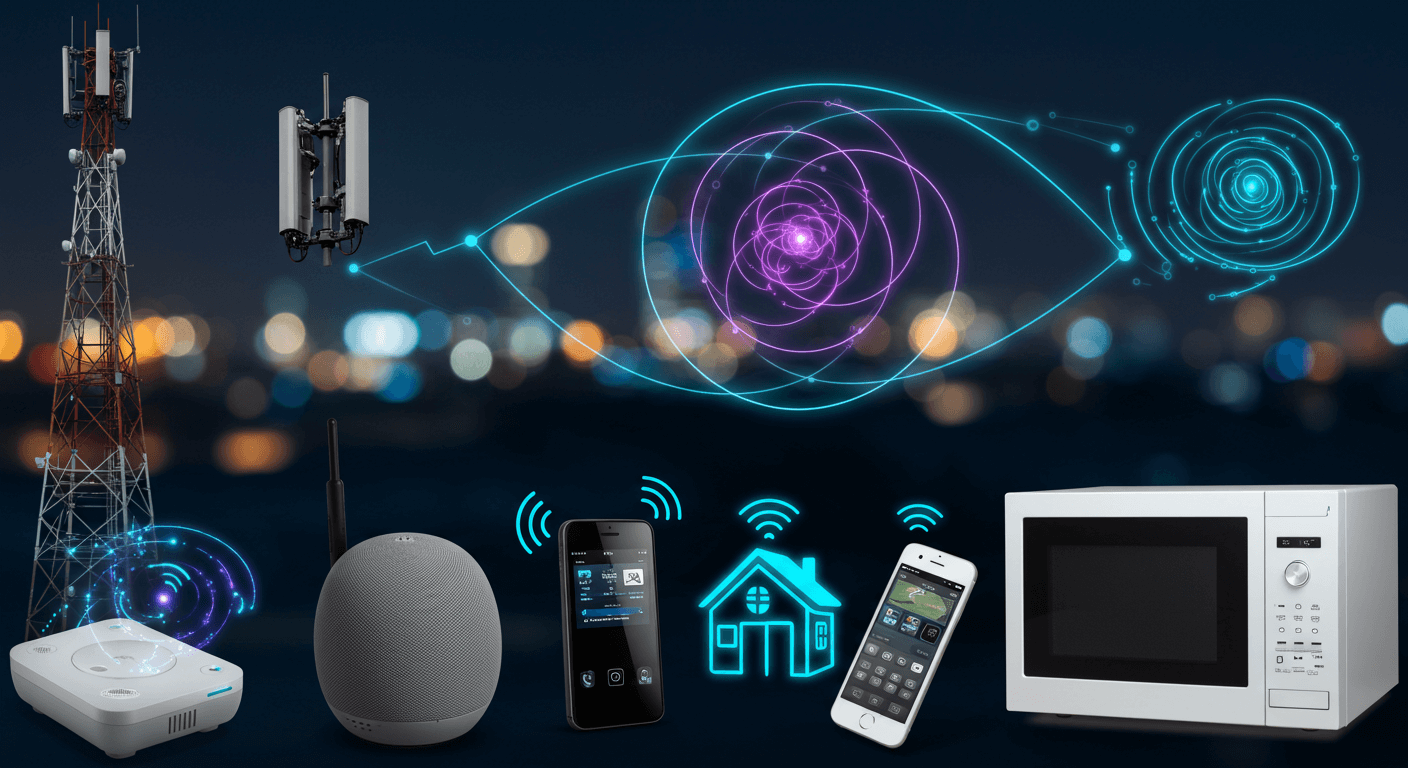
People are constantly surrounded by electromagnetic fields (EMFs) from laptops, Wi-Fi routers, smartphones, and other household electronics. Assessing possible health concerns requires an understanding of electromagnetic fields (EMFs) and the distinctions between low-frequency and high-frequency exposure. Even though recent research suggests that regular daily exposure to electromagnetic fields (EMFs) is generally safe, studies are still being conducted to examine long-term effects, particularly with newer technologies like 5G networks.
Regular usage of electronic gadgets does not present serious health problems for the majority of people. Some folks, on the other hand, might be more susceptible to electromagnetic fields or just want to be safe. Without interfering with day-to-day activities, simple measures like utilizing speakerphones, keeping electronics away from the body, limiting screen time, and shutting off Wi-Fi at night can help reduce needless exposure.
A balanced approach to technology is made possible by keeping up with EMF sources, comprehending safe exposure levels, and putting useful safety techniques into practice. In an increasingly interconnected world, awareness and prudence enable people to take advantage of the ease of contemporary gadgets while lowering possible risks, giving them peace of mind. In the end, the secret to using technology responsibly and safely is understanding EMFs.