

Due to their unparalleled ease in rapidly heating meals, defrosting ingredients, and even cooking some things from scratch, microwaves have become a common fixture in kitchens all over the world. But not all foods are safe or appropriate for the microwave, and improper microwave use can result in subpar cooking, inconsistent cooking, or even safety risks. For safe and effective meal preparation, it is crucial to know which foods can be microwaved and which should never be microwaved.
Contrary to popular belief, not everything that fits inside a microwave can be microwaved. When microwaves are used, some foods respond differently, exploding, burning, or releasing toxic substances. For instance, it can be hazardous to microwave entire grapes or eggs in their shells, but properly prepared vegetables, such as potatoes or broccoli, can cook to perfection. By being aware of these variations, accidents can be prevented, and food’s flavor, texture, and nutritional content can be preserved.
In addition to food safety, utilizing the correct containers and practices is vital. Uneven cooking can be avoided, and mess can be reduced by using microwave-safe plates, covering food properly, and swirling or rotating objects while heating. Understanding the guidelines for microwaving allows you to take advantage of its quickness and convenience without sacrificing quality or safety.
This article examines which foods are safe to microwave, which ones should be avoided, and provides professional advice for maximizing effectiveness and security. Understanding the dos and don’ts of microwave cooking can make your kitchen experience quicker, safer, and more pleasurable, whether you’re using it to reheat leftovers, make quick snacks, or try out microwave cooking.
How Microwaves Work
Food is swiftly and effectively heated in microwave ovens using electromagnetic waves, most especially microwaves. Microwaves pierce food and excite water molecules, lipids, and carbohydrates, in contrast to traditional ovens that cook food from the outside in using external heat. Food can cook from the inside out because to the heat produced by this molecular action. Because of this feature, microwaves are perfect for rapidly making some dishes, reheating meals, and defrosting items.
Knowing how various foods react to microwaves helps to understand why some foods cook more effectively than others. Foods that include a lot of water, such as pasta, soups, and vegetables, heat up quickly and uniformly because water molecules efficiently absorb microwave energy. On the other hand, dense meals may cook unevenly if they aren’t rotated or stirred, while low-moisture goods like bread, chips, or crackers may become dry or overdone.
Containers and coverings are very important while cooking in a microwave. Because they let energy go through without overheating, materials like glass, ceramic, and certain polymers are safe to use in microwaves. Because microwaves reflect off metal surfaces, metal, aluminum foil, or containers with metallic trim might result in sparks, fires, or damage to appliances. Splatters can be avoided, moisture retention is aided, and more consistent cooking is guaranteed when microwave-safe lids or covers are used.
The power setting of the appliance is another consideration. Although high-power power cook food more quickly, it can also produce hot areas that cause uneven heating. Delicate foods like eggs or thin slices of meat can be cooked gradually on medium or low settings, lowering the chance of overcooking them. Food can achieve a safe temperature during cooking by stirring, rotating, or stopping halfway through.
Determining which items are appropriate for this cooking method and how to handle them safely is made simpler by knowing the science underlying microwaves. Meals are always prepared effectively, safely, and delectably when microwave mechanics knowledge is paired with appropriate techniques and careful food selection.
Foods You Can Put in a Microwave
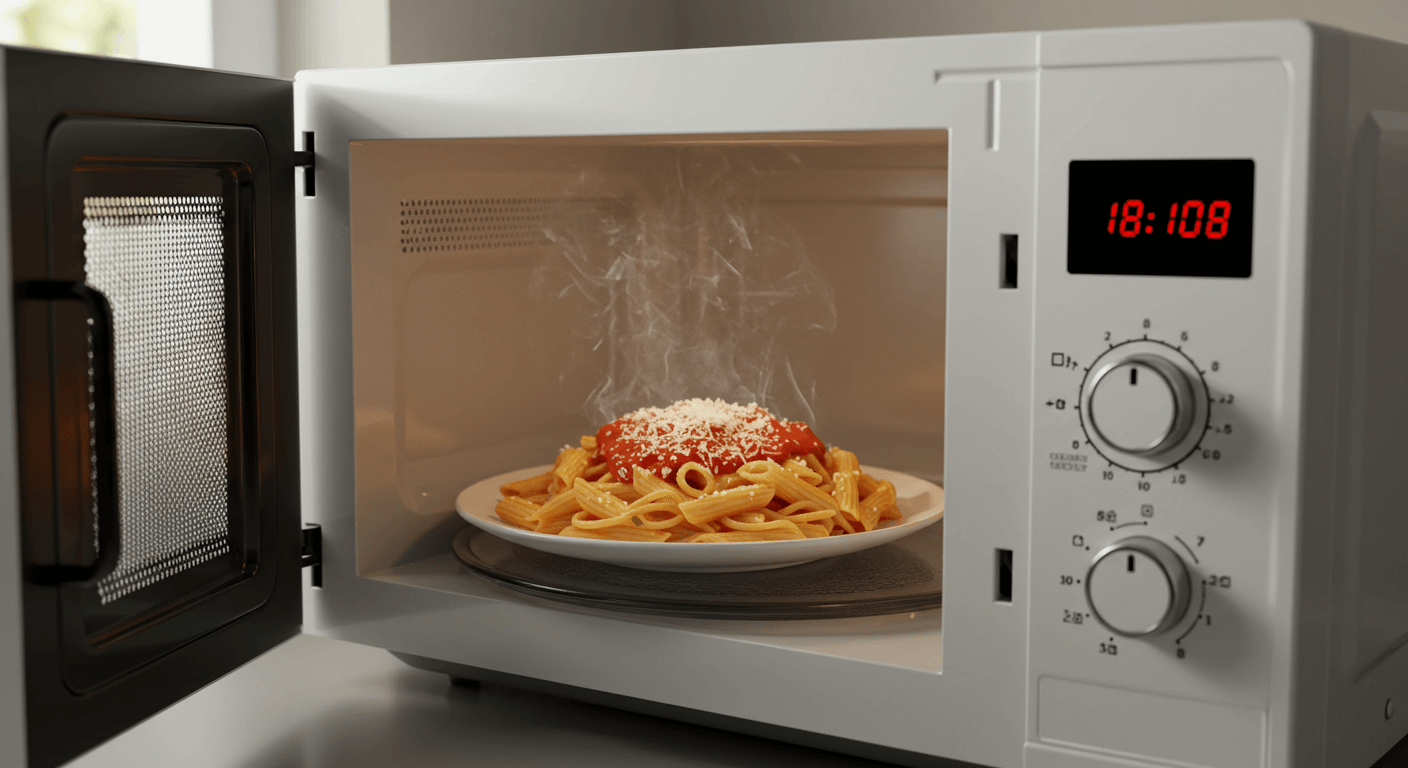
Meals and snacks can be swiftly heated in microwave ovens, but quality and safety are guaranteed when you know which foods are microwave-safe. When properly prepared, some foods react remarkably well to microwaving, maintaining their flavor, texture, and nutrition.
- One of the best things to microwave is vegetables. When microwaved, potatoes, carrots, broccoli, and green beans cook uniformly and keep the majority of their nutrients. For instance, heating broccoli in the microwave instead of boiling it helps retain vitamin C. Vegetables can be kept from drying out and cooked more evenly by using a tiny amount of water or a microwave-safe cover.
- Microwaving fruits is also possible, but it should be done carefully. Peaches, berries, and apples all cook well, which makes them perfect for softening dishes or for preparing quick desserts. To avoid sparks or explosions, steer clear of low-moisture fruits and fruits in their shells, such as cherries or grapes. Fruits that have been cut or peeled can be safely and successfully microwaved.
- In a microwave, you may quickly reheat proteins such as cooked chicken, fish, or leftover meats. Tofu, precooked bacon, and ground meats also work well. Eggs should never be cooked in their shell; however, they can be microwaved. Eggs can be beaten or placed in a microwave-safe container to achieve safe, fluffy results without exploding. Proteins that are covered while cooking maintain moisture and heat evenly.
- Grains and pasta like rice, pasta, oatmeal, and quinoa reheat easily in a microwave. To keep the texture intact and avoid drying out, add a little water and cover the jar. Pasta dishes or leftover casseroles should also be heated evenly, with regular stirring halfway through.
- It is safe to microwave liquids and beverages such as soups, sauces, and water for tea or coffee. Midway through the heating process, stirring ensures uniform temperature distribution and avoids hot patches that could result in burns.
When properly prepared, vegetables, some fruits, proteins, grains, and liquids can all be microwaved. To get the best results, use microwave-safe containers, cover food to keep it wet, and stir or rotate items while they cook. You may save time, conserve nutrients, and quickly and conveniently enjoy safe, delicious meals by knowing which foods perform well in a microwave.
Foods You Should Avoid Microwaving
Even though they are convenient, microwaves can harm some foods or provide unfavorable outcomes. By being aware of what to avoid, you can avoid mishaps, uneven cooking, and appliance damage.
- Eggs in their shells pose a serious risk. Whole eggs may rupture in the microwave because of the quick accumulation of steam inside the shell. This could cause a mess and hurt everyone in the area. Eggs should instead be cooked in microwave-safe egg containers or cracked and beaten.
- Apples, cherries, and grapes are examples of whole fruits with skin that can also be dangerous. The fruit may occasionally explode or emit sparks when microwaved because the peel retains steam. To guarantee safety and even heating, cut or peel fruits before placing them in the microwave.
- Microwaving processed meats, such as bacon and hot dogs, can be challenging. Uneven cooking of bacon can result in charred edges and undercooked areas, while improperly pierced hot dogs can explode. Although covering meats and using microwave-safe containers might be helpful, stovetop or oven procedures frequently produce better results.
- Bagels, muffins, and pizza slices are examples of bread-based foods and pastries that can get tough, chewy, or rubbery. Bread that has been microwaved may lose moisture quickly, changing its texture. Crunchiness and flavor are maintained when toasting or reheated in a toaster oven or regular oven.
- If you microwave some drinks or sauces incorrectly, it can cause issues. “Hot spots” can form in thick gravy, sauces, or soups, where some parts get really hot while others stay cool. When agitated, this uneven heating might result in burns or splattering. Use a microwave-safe cover at all times, and stir liquids halfway during the heating process.
- You should never microwave metal or foil. Even modest amounts of aluminum foil or plates with metallic trim can generate sparks, flames, or irreversible microwave damage. To be safe, only use glass, ceramic, or plastic containers that are suitable to use in the microwave.
Mishaps can be avoided, and safe, efficient microwave use can be ensured by avoiding entire fruits with skin, processed meats, bread-based products, eggs in their shells, specific liquids, and any metal objects. You may enjoy the convenience of microwave cooking without sacrificing food safety or quality by being aware of these hazards and adopting preventative measures.
Tips for Safe and Effective Microwaving
Although microwaves are practical, the best outcomes are guaranteed when safety and cooking guidelines are followed. Accidents, uneven heating, and appliance damage can be avoided by using the right procedures.
- Make use of containers that are safe to use in the microwave. The best materials include glass, ceramic, and some types of plastic because they let microwaves through without being overly heated. To prevent sparks or flames, stay away from metal, aluminum foil, and dishes with metallic trim.
- Properly cover food. Food heats more evenly, preserves moisture, and avoids splattering when a microwave-safe lid or cover is used. By creating tiny holes in coverings, steam can escape, lowering the possibility of pressure buildup.
- Rotate or stir the food. To encourage consistent cooking, a lot of microwaves come with turntables. Halfway through heating, stop and stir or rotate food if you don’t have a turntable. This maintains texture, guarantees complete cooking, and avoids hot spots.
- Modify the power settings. While high power cooks food fast, it can also cause uneven results or overcook delicate foods. Slow heating is possible on medium or low settings, which is particularly useful for proteins, casseroles, and thick sauces.
- When handling liquids, exercise caution. When water, soups, or sauces are microwaved, superheated liquids are produced that seem calm at first but can quickly boil over if disturbed. Before taking liquids out of the microwave, let them sit for a few seconds and stir them both before and after heating.
- Observe the suggested cooking times. Food can become dry, containers can get damaged, or burns can result from overheating. Start with shorter heating times and monitor your progress, particularly when using new recipes or leftovers.
These easy guidelines make microwaving safer, more effective, and more dependable. Every microwave meal is convenient and pleasurable when food is heated evenly, retains flavour, and is protected from potential hazards by using the right containers, covering, stirring, timing, and power settings.
Conclusion
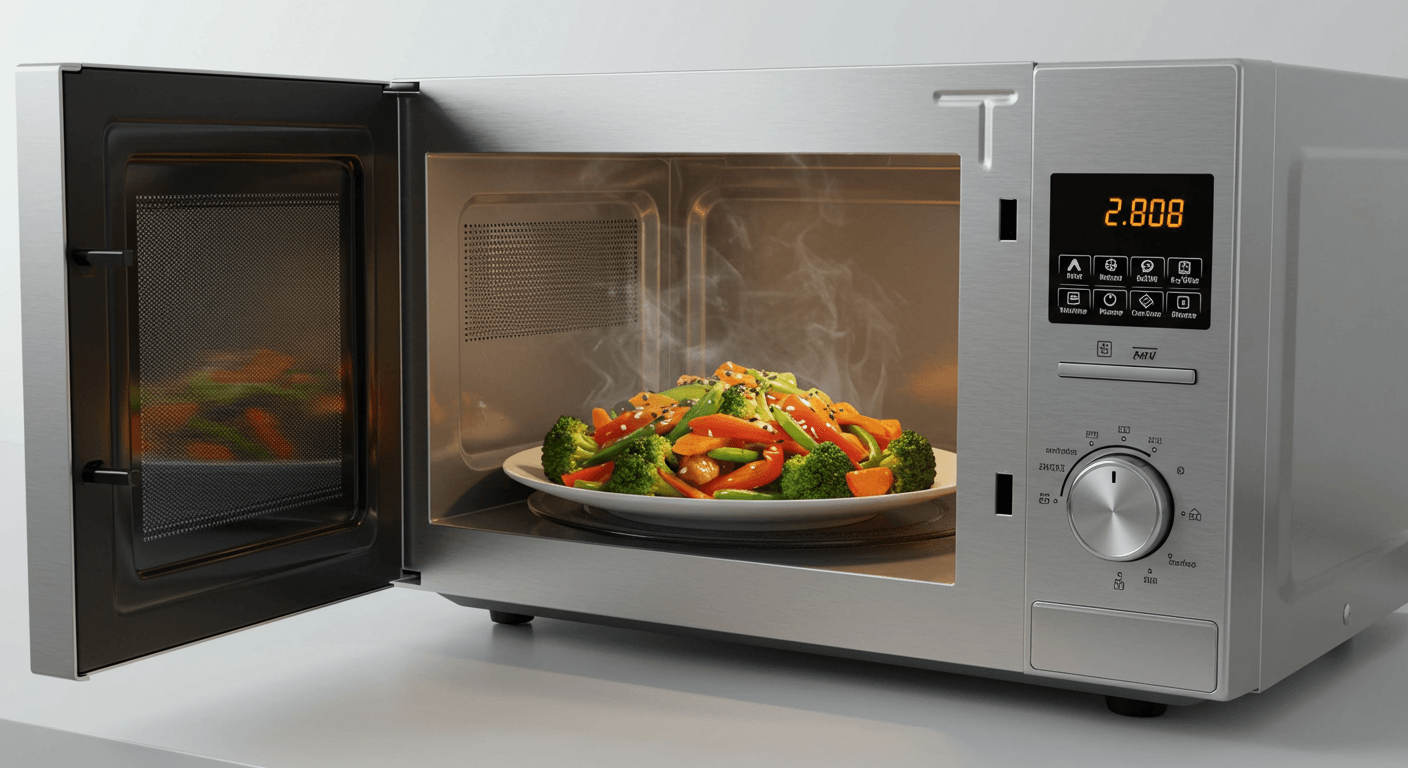
Microwaves provide speed and convenience for cooking, reheating, and defrosting food. But not all foods can be microwaved, and knowing the dos and don’ts is crucial for taste, safety, and effectiveness.
When properly cooked, foods such as vegetables, some fruits, proteins, grains, and liquids typically work well in the microwave. Using microwave-safe containers, covering food to maintain moisture, and turning or rotating foods during heating guarantees even cooking and protects texture and nutrients.
On the other hand, some things are never safe to microwave. Metal containers, processed meats, bread-based products, entire fruits with skin, and eggs in their shells can all present risks of explosions, sparks, or uneven cooking. Avoiding these foods prevents mishaps and maintains the integrity of both the appliance and the food.
Microwave safety and cooking outcomes are improved by adhering to useful advice, such as modifying power settings, carefully covering food, stirring while heating, and keeping an eye on liquids. These tactics allow you to optimize the convenience of microwave cooking while limiting dangers.
By understanding which foods are safe, which should be avoided, and the best methods for microwaving, meal preparation becomes faster, safer, and more reliable. By following these tips, you may safely reheat food, make snacks, and even cook basic dishes in your microwave without compromising food quality or causing mishaps. Learning how to use a microwave safely is important for efficiency, safety, and consistently delicious meals, not simply for convenience.