

In recent years, blue light has emerged as one of the most talked-about subjects. Blue light technology is used in everything from mood-enhancing lamps and skincare products to wearable technologies and digital screens. Individuals are using it to treat acne, alleviate seasonal depression, boost their energy levels, and even sterilise themselves. But with so many claims making the rounds, the fundamental issue still stands: Are blue lights a real thing, or are they just another fad in health and wellness?
Fundamentally, blue light is a component of the visible light spectrum that is produced artificially by LED bulbs, screens, and speciality lamps as well as naturally by the sun. Its distinct wavelength causes various interactions with the human body. Blue light from the sun aids in the regulation of circadian cycles, although artificial exposure has been associated with both advantages and possible disadvantages. Due to its dual characteristics, scientists have been examining blue light to ascertain its most beneficial applications and areas that require caution.
For instance, blue light treatment has grown in favour in dermatology because it reduces acne-causing bacteria without the use of harmful chemicals. It is also utilized in light therapy lamps that simulate natural sunlight and elevate mood in order to treat seasonal affective disorder (SAD). According to some research, blue light exposure under management may even improve alertness and productivity, which makes it useful in study and work settings. However, extended use of screens has sparked worries about headaches, eye strain, and irregular sleep cycles.
This article will discuss the science of blue light, look at its various applications, and dissect the data that either confirms or refutes its efficacy. This guide can help you distinguish reality from fiction, whether you’re interested in skincare products, therapy lights, or just whether blue light-blocking spectacles are worth the hype.
What Is Blue Light?
One visible light type that is a part of the electromagnetic radiation spectrum is blue light. It is one of the most energetic types of visible light because of its short wavelength, which is usually between 380 and 500 nanometers. As a result, it is frequently called high-energy visible (HEV) light. At normal exposure levels, blue light is not as invisible or dangerous as ultraviolet (UV) radiation, but it can have a big impact on the environment and human health.
Since the sun is the main source of blue light, exposure occurs naturally every day. This blue light from nature is essential for controlling circadian rhythms, increasing alertness, and improving mood and memory. Artificial blue light sources, such as LED lighting, smartphones, tablets, computer screens, and specialty medical or therapeutic lamps, have been introduced by modern lifestyles.
Blue light’s effects on the body have sparked research in a number of disciplines. Certain blue light wavelengths are utilized in dermatology to target and eradicate microorganisms that cause acne. In order to replicate the mood-enhancing effects of sunlight, blue light bulbs are recommended for those with seasonal affective disorder (SAD). Studies conducted in the workplace, meantime, indicate that moderate exposure to blue light can enhance concentration and output.
However, not all exposure to blue light is advantageous. By interfering with the generation of melatonin, prolonged screen time without protection can lead to digital eye strain, exhaustion, and possible sleep disturbance. Blue light has a dual effect that makes it both beneficial and contentious.
The first step in determining whether blue light technologies—like therapy lamps, skincare products, or protective glasses are actually beneficial in daily life is to understand what blue light is and how it functions.
The Science Behind Blue Light Therapy
Blue light therapy is a non-invasive procedure that stimulates biological reactions in the skin or body by using particular blue light wavelengths, often between 405 and 470 nanometers. Under the right conditions, blue light can be used repeatedly since it does not harm DNA at therapeutic levels like UV rays do.
The science of dermatology focuses on how well blue light can penetrate the epidermis’ outermost layers. It interacts with porphyrins at this level, which are chemicals made by bacteria like Cutibacterium acnes that cause acne. Porphyrins produce reactive oxygen species in response to blue light, which kills the bacteria without damaging the surrounding skin tissue.
Blue light therapy is a tried-and-true way to treat mild to severe acne without the use of harsh chemicals or antibiotics. Blue light has been researched for its impact on mental health and circadian rhythms in addition to skincare. The sun’s inherent blue light is used by the human body to control the circadian rhythm.
Furthermore, blue light’s ability to increase attentiveness has drawn attention in both medical and professional contexts. Although additional study is required to show long-term effects, several studies indicate that exposure during the day may boost cognitive ability, focus, and reaction times.
However, dosage, wavelength, and time all affect how effective blue light treatment is. While excessive use may cause skin irritation or eye strain, too little exposure could have no positive effects.
Knowing the science explains why blue light treatment has developed into a useful tool for wellbeing, mental health, and dermatology.
Benefits of Blue Light Therapy
A popular choice for both clinical and at-home wellness regimens, blue light therapy is becoming more well-known for its non-invasive and drug-free advantages. The benefits extend to mood control, general well-being, and skin health.
Its ability to treat acne is among its best-known advantages. The bacteria that cause breakouts, Propionibacterium acnes, is the target of blue light. The treatment lessens redness, irritation, and acne flare-ups by getting rid of these germs without using harsh chemicals. With few adverse effects, it provides a kinder substitute for topical medications or antibiotics for a large number of people.
Its effect on sleep cycles and mental wellness is another important advantage. People who suffer from seasonal affective disorder (SAD) or irregular circadian rhythms are frequently helped by blue light therapy bulbs. Controlled exposure to blue-enriched light has been shown to enhance mood, increase attentiveness, and improve sleep patterns. According to studies, utilizing this type of therapy in the morning may aid in resetting the body’s circadian rhythm, which will improve sleep quality at night.
Medical therapies can potentially benefit from the use of blue light. It is safe to use in newborn care for jaundice therapy, which lowers an infant’s bilirubin levels. It is being studied to treat specific skin disorders and potentially promote wound healing in adults. Blue light is being used in sanitation and hygiene outside of the medical field. Certain gadgets sterilize surfaces, water, and even personal belongings without the need for chemicals by using particular wavelengths to kill microorganisms.
Benefits for daily well-being include increased vitality and concentration. It can be a helpful tool at home and at work because brief, regulated exposure may help lower fatigue and enhance focus.
All things considered, the advantages of blue light treatment are numerous, useful, and backed by science, especially when applied correctly.
Drawbacks and Risks of Blue Light Exposure
Although blue light treatment has a number of established advantages, there are certain possible hazards and restrictions that should be taken into account before using it. A safe and efficient application is ensured by being aware of these disadvantages.
The effects of blue light exposure on eye health are among the primary worries. Digital eye strain can be exacerbated by prolonged or excessive exposure to blue light, particularly from digital screens or other devices. Headaches, dryness, and impaired vision are possible symptoms. Although research is ongoing, several studies indicate that prolonged exposure may raise the risk of retinal stress.
The sensitivity of the skin is another disadvantage. Although many people find controlled blue light therapy to be safe, excessive use or incorrect application might result in dryness, irritation, or redness. Professional advice is crucial since people with specific skin diseases or those on photosensitising drugs may suffer increased sensitivity.
Another effect is the timing of exposure. The body’s circadian cycle may be upset if blue light is used at the wrong time of day, especially late at night. Poor sleep quality, trouble falling asleep, and increased weariness the following day might result from this. Blue light therapy is therefore usually advised in the morning or early afternoon.
Limitations also include accessibility and cost. Not all users may see the same degree of improvement, and high-quality blue light treatment equipment can be costly. Since everyone reacts differently, what works for one person might not have a big impact on another.
Lastly, blue light is not a treatment in and of itself. For instance, it may not address underlying hormonal or lifestyle problems, even while it helps with acne. In a similar vein, mood enhancements can call for additional therapies. Blue light treatment works well when used properly, but excessive exposure or abuse has hazards that should not be disregarded.
Blue Light Therapy Devices: What to Know Before Buying
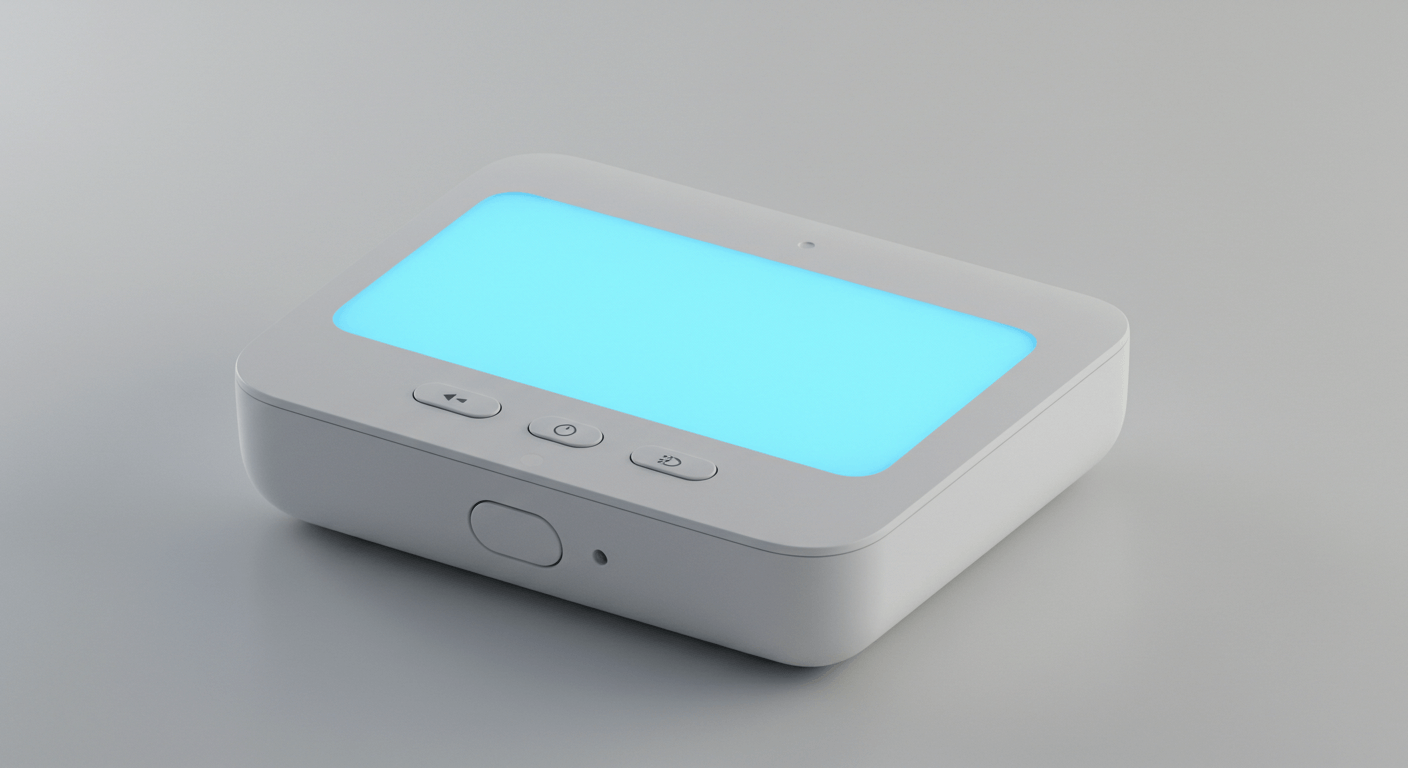
As blue light treatment gains popularity, more and more equipment for use at home is becoming accessible. These devices, which range from portable acne treatment wands to light therapy lamps, offer cost and ease of use. However, it’s crucial to understand what distinguishes a useful gadget from one that offers little to no advantage before making an investment.
Your key priorities should be clinical support and FDA approval. Regulatory bodies typically test devices to ensure they are safe and effective. Make sure the product has medical-grade LED output at all times, particularly if you’re using it for light therapy, acne treatment, or skin rejuvenation.
Wavelength and intensity of light are also important. The wavelengths used in blue light treatment are usually between 400 and 470 nanometers. A gadget might not offer the same advantages as those observed in clinical trials if it is outside of this range. These characteristics are frequently listed in detail in higher-quality items.
Take into account the coverage area and design of skincare-focused gadgets. Full-face masks can effectively treat bigger regions, while handheld devices are great for spot treatments. For safe everyday usage, look for features like UV-free light, timer settings, and adjustable brightness in mood or energy regulation lamps.
Maintenance and usability are also important considerations. Some gadgets need new lights, particular cleaning techniques, or frequent charging. Choose one that blends in seamlessly with your daily routine without causing additional stress.
Lastly, your choice should be based on cost against value. Although less expensive gadgets might look good, they frequently don’t have the strength or quality required to produce results. Long-term efficacy and peace of mind are guaranteed when you invest in a reputable company with good client feedback and warranty coverage. To maximize the benefits of blue light treatment, selecting the appropriate device requires striking a balance between performance, safety, and convenience.
Conclusion
In skincare and wellness regimens, blue light therapy has gained a strong reputation. According to research, when used properly, some blue light wavelengths can enhance emotional balance, control circadian rhythm, and even lessen bacteria that cause acne. Although it is not a panacea, the mounting data emphasizes its potential as a non-invasive, drug-free solution for anyone seeking to enhance their general health or skin health.
Nevertheless, consistency, device quality, and appropriate use are necessary for effectiveness. Selecting a blue light device that has FDA approval and clinical support is crucial because not all blue light items on the market produce the same outcomes. The advantages of blue light treatment are increased when it is combined with healthy practices, including stress reduction, appropriate skincare, and restful sleep.
Professional treatments at a dermatologist’s office could be the best option for some people. Others find that at-home gadgets are more affordable and offer accessibility and convenience. The choice ultimately boils down to your comfort level, financial constraints, and objectives. In summary, when used properly and with reasonable expectations, blue lights can be effective. You may safely determine if this therapy is the best option for you by learning how they operate and selecting the appropriate resources.