

As more individuals spend more time sitting at desks, using computers, or scrolling through mobile devices, poor posture has emerged as one of the most prevalent health issues of the modern era. These days, shoulder pain, neck stiffness, and back pain are common problems, and many people are looking for easy fixes. The posture corrector is one item that has attracted a lot of interest lately. These devices, which promise improved alignment and healthier behaviors, are marketed as a simple solution to relieve discomfort and straighten your back. However, the crucial question still stands: are posture correctors effective?
From basic braces and straps to sophisticated smart devices that deliver alerts when you slouch, posture correctors come in a variety of shapes. They are intended to support, promote healthy spinal alignment, and gradually teach the body to maintain better posture. Given their increasing appeal, particularly among students, office professionals, and fitness enthusiasts, it’s reasonable to question whether they live up to the promise or are just another wellness fad.
This tutorial examines the operation of posture correctors, their possible advantages, and the drawbacks that users should be mindful of. We’ll examine the opinions of medical and scientific professionals regarding their efficacy, talk about potential hazards, and present substitutes that might be more beneficial in the long run. It’s critical to comprehend how these gadgets fit into a larger health strategy, regardless of whether you’re trying to enhance your general posture, recover from an injury, or manage chronic back pain. After reading this article, you will have a comprehensive understanding of whether investing in a posture corrector is worthwhile, how to use one, and how to naturally and successfully improve your posture.
Why Good Posture Matters
Standing upright is only one aspect of good posture; it is essential to general health and wellbeing. The body moves more effectively when the spine is properly aligned because it puts less needless strain on the muscles, ligaments, and joints. Poor posture can cause discomfort, stiffness, and even long-term injury by placing additional strain on the neck and back during routine tasks like walking, sitting, and lifting.
Reducing chronic pain is one of the main advantages of proper posture. Long-term slouching or hunching over frequently results in tension headaches, stiff shoulders, and back pain. By distributing body weight evenly, maintaining appropriate alignment relieves strain on the spine and supporting muscles. This can eventually stop common problems like nerve compression, joint deterioration, and herniated discs.
Breathing and circulation are also affected by posture. Deep breathing becomes more difficult when slouching compresses the chest, reducing lung capacity. This can impact energy levels throughout the day and reduce oxygen intake. In a similar vein, proper posture promotes improved blood flow, which makes it possible for nutrients and oxygen to more effectively reach muscles and organs.
Posture directly affects mental health in addition to physical health. According to studies, sitting or standing up straight can lower stress, elevate mood, and increase confidence. A firm, open posture also promotes improved focus and productivity, especially for persons who spend long hours working at a desk.
Posture has a much greater impact than looks. It has a direct bearing on energy, mental clarity, pain management, and general quality of life. Knowing the importance of posture makes it easier to see why devices like posture correctors are frequently taken into consideration and why making an investment in better posture is a step toward long-term health.
How Posture Correctors Work
In order to help the body naturally adopt a healthy alignment, posture correctors are made to support the shoulders and spine. These devices serve as a training aid, gradually directing muscles and joints into their correct positions rather than serving as a long-term fix. They serve as a reminder to wearers to sit and stand properly, which can ease neck and back discomfort and promote improved posture.
The majority of posture correctors pull the shoulders back and align them with the spine using braces or adjustable straps. This promotes an upright posture and avoids slouching. Certain designs focus on particular regions, including full back supports for more severe alignment problems or upper back braces for rounded shoulders. These days, they are more comfortable to wear under clothes while going about daily tasks because they are made of lightweight, breathable materials.
Muscle retraining is the primary objective of posture correctors. Weak back and core muscles that are unable to properly support the body are frequently the cause of poor posture. Wearing a corrector strengthens these muscles over time while providing the body with external assistance. The wearer gradually develops a greater awareness of their posture and starts to sustain improved alignment on their own without the aid of the gadget.
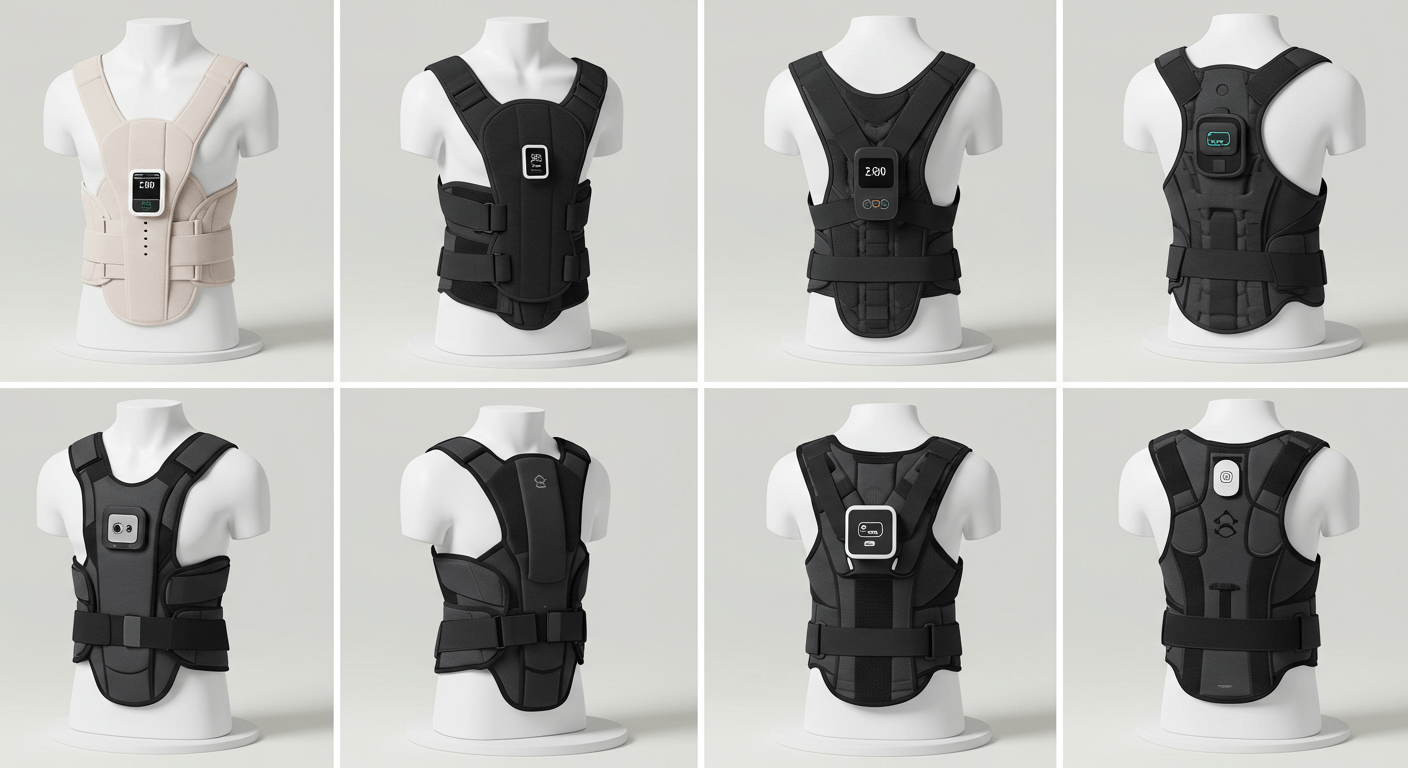
Smart technology is also used by some posture correctors, which vibrate subtly when the user slouches. An additional layer of awareness is added, and long-standing bad postural habits are broken. Although there is no one-size-fits-all solution, posture correctors offer people who have alignment issues instant feedback and assistance. They are most effective when used in conjunction with strengthening exercises, stretching, and ergonomic modifications at home or at work. Posture correctors can be a useful tool for enhancing posture and lessening discomfort brought on by improper alignment because they act as a reminder and a support.
Advantages of Posture Corrector Use
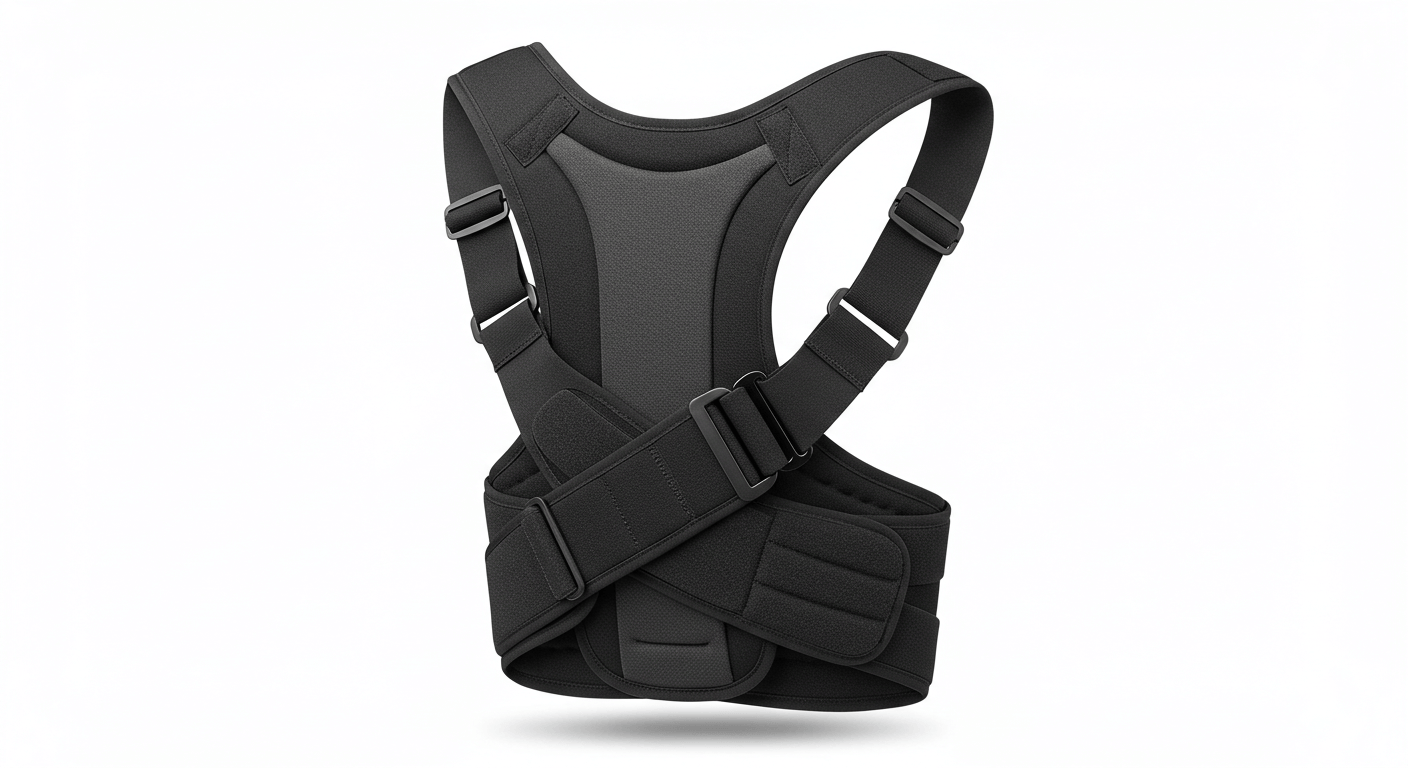
For people who suffer from back pain, slouching, or prolonged sitting, posture correctors provide a number of advantages. Better spinal alignment is among the most obvious benefits. These devices lessen the pressure on muscles and joints by supporting the upper body and drawing the shoulders back. This lessens pain in the lower back, shoulders, and neck, all of which are frequently trouble spots connected to bad posture.
Muscle retraining is another important advantage. Consistent usage of posture correctors aids in the body’s memory of the ideal position. Wearers gradually strengthen their back and core muscles, which promote natural alignment even when they are not wearing the device. Because of this sustained muscular activation, posture correctors are more useful as a training aid than a temporary solution.
Additionally, posture correctors can improve attractiveness and confidence. In addition to making you appear more professional, standing taller and having your shoulders open can also increase your self-esteem. Many people discover that they look more focused, energized, and personable when they have better posture.
Posture correctors are useful reminders for people who spend a lot of time on computers or at workstations. They lessen the chance of acquiring chronic pain or repetitive strain problems by mitigating the negative consequences of extended sitting. Some smart posture correctors even contain vibration notifications, delivering moderate nudges to correct slouching in real time.
Better posture also facilitates better circulation and breathing. The lungs have greater space to expand when the shoulders are correctly positioned and the chest is open. Deeper breathing, more oxygen intake, and improved energy levels all day long can result from this.
Although posture correctors are most effective when used in conjunction with exercise and ergonomic modifications, they offer a convenient and approachable means of forming healthy routines. For many people, the benefits extend beyond physical relaxation to better confidence and enhanced daily performance.
Drawbacks and Limitations of Posture Correctors
While posture correctors offer notable benefits, they also come with various drawbacks and restrictions that should be considered before relying on them as a long-term solution. The potential of muscle reliance is one of the primary issues. Overuse of the device might cause the body to become dependent on it for support rather than actively using the muscles required to maintain proper posture. Over time, this may result in weaker back and core muscles.
The discomfort that comes with prolonged use is another disadvantage. Certain posture correctors, particularly rigid types, can make the shoulders and underarms feel constrictive or even chafe. Because of this, wearing them for extended periods of time is challenging, especially in warm weather or when exercising. These problems may intensify if you choose the incorrect size or fit.
Additionally, posture correctors are not very helpful when used alone. They work best when combined with other posture-improvement techniques, including stretching, strengthening, and ergonomic modifications. Relying exclusively on a corrector without addressing underlying problems, such as inadequate workstation arrangement or prolonged sitting, may not lead to lasting results.
Cost may also play a role. Cheaper solutions might not be as comfortable or long-lasting as high-quality posture correctors with extra features like smart sensors. For some users, the aesthetic component is also important. In social or professional contexts, wearing a large posture corrector underneath clothing may feel awkward or conspicuous.
Finally, posture correctors are not ideal for everyone. Instead of using over-the-counter equipment, those with specific medical issues, like severe scoliosis or spinal injuries, may need expert therapy. It is always advised to speak with a healthcare provider before using.
To put it briefly, posture correctors are not a panacea, but they can be helpful tools. Their drawbacks emphasize the significance of balance—using them as a short-term solution while concentrating on workouts and lifestyle modifications for long-term posture improvement.
Conclusion
Are posture correctors effective, then? Yes, but there are restrictions. These gadgets can offer beneficial assistance, gentle reminders, and temporary alleviation of bad posture habits, back strain, and slouching. Many people find that posture correctors are a useful training tool for increasing awareness of body alignment, especially those who spend a lot of time at desks or in front of screens.
It’s crucial to realize, though, that posture correctors are not a universally applicable remedy. The long-term advantages of building muscle, increasing flexibility, and adopting an ergonomic lifestyle cannot be replaced by them, even though they can help your body position itself better. Consider them a stopgap measure, similar to a brace, rather than a long-term solution.
How you use them is the key to success. In addition to posture-focused workouts like yoga, stretching, or strength training, wearing a posture corrector for brief, regular periods of time might eventually produce substantial benefits. However, excessive usage or dependence that doesn’t address underlying patterns might reduce their efficacy and perhaps cause muscle weakening.
Selecting the appropriate kind of posture corrector for your needs is an additional consideration. There are solutions for every lifestyle on the market, ranging from stiff braces to lightweight straps and even smart devices with posture sensors. Usability, fit, and comfort are important factors in guaranteeing regular use.
Posture correctors do work, but best when accompanied with healthy behaviours, suitable ergonomics, and an active approach to posture correction. They are instruments, not remedies. When done properly, they can serve as a springboard for improved posture awareness, less discomfort, and stronger muscles. Anyone thinking about getting one should get advice from a specialist and incorporate it into a larger strategy for long-term spinal health.