

Dental veneers are one of the most often used cosmetic dentistry procedures to give patients the bright, self-assured smile that many people aspire to. Veneers are being used by celebrities, experts, and regular people to correct flaws like gaps, chipping, stains, and uneven teeth. Although the outcomes are frequently striking, the increasing demand has also raised a crucial query: are veneers actually safe?
Veneers are thin shells that are glued to the front surface of teeth to enhance their appearance. They are typically composed of composite or porcelain materials. Unlike real enamel, they are made to seem natural, last for many years, and be more stain-resistant. Veneers provide a long-term remedy for cosmetic issues as well as an immediate confidence boost for many patients. Veneers do have certain possible hazards and considerations, though, just like any other dental operation.
The preparation procedure, which typically calls for the removal of a tiny amount of enamel, is frequently the focus of safety concerns. This process is irrevocable because enamel does not regenerate, and if it is not done carefully, it may cause sensitivity. The durability of veneers, their potential to harm natural teeth, and the type of upkeep needed to keep them in good shape are further concerns.
In actuality, veneers can be a safe and useful choice if they are applied by a skilled cosmetic dentist and the patient is a qualified candidate. Prior to selecting a decision, it is crucial to comprehend both the advantages and potential disadvantages. This blog will go into great detail on veneer safety, including the dangers, who might not be a good candidate, and how to reduce problems while still getting the ideal smile.
What Are Veneers?
Veneers are thin, precisely crafted shells that are used to cover teeth’s front surfaces to enhance their appearance. They can fix a variety of common dental flaws, such as discolouration, chipping, cracks, or tiny spaces between teeth, and are most frequently employed in cosmetic dentistry to produce a brighter, more consistent smile. Veneers instantly give teeth a natural-looking makeover by bonding these shells to the teeth. With the right maintenance, veneers can last for many years.
Veneers come in a variety of forms, each with special advantages. Because of their longevity, stain resistance, and lifelike appearance that closely resembles natural enamel, porcelain veneers are the most widely used choice. Another option that is typically less expensive is composite veneers, which are constructed of resin. They could be more prone to discolouration and have a shorter lifespan than porcelain. Because they are thought to be a less intrusive option and need little to no enamel removal, “no-prep” veneers have also grown in favour in recent years.
Usually, the application procedure entails a consultation, teeth preparation, and veneer bonding. In order for the veneers to fit properly and appear natural, a thin layer of enamel must typically be removed to create room for them. Dental cement is used to permanently glue the veneers to the teeth once they have been custom-crafted.
Veneers are mostly used for cosmetic purposes, although their effects extend beyond appearances. They can help people feel more at ease with their smiles, boost self-esteem, and regain confidence. Before beginning treatment, it is crucial to comprehend the advantages and disadvantages because the procedure entails changing natural teeth.
Benefits Of Veneers
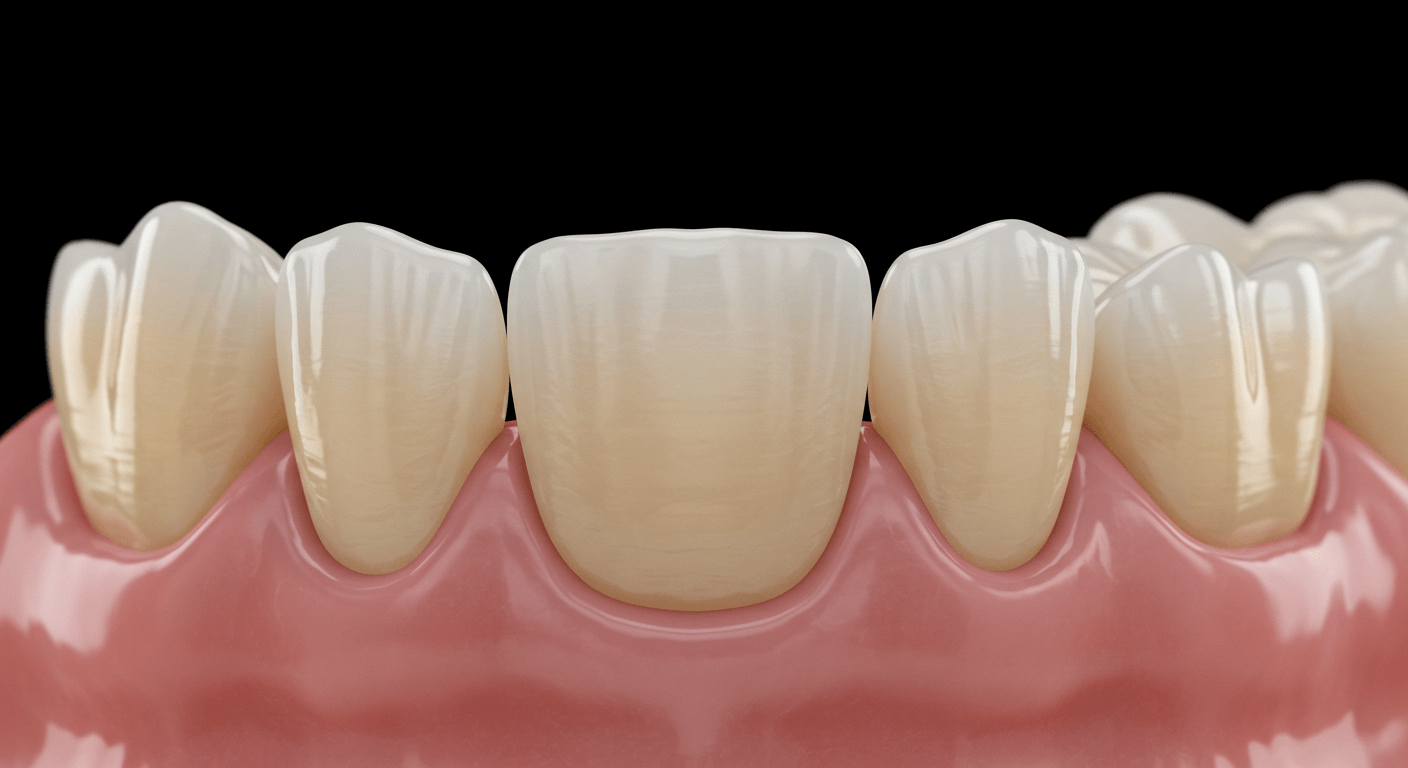
Veneers provide many people with a simple and efficient solution to significantly improve the appearance of their smile. Their capacity to enhance aesthetics virtually immediately is one of their biggest benefits. Veneers can be used to cover up stubborn stains that don’t go away with whitening procedures, making teeth appear whiter and more consistent. In order to create a more symmetrical and appealing smile, they can also fix minor misalignments, small gaps, and chipped or broken teeth.
The durability of veneers is yet another important advantage. In particular, porcelain veneers are renowned for their durability and strength; with the right maintenance, they can last for ten to fifteen years or longer. Additionally, they don’t become stained by frequent culprits like wine, tea, and coffee, which helps them keep their look over time. Veneers require less upkeep to maintain their color and finish than genuine enamel, which can fade or discolour.
Veneers have advantages for the mind in addition to the body. Following veneer placement, many patients report feeling more confident and at ease speaking, smiling, and socializing in social and professional contexts. The change has the potential to change people’s lives by making them feel more confident and good about the way they look.
Last but not least, veneers are expertly crafted to mix in perfectly with natural teeth, guaranteeing outcomes that appear authentic rather than synthetic. Since each veneer is made to resemble the surrounding teeth in size, shape, and color, they are nearly identical to the original. Because veneers combine durability, cosmetic enhancement, and results that look natural, they are a very good option for anyone wishing to improve their smile.
Possible Hazards and Adverse Effects
Veneers have some hazards and side effects that patients should carefully consider before getting treatment, even though they are generally considered a safe and effective cosmetic dental remedy. Tooth sensitivity is one of the most prevalent issues. Teeth may become more sensitive to hot and cold foods or beverages since the preparation procedure often removes a little amount of enamel. Over time, this sensitivity usually gets better, but occasionally it might not go away.
The procedure’s irreversible nature is another crucial consideration. Veneers are a lifelong commitment since enamel cannot be replaced once it has been removed. A veneer must be replaced if it wears out or gets damaged, which might result in years of upkeep and additional expenses.
Additionally, veneers have the potential to chip, crack, or loosen, especially if appropriate maintenance is neglected. The lifespan of veneers can be shortened by habits like grinding teeth, biting fingernails, and chewing on ice. Compared to porcelain veneers, composite veneers are particularly prone to wear and discoloration, while being less expensive.
As the mouth acclimates to the new veneers, some patients may suffer discomfort or irritation of the gums soon after the treatment. If gaps are left between the veneer and the original tooth, poorly fitted veneers may potentially cause issues with bite alignment or lead to plaque accumulation.
Lastly, it’s critical to recognize the financial component. Veneers are a major expense because they are regarded as a cosmetic procedure and are rarely covered by insurance. Patients are better able to make decisions when they are aware of these hazards. Many of these negative effects can be reduced with careful preparation, expert application, and healthy dental hygiene practices, making veneers a gratifying and safe choice.
Are Veneers Safe for Your Teeth?
One of the most frequent worries of people thinking about getting veneers is their safety. The good news is that, when done by a skilled and knowledgeable cosmetic dentist, veneers are usually safe. As long as the patient is a good candidate and the treatment is performed correctly, they are expected to improve tooth appearance without endangering oral health.
Veneers are regarded as safe in part because the procedure entails meticulous preparation and personalization. Before prescribing veneers, dentists assess the condition of your teeth and gums to make sure the base is sturdy enough to hold them in place. The tiny quantity of enamel that is removed from healthy teeth does not present long-term harm. Porcelain veneers are actually biocompatible, which means that they are safe for the tissues around them and are not likely to irritate or trigger allergic reactions.
But there are obligations associated with the process. Veneers need a lifetime commitment and good care because enamel removal is irreversible. Neglect or poor oral care can cause problems like decay or gum disease surrounding the veneers, which can harm the restoration as well as the original teeth underneath. For this reason, dentists stress the value of routine examinations, brushing, and flossing. Veneers offer most patients a long-term, secure solution in addition to improving appearance. Usually, issues occur when veneers are administered by unskilled professionals, placed on unhealthy teeth, or not well-maintained.
Veneers are safe for teeth as long as they are made from premium materials, applied to the appropriate individuals, and maintained with regular dental care. Veneers can provide both safety and beautiful outcomes with expert advice and appropriate behavior.
Who Must Steer Clear of Veneers?
Veneers are not appropriate for everyone; they are a safe and efficient cosmetic option for many. In the long run, veneers may become less effective or even problematic due to specific dental problems, habits, or expectations. Making the best choice for your oral health requires knowing who should not have veneers.
Veneers shouldn’t be applied to patients who have untreated tooth decay or active gum disease until these conditions are resolved. Because veneers need a strong, healthy base, applying them to teeth or gums that aren’t in good condition can result in additional issues like infection or veneer failure. Likewise, people who have severe tooth structure loss or thin enamel might not be suitable candidates. Inadequate enamel can lessen the longevity and efficacy because veneers depend on enamel for bonding.
Those who clench or grind their teeth (a condition known as bruxism) are another category that should proceed with caution. Veneers may prematurely chip, break, or loosen as a result of the strain from grinding. In these situations, dentists could advise using a nightguard or looking into other options.
Additionally, veneers are not the best option for anyone looking for a short-term or permanent fix. Patients must be prepared for a lifetime commitment to veneers and possible replacements in the future because the operation frequently entails permanent enamel removal.
Lastly, people may be let down if they have irrational expectations about what veneers can accomplish. Veneers can improve a smile’s appearance, but they are unable to address underlying orthodontic or structural problems. Braces or aligners could be a better option for issues like extreme misalignment.
People who have healthy teeth and gums, reasonable goals, and a dedication to long-term care are the ideal candidates for veneers. Alternative restorative or cosmetic procedures might be a safer and more sensible option for others.
Conclusion
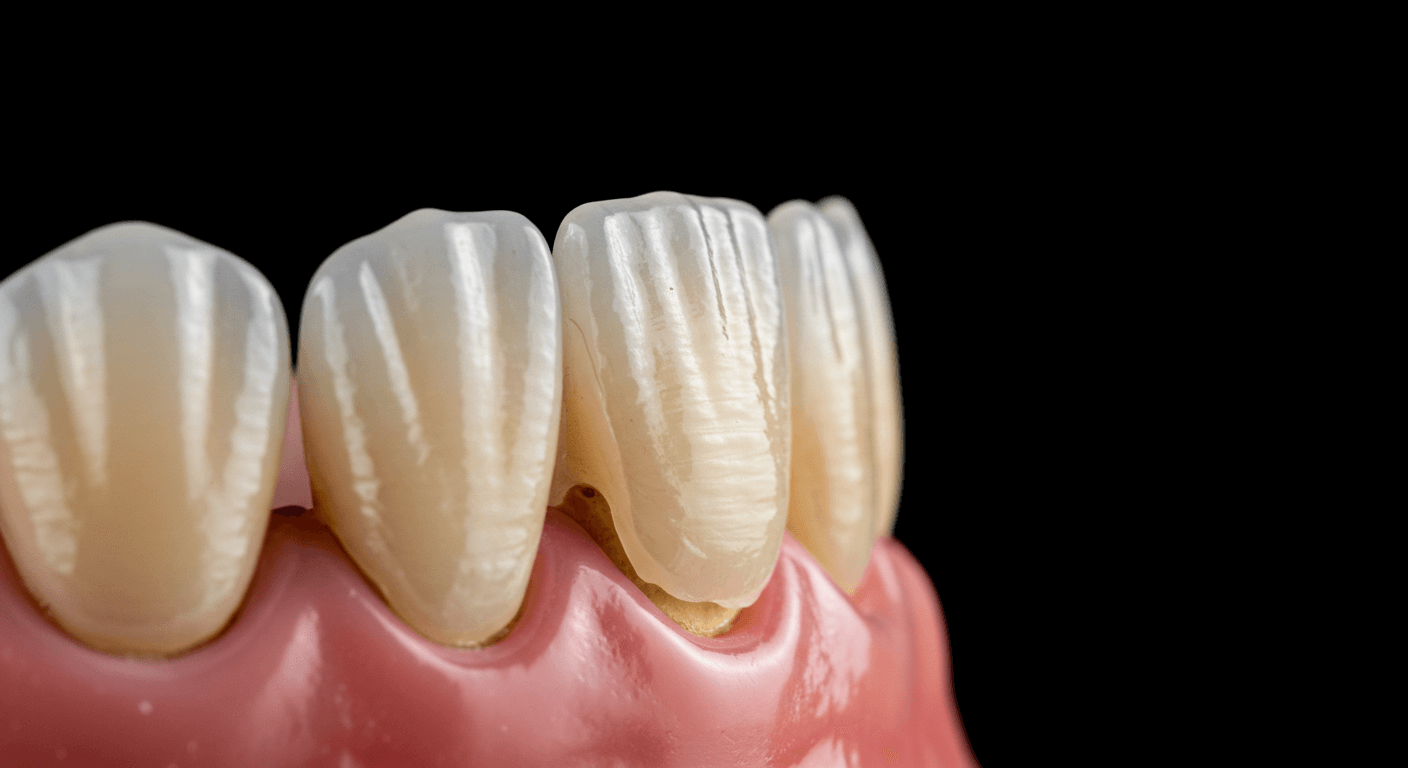
One of the most common cosmetic dentistry procedures nowadays is veneers, which provide a long-lasting solution for a bright, symmetrical smile. Veneers are normally safe and very effective when administered by a qualified specialist and kept up with the right care. As long as the patient has healthy teeth and gums prior to starting treatment, they can improve their appearance without sacrificing oral health.
Veneers do have some considerations, though. A tiny portion of enamel is removed during the surgery, making it an irreversible commitment. Additionally, patients need to be aware of the hazards, which include gum irritation, veneer deterioration, and tooth sensitivity, especially if bad habits like grinding are not treated or dental hygiene is disregarded. Making an informed choice requires an understanding of these aspects.
For many, the advantages of veneers, like increased self-esteem, a smile that looks natural, and longevity, far outweigh the disadvantages. However, not everyone is a good candidate for veneers. Alternative treatments might be beneficial for people with active dental problems, poor enamel, or irrational expectations.
Veneer safety is dependent on appropriate assessment, cautious application, and regular upkeep. Veneers can last as long as possible if you choose a skilled cosmetic dentist, take proper care of them every day, and shield them from needless harm. For individuals who are committed to long-term oral health and are ready for the commitment, veneers are a safe and fulfilling solution. Veneers can change a smile while maintaining strong, healthy teeth for many years to come if the advantages are balanced against the possible concerns and competent advice is followed.