

It takes more than just a comfy mattress to get a decent night’s sleep. The way your neck, shoulders, and spine remain in alignment as you sleep is greatly influenced by the pillow you use. Making the incorrect pillow choice can cause stiffness in the morning, insomnia, and even chronic pain. Conversely, the ideal cushion eases pressure spots, promotes natural posture, and helps you wake up feeling rejuvenated.
Your preferred sleeping posture is one of the most crucial considerations when choosing the ideal pillow. The kind of support your body needs depends on how you sleep at night, whether you’re a stomach, side, or back sleeper. Simply because different people have varied sleeping habits, a pillow that is comfortable for one may be uncomfortable for another. Making a better decision starts with knowing how your sleeping position impacts your body.
A medium-loft cushion that softly supports the neck without forcing the head forward is generally beneficial for back sleepers. In order to maintain a straight spine and avoid shoulder discomfort, side sleepers usually require a firmer, higher-loft pillow. To prevent abnormal neck bending, stomach sleepers, on the other hand, typically need a softer, thinner pillow—or perhaps none at all. By matching your pillow to your preferred sleeping position, you can avoid needless strain and preserve good alignment.
Material is important as well. Each of the following fill has special advantages in terms of firmness, breathability, and contouring: memory foam, latex, down, and hybrid. Overall comfort can be greatly improved by features including ergonomic designs, cooling textiles, and adjustable loft. With so many choices, it’s critical to concentrate on the one that best suits your desired position and comfort requirements.
The finest pillows for each sleeping position will be discussed in this book, along with how to determine if a pillow is good for you and other aspects that can enhance the quality of your sleep. You may lessen discomfort, enhance posture, and get deeper, more restorative sleep by knowing how to select the best pillow for your sleeping preferences.
Why Your Sleeping Position Matters
Your neck, spine, and general body alignment are all directly impacted by the way you sleep. How your joints and muscles are compressed when you sleep has an impact on how well-rested and pain-free you feel in the morning. Selecting a pillow without taking into account how you sleep can eventually result in headaches, stiffness, and even chronic discomfort.
The body is subjected to varying challenges in each position. Side sleepers need adequate loft to bridge the space between the head and shoulder, while back sleepers need support that preserves the spine’s natural curve. In contrast, those who sleep on their stomachs require a tiny, soft pillow to keep their necks from twisting into an uncomfortable position. The spine may become misaligned if the proper pillow is not used, which raises the possibility of joint and muscle strain.
In addition to being uncomfortable, improper alignment during sleep can impair breathing and lower the quality of your sleep. A cushion that fits your posture promotes healthy circulation, keeps airways open, and lessens nighttime tossing and turning. Despite getting a full night’s sleep, receiving the right support can mean the difference between feeling exhausted and waking up with energy.
The length of time a pillow remains useful is also influenced by how you sleep. Materials may compress unevenly if the wrong pillow is used, increasing wear and decreasing support. Selecting a pillow made for your position prolongs the product’s life and enhances evening comfort.
Better sleep starts with knowing why sleeping posture matters. It is easier to wake up feeling rejuvenated and prepared for the day when your pillow supports your posture, improves overall sleep quality, and supports spinal health.
Best Pillows for Each Sleeping Position
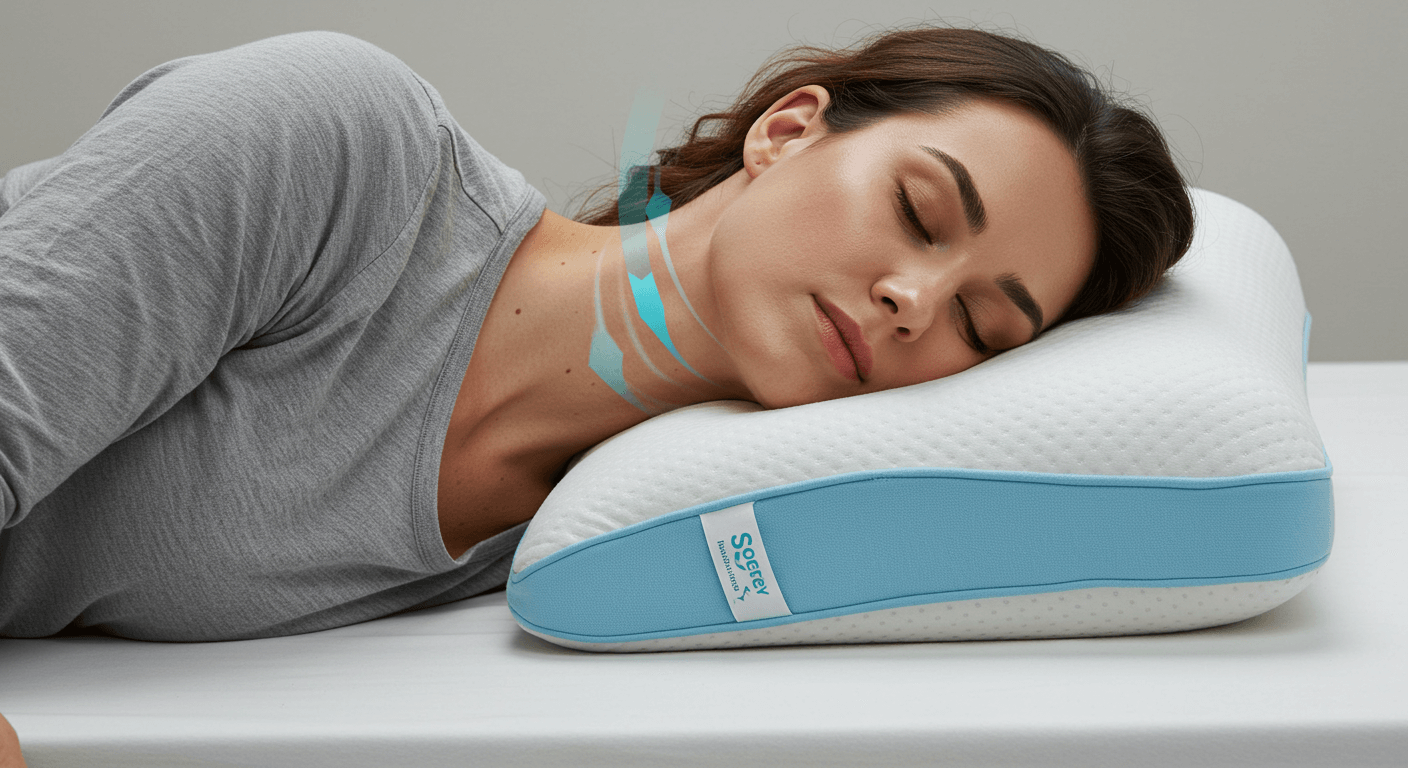
Your sleeping position has a big impact on the pillow you choose. Selecting the ideal pillow is crucial for long-term comfort and sound sleep because each position calls for a different kind of support to maintain your spine in alignment and lessen pressure spots.
Back Sleepers
A pillow with a medium loft is perfect for people who sleep on their backs. Without forcing the head too far forward or allowing it to slip backwards, it should support the neck’s natural curve. Because they conform to the neck and offer steady support, memory foam and latex pillows are great choices. Contoured pillows made especially for back sleepers lessen neck pain and preserve spinal alignment. Finding the ideal height is crucial because a cushion that is excessively thick or flat might lead to tension.
Side Sleepers
In order to maintain a straight spine, side sleepers usually require a firmer, higher-loft pillow to occupy the space between the head and shoulder. Shredded memory foam or latex pillows are common because they can be changed for loft and stiffness. Reinforced-edged gusseted pillows maintain their shape effectively, offering steady support all night long. A pillow that keeps the head from tilting downward, which can result in shoulder and neck pain, is beneficial for side sleepers.
Stomach Sleepers
Since the neck is most strained when sleeping on the stomach, it is normally better to use a thin, soft pillow, or occasionally none at all. By reducing abnormal neck bending, a low-loft pillow helps avoid stiffness. Soft memory foam or down pillows are popular options because they provide soft comfort without adding bulk. Ultra-thin pillows or specific designs that promote a more neutral neck position are preferred by some stomach sleepers.
In addition to increasing comfort, matching the pillow to your preferred sleeping position also helps to improve spinal alignment and lowers the chance of aches and pains. One easy step to better, more restful sleep is to choose a pillow that fits your position.
Other Factors to Consider when choosing the right pillow
Sleeping position is only one factor to consider while choosing the ideal pillow. Comfort, support, and durability are also influenced by a number of other significant aspects. The quality of your sleep and the longevity of your pillow can both be greatly improved by paying attention to these.
Fill & Material
The firmness, breathability, and general feel of the cushion are all influenced by the fill material. Memory foam, latex, down, and hybrid blends are popular choices. Memory foam provides superior contouring and pressure reduction by conforming tightly to your head and neck. While latex pillows provide comparable support, they are typically more breathable and durable. Although down pillows are lightweight and fluffy, they might not provide enough strong support; thus, they are best suited for people who love plushness or who sleep on their stomachs. Multiple materials are combined in hybrid pillows to provide a combination of support and comfort.
Pillow Shape & Design
There are several different types of pillows, including gusseted, contoured, and traditional. Ideal for side and back sleepers, contoured pillows have ergonomic contours that support the neck and encourage spinal alignment. Reinforced edges give gusseted pillows their loft and shape during the course of the night. Adjustable pillows assist customers in discovering the ideal height for their bodies by allowing stuffing to be added or removed to alter loft and firmness.
Firmness Level
Sleep position and individual comfort determine the ideal stiffness. In order to bridge the shoulder gap, side sleepers often require firmer pillows; back sleepers benefit from medium hardness; and stomach sleepers favor softer, thinner pillows. Selecting a pillow that strikes a balance between softness and hardness guarantees pain-free neck and spine support.
Breathability & Cooling Features
Hot sleep might interfere with sleep. Airflow and temperature control are facilitated by pillows with breathable covers, memory foam filled with gel, or natural materials like latex and buckwheat hulls. By preventing heat accumulation, cooling elements contribute to a comfortable sleeping environment.
Durability & Maintenance
Long-lasting comfort is ensured by purchasing a sturdy cushion with washable coverings and simple maintenance options. Better value and long-term neck health are provided by pillows that maintain their support and shape over time. You may select a pillow that supports your body and improves your overall sleep experience by taking these variables into account in addition to your preferred sleeping position.
How to Test if a Pillow is Right for You
It’s a personal journey to find the ideal pillow, and thorough testing can guarantee that it fulfils your particular requirements. You can reduce discomfort and enhance the quality of your sleep by learning how to assess a pillow before making a purchase.
Check Spinal Alignment
Observe the sensation of your neck and spine while lying down in your typical sleeping position. A decent cushion should retain the natural curve of your neck and keep it in line with the rest of your spine. The head shouldn’t be tilted backwards or pushed forward for back sleepers. In order to maintain a straight spine, side sleepers use a pillow to bridge the space between their head and shoulder. The pillow might not be the correct fit if it seems too high or low, or if your neck feels stretched.
Test Support and Comfort
Support is essential, but comfort is a personal experience. While a pillow that is too firm can result in pressure spots, one that is too soft may not offer adequate support. To determine the firmness and loft of the pillow, try pressing it with your hand. Think about how your head feels when you rest it. Does it support and cushion your neck? Some pillows have lofts that can be adjusted, so you can change the stuffing until it fits perfectly.
Trial Time and Return Guidelines
These days, a lot of pillow manufacturers provide trial periods that let you try the cushion for a few weeks. Given that it could take some time for your body to adapt, this can be really beneficial. Before making a purchase, review the return and exchange rules so that you may make adjustments if the pillow doesn’t fit.
Signs It’s Time to Replace Your Pillow
The greatest pillows eventually wear out. It’s probably time for a new one if you see lumps, lose support, or wake up with a neck ache. Maintaining comfort and spinal health requires routinely evaluating the state of your pillow. A better night’s sleep and long-term comfort can be ensured by thoroughly testing a pillow and monitoring how your body reacts.
Expert Tips for Better Sleep Posture
Selecting the correct pillow is only one aspect of improving sleep posture. You can improve spinal alignment, lessen discomfort, and encourage deeper, more restful sleep by making minor changes to your sleeping routine and surroundings.
Select the Proper Pillow to Go with Your Mattress
In order to support your body while you sleep, your mattress is essential. Even if you have the ideal cushion, a mattress that is overly hard or too soft might cause spinal alignment issues. Select a mattress that complements your favorite pillow type and accommodates your natural curves. This combination produces a well-balanced sleeping surface that promotes healthy posture and lessens pressure spots.
Use Body Pillows or Wedges for Extra Support
Hugging a body pillow can assist side sleepers in maintaining spinal alignment by keeping the upper shoulder from rolling forward. Back sleepers who want a little elevation to lessen breathing problems or acid reflux might also benefit from wedge pillows. By keeping your spine in a neutral position throughout the night, these devices can increase comfort.
Adjust Sleeping Positions Gradually
Change your sleeping position gradually if you wish to lessen pain or discomfort. For instance, side sleepers can use a tiny pillow between their knees to keep their hips in alignment, while back sleepers can try placing a pillow beneath their knees to reduce lower back discomfort. These small adjustments can facilitate the shift and encourage better posture.
Keep Your Head and Neck in Neutral Alignment
Multiple pillows layered on top of one another should be avoided, as this can cause an abnormal neck bend. Keeping your head in line with your spine, not cocked upward or downward, is the aim. This neutral posture can be maintained with the aid of ergonomic pillows made to support the neck.
Maintain Consistent Sleep Hygiene
Consistent nighttime habits, cozy sleeping spaces, and reducing distractions all promote good sleep posture. Creating a calm environment and cutting down on screen time before bed improves the quality of your sleep overall. By using these professional suggestions along with the appropriate pillow, you can greatly improve your sleeping posture and lessen aches and pains.
Conclusion
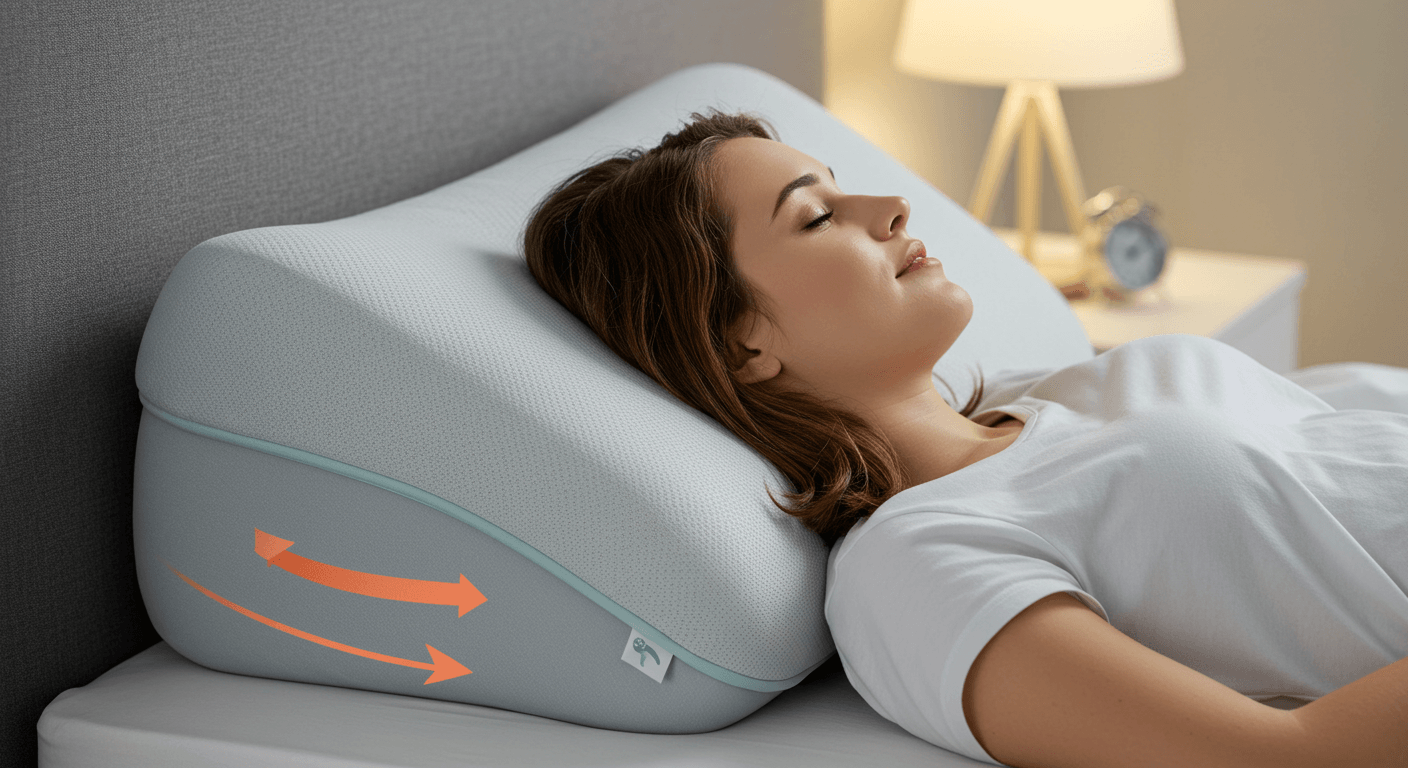
Achieving pain-free, restful sleep requires selecting the appropriate pillow for your sleeping posture. Supporting your natural posture with a pillow lowers shoulder and neck strain, improves overall sleep quality, and helps preserve healthy spinal alignment. Choosing a pillow with the proper loft, firmness, and material for your position is crucial, regardless of whether you sleep on your stomach, side, or back.
Keep in mind that side sleepers want harder, higher-loft pillows, stomach sleepers should select thinner, softer pillows, or go pillow-free, and back sleepers benefit from medium-loft, contoured pillows. In addition to position, other elements that affect comfort and durability include pillow shape, fill material, breathability, and flexibility.
Prior to making a commitment, it is essential to test a pillow for comfort and spinal alignment. To make sure the pillow meets your sleep demands, make the most of trial periods and observe how your body reacts. A comfortable mattress, proper sleep posture, and the correct pillow all work together to create the perfect setting for rejuvenating sleep.
By taking the time to select the ideal pillow, you can avoid pain, enhance the quality of your sleep, and awaken feeling rejuvenated. To find the ideal fit that supports long-term neck health and greater sleep every night, look into pillows made for your particular sleeping style.