

Any bathroom must have a personal shower filter, but it’s especially important for people who wish to protect their skin and hair from harsh chemicals and enhance the quality of their water. These small devices fit straight into your showerhead and remove sediments, heavy metals, chlorine, and other impurities that are frequently present in tap water. Regular cleaning and maintenance are essential since these filters can acquire particles over time and lose their efficiency.
Keeping the shower filter clean prolongs the filter’s lifespan and guarantees consistently cleaner, healthier water. Water pressure may drop, and a filter’s capacity to filter out dangerous materials may be compromised when it gets clogged or unclean. Dry skin, discomfort, and even hair damage may result from this. You can get the most out of your personal shower filter and enhance your everyday showering experience by devoting a little effort to proper maintenance.
The frequency of cleaning or replacing shower filters is commonly underestimated by users. A regular cleaning plan is crucial, even though the precise period varies depending on variables like filter type and water quality. By doing this, accumulation that could host bacteria and lower filtration performance is avoided. To maintain optimum performance, some filter cartridges must also be changed on a regular basis.
You may efficiently clean and maintain your personal shower filter by following the easy procedures outlined in this article. This article covers everything you need to keep your shower water safe and fresh, from spotting the warning signals that your filter needs to be cleaned to providing detailed cleaning techniques and maintenance advice. Knowing how to take care of your filter will save money and provide you with peace of mind, regardless of whether you’re new to personal shower filters or searching for best practices.
A longer-lasting bathroom setup is also facilitated by routine maintenance, which shields your shower and plumbing fixtures from corrosion and silt accumulation. Additionally, by lowering exposure to pollutants like chlorine that can harm skin and lung health, utilizing a clean filter promotes a healthier lifestyle.
You can make sure your personal shower filter keeps providing clean, refreshing water with each shower by using the tips in this post, which will improve the enjoyment and usefulness of your daily routine. In order to preserve the highest possible level of water purity throughout the year, let’s examine how to clean and maintain your shower filter.
Understanding Your Personal Shower Filter
The purpose of a personal shower filter is to enhance the quality of the water you use on a daily basis. Chlorine, heavy metals, sediments, and other contaminants that might harm your skin, hair, and general health are frequently found in tap water. Your showers will be safer and more enjoyable if you install a shower filter to cut down on these pollutants.
Understanding the differences between the many kinds of personal shower filters will help you maintain them correctly. Although they may need to be replaced more frequently in hot water, carbon filters are widely used to remove organic compounds and chlorine. KDF filters are perfect for both hot and cold water since they use a copper-zinc alloy to decrease germs, heavy metals, and chlorine. Multi-stage filters tackle several contaminants with a single device, using various materials to provide broader protection.
Knowing how your filter operates also makes it easier to spot possible issues. Each filter gathers minerals and particles from the water over time. The filter loses some of its effectiveness when it accumulates. Reduced water pressure, altered water odor, or discoloration are all indications that your filter needs to be cleaned or replaced.
Your water supply and consumption determine how to properly care for it. While softer water settings provide longer intervals between cleanings, homes with hard water or greater sediment levels may need more frequent maintenance. For detailed instructions on how to clean and replace your filter cartridge, always see the manufacturer’s instructions.
You can make sure your personal shower filter keeps working at its peak by understanding how it works and knowing when it requires maintenance. A properly maintained filter promotes healthier skin and hair, protects your shower fixtures, and provides cleaner water.
Signs Your Personal Shower Filter Needs Cleaning or Replacement
Many people are unaware of when it’s time to take action, even though maintaining a personal shower filter is crucial to its effectiveness. Maintaining clean and healthy shower water requires being aware of the symptoms of a blocked or worn-out filter.
- Decreased Water Pressure: A discernible decrease in water pressure is one of the most typical signs. Water flow becomes constrained as silt, minerals, and pollutants accumulate inside the filter. Your shower probably needs a cleaning or a new cartridge if it feels weaker than usual.
- Visible Buildup or Discoloration: Issues can be identified with a fast visual examination. Look for indications of discoloration, rust, or mineral deposits on the showerhead and filter casing. The filter media is overwhelmed and no longer working effectively, as these are obvious signs.
- Changes in Water Taste or Odor: Bad smells can be a warning indicator, even though shower water isn’t often ingested. Unpleasant odors, such as a musty or metallic scent, may be allowed to pass through a filter that is clogged with germs or pollutants. This is a clear indication that upkeep is past due.
- Problems with the skin and hair: Your filter may no longer be efficiently eliminating chlorine and other harsh elements if your skin feels drier or more sensitive than usua,l or if your hair becomes brittle and lifeless. When the filter has reached the end of its useful life, this frequently occurs.
- Duration of the Most Recent Maintenance: Filters should be cleaned or replaced according to the manufacturer’s recommended schedule, even if there are no obvious symptoms. Most require maintenance every several months, depending on usage and water quality.
Step-by-Step Guide to Cleaning Your Personal Shower Filter
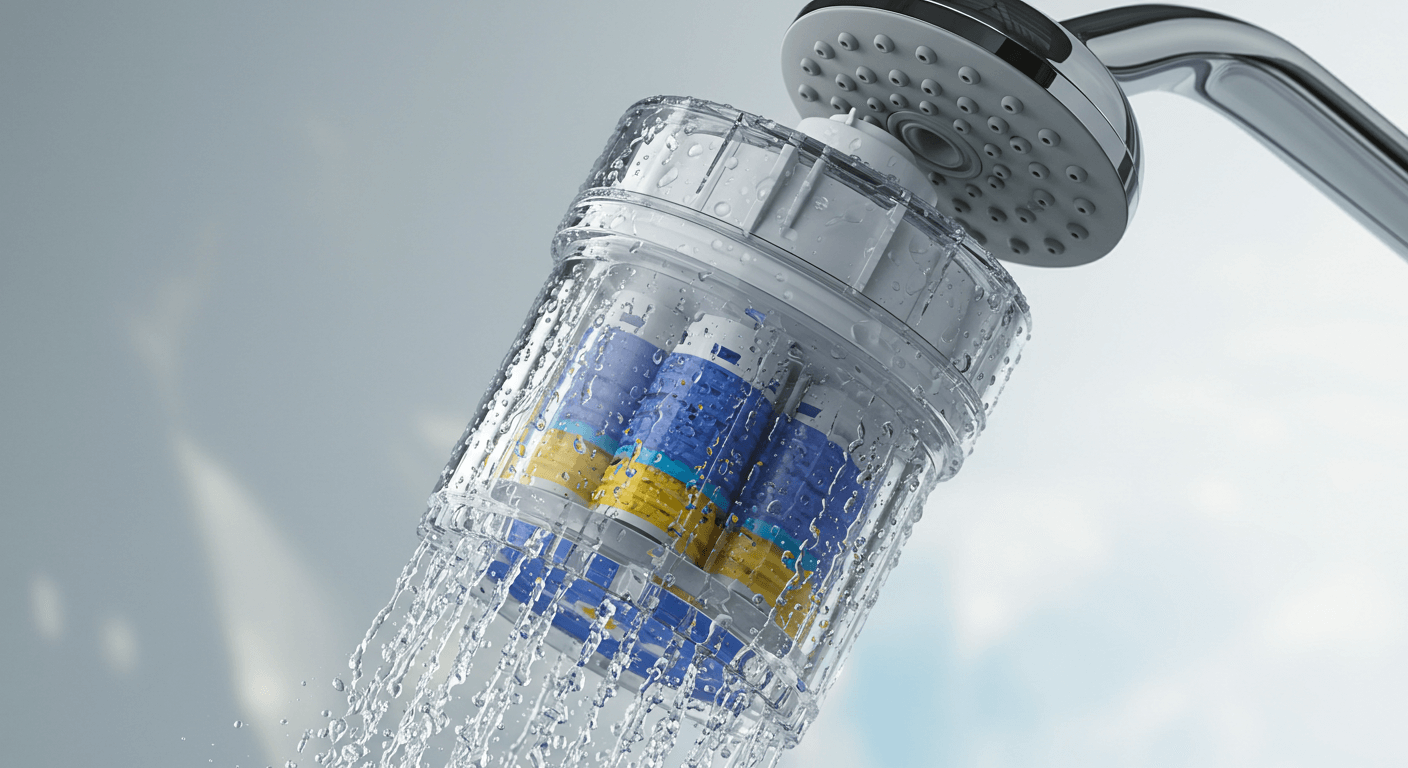
Maintaining water quality and extending the filter’s lifespan can be achieved by cleaning your personal shower filter, which is a simple procedure. Frequent cleaning keeps obstructions at bay, preserves water pressure, and guarantees that the filter keeps efficiently eliminating heavy metals, chlorine, and other contaminants. To maintain optimal performance from your shower filter, adhere to the following guidelines.
1. Gather the Necessary Supplies
Prepare everything before you begin. Usually, you’ll need:
- A sponge or soft cloth
- A tiny brush, similar to an ancient toothbrush
- An all-purpose cleaning solution or white vinegar
- A bowl or bucket for soaking
- Teflon tape (if reinstallation is required)
For particular cleaning advice, see the manufacturer’s instructions, since certain filters might need extra attention.
2. Turn Off the Water Supply
As you remove the filter, turn off the shower to avoid spills or leaks. Most of the time, just making sure the shower handle is in the “off” position is sufficient, but if it is possible, you can also turn off the main water valve for added safety.
3. Remove the Shower Filter
Remove the filter by unscrewing it from the wall-mounted unit or showerhead. While some filters can be removed with ease by hand, some might require a tool. To prevent scratching the finish, wrap a soft towel around the fitting before using any instruments.
4. Disassemble the Filter Components
Remove the cartridge by opening the filter case. Since many personal shower filters have detachable sections, cleaning each portion independently is simple. In order to properly reassemble it later, pay attention to how everything goes together.
5. Clean the Filter Housing
To get rid of any loose particles, rinse the outside shell with warm water. Soak the housing for 30 to 60 minutes in a 1:1 solution of white vinegar and water for a more difficult buildup. Without using harsh chemicals, vinegar sanitizes surfaces and aids in the dissolution of mineral deposits. Scrub any leftover residue away with a gentle brush.
6. Clean or Replace the Cartridge
While some cartridges can be rinsed to prolong their life, the majority cannot be reused indefinitely. Consult the manufacturer’s instructions:
- Rinsable cartridges: Hold under flowing water for sediment removal. Chemicals and soap can harm the filter media, so stay away from them.
- Non-rinsable cartridges: When performance starts to deteriorate, swap out non-rinsable cartridges for new ones. Maintaining water quality is ensured by keeping extra cartridges on hand.
7. Examine the Seals and O-Rings
Check rubber seals and gaskets for wear or cracks. Leaks and decreased filtration effectiveness might result from damaged seals. If necessary, replace them, and to maintain their flexibility, lightly coat them with plumber’s grease.
8. Reassemble the Filter
Reassemble the filter in the same sequence that you took it apart, once every component has been cleaned and dried. If advised, use Teflon tape on the threads to help stop leaks when the filter is reattached.
9. Reinstall and Flush the Filter
Avoid overtightening the filter when you screw it back onto the showerhead. Before taking a shower, turn on the water gradually and let it run for one to two minutes to remove any leftover vinegar or debris.
10. Set a Maintenance Schedule
Most homes should clean every 4–6 weeks, though this varies based on the type of filter and water quality. To guarantee regular maintenance, write the dates on a calendar or set a reminder. Frequent cleaning lowers the need for premature replacements while also maintaining the filter’s functionality.
How Often to Clean and Replace Your Shower Filter
Maintaining water quality and making sure your shower filter works properly depend on knowing how frequently to clean and replace it. Shower filters become less effective as a result of the accumulation of silt, chlorine, heavy metals, and other contaminants over time. A consistent routine shields your skin and hair from damaging pollutants, avoids buildup, and maintains a constant water pressure.
1. Cleaning Frequency
Cleaning a personal shower filter is advised for the majority of families every four to six weeks. This include washing the filter housing, clearing away any mineral buildup, and looking for any obvious accumulation. You might need to clean the filter more frequently, every two to three weeks, for example, if you reside in a region with hard water or high sediment levels. On the other hand, houses with softer water might need less upkeep.
2. Cartridge Replacement
Cartridges ultimately lose their capacity to capture contaminants, even though cleaning prolongs the life of the filter housing. Depending on usage and water quality, the majority of manufacturers advise changing the cartridge every three to six months. Although some advanced filters have a one-year lifespan, it’s crucial to adhere to the detailed instructions that came with your equipment.
3. Signs It’s Time for Maintenance
Observe warning indicators even when you have a schedule in place:
- A discernible decrease in water pressure
- Changes in the color or smell of the water
- Chronic inflammation of the skin or hair
- Mineral accumulation inside the filter is visible
4. Benefits of Staying Consistent
The freshness and safety of your shower water are maintained by regular cleaning and prompt cartridge replacement. They also prevent silt accumulation from causing plumbing problems and prolong the life of your showerhead.
You can prevent expensive replacements and performance issues while ensuring your shower filter provides clean, refreshing water every day by establishing a basic maintenance schedule.
Advice on Taking Care of Your Own Shower Filter
Better performance, cleaner water, and a longer lifespan are all guaranteed with a well-managed shower filter. You can maintain optimal performance from your filter and prevent needless replacements by adopting a few easy behaviors.
1. Maintain a Regular Cleaning Routine
To avoid mineral accumulation and blockage, clean the filter housing every four to six weeks. To get rid of residues without harming the components, use warm water and a vinegar solution.
2. Timely Cartridge Replacement
Over time, cartridges lose their potency even with routine cleaning. To guarantee consistent filtration, replace the filter as often as the manufacturer recommends, usually every three to six months.
3. Steer clear of harsh chemicals
Strong detergents, abrasive cleansers, and bleach can harm the filter media and seals. Use only gentle cleaning agents, such as diluted vinegar or those recommended by the manufacturer.
4. Examine O-rings and seals.
Examine rubber seals after every cleaning. Leaks and decreased performance might result from dry or cracked O-rings. To keep them flexible, use plumber’s grease; if necessary, replace them.
5. If required, apply a pre-filter.
Adding a pre-filter eases the load on your primary shower filter in places with hard water or high sediment. This prolongs its lifespan and improves its efficiency.
6. After Maintenance, Flush
Before taking a shower, run water for one to two minutes after cleaning or replacing the cartridge to remove any remaining particles.
7. When not in use, store properly
To stop mold or germs from growing, make sure the filter is completely dry before storing it in a cold, dry location if you intend to remove it for a long time. You can maintain your personal shower filter in optimal condition and guarantee fresh, clean water with each shower by following these easy steps.
Conclusion
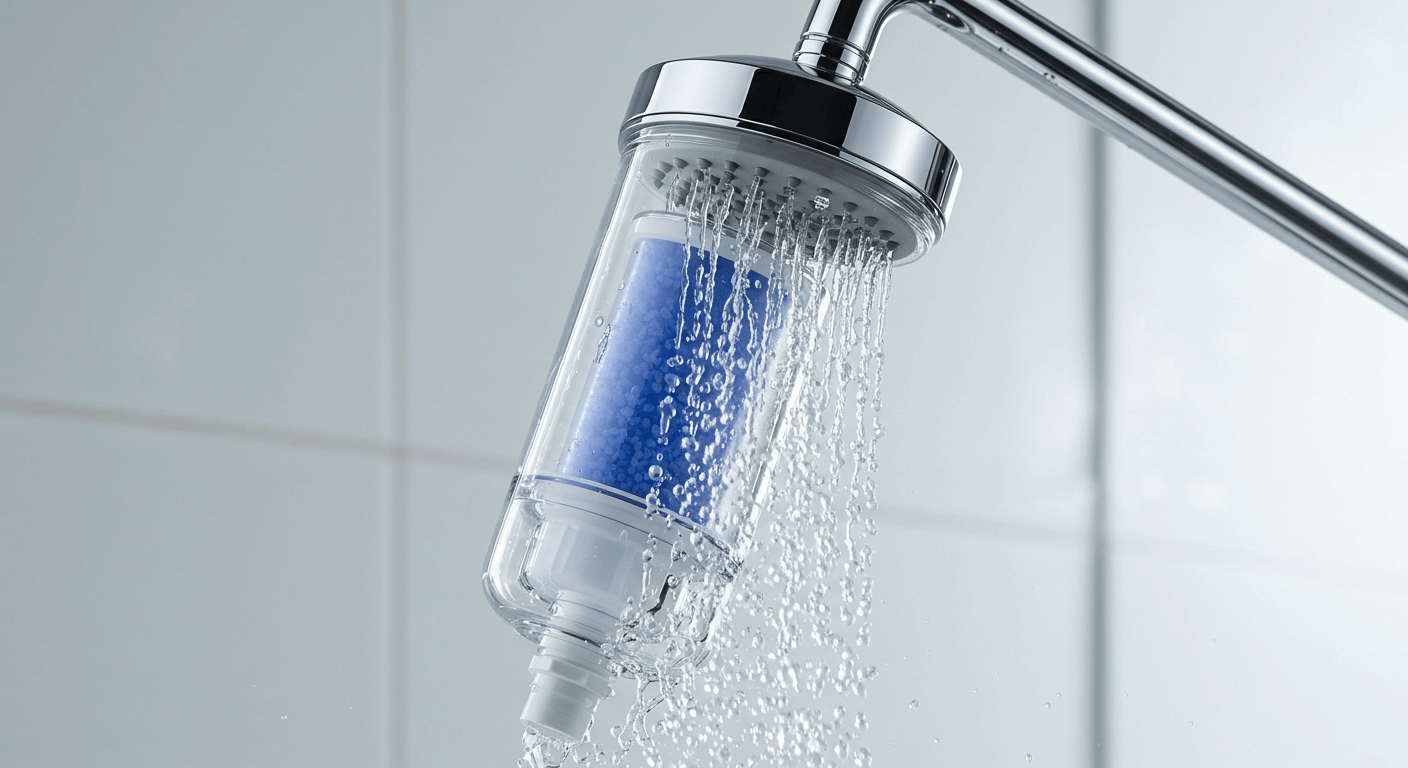
An easy-to-use yet effective tool for enhancing water quality and safeguarding your skin, hair, and general well-being is a personal shower filter. It requires routine maintenance to remain effective, much like any other equipment that eliminates pollutants. To make sure your filter functions as intended, you must clean the housing, change the cartridges on time, and keep an eye out for any indications of decreased performance.
You can prolong the life of your filter, maintain constant water pressure, and take advantage of fresher, safer water by adhering to a regular maintenance schedule that includes cleaning every few weeks and changing the cartridges every few months. Maintaining your plumbing and showerhead properly also keeps minerals from building up, which will save you money on future, expensive repairs.
Being proactive with cleaning and maintenance will pay off, regardless of whether you’re new to utilizing a shower filter or trying to upgrade your existing setup. A well-maintained filter promotes a healthier lifestyle in addition to making showering more enjoyable. Put these suggestions into practice right now to maintain optimal performance from your personal shower filter. A simple maintenance regimen can lead to cleaner water, softer skin, and stronger hair.