

Recovery is as crucial to fitness as the actual exertion. To continue functioning at its peak, the body must replenish its energy stores, reduce inflammation, and give muscles time to heal. Even though conventional techniques like rest, stretching, and a healthy diet are still crucial, many athletes and fitness enthusiasts are now looking at cutting-edge ways to hasten recovery. Hydrogen-enriched water is one choice that is gaining popularity.
Molecular hydrogen has been dissolved into ordinary drinking water to create hydrogen-enriched water, sometimes known as hydrogen water. It is believed that this little but potent chemical offers special health advantages, especially in the areas of oxidative stress management and muscle repair. Hydrogen-enriched water, as opposed to regular water, adds extra antioxidants that could aid in scavenging dangerous free radicals created during vigorous exercise. This is significant because oxidative stress plays a key role in tiredness, soreness after exercise, and long-term muscle damage.
Interest in hydrogen-enriched water has increased significantly in recent years. Professional athletes, gym patrons, and wellness advocates are all interested in how it could boost overall recovery and performance. According to preliminary research, molecular hydrogen may enhance cellular performance, lessen inflammation, and possibly promote quicker recovery from demanding activities. The potential advantages are strong enough to persuade many people to include hydrogen-enriched water in their regular exercise regimens, even if research is still ongoing.
Recovery already depends on hydration, and hydrogen-enriched water expands on this by perhaps providing benefits beyond fluid replacement. While regular water replenishes lost fluids, hydrogen-enriched water may also have therapeutic benefits that address the underlying causes of stress brought on by exercise. For those looking to gain a competitive advantage or just feel better after working out, this combination makes it an appealing addition to recuperation routines.
This article explains hydrogen-enriched water, its properties, and the reasons it’s becoming a well-liked option for exercise recuperation. The science of molecular hydrogen, its possible advantages for muscle health, and how to include it in your own regimen will all be covered. Understanding the function of hydrogen-enriched water could help you make better decisions regarding your performance and well-being, regardless of whether you’re a weekend warrior, professional athlete, or someone simply trying to improve post-exercise recovery.
What is Hydrogen-Enriched Water?
Molecular hydrogen (H₂) is added to ordinary drinking water to create hydrogen-enriched water, often known as hydrogen water. Despite being colorless, odorless, and tasteless, this small, naturally occurring molecule may offer special health benefits when taken in adequate numbers, according to studies. Hydrogen-enriched water has more dissolved hydrogen gas that the body can absorb and use than regular water, which is made up of hydrogen and oxygen bonded together (H₂O).
The idea is straightforward: molecular hydrogen has potent antioxidant properties. Its small size allows it to enter cells and tissues more effectively than many other antioxidants, which may help neutralize dangerous free radicals produced during vigorous exercise. Oxidative stress, a major contributor to muscular fatigue, inflammation, and a delayed recovery after exercise, is thought to be lessened by this mechanism.
Hydrogen-enriched water can be made in a number of ways. Options in commercial bottles are sealed to preserve concentration after being pre-infused with molecular hydrogen. Another common option is tablets that, when dissolved in water, produce hydrogen. Home appliances that use electrolysis technology can produce hydrogen-enriched water on demand for people who desire a steady supply.
The purpose of hydrogen-enriched water is to supplement, not to replace, standard hydration techniques. Along with possibly adding an extra layer of cellular defence and recovery assistance, it provides the same vital advantages of maintaining proper hydration, including temperature regulation, nutrient transfer, and joint lubrication.
A broader trend toward functional beverages that provide more than just basic hydration is reflected in the growing interest in hydrogen-enriched water. It bridges the gap between performance demands and general wellness, making it a straightforward yet potentially beneficial addition to a recovery regimen for athletes and active people.
The Science Behind Hydrogen and Its Antioxidant Properties
The body creates reactive oxygen species (ROS), commonly referred to as free radicals, during vigorous exercise. Oxidative stress results from an excessive accumulation of ROS, although tiny levels are acceptable and even required for cellular signalling. Cell damage, muscle weariness, and a slowed recovery from activity are all possible outcomes of this illness. While antioxidants aid in the neutralization of these free radicals, their efficacy varies.
The main ingredient in hydrogen-enriched water, molecular hydrogen (H₂), is notable for its special qualities. Since hydrogen is the smallest molecule in the universe, it can pass through cell membranes and reach places where larger antioxidants frequently cannot, such as mitochondria, which are the cell’s powerhouses and the site of a major portion of oxidative stress. Hydrogen can specifically eliminate dangerous free radicals without interfering with healthy ROS that the body still requires for regular operation, thanks to its deep cellular access.
The potential of hydrogen as a medicinal antioxidant has been investigated scientifically. According to research, molecular hydrogen may enhance energy metabolism, reduce inflammation, and lessen oxidative stress indicators. This may result in less muscle soreness, quicker tissue repair, and improved overall recovery for athletes and fitness enthusiasts following intense workouts. According to some research, hydrogen water may even improve endurance by preserving better mitochondrial function over extended periods of exercise.
Molecular hydrogen does not build up in the body like manufactured additives do. It is a low-risk supplement to a recovery program since, after fulfilling its antioxidant function, it safely dissolves as water. Hydrogen differs from many conventional antioxidants due to its potency, selectivity, and safety.
Hydrogen-enriched water presents a scientifically supported strategy for reducing oxidative stress brought on by exercise as interest in performance optimization increases. It may provide athletes a practical means of preserving cells, promoting recuperation, and maintaining long-term performance by addressing free radicals at their source.
Benefits of Hydrogen-Enriched Water for Fitness Recovery
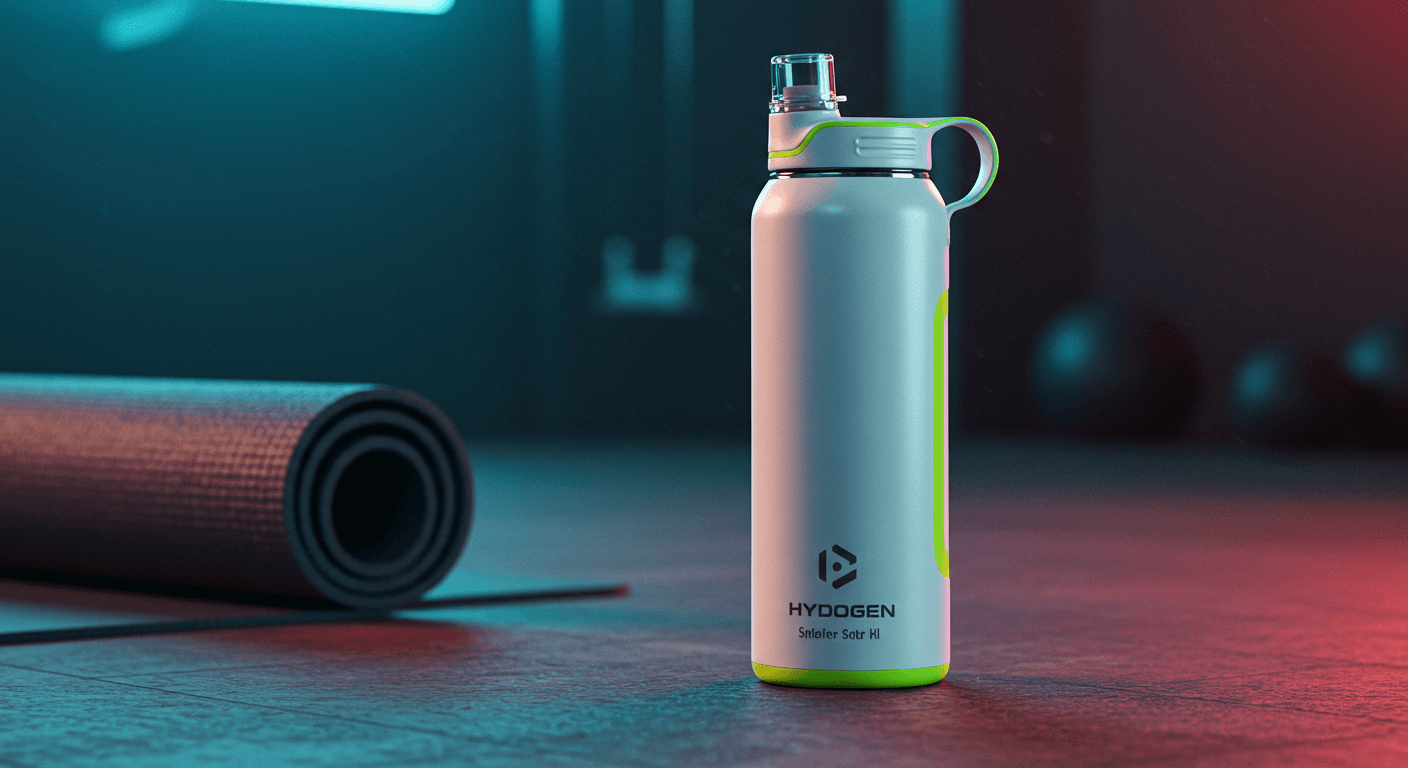
Any fitness regimen must include recovery, and hydrogen-enriched water is becoming more well-known for its ability to aid in this process. Hydration and antioxidant qualities together may provide a number of advantages that aid in the body’s recovery from strenuous exercise.
- Decreased Soreness and Muscle Fatigue: Oxidative stress is produced during vigorous exercise and is a contributing factor to delayed-onset muscle soreness (DOMS) and muscular fatigue. By neutralizing dangerous free radicals, molecular hydrogen in hydrogen-enriched water may lessen muscular strain and enable faster soreness reduction.
- Faster Recovery Times: Cells are better able to heal themselves when oxidative damage is reduced. According to preliminary research, hydrogen water may promote quicker tissue repair, allowing athletes and physically active people to return to training earlier without sacrificing performance.
- Reduced Inflammation: The body’s natural healing process includes some post-exercise inflammation, but too much inflammation can impede healing and make discomfort worse. In order to promote healthier inflammatory levels and the best possible healing, hydrogen-enriched water may assist in balancing this reaction.
- Better Hydration and Cellular Function: Joint lubrication, temperature regulation, and nutrition transport all depend on proper hydration. In addition to offering these fundamental advantages, hydrogen-enriched water may improve cellular performance by shielding mitochondria from oxidative damage. Better energy output and overall recovery efficiency may result from this.
- Long-Term Performance Support: Over time, regular consumption of hydrogen-enriched water may help promote better muscular function and endurance. It might promote long-term sports goals and aid in sustaining performance levels by lowering cumulative oxidative stress.
While it can support these tactics, hydrogen-enriched water cannot substitute appropriate diet, relaxation, and exercise. It is a straightforward supplement to a recuperation strategy that emphasizes both short-term alleviation and long-term performance, regardless of whether it is utilized by expert athletes or recreational gym patrons.
How to Use Hydrogen-Enriched Water in Your Fitness Routine
It’s easy to incorporate hydrogen-enriched water into a workout regimen, and it can enhance current recuperation techniques. Timing and consistency are crucial.
In order to support endurance and prime the body for oxidative stress, many athletes prefer to consume hydrogen-enriched water prior to workouts. When muscles are most strained during activity, consuming it might help keep you hydrated and provide antioxidants. Post-workout nutrition may help promote quicker repair by lowering oxidative damage, inflammation, and muscle fatigue.
You can obtain hydrogen-enriched water in a number of ways. While dissolvable tablets enable you to produce fresh hydrogen water anywhere, bottled versions offer convenience. Home hydrogen generators use electrolysis to create a consistent supply for everyday use. Whatever the approach, try to use it in addition to your normal water consumption, not instead of it.
Depending on your activity level and recuperation requirements, start with one to two servings daily. A holistic approach to performance and recovery is created when hydrogen-enriched water is combined with healthy eating, stretching, and rest. Athletes and fitness enthusiasts can improve hydration, lower oxidative stress, and promote overall training outcomes by strategically adding hydrogen-enriched water.
Comparing Hydrogen-Enriched Water to Other Recovery Methods
A mix of tried-and-true techniques, including rest, stretching, hydration, and proper diet, is usually used in fitness rehabilitation. While hydrogen-enriched water doesn’t take the place of these essentials, it could be used in conjunction with them to enhance outcomes.
Traditional Hydration vs. Hydrogen-Enriched Water
Drinking water on a regular basis helps regulate body temperature, deliver nutrients, and replace fluids lost through perspiration. Standard water lacks the ability to neutralize dangerous free radicals and lessen oxidative stress, while hydrogen-enriched water offers these same advantages while supplying molecular hydrogen.
Nutritional Supplements and Recovery Drinks
Common post-workout options include protein shakes, electrolyte drinks, and antioxidant supplements. Hydrogen-enriched water concentrates on cellular defense and inflammatory management, whereas these items supply macronutrients and vital minerals. Molecular hydrogen, in contrast to manufactured antioxidants, targets harmful free radicals specifically while leaving the good ROS that are required for a healthy adaptation to exercise unaffected.
Physical Recovery Techniques
Compression therapy, ice baths, and massage are some techniques that may increase circulation and lessen discomfort. By tackling oxidative stress at the cellular level, hydrogen-enriched water functions internally, enhancing these external strategies. When combined, they can create a more comprehensive recovery plan.
Performance and Practicality
It is simple to include hydrogen-enriched water into everyday routines using household appliances, pills, or bottled solutions. It is more convenient than certain specialist recovery techniques because it doesn’t require any further preparation.
Conclusion
Maintaining performance, avoiding injuries, and getting long-term outcomes all depend on fitness recovery. Hydrogen-enriched water provides a novel strategy to improve this process, even though conventional techniques like healthy eating, drinking plenty of water, and getting enough sleep still serve as the cornerstone. Combining the advantages of consistent hydration with molecular hydrogen’s antioxidant potential may lessen oxidative stress, ease muscular soreness, and speed up recovery after strenuous exercise.
It is easy and adaptable to incorporate hydrogen-enriched water into a workout regimen. Without requiring significant adjustments to training routines, it can support current recovery procedures, whether taken prior to, during, or following exercise. It is a promising addition for both athletes and casual exercisers because of its capacity to specifically target dangerous free radicals, which distinguishes it from many other healing treatments.
Hydrogen-enriched water stands out as a viable and affordable option for individuals wishing to maximize recovery and support long-term performance goals as research into its possibilities continues. Including it in your routine could be a minor change that has a big impact on your general health, endurance, and muscular health.